













Suggested Searches

This content has been archived.

Earth Expeditions

    Lasers and Bubbles: Solving the Arctic’s Methane Puzzle

    by Emily Fischer Trudging through snow up to their thighs, researchers Nicholas Hasson and Phil Hanke pull 200 pounds of equipment through boreal terrain near Fairbanks, Alaska. Once they reach their destination – a frozen, collapsing lake — they drill through two feet of ice to access frigid water containing copious amounts of methane. Hasson …

    Read Full Post

    Prepping for a High Altitude Flight

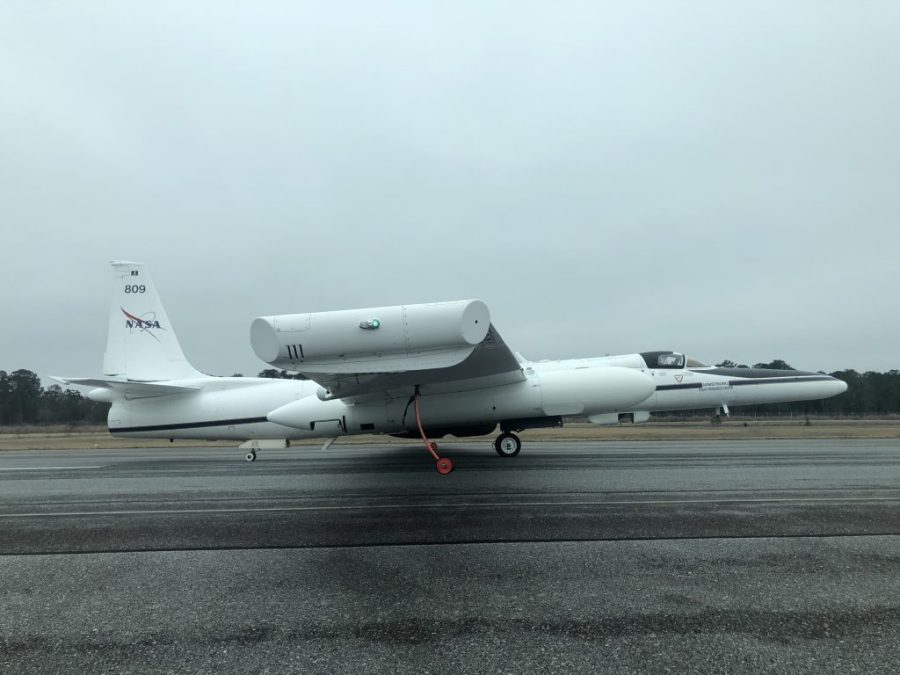
    NASA's high-altitude ER-2 aircraft was part of the IMPACTS field mission to study snow in January and February, 2020. Credit: NASA/Katie Stern

    By Katie Stern, IMPACTS' Deputy Project Manager / HUNTER ARMY AIRFIELD, SAVANNAH, GEORGIA/ "Get in there and check it out!" I was encouraged by "Corky" Cortes from the NASA ER-2 Life Support Team to see how the pilots prepare for their flight. This was my first NASA field campaign with the ER-2, a high altitude …

    Read Full Post

    A Breathtaking View – Literally

    Credit: NASA / Jessica Merzdorf

    By Jessica Merzdorf / GRAND MESA LODGE, COLORADO After visiting with part of the SnowEx 2020 airborne team, we headed up the mountain to rendezvous with the ground team, stationed at Grand Mesa Lodge. "Does anyone have a headache?" asked Jerry Newlin, SnowEx operations manager, as we left the little town of Delta and the …

    Read Full Post

    Snow Science Two Miles in the Sky

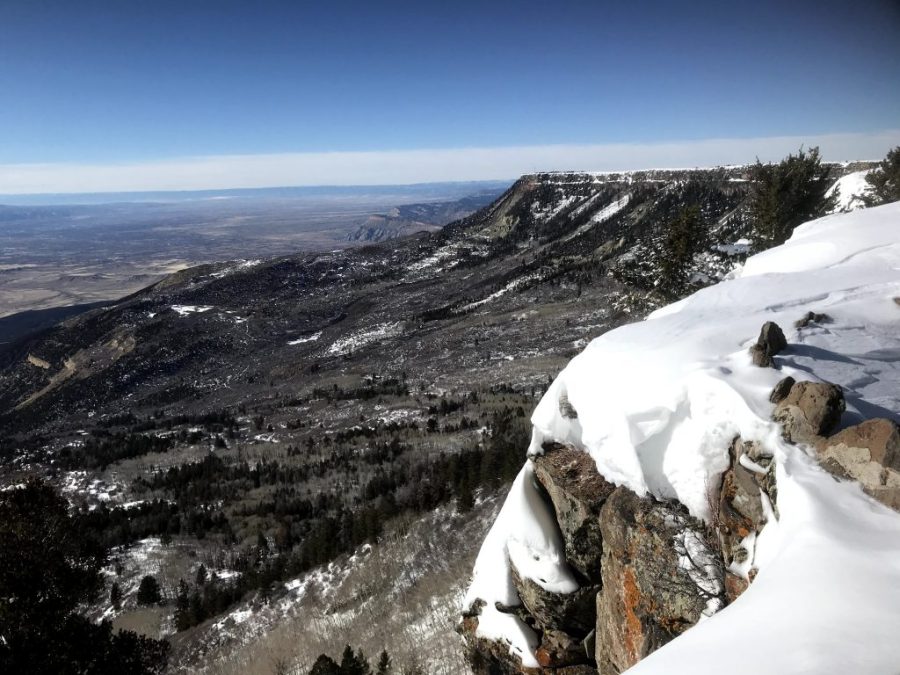
    Grand Mesa, Colorado has an elevation of 10,500 feet, and from the Land's End Observatory, you can see across the valley to Utah. The large, flat surface of the mesa is perfect for SnowEx 2020's instrument testing and validation activities. Credit: NASA / Jessica Merzdorf

    By Jessica Merzdorf / GRAND MESA LODGE, COLORADO What is it like to do science nearly 2 miles above sea level? At a majestic 10,500 feet elevation, Grand Mesa is the world's tallest mesa, or flat-topped mountain. It's also the site of an intense month of data collection by NASA's SnowEx 2020, a ground and …

    Read Full Post

    A Wintry Flight

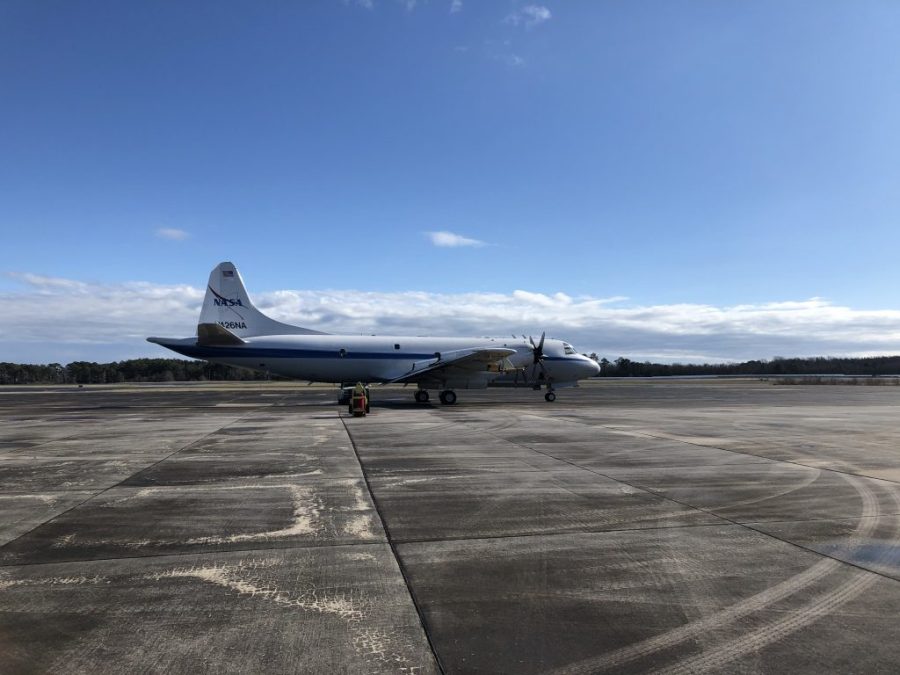
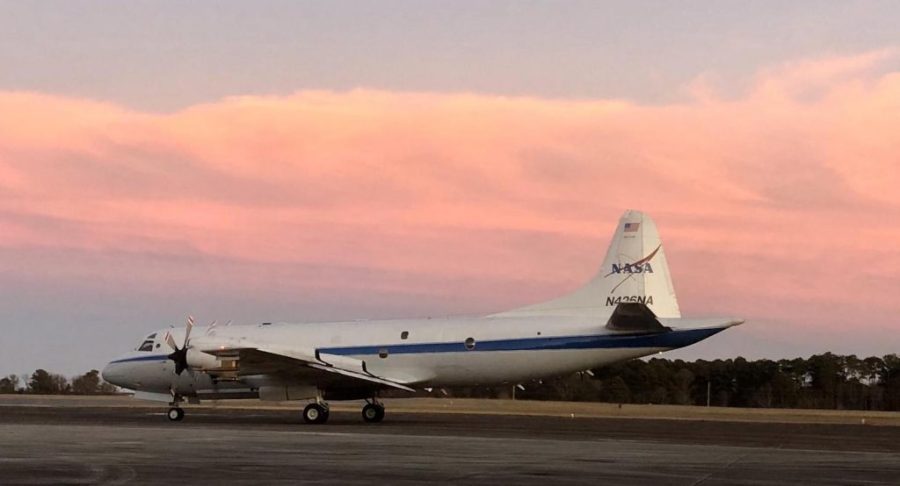
    The NASA P-3 Orion on the runway ready for IMPACTS' second science flight on Jan. 25, 2020, at NASA's Wallops Flight Facility in Virginia. Credit: NASA/Katie Jepson

    By Ellen Gray /NASA'S WALLOPS FLIGHT FACILITY, VIRGINIA/ After a cloudy and rainy morning, by 1:50 pm the sun had come out and the skies were clear for take-off at NASA's Wallops Flight Facility in Virginia. The P-3 Orion research aircraft outfitted with eleven instruments to measure conditions inside snow clouds was heading north to …

    Read Full Post

    Meet IMPACTS’ Student Forecasters

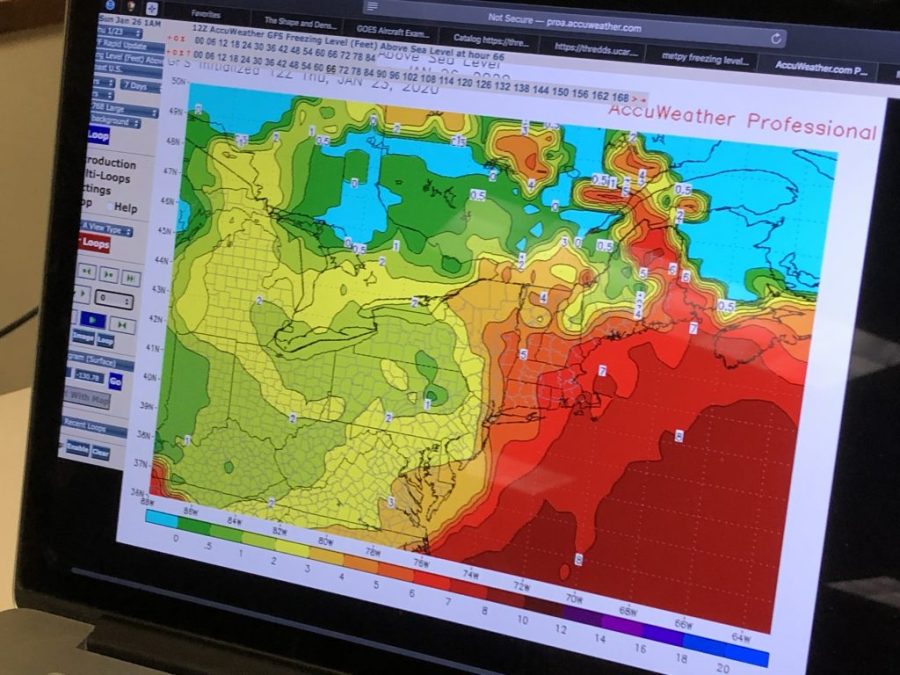
    Map of freezing levels - the altitude at which the temperature is 0°C in the atmosphere. This is one of the things forecasters look at to find the snow the fly through and keep the plane safe. Credit: NASA

    By Ellen Gray /NASA'S WALLOPS FLIGHT FACILITY, VIRGINIA/ The IMPACTS team is what makes the field campaign happen. Over 200 people are contributing to the project from aircraft crews and managers, to support and logistics staff, to the scientists running the instruments and asking the big questions. They include veteran pilots and mission managers, university …

    Read Full Post

    Waiting for Good Snow

    NASA's P-3 research aircraft will be flying through clouds during IMPACTS to study snow. Credit: Joe Finlan

    By Ellen Gray / NASA'S WALLOPS FLIGHT FACILITY, VIRGINIA/ Nothing to be done. When your field campaign depends on chasing winter storms you have to wait for the weather to arrive in its own time. For the science team of the Investigation of Microphysics Precipitation for Atlantic Coast-Threatening Snowstorms, or IMPACTS, campaign that means carefully …

    Read Full Post

    IceBridge Takes Flight from Down Under

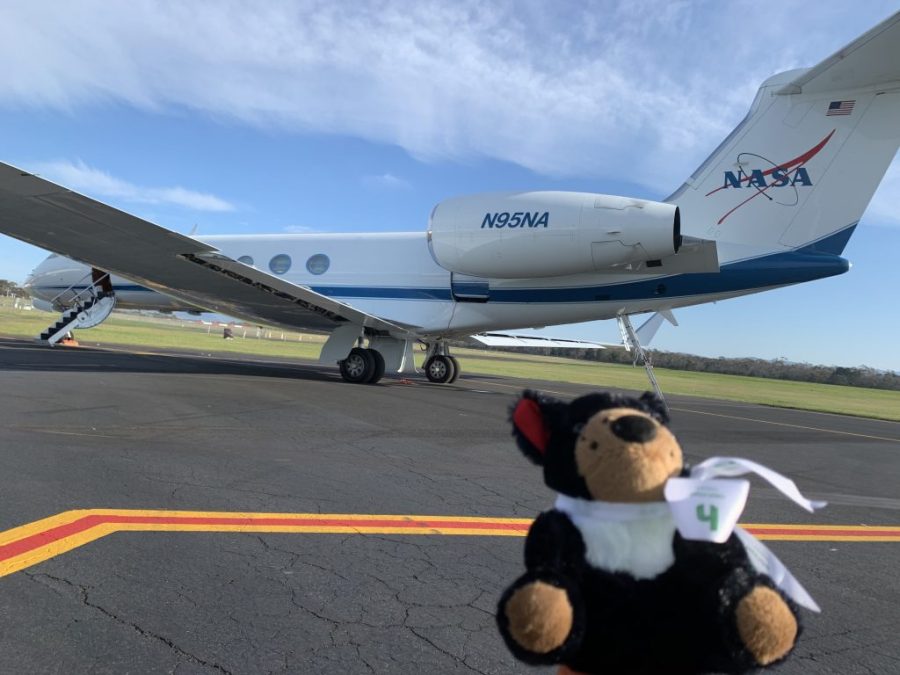
    NASA's Gulfstream GV aircraft is based in Tasmania, Australia this fall for Operation IceBridge flights to East Antarctica. (Credit: Linette Boisvert/NASA)

    by Kate Ramsayer Operation IceBridge took off on the first flight of its final polar campaign Thursday, with a route designed to measure the ice in a region of Antarctica the mission had not yet explored. IceBridge has been gathering data on Arctic and Antarctic ice sheets, glaciers and sea ice for 10 years. It …

    Read Full Post

    The New and the Lost World of Hunga Tonga-Hunga Ha’apai

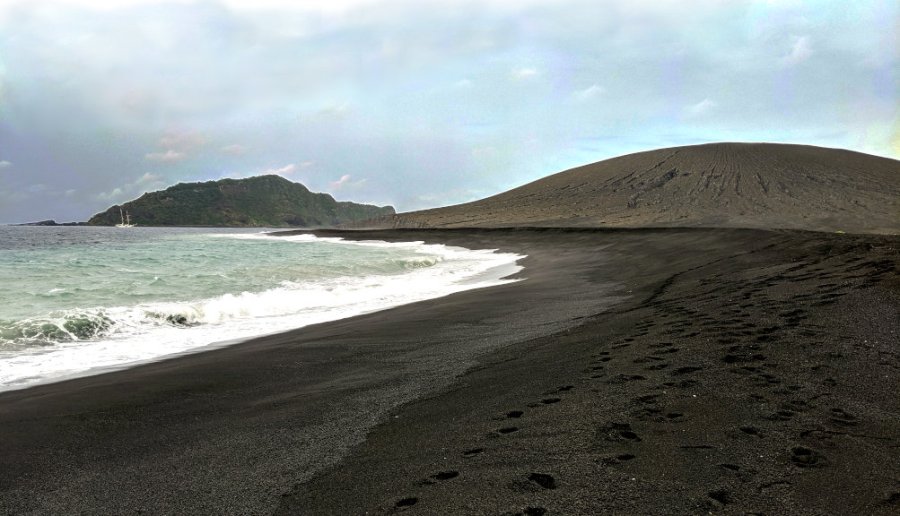
    The newly erupted cone (right), and pre-existing Hunga Tonga (to left), with SSV Robert C. Seamans. Credit: NASA

    by Dan Slayback, NASA Research Scientist aboard the SSV Robert C. Seamans / KINGDOM OF TONGA / What a week! Having just finished an expedition to Earth's newest landmass, Hunga Tonga-Hunga Ha'apai (HTHH) in the Kingdom of Tonga a few days ago, I thought I'd write a few thoughts on this latest expedition to Earth's …

    Read Full Post