





















NASA Missions Track Record-Breaking Radio Burst from Sun
When NASA scientists first observed a particular radio burst from the Sun in August 2025, there was nothing unusual about it. But then the radio burst kept going.
Typically, solar radio bursts like these last a few hours to days. But this one was different. By the time it was over, the radio burst had lasted 19 days — far exceeding scientists’ expectations and the previous record, which lasted just five days.
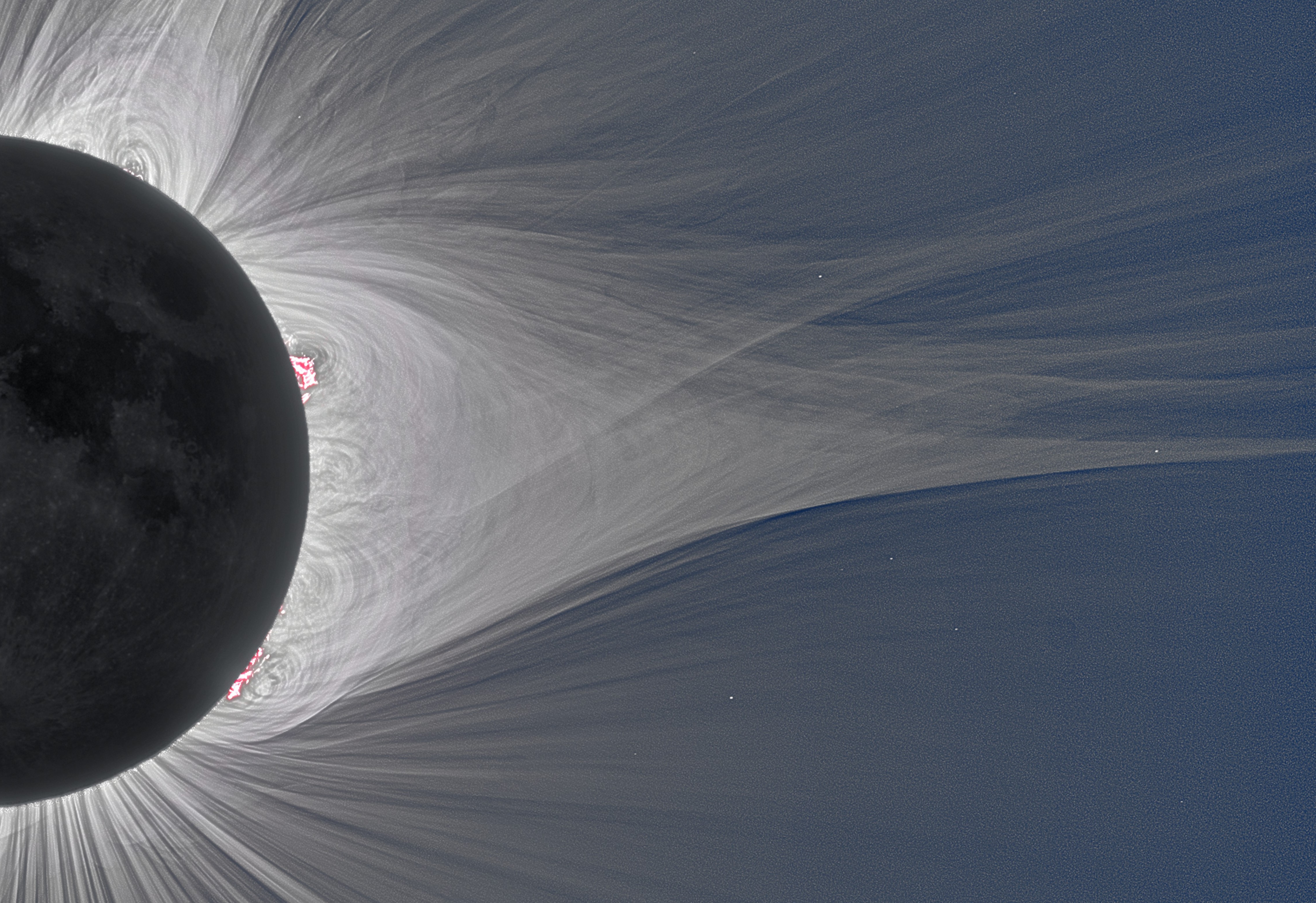
These types of radio bursts, called Type IV bursts, emerge from reservoirs of electrons trapped by the Sun’s magnetic fields. While the radio waves themselves are harmless, the same magnetic environments also can produce solar activity that sends dangerous particles toward Earth, which can affect satellites and spacecraft.
To analyze the event, researchers combined data from NASA’s STEREO (Solar Terrestrial Relations Observatory), Parker Solar Probe, and Wind missions as well as ESA (the European Space Agency) and NASA’s Solar Orbiter. Each mission observed the radio burst for a few days over its 19-day duration as the Sun’s rotation carried the burst into view of the different spacecraft, which were spread across the inner solar system. The scientists developed a new technique using data from STEREO to pinpoint the source of the radio burst to a large magnetic feature in the Sun’s atmosphere called a helmet streamer. The scientists think a trio of explosive outbursts, called coronal mass ejections, in the same region may have fueled the long-lasting event.
The findings, published in the journal Astrophysical Journal Letters, are helping scientists better identify radio bursts and improve space weather forecasting.
By Mara Johnson-Groh
NASA’s Goddard Space Flight Center, Greenbelt, Md.
