



























NASA’s Swift Restarts Science Observations
NASA’s Neil Gehrels Swift Observatory has resumed operating two of its three science instruments, following the scaling back of a commercial mission that would have boosted Swift to a higher orbital altitude. That mission is now focused on demonstrating rendezvous technologies for in-space servicing.
The Swift team turned on the mission’s Ultraviolet/Optical and X-ray telescopes on Wednesday, Aug. 26. They were switched off in February to help minimize drag and extend the satellite’s time in orbit to support the boost effort.
Use of the third instrument, the Burst Alert Telescope, was halted in April to reduce power consumption so Swift’s solar panels could be positioned to further reduce drag. The team is working to return it to data collection in the next few weeks.
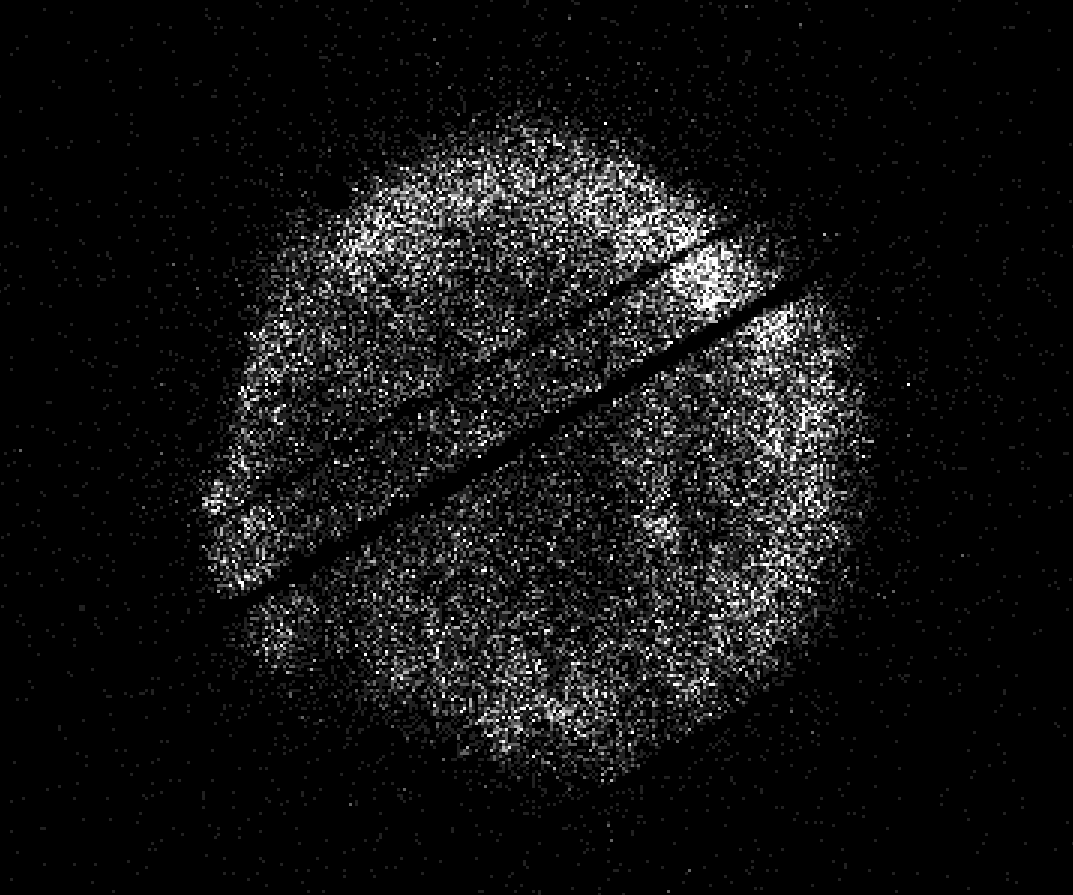
Over the last 21 years, Swift has been NASA’s multitool for studying the cosmos. It observes a wide range of light, rapidly points at short-lived outbursts, and sends alerts to other facilities in space and on the ground to help coordinate follow-up observations.
Our planet’s atmosphere creates drag on all spacecraft in low Earth orbit, gradually reducing their altitudes if, like Swift, they don’t have propulsion systems to counteract the effect.
Recent solar activity magnified the atmosphere’s drag on Swift, which began to sink faster than anticipated.
In September 2025, NASA contracted Katalyst Space to try to boost the observatory. The company had one year to design, build, test, and launch their LINK spacecraft and to then meet, grab, and lift Swift.
LINK launched in July aboard a Northrop Grumman Pegasus rocket. Later that month, LINK developed issues with its ability to control its orientation. NASA and Katalyst announced Aug. 19 that LINK would not proceed with capturing and boosting Swift. Katalyst will still attempt to rendezvous with Swift and conduct proximity operations to test and demonstrate in-orbit satellite servicing capabilities for the future of space exploration.
NASA predictions had shown the shift to low-drag operations had extended Swift’s time above 185 miles (300 kilometers) until October. Below this point, operating the telescope becomes difficult, and the spacecraft’s rate of descent quickly increases. With the resumption of science observations, the team anticipates Swift will reach that milestone sometime in the next one to two months.
Monitor the Swift blog for more updates:
https://science.nasa.gov/blogs/swift
