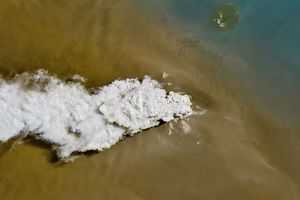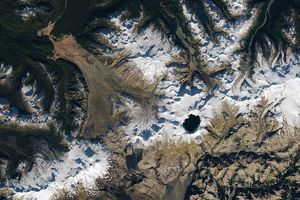





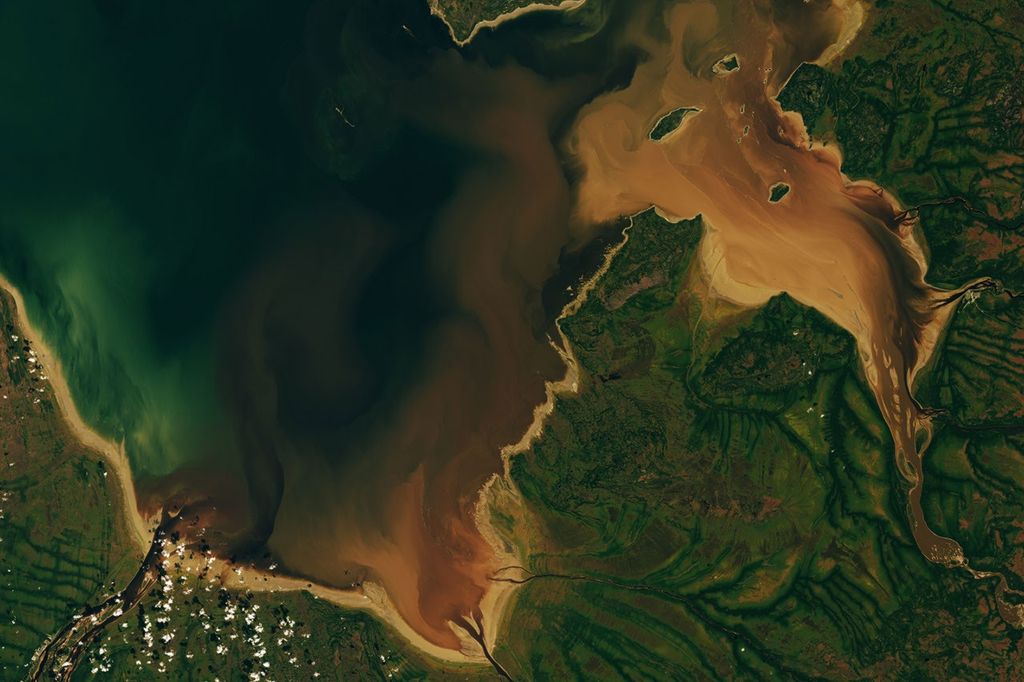
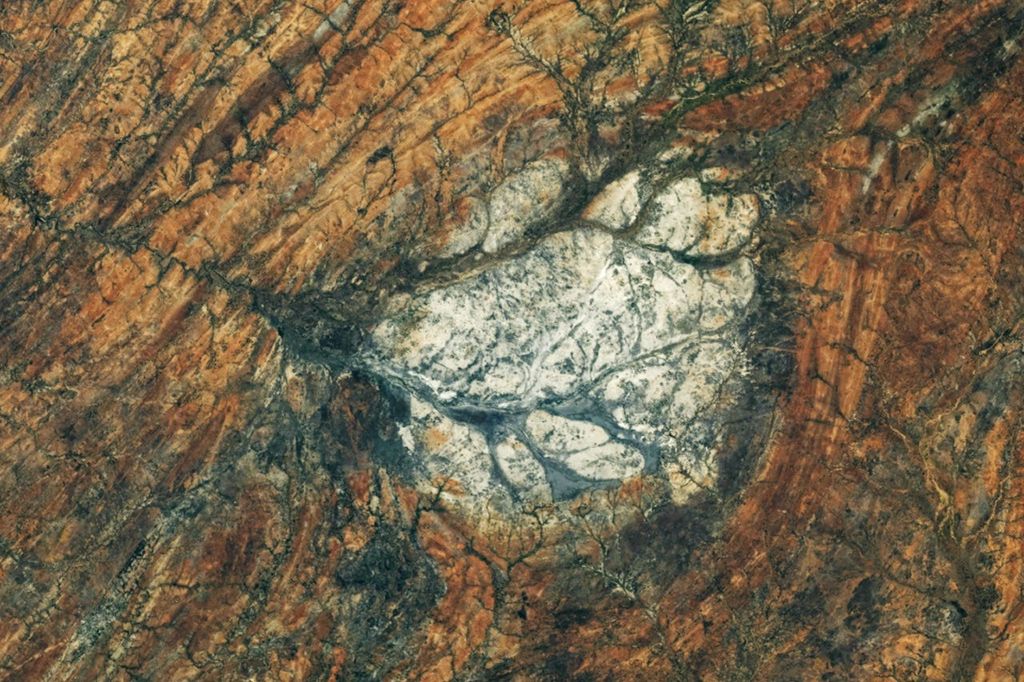















Chile’s Chaitén Volcano was releasing diffuse plumes, likely ash mixed with steam, when the Advanced Land Imager (ALI) on NASA’s Earth Observing-1 (EO-1) satellite acquired this true-color image on October 20, 2009. Chaitén’s summit is near the lower left corner of this image, where the volcanic plume appears especially bright white. The light color of the plume suggests a high proportion of water vapor relative to volcanic ash. The land areas not obscured by volcanic plumes or clouds appear dark, probably a combination of dead vegetation and volcanic rock.
Chaitén is a caldera containing a lava dome formed during the Holocene (the last 10,000 years). Located 10 kilometers northeast of a town of the same name, Chaitén had been dormant for more than 9,000 years before experiencing its first historical eruption in May 2008. The devastating eruption forced evacuations, killed livestock and vegetation, and inundated the nearby town.
References & Resources
NASA Earth Observatory image created by Jesse Allen, using EO-1 ALI data provided courtesy of the NASA EO-1 team. Caption by Michon Scott.