









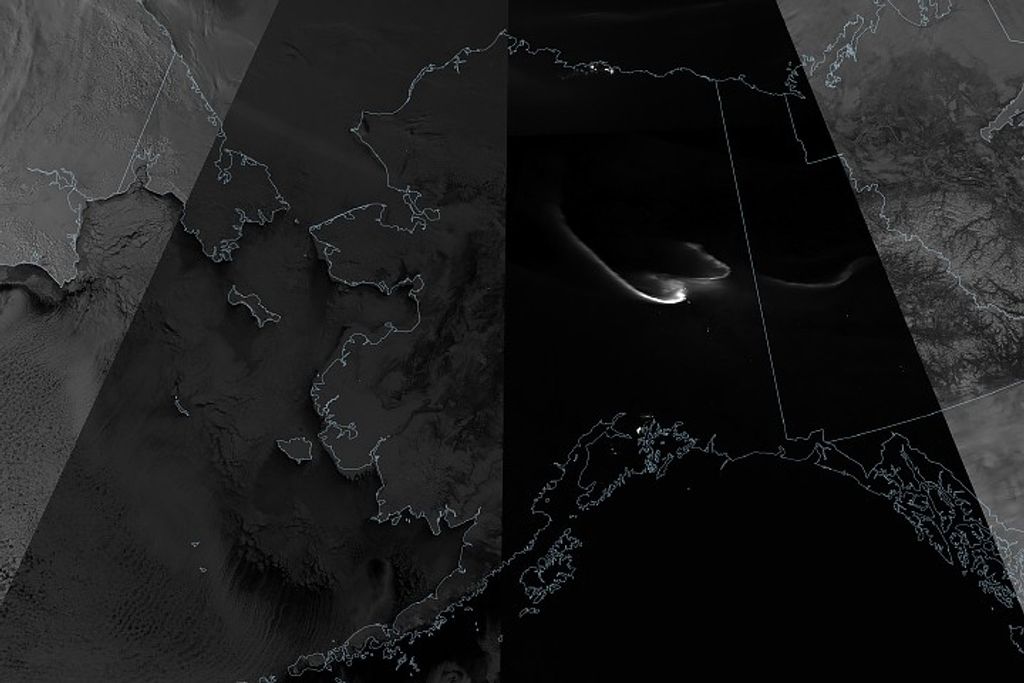






On December 6, 2003, a wide plume of dust blew over North Africa and northwestward over the Mediterranean Sea. Tracking dust storms is important for a variety of reasons. Dust injects nutrients, such as iron, into marine ecosystems. Dust also carries bacteria and spores from fungi, which can cause disease far away. Dust storms can cause or worsen breathing problems. Finally, dust in the atmosphere can also influence climate and weather. Numerous dust storms carry Saharan dust across the Atlantic Ocean all the way to the Southeast United States and parts of Central and South America.
The high-resolution image provided above is 500 meters per pixel. The MODIS Rapid Response System provides this image at additional spatial resolutions, including MODIS’ maximum resolution of 250 meters.
References & Resources
Image courtesy Jeff Schmaltz, MODIS Rapid Response Team, NASA GSFC