













Swift Boost Mission
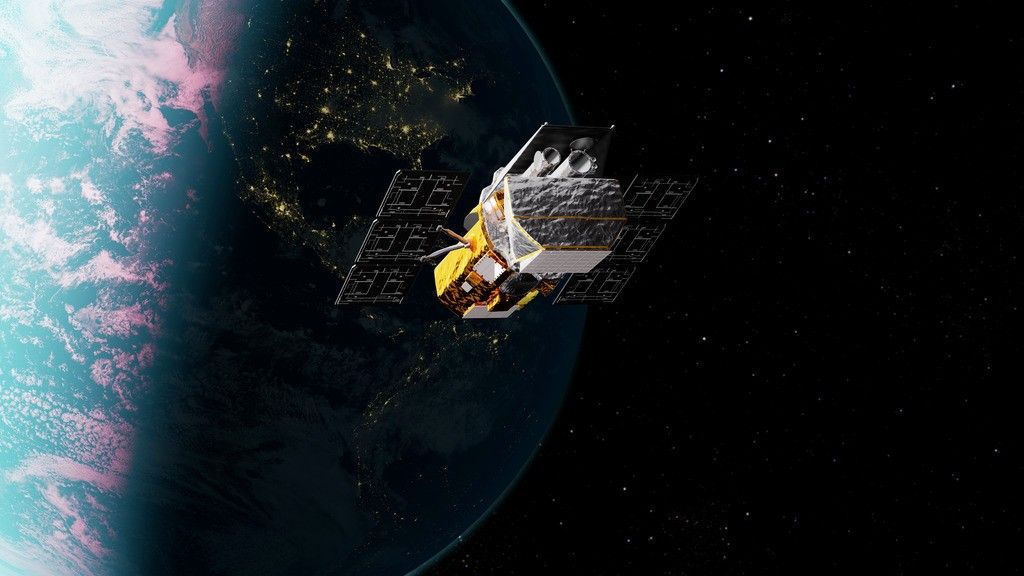
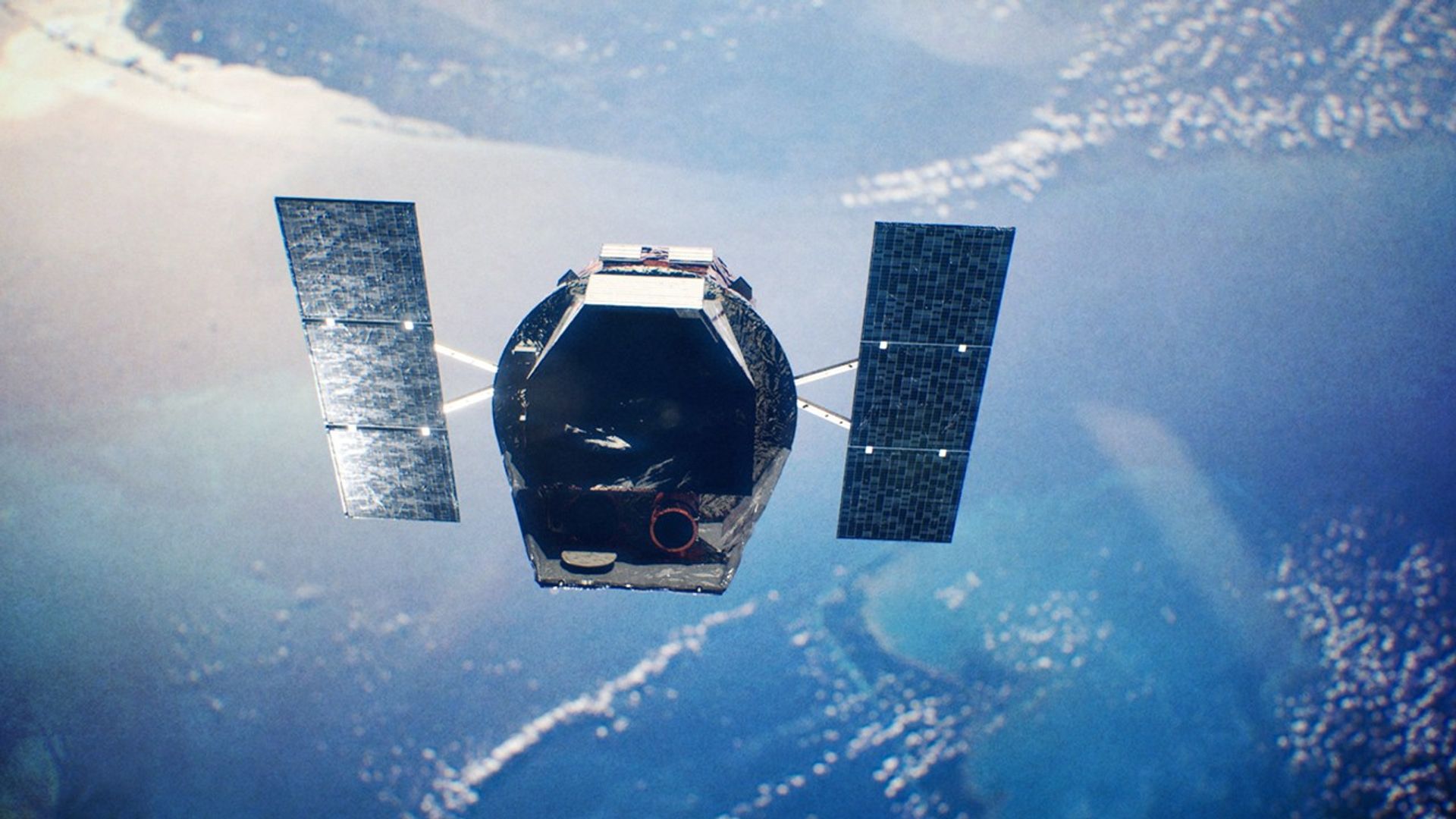
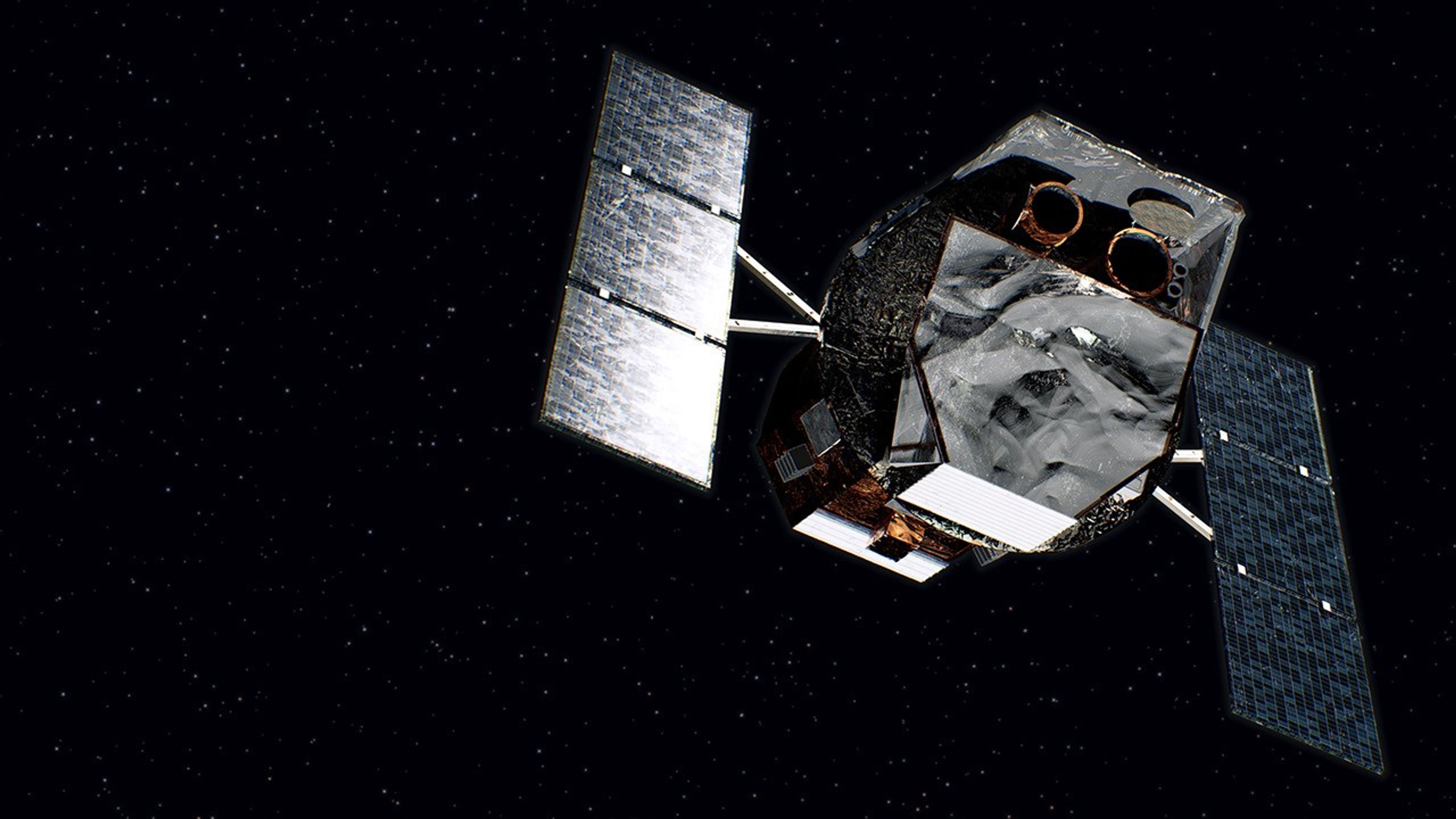
After 21 years, the orbit of NASA’s Neil Gehrels Swift Observatory has entered a phase of rapid decay. While NASA could have allowed the observatory to re-enter Earth’s atmosphere, as many missions do at the end of their lifetimes, the situation presented an opportunity to develop a way to advance American spacecraft servicing technology and raise Swift’s orbit.
NASA has contracted Katalyst Space Technologies of Flagstaff, Arizona, to mount a robotic servicing mission, launching a spacecraft that will rendezvous with Swift and boost it to a higher altitude. The project will demonstrate a key capability for the future of space exploration while also extending Swift’s scientific life. The boost mission is expected to launch no earlier than June 2026.
Swift launched in 2004 to study the universe’s most powerful explosions, called gamma-ray bursts, as well as other cosmic objects and events. Swift's altitude gradually decreased since launch due to interaction with the Earth's atmosphere. Recent unanticipated increases in solar activity have accelerated this decay, as they heat the Earth's atmosphere, causing it to puff outward, increasing drag. Swift carries no thrusters to counteract this effect.
NASA Awards Company to Attempt Swift Spacecraft Orbit Boost
Driving rapid innovation in the American space industry, NASA has awarded Katalyst Space Technologies of Flagstaff, Arizona, a contract to raise a spacecraft’s orbit. Katalyst’s robotic servicing spacecraft will rendezvous with NASA’s Neil Gehrels Swift Observatory and raise it to a higher altitude, demonstrating a key capability for the future of space exploration and extending the Swift mission’s science lifetime.
extending the Swift mission’s science lifetime.
Image credit: NASA’s Goddard Space Flight Center Conceptual Image Lab