
























Media Resources
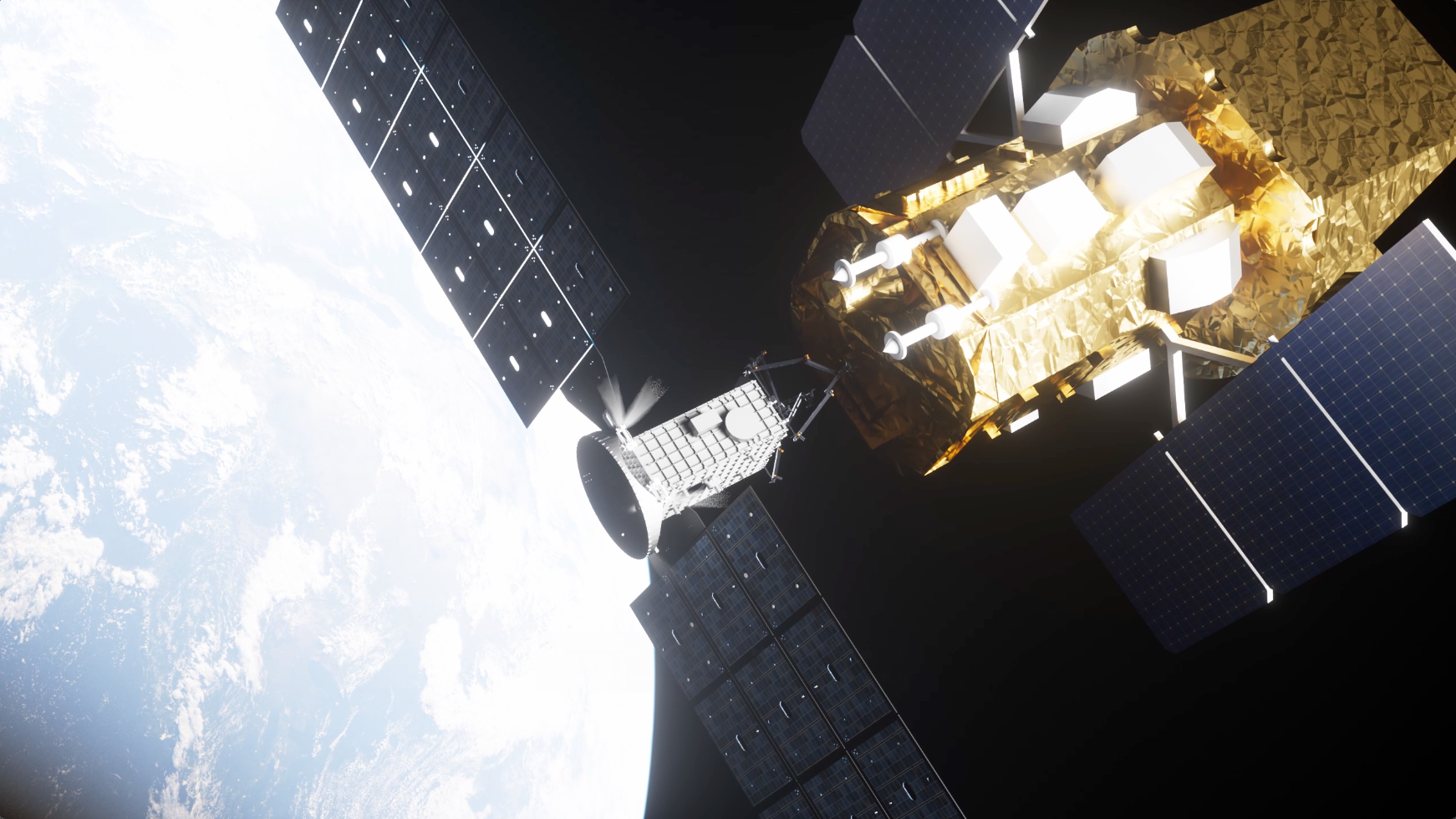
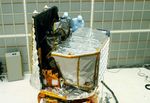
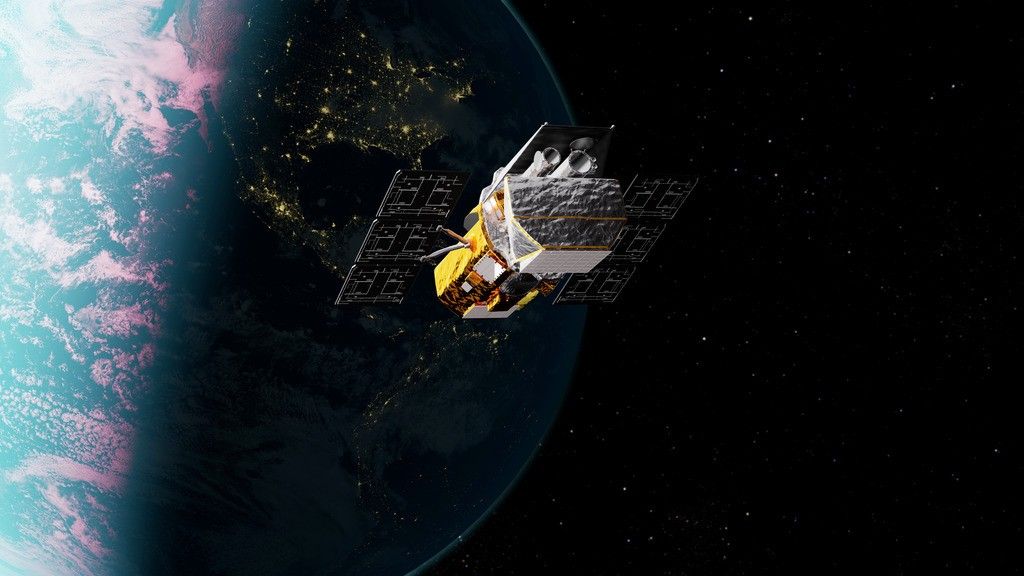
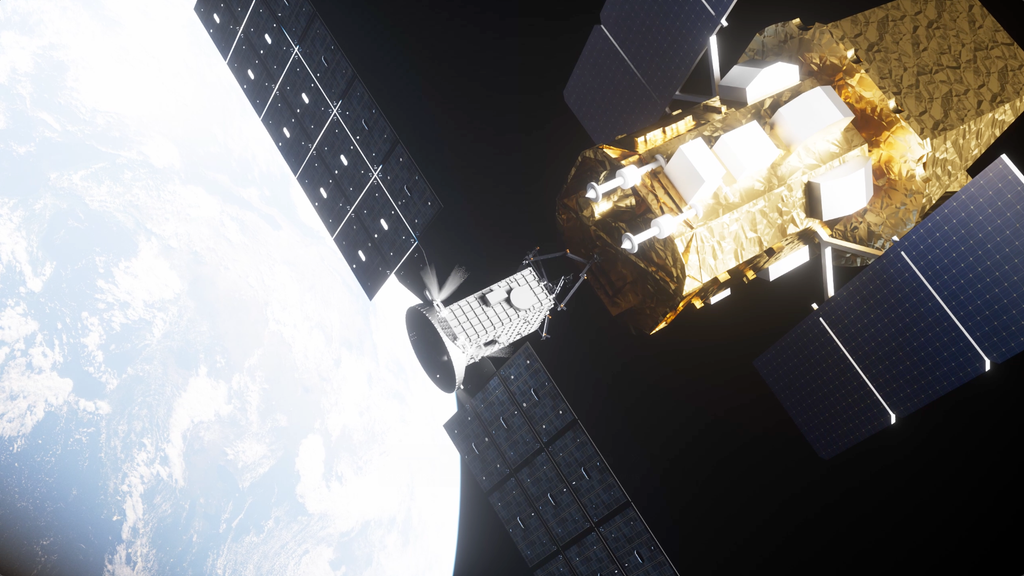
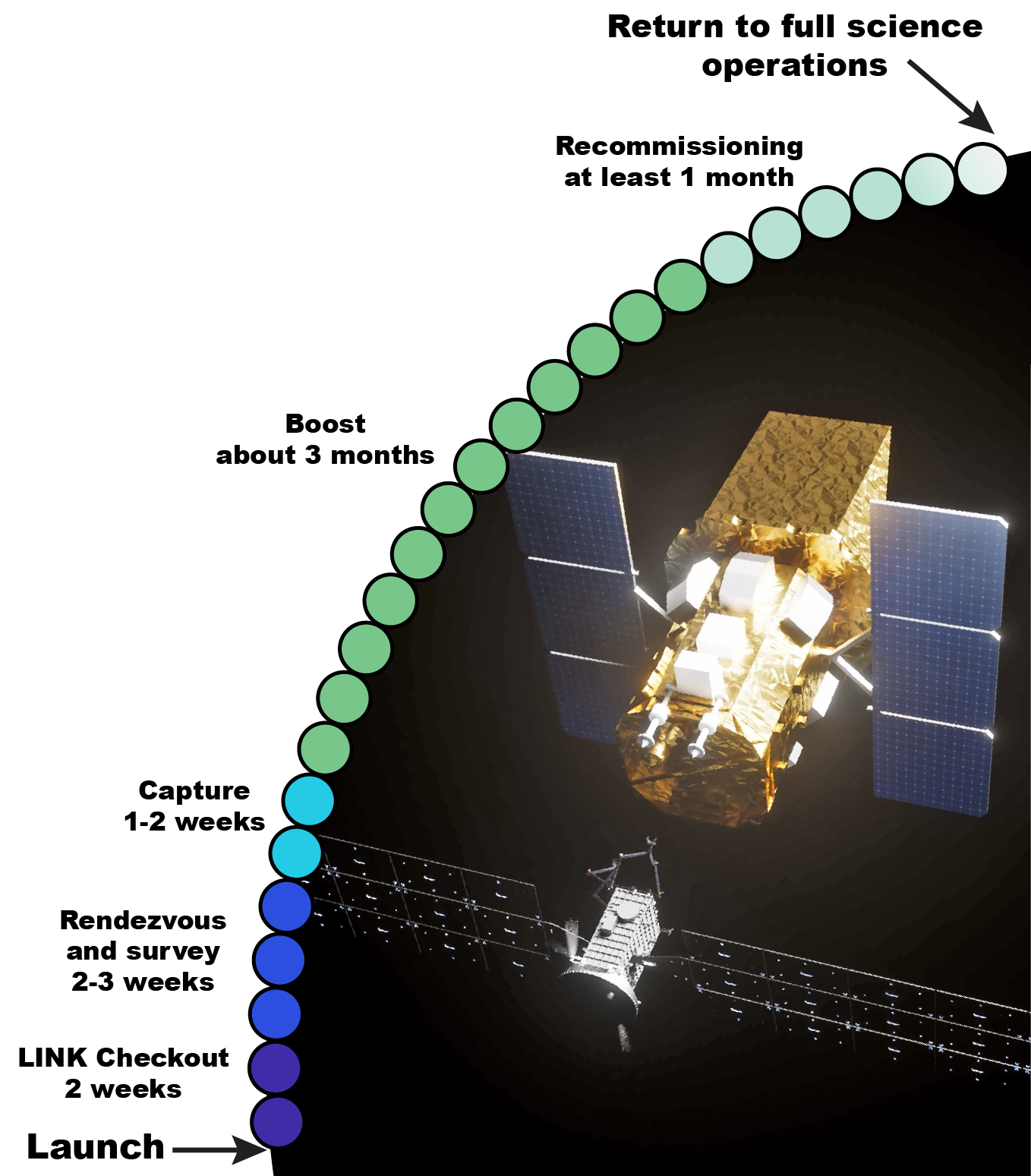
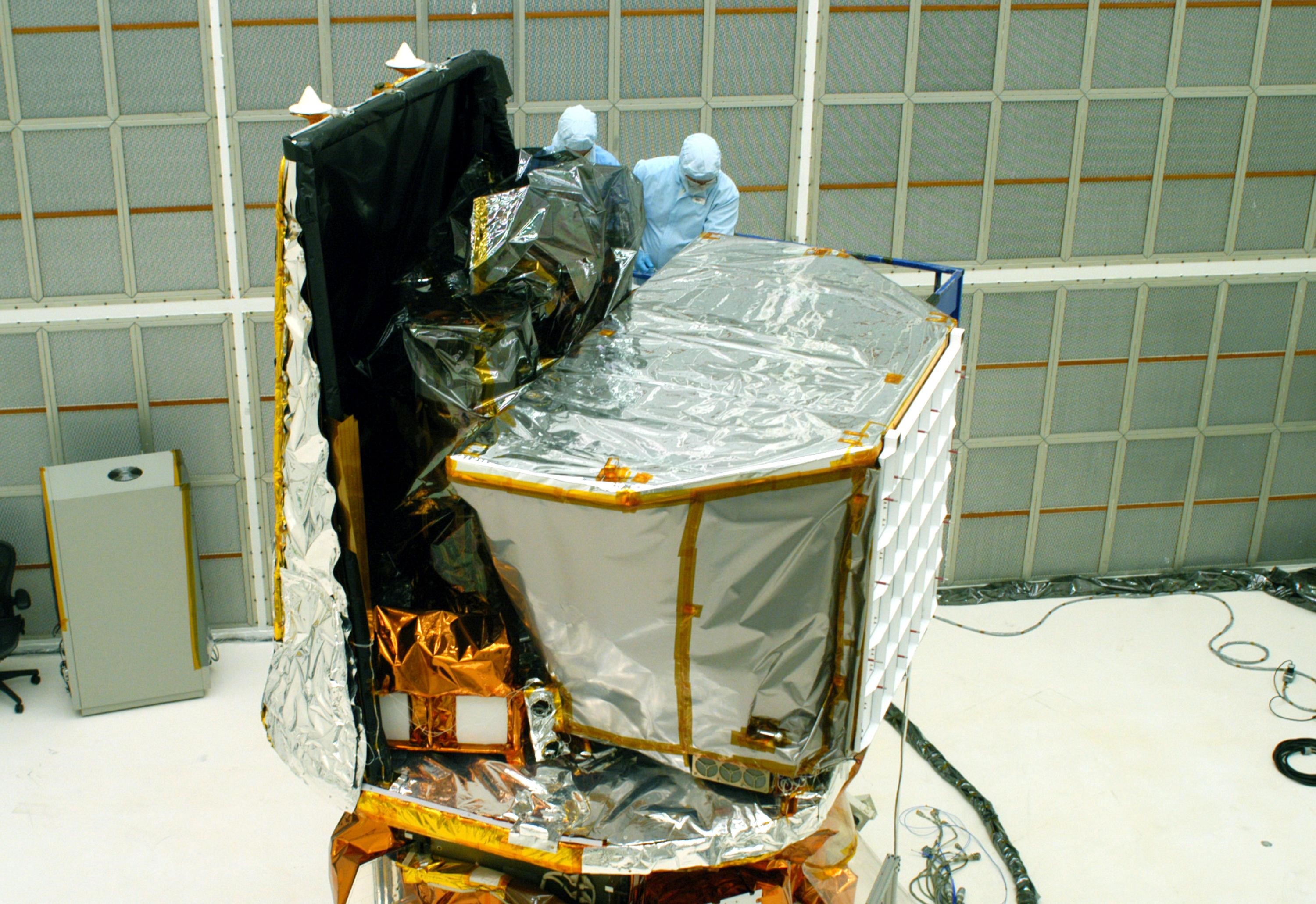
After more than two decades, the orbit of NASA’s Neil Gehrels Swift Observatory has entered a phase of rapid decay. While NASA could allow the observatory to re-enter Earth’s atmosphere, as many missions do at the ends of their lifetimes, this situation has presented an opportunity to advance American spacecraft servicing technology while also extending the life of a productive science mission. To accomplish this, NASA awarded the U.S. company Katalyst Space a contract in September 2025 to attempt to raise Swift’s orbit.
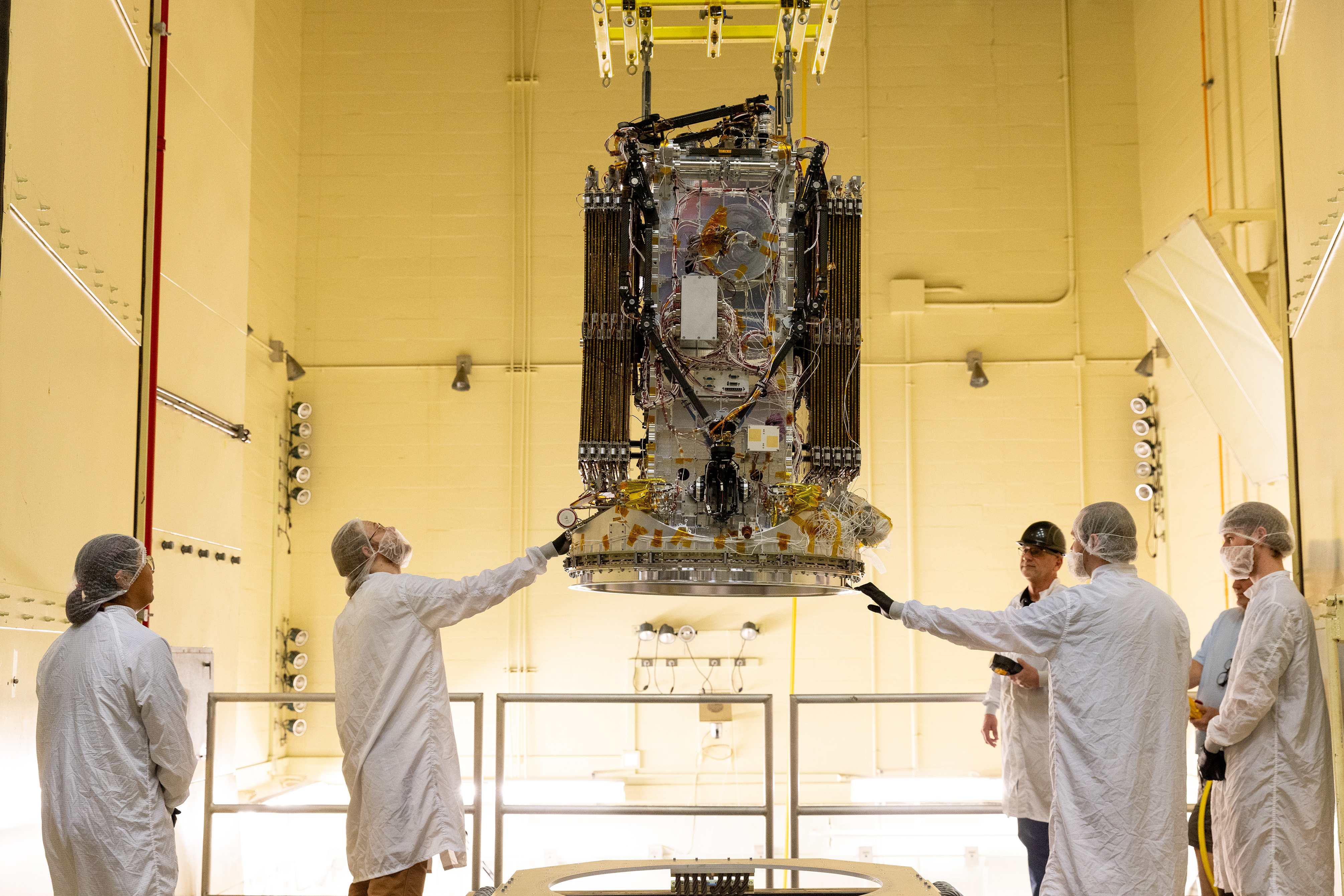
NASA studies how the Sun impacts the space environment, including objects in low Earth orbit, and recent increased solar activity has accelerated Swift’s decay. This has put NASA in a race against the clock before Swift re-enters Earth’s atmosphere in fall 2026. Katalyst’s robotic servicing spacecraft, LINK, launched on its mission to boost Swift July 3, 2026, on Northrop Grumman’s Pegasus XL rocket.
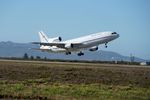
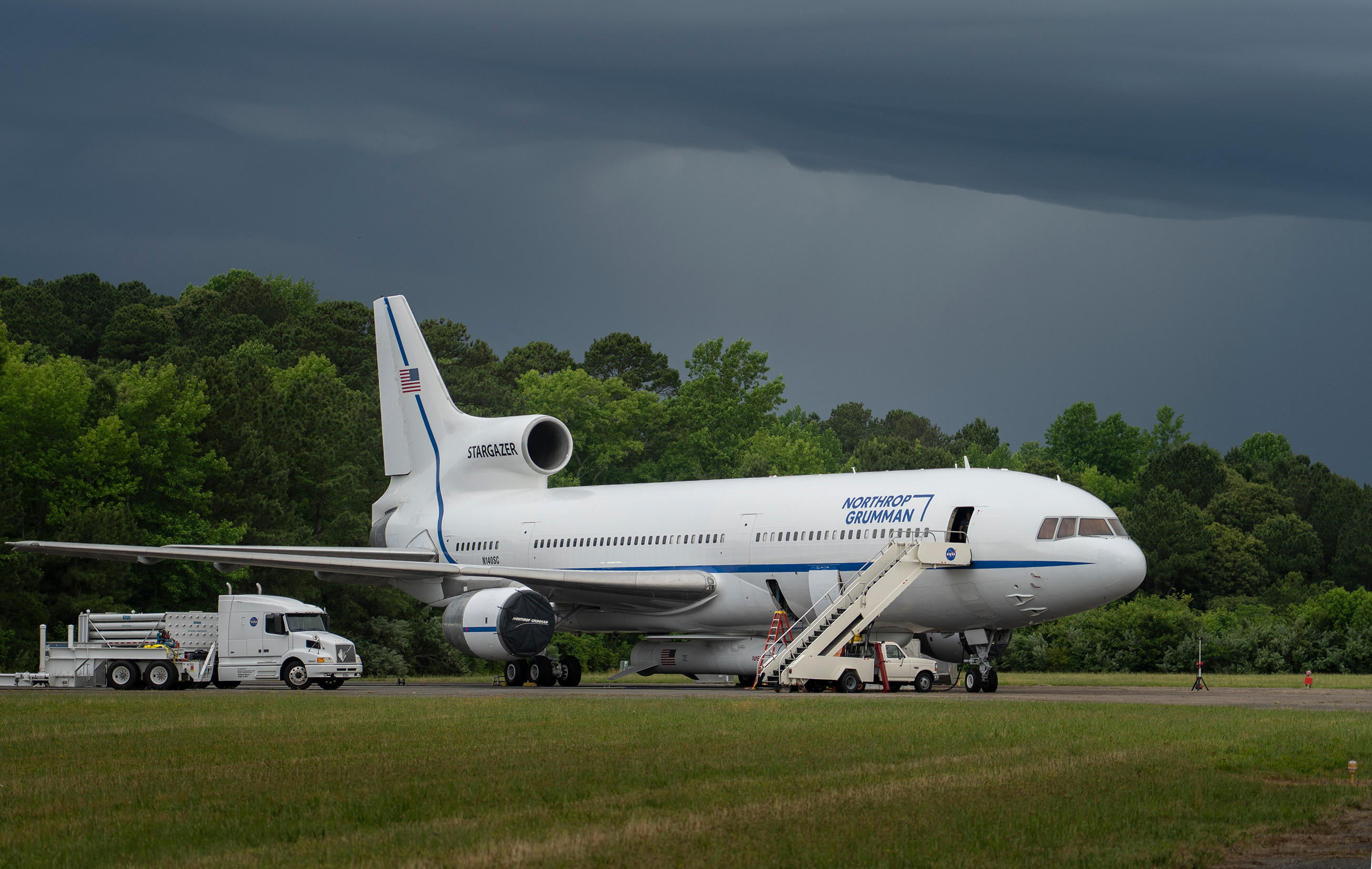
Pegasus XL is an air-launched rocket that was integrated with LINK at NASA’s Wallops Flight Facility in Virginia and then ferried underneath Northrop’s L-1011 carrier aircraft to the Reagan Test Range located on Kwajalein Atoll in the South Pacific for launch. By launching from Reagan Test Range, Pegasus was able to deliver LINK directly into Swift’s orbit, where LINK will attempt to rendezvous with Swift and raise it to a higher altitude.
If this daring servicing mission is successful, it will be the first time a commercial robotic mission has captured a NASA spacecraft that is uncrewed and not originally designed to be serviced in space.
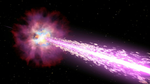
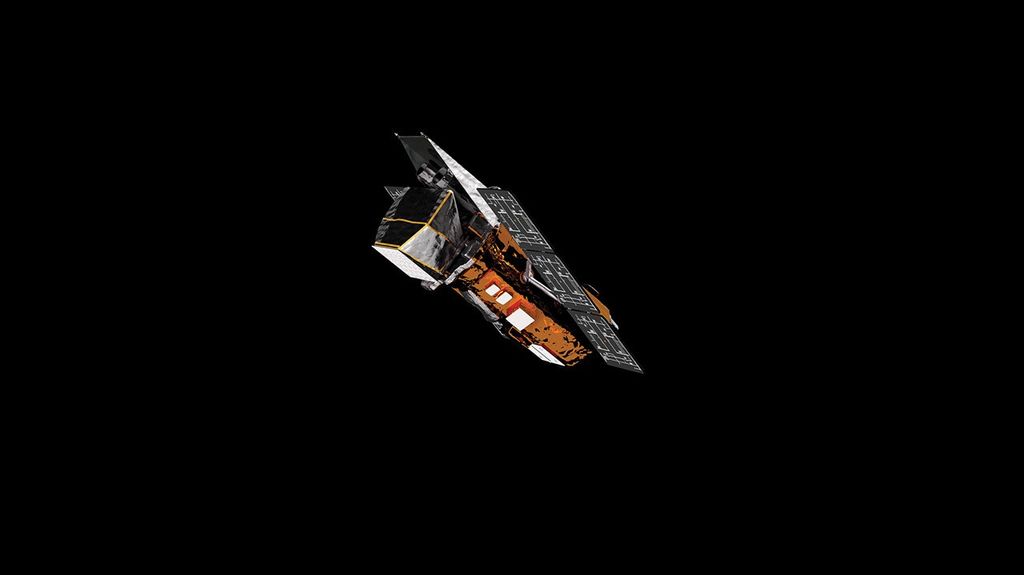
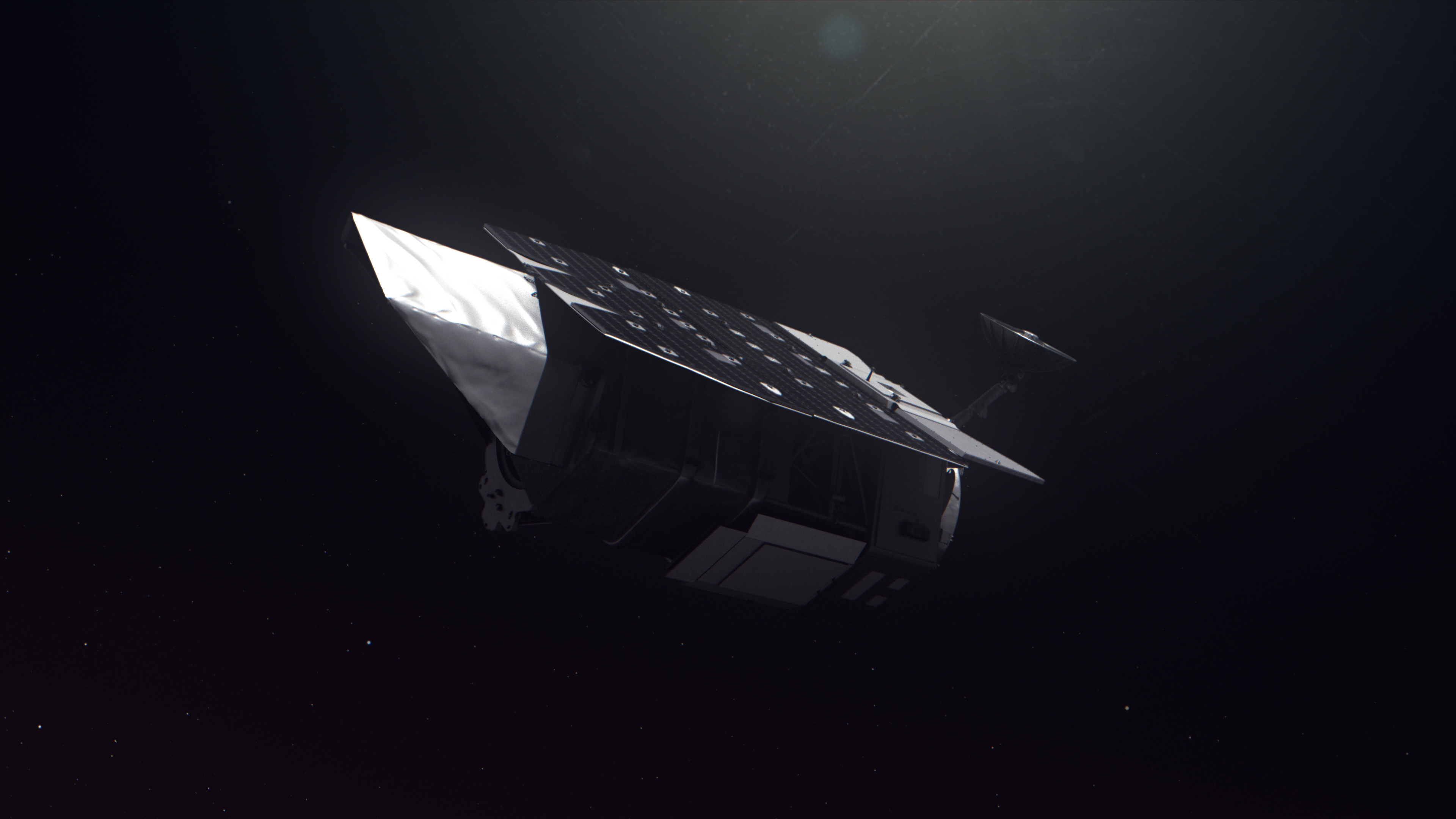
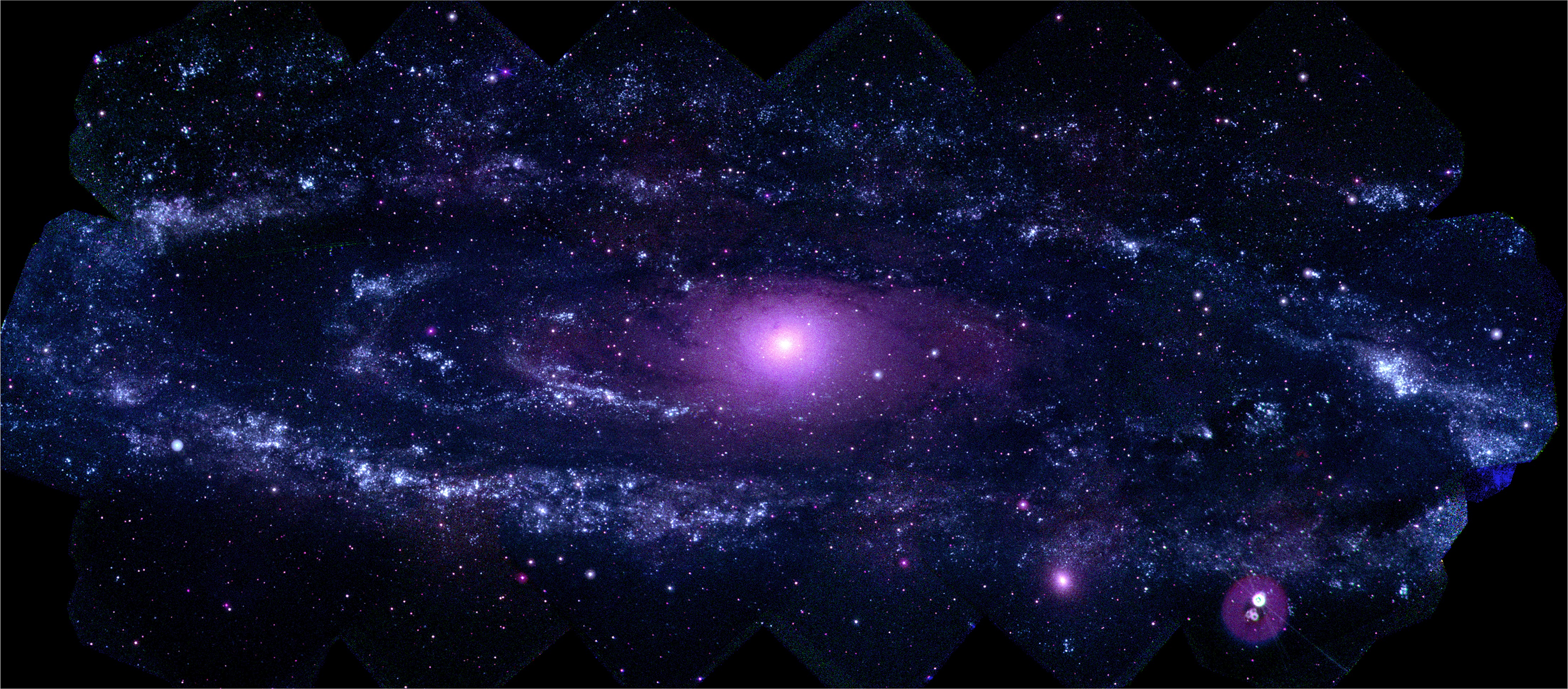
Swift studies gamma-ray bursts, the most powerful explosions in the universe, and other cosmic objects and events. In the more than two decades since its launch, Swift has become a key part of NASA’s strategy for studying fleeting and unpredictable changes in the sky from a variety of sources. With its versatility and rapid follow-up capabilities, Swift has enabled the discovery and localization of previously unknown cosmic targets. NASA then follows up these discoveries using different space telescopes, along with ground-based facilities from other agencies, to help us better understand how the universe works. By boosting Swift’s orbit, NASA will retain the observatory’s unique capabilities at a fraction of the cost of designing and building a new mission.
In anticipation of the boost, NASA temporarily suspended Swift science and modified its operations in a way that had never been done in the mission’s lifetime. This enabled controllers to keep the spacecraft in an orientation that minimizes drag effects and extends Swift’s time in orbit. To maximize the boost’s chances of success, Swift’s average altitude needs to be above about 185 miles (about 300 kilometers).
Mission Goals
-
Demonstrate NASA’s rapid-response capability and foster agile technology development to benefit current and future missions.
-
Advance U.S. private spacecraft servicing to demonstrate a key commercial capability for the future of space exploration and expand NASA’s use of servicing to a new and broader class of spacecraft.
-
Retain Swift’s unique capability to lead NASA’s fleet of space telescopes in studying changes in the high-energy universe using a cost-effective approach.
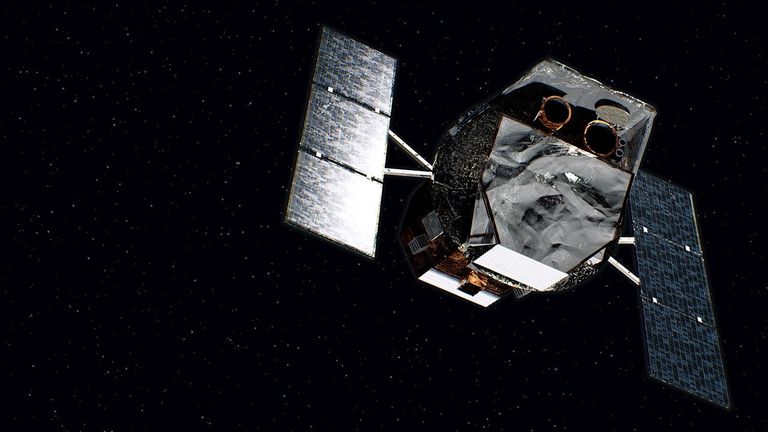
Swift boost facts
| Contractor | Katalyst Space in Flagstaff, Arizona |
| Launch vehicle | Northrop Grumman’s Pegasus XL rocket |
| Launch location | Kwajalein Atoll, Marshall Islands |
| Launch date | July 3, 2026 |
| Servicing vehicle | Katalyst’s LINK spacecraft |
| A 880 pound (400 kilogram) small satellite | |
| Uses three robotic arms to dock with Swift | |
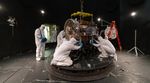
| Controlled rendezvous validated with a full-scale Swift model in a robotic testbed | |
| Precision guidance, navigation, and control |
Swift spacecraft facts
| Launch date | Nov. 20, 2004 |
| Type | Medium-class Explorer Mission |
| Instruments | Burst Alert Telescope, Ultraviolet/Optical Telescope, X-ray Telescope |
| Collaborating Agencies | Italian Space Agency (ASI); UK Space Agency |
| Collaborating Institutions | Pennsylvania State University, Mullard Space Science Laboratory, University of Leicester, Brera Observatory, ASI Data Center, Los Alamos National Laboratory |
| Mission Management | Goddard Space Flight Center, Greenbelt, Maryland |
| Program Management | NASA’s Space Science Mission Operations |
| Mission Operations | Penn State Eberly College of Science, State College, Pennsylvania |
Press contacts
Alise Fisher, public affairs, NASA Headquarters
Karen Fox, public affairs, NASA Headquarters
Sarah Bradley, media contact, Katalyst Space
Brigitte Sprague, communications lead, Northrop Grumman
Gail McCormick, communications, Penn State Eberly College of Science