

















The Timeline
-
January 2025
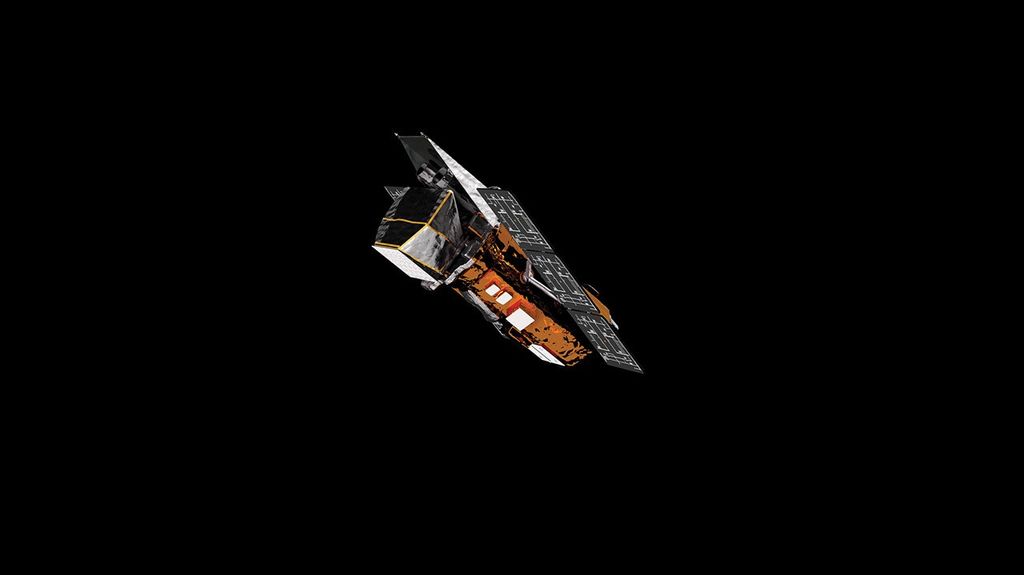
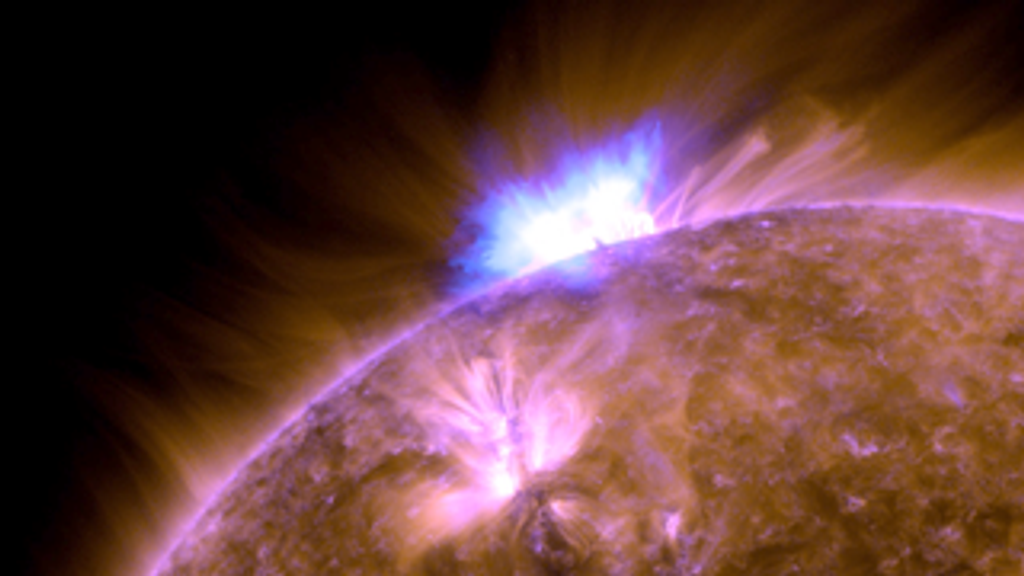
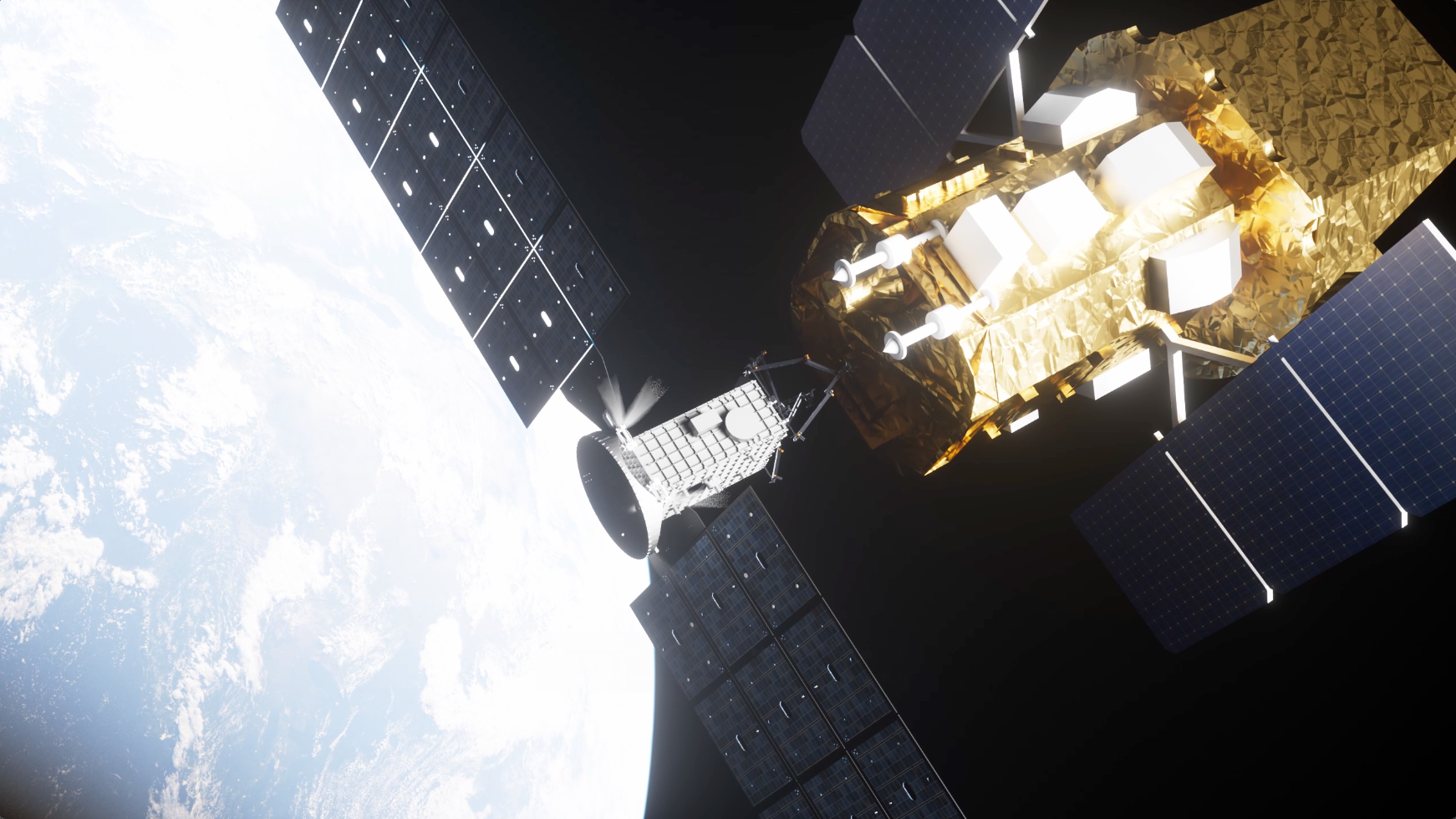
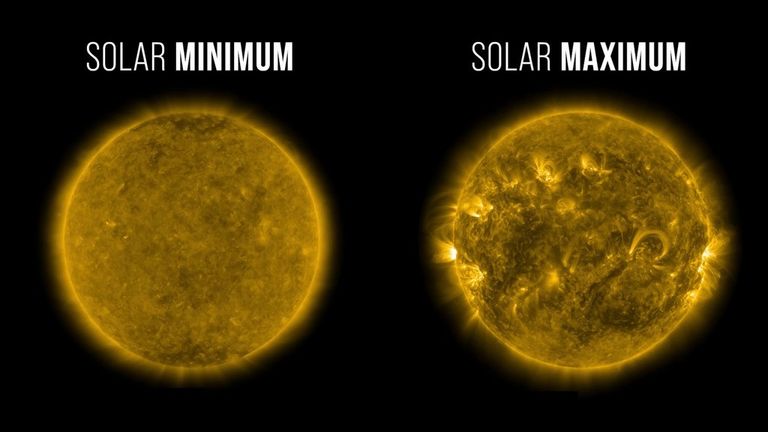
NASA analysts generate annual altitude forecasts for the agency’s fleet of spacecraft in low-Earth orbit. In November 2023, predictions for NASA’s Neil Gehrels Swift Observatory showed a split in its re-entry possibilities, with some showing re-entry in the following two years and others much later, in the 2030s. In 2024, the Sun reached its solar maximum, triggering intense space weather that was more active than expected. The activity caused Earth’s atmosphere to expand slightly and increased its drag on Swift. By January 2025, almost all the models had Swift re-entering by the summer of 2026.
-
August 2025
NASA supported concept studies from two U.S. companies to raise Swift to a higher orbit as part of its effort to drive the development of the nation’s private spacecraft servicing industry and demonstrate a key capability for the future of space exploration.
-
September 2025
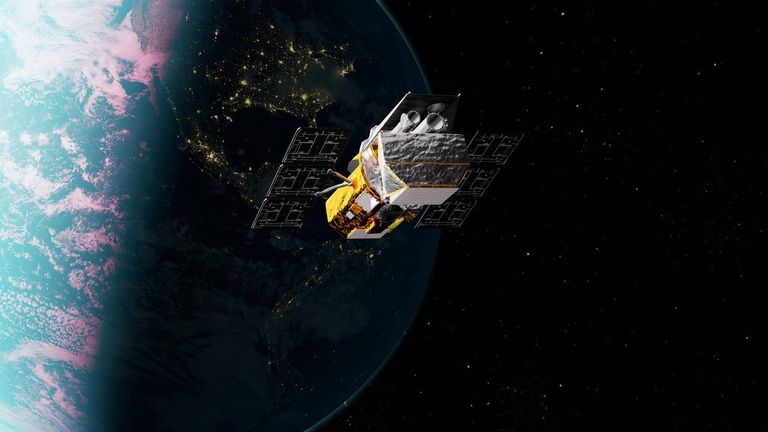
NASA awarded Katalyst Space, based in Flagstaff, Arizona, $30 million to move forward with an attempt to boost Swift. The company had less than a year to design, build, test, and launch its LINK spacecraft to meet, grab, and lift the observatory.
-
November 2025
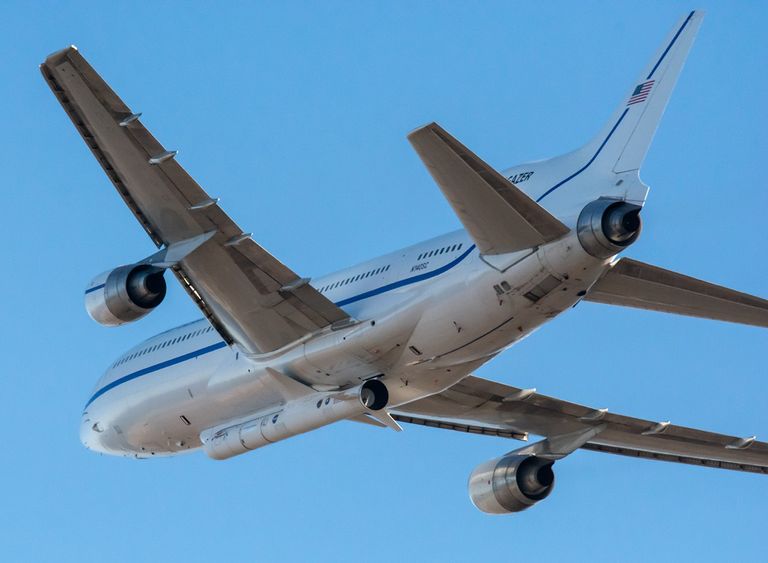
Katalyst selected Northrop Grumman’s Pegasus XL rocket to launch LINK. Northrop Grumman’s Stargazer, a modified L-1011 aircraft, can deploy the Pegasus XL almost anywhere. By launching from Kwajalein Atoll part of the Republic of the Marshall Islands in the South Pacific Ocean, Northrop Grumman can deliver LINK directly into Swift’s low-inclination orbit close to the equator.
-
December 2025
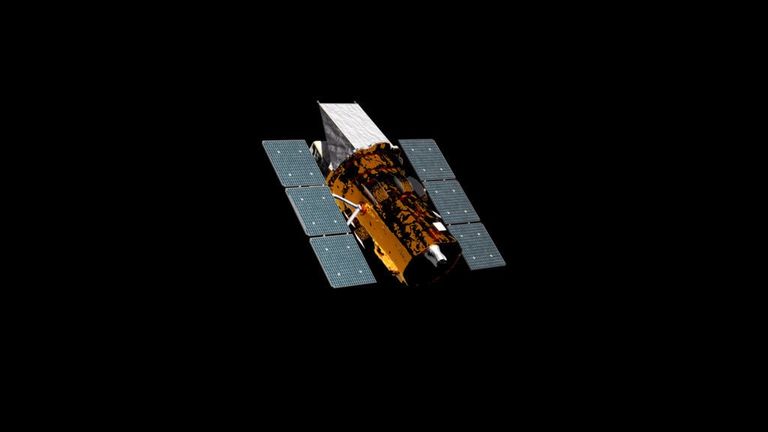
Normally, Swift points to different areas of the sky to observe science targets with its Ultraviolet/Optical and X-ray telescopes. In December 2025, Swift’s operations team at Pennsylvania State University’s Eberly College of Science in University Park began altering the spacecraft’s science strategy to reduce drag and extend Swift’s time above the 185-mile (300-kilometer) mark for as long as possible. Below this point, a boost attempt becomes more difficult. The team replaced around 25% of science targets with spots on the sky that caused Swift to be pointed in the most streamlined position possible.
-
February 2026
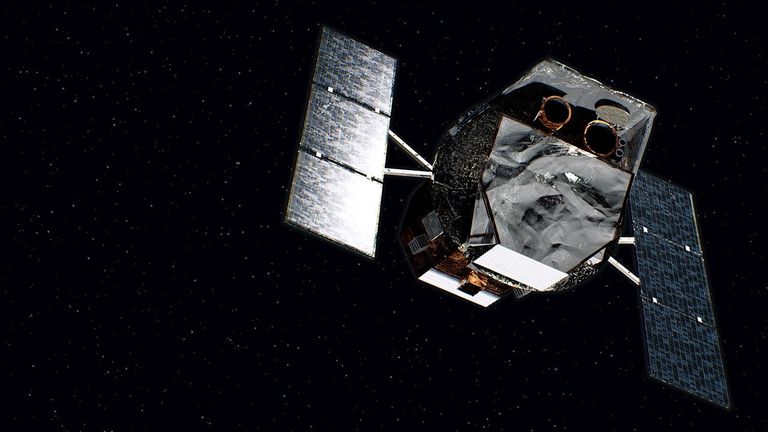
The December operational changes helped slow Swift’s descent. The team switched entirely to selecting pointing positions that minimized drag. This meant observations with the Ultraviolet/Optical and X-ray telescopes stopped.
-
April 2026
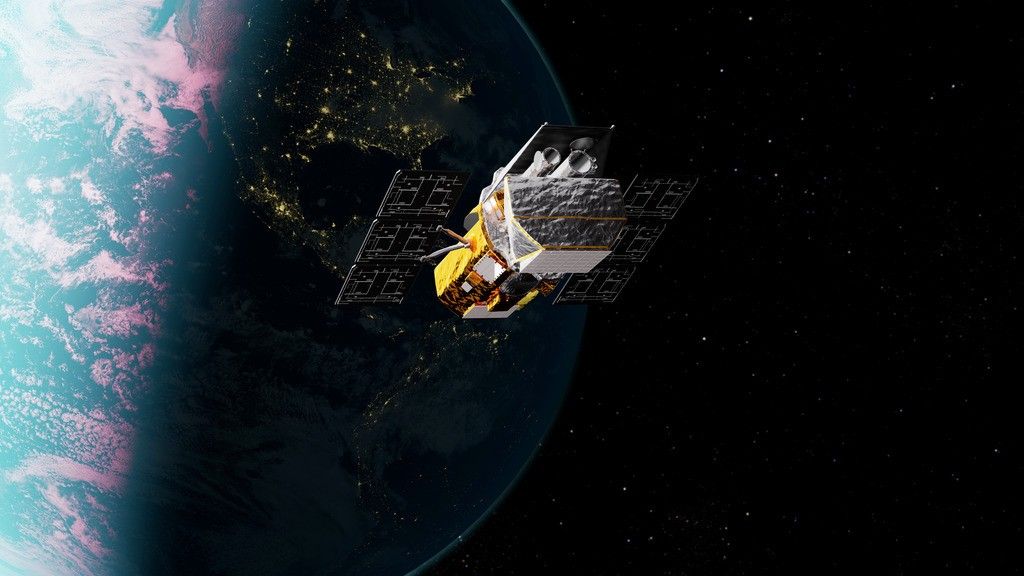
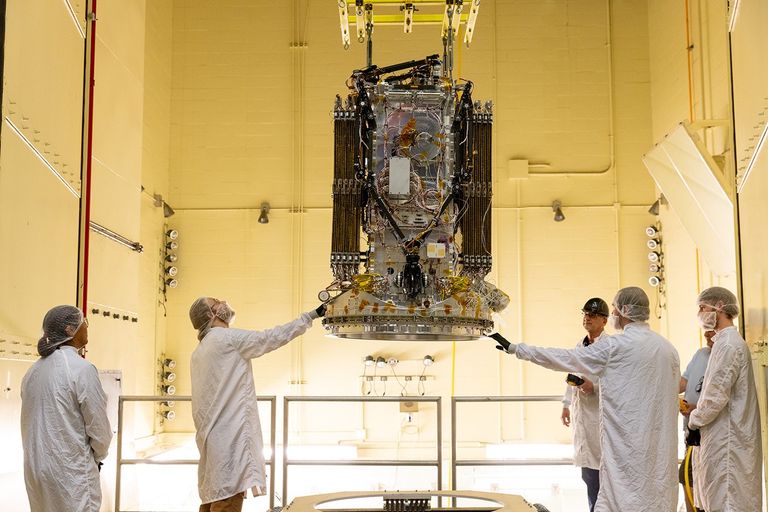
Katalyst finished LINK’s integration at its Broomfield, Colorado, facility. The spacecraft is about 6 feet (1.8 meters) tall, weighs around 880 pounds (400 kilograms), and has three robotic arms and three xenon-fueled thrusters. Each of its two solar arrays span around 20 feet (6 meters).
-
April 2026
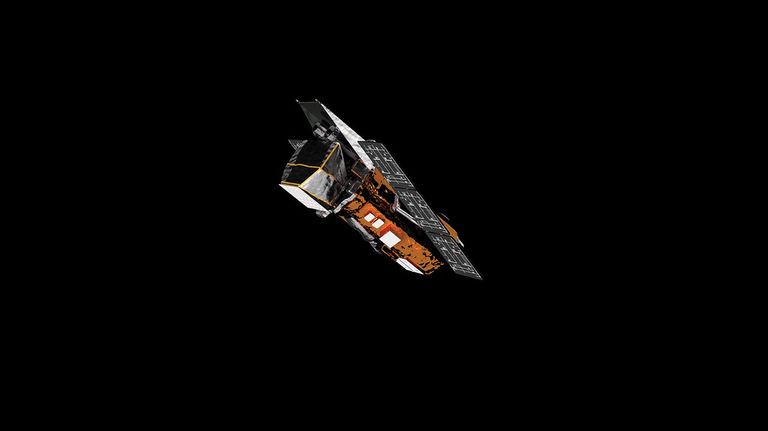
The Swift team paused observations with the spacecraft’s Burst Alert Telescope. The change reduced the amount of power Swift had been using, allowing the operations team to point the solar panels to the optimal position to further reduce drag. Prior operational changes had already extended Swift’s time above the 185-mile mark until the fall of 2026.
-
May 2026
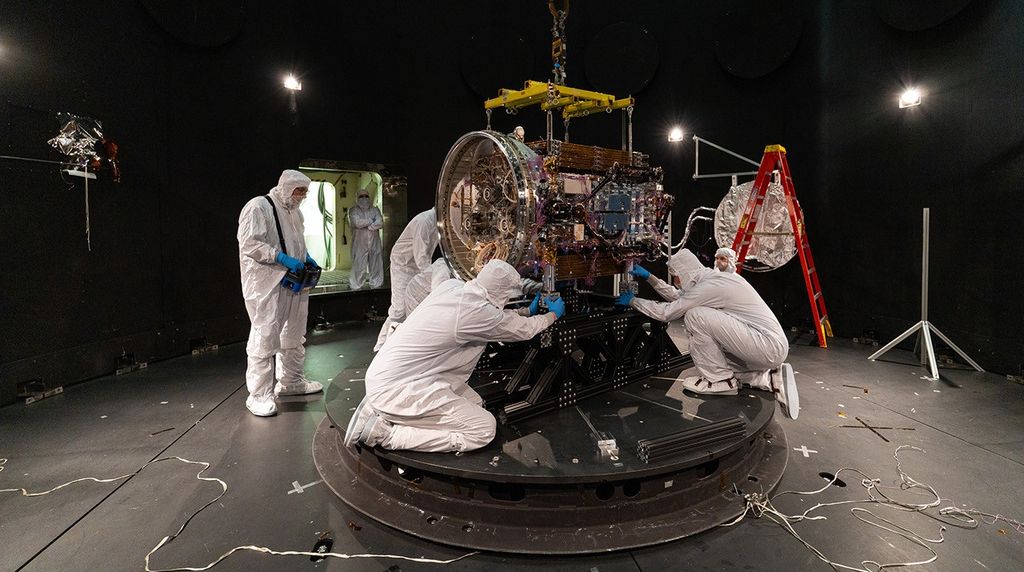
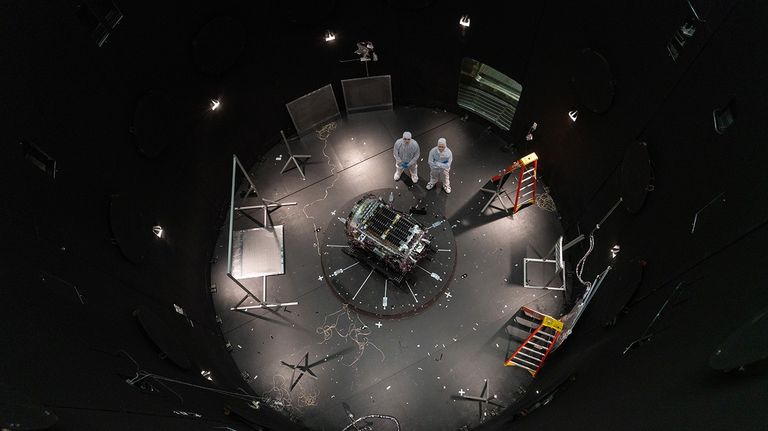
Katalyst completed vibration and thermal vacuum testing at NASA’s Goddard Space Flight Center in Greenbelt, Maryland. These assessments replicate some of the conditions LINK will experience during launch and in orbit. LINK used the Space Environment Simulator chamber, which Swift also used over 20 years ago.
-
June 5, 2026
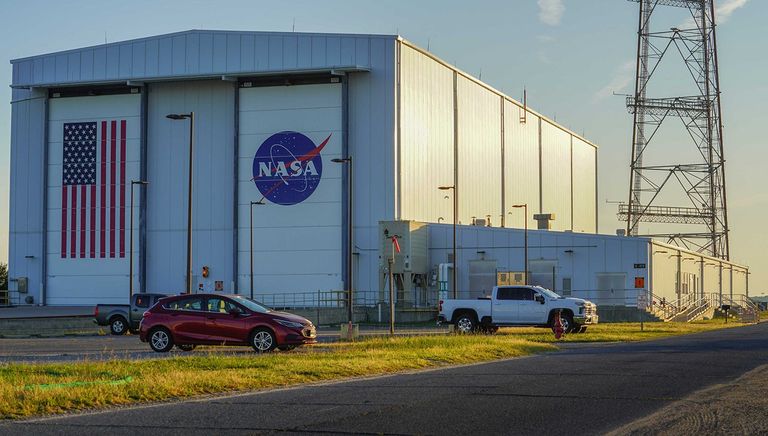
The Katalyst team arrived with LINK at NASA’s Wallops Flight Facility in Virginia.
-
June 9, 2026
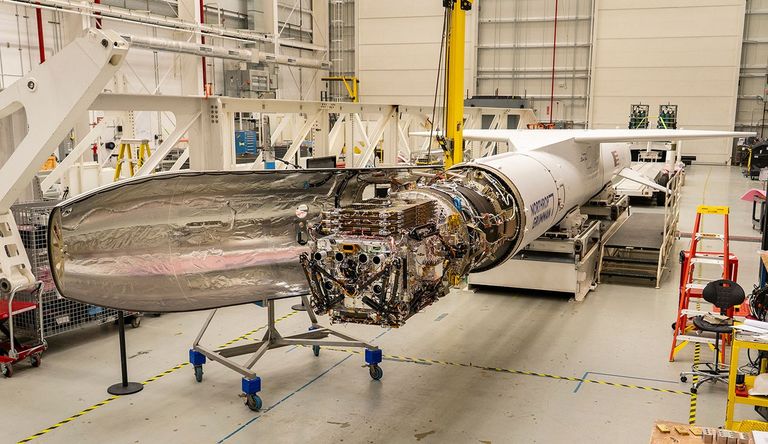
Northrop Grumman engineers completed installation of LINK into the Pegasus XL and closed the rocket's fairing.
-
June 12, 2026
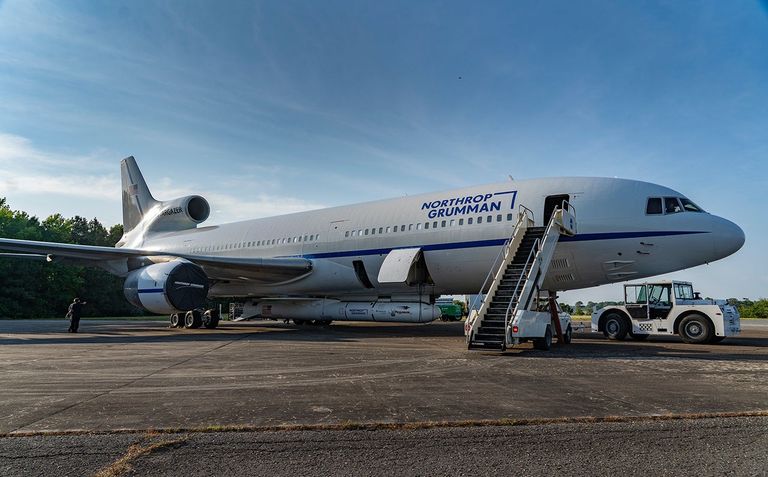
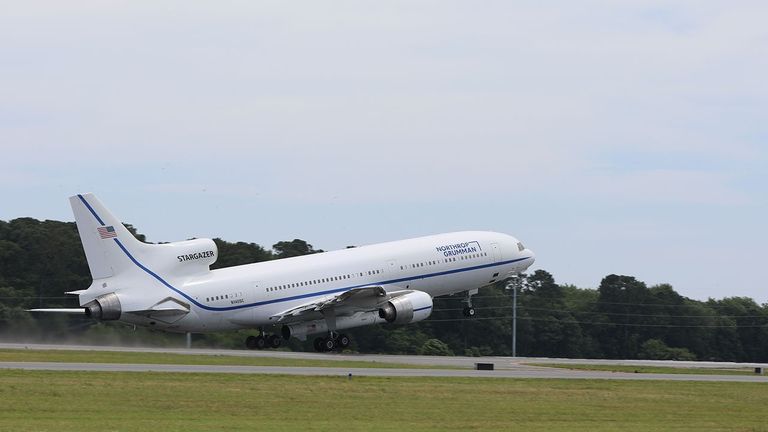
The Northrop Grumman engineers attached the Pegasus XL to the company’s Stargazer, a modified L-1011 aircraft.
-
-
June 25, 2026
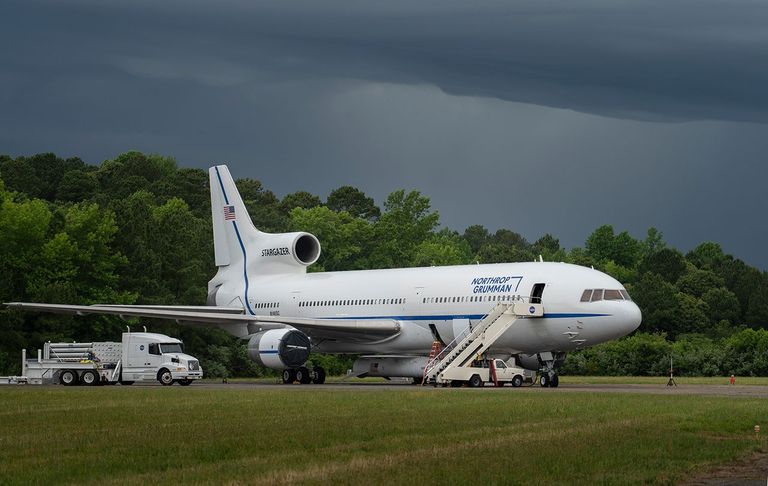
Stargazer arrived in Kwajalein Atoll, part of the Republic of the Marshall Islands in the South Pacific Ocean.
-
July 3, 2026
LINK launched into orbit on the Pegasus XL rocket, which was deployed by Stargazer at an altitude of about 40,000 feet.

-
Upcoming ...
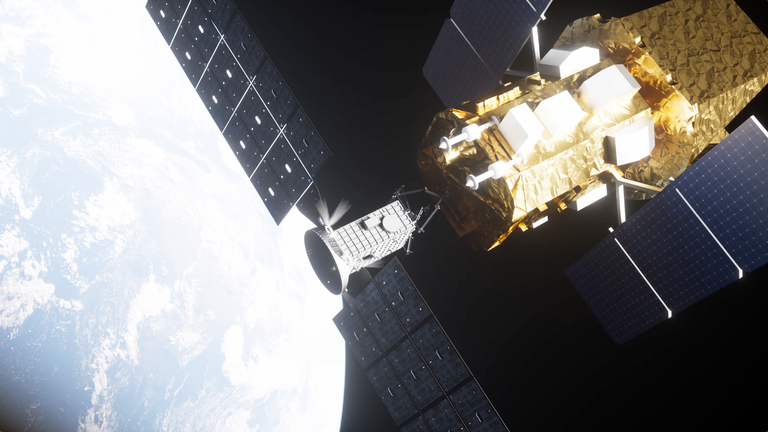
After launch, the Katalyst team will assess LINK’s major systems, including power, navigation, and sensor arrays before it approaches Swift. Engineers will spend several weeks surveying the observatory to assess potential grab points. When LINK has secured Swift, it will fire its own ion thrusters to slowly raise the observatory’s orbit over the course of several months.
 Katalyst Space