

























Wind Stories
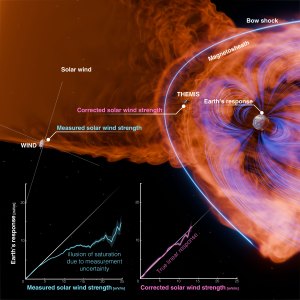
For decades, scientists have thought that there is a ceiling to how intensely Earth responds to solar storms. However, a NASA-led paper published Wednesday in Nature suggests this upper limit is an illusion. If so, it means solar storms could…
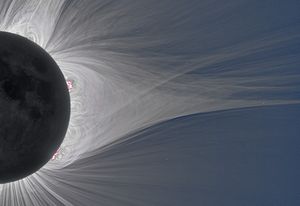
When NASA scientists first observed a particular radio burst from the Sun in August 2025, there was nothing unusual about it. But then the radio burst kept going. Typically, solar radio bursts like these last a few hours to days.…
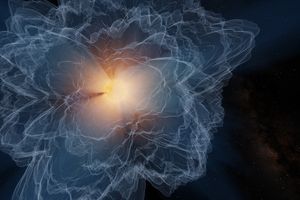
With the help of NASA’s Parker Solar Probe, astronomers have made the first continuous, two-dimensional maps of the outer edge of the Sun’s atmosphere. At this boundary, which scientists call the Alfvén surface, solar material escapes from the Sun to become the solar wind, a…

Editor’s note, Dec. 11, 2025: This story was updated to include an additional partner’s research and related release. Astronomers have been poring over a flood of data from NASA satellites and other facilities as they try to work out what…

With NASA’s fleet of heliophysics spacecraft, scientists monitor our Sun and investigate its influences throughout the solar system. However, the fleet’s constant watch and often-unique perspectives sometimes create opportunities to make discoveries that no one expected, helping us to solve…
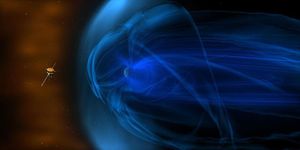
Picture it: 1994. The first World Wide Web conference took place in Geneva, the first Chunnel train traveled under the English Channel, and just three years after the end of the Cold War, the first Russian instrument on a U.S.…
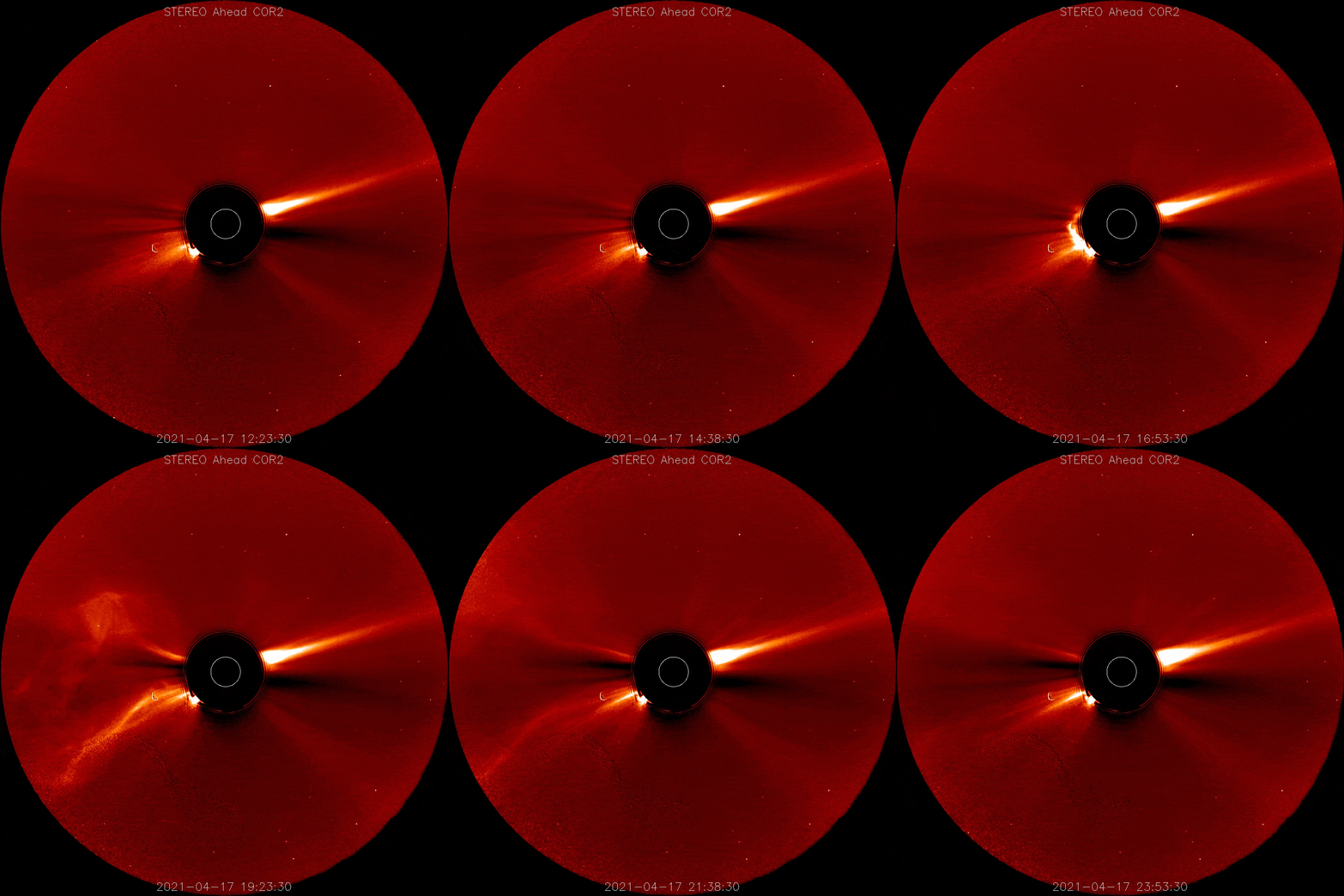
April 17, 2021, was a day like any other day on the Sun, until a brilliant flash erupted and an enormous cloud of solar material billowed away from our star. Such outbursts from the Sun are not unusual, but this…
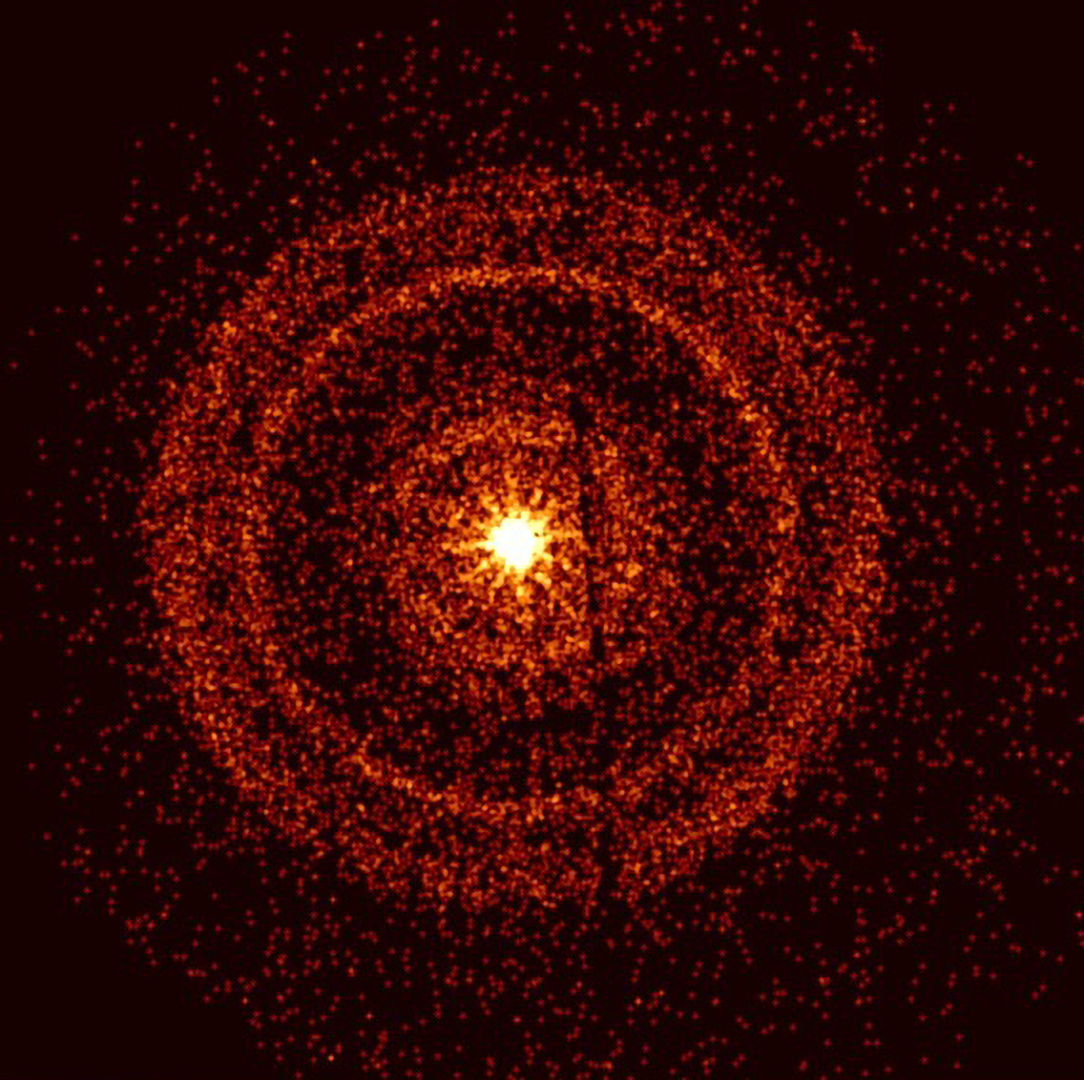
Astronomers around the world are captivated by an unusually bright and long-lasting pulse of high-energy radiation that swept over Earth Sunday, Oct. 9. The emission came from a gamma-ray burst (GRB) – the most powerful class of explosions in the…
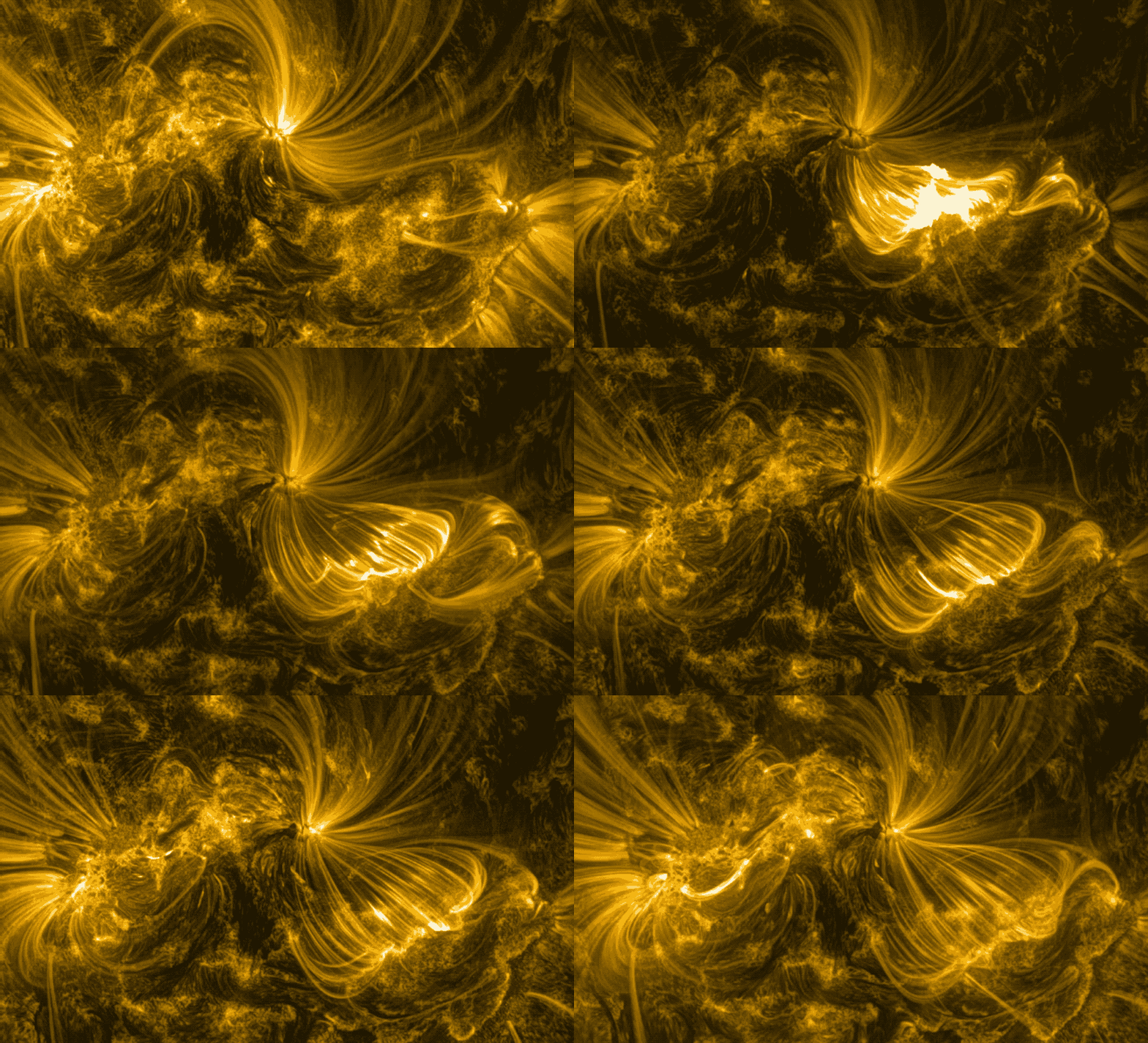
Zipping through space at close to the speed of light, Solar Energetic Particles, or SEPs, are one of the main challenges for the future of human spaceflight. Clouds of these tiny solar projectiles can make it to Earth – a…
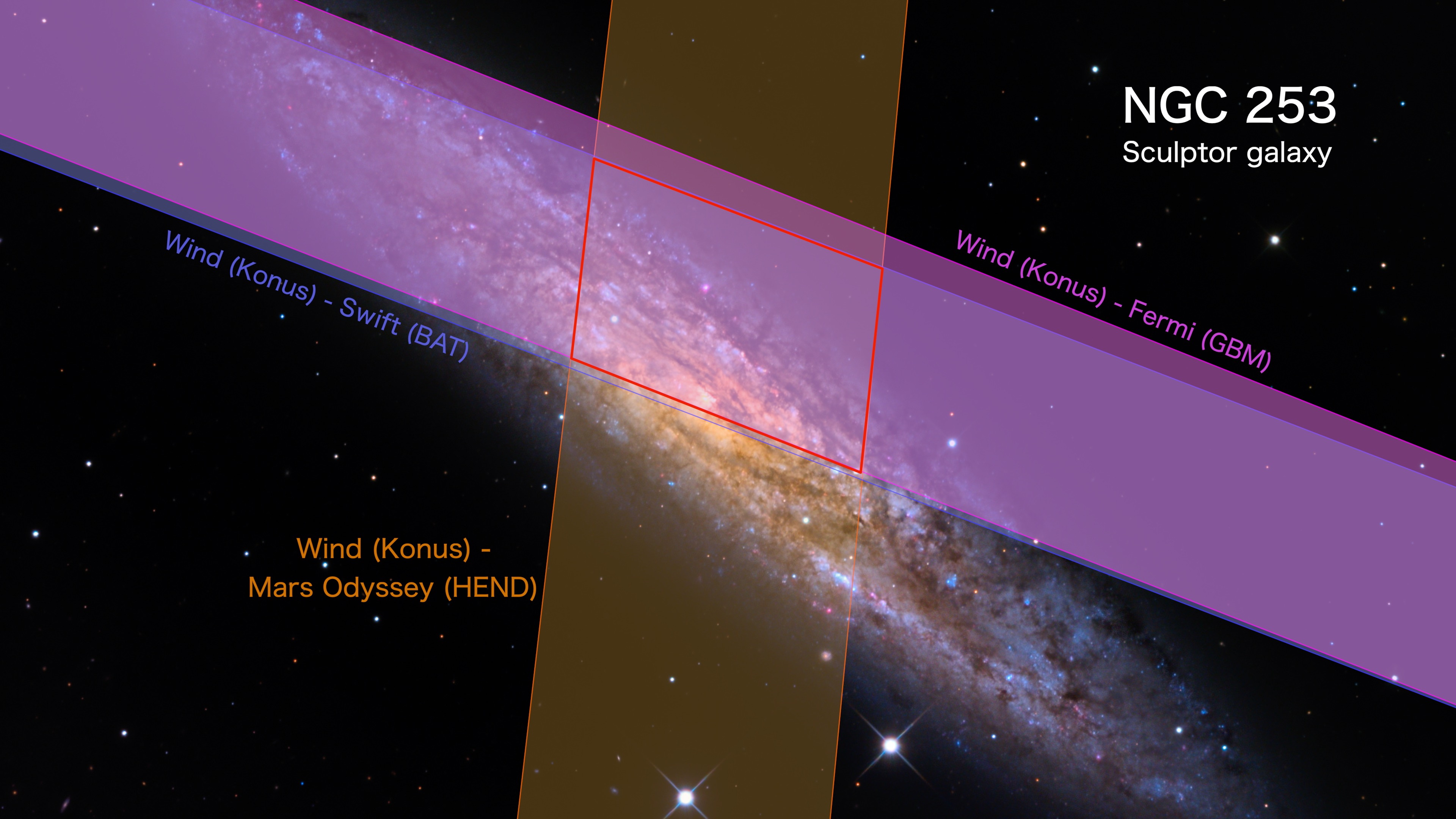
On April 15, 2020, a brief burst of high-energy light swept through the solar system, triggering instruments on several NASA and European spacecraft. Now, multiple international science teams conclude that the blast came from a supermagnetized stellar remnant known as…