












Amendment 43: New Opportunity: Science Transport and Robotic Innovation for Deployment and Exploration
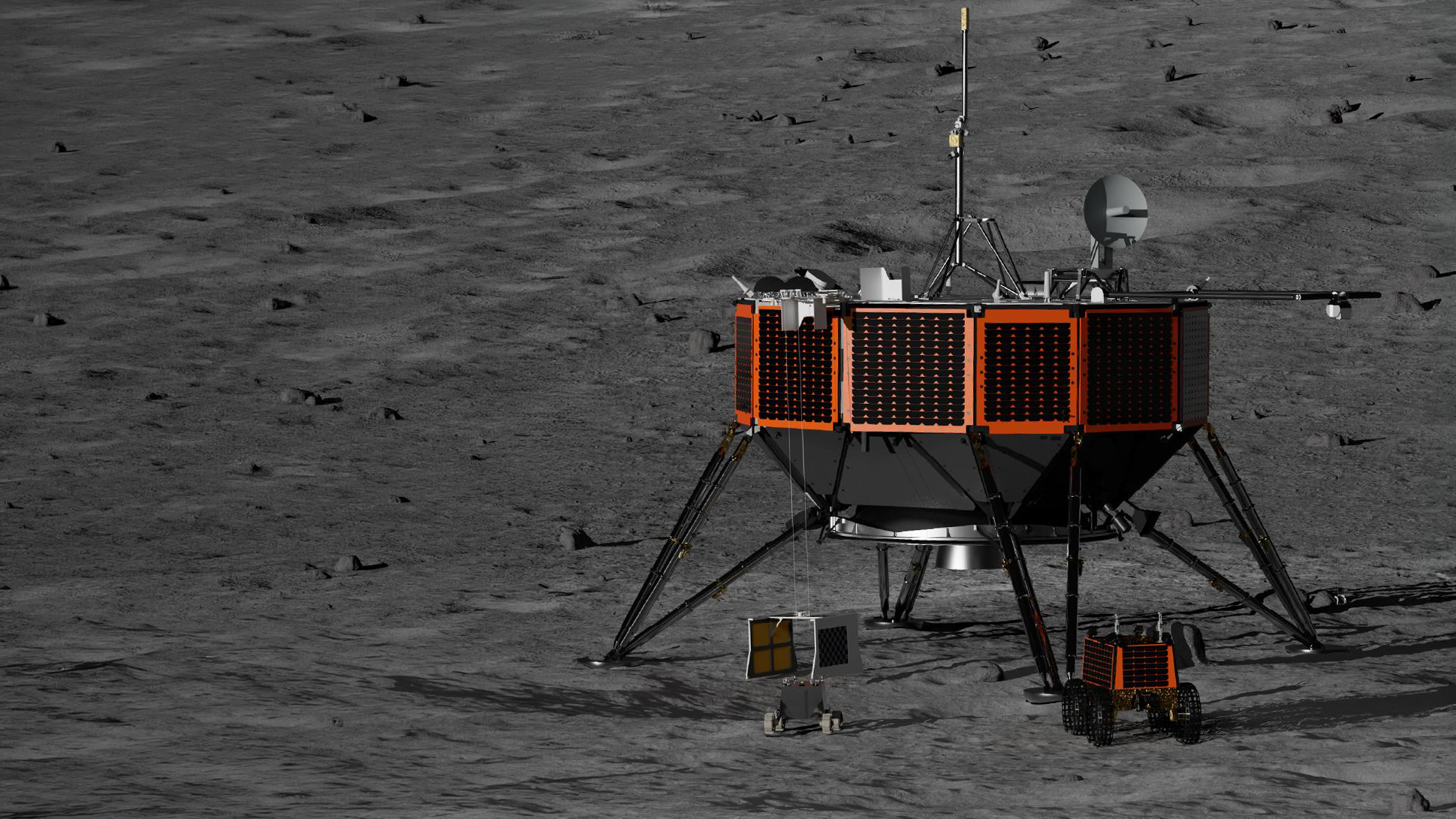
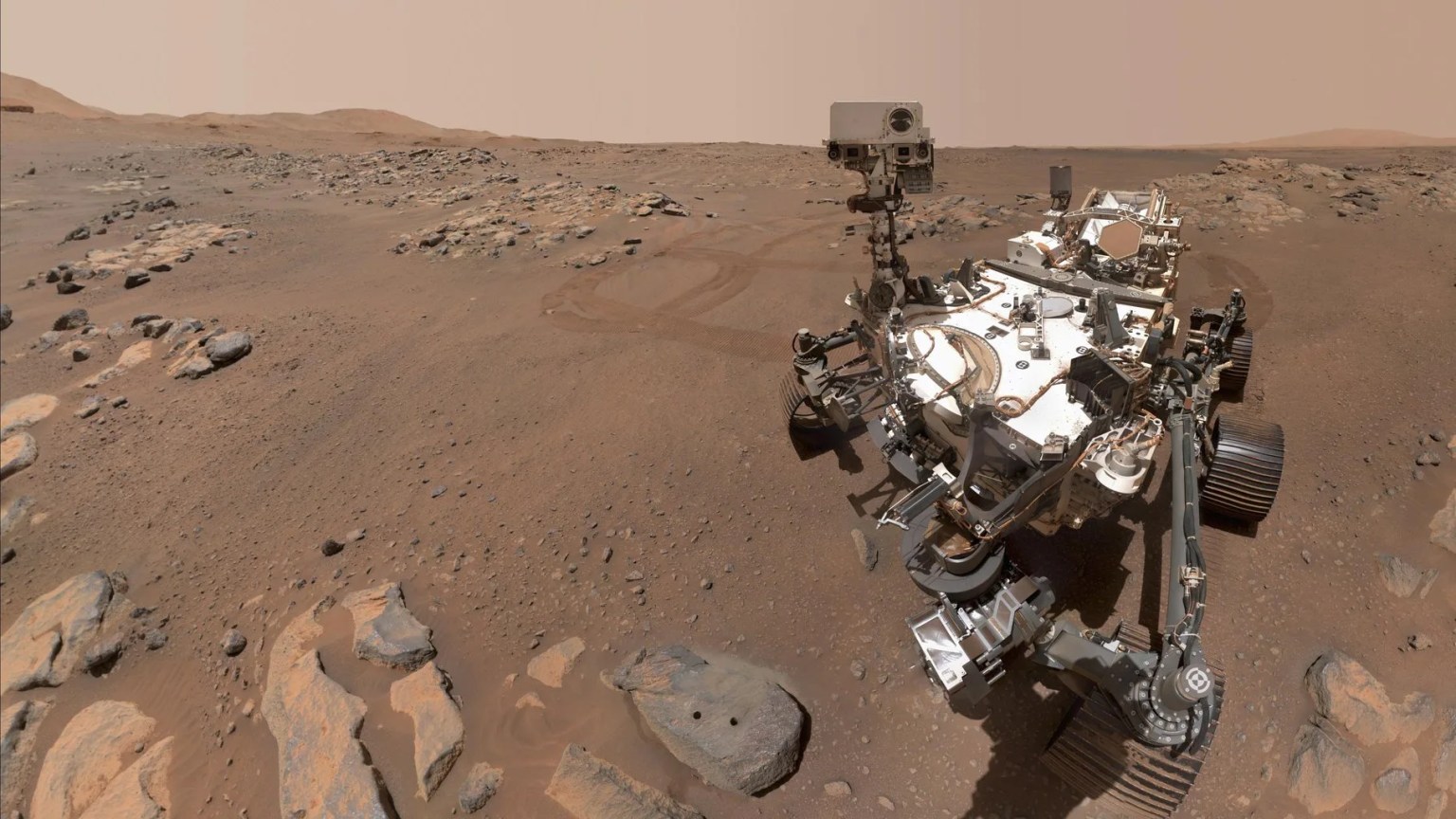
C.13 Science Transport and Robotic Innovation for Deployment and Exploration (STRIDE) solicits proposals from U.S. industry to conduct design studies of advanced robotic surface and aerial mobility systems with payload transportation and deployment capability for Mars surface operations, and, where applicable, early-stage prototyping of hardware for the same purpose.
These studies will inform the future development of procurable robotic mobility systems that are Mars-environment capable and able to traverse challenging Mars terrain to deliver science payloads across the Martian surface.
This opportunity seeks participation from a broad range of providers--from established space hardware developers to terrestrial robotics companies with potential to enter the space sector--to explore mobility solutions that are both scalable and adaptable to diverse mission scenarios. The goal of the program element is to identify the level of development needed for commercial robotic mobility systems developed for terrestrial and lunar use that could then operate and traverse realistic Martian environments while enabling cost-effective transportation and/or deployment of science payloads. In addition, the program aims to identify key capability gaps and to help advance the broader landscape of robotic exploration at Mars. Proposals are encouraged to articulate how their proposed platform could enhance overall science return.
The following reference documents will be posted on the NSPIRES page for this program element under "Other documents":
- The Proposal Information Package (PIP)
- The Executive Summary template
- Required Final Study Report Inputs
- Model Contract
- FAQ (following the receipt of suitable questions)
- Pre-Proposal Slides
The required deliverables for completion of the proposed study are given in Section 4 and if selected, the final study report must address all the items identified in the “Required Final Report Inputs” document.
To be eligible, the primary proposing organization must be a “for-profit U.S. organization” of any size that may result in the award of firm-fixed-price contracts, subject to the availability of funds, programmatic priorities, and the merit of submitted proposals. Proposals in response to this program element are limited to those submitted by for-profit U.S. organizations, although partnership with and/or subcontracts to other types of organizations (e.g., academia, non-profits, or University Affiliated Research Center) are permitted. NASA anticipates selecting multiple awards but reserves the right to make no awards.
ROSES-2025 Amendment 43 releases C.13 STRIDE as a new opportunity in ROSES-25. An optional, informational pre-proposal virtual conference will occur February 4, 2026, at 3 pm; connection information (pdf) has been posted under “Other documents” on the NSPIRES page for this program element. Neither Notices of Intent nor Step-1 proposals are requested for this program. Proposals are due March 31, 2026.
On or about January 30, 2026, this Amendment to the NASA Research Announcement "Research Opportunities in Space and Earth Sciences (ROSES) 2025" (NNH25ZDA001N) will be posted on the NASA research opportunity homepage at https://solicitation.nasaprs.com/ROSES2025
The primary points of contact (POC) for C.13 STRIDE are Erica Montbach and Lane Painter, who may be reached via HQ-STRIDE@mail.nasa.gov. The secondary POC is Shana Faris (Contract Specialist) who may be reached at shana.n.faris@nasa.gov.