


















Science Divisions
Filters


Lee esta historia en español aquí. NASA-supported scientists have discovered an organism that lives at extreme temperatures previously thought impossible…
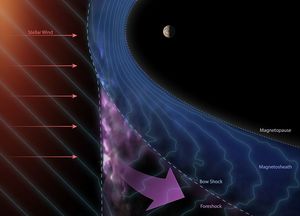
Heliophysics Research Strategy: Bold Science in Action NASA’s heliophysics strategic objective is to understand the Sun and its interactions with…

Nexus Compute provides cutting-edge supercomputing capabilities to power Earth system modeling innovation and accelerate scientific discovery.
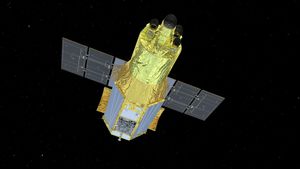
Using data from the Japan-led XRISM (X-ray Imaging and Spectroscopy Mission) observatory, astronomers have directly observed a giant star’s outflow,…

First Landing Site Workshop for the SkyFall Mission February 9-10, 2027, Virtual The First Landing Site Workshop (LSW) for the…

High above Earth, thin veils of metallic haze drift through the edge of space. Known as sporadic E layers, these…
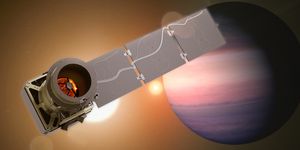
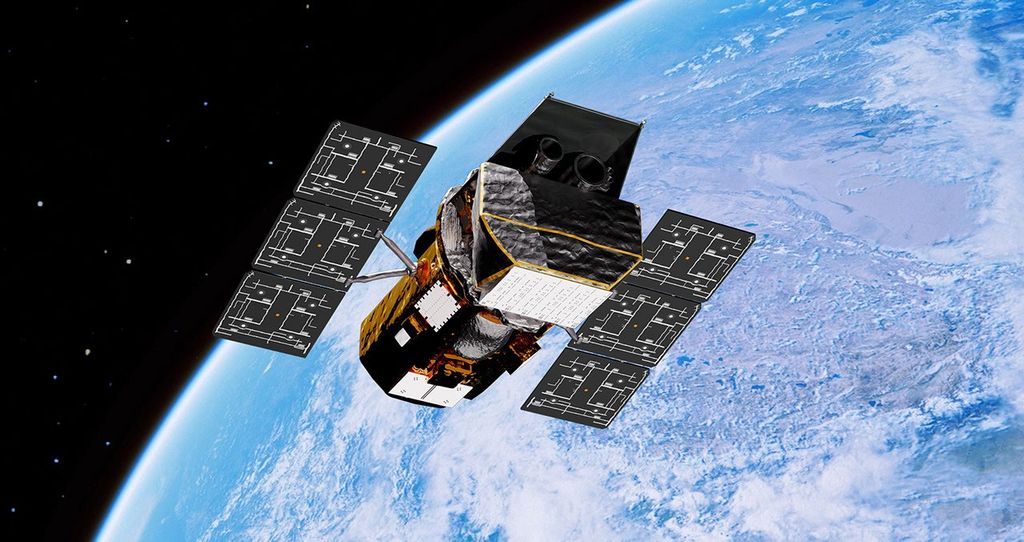
Pandora, NASA’s newest exoplanet mission and the first satellite to launch through the agency’s Astrophysics Pioneers program, is now making…

Fully autonomous space mission operations require the ability to detect faults and compensate for them without human intervention. To address…