
















Heliophysics Science Objectives
Heliophysics Research Strategy: Bold Science in Action
NASA’s heliophysics strategic objective is to understand the Sun and its interactions with Earth and the solar system, including space weather. This means that we are pursuing a strategic portfolio of fundamental research and applied sciences through research solicitations. The fundamental research nurtures our innate curiosity about the Sun and fuels the applications that bring direct and tangible benefits to society. Our overarching heliophysics science objectives are to:
- Master the Heliosphere: Solve the fundamental mysteries of our Sun and its domain.
- Shield the Homefront: Build the predictive foundation for Earth’s space weather resilience.
- Secure the Journey: Safeguard human exploration from the Moon to Mars and beyond.
- Fuel the Space Economy: Power a sustainable, secure, and data-driven orbital future.


CRITICAL PATH
Science Objectives
These objectives define the specific, high-priority problems that carry Heliophysics into the next decade.
These objectives represent the intersection of physical discovery and strategic necessity. Each is a fundamental scientific challenge bounded by a critical operational requirement. They also map directly to the strategic mission concepts identified in the Decadal Survey.

Heliophysics Critical Path Science Objectives (click to expand)
- Science Objective: Characterize the multiscale physical processes driving thermospheric variability and ion-neutral coupling.
- Strategic Boundary: Quantify these drivers at the resolution and accuracy required to transform orbital decay prediction into a precision infrastructure for the LEO economy.
- Focus: Bridging the gap between global-scale dynamics and local-scale density fluctuations that impact satellite drag and mission safety.
- Impact: Low Earth Orbit (LEO) is now a space-driven economic engine. Increased atmospheric density during solar events is a direct threat to robotic and crewed assets. Quantifying this variability is essential for precise orbital decay prediction and collision avoidance.
- Mission Alignment: Directly addresses the science objectives of the GDC and DYNAMIC mission architectures.
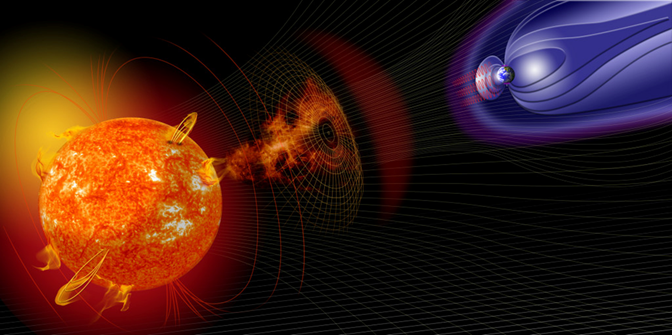
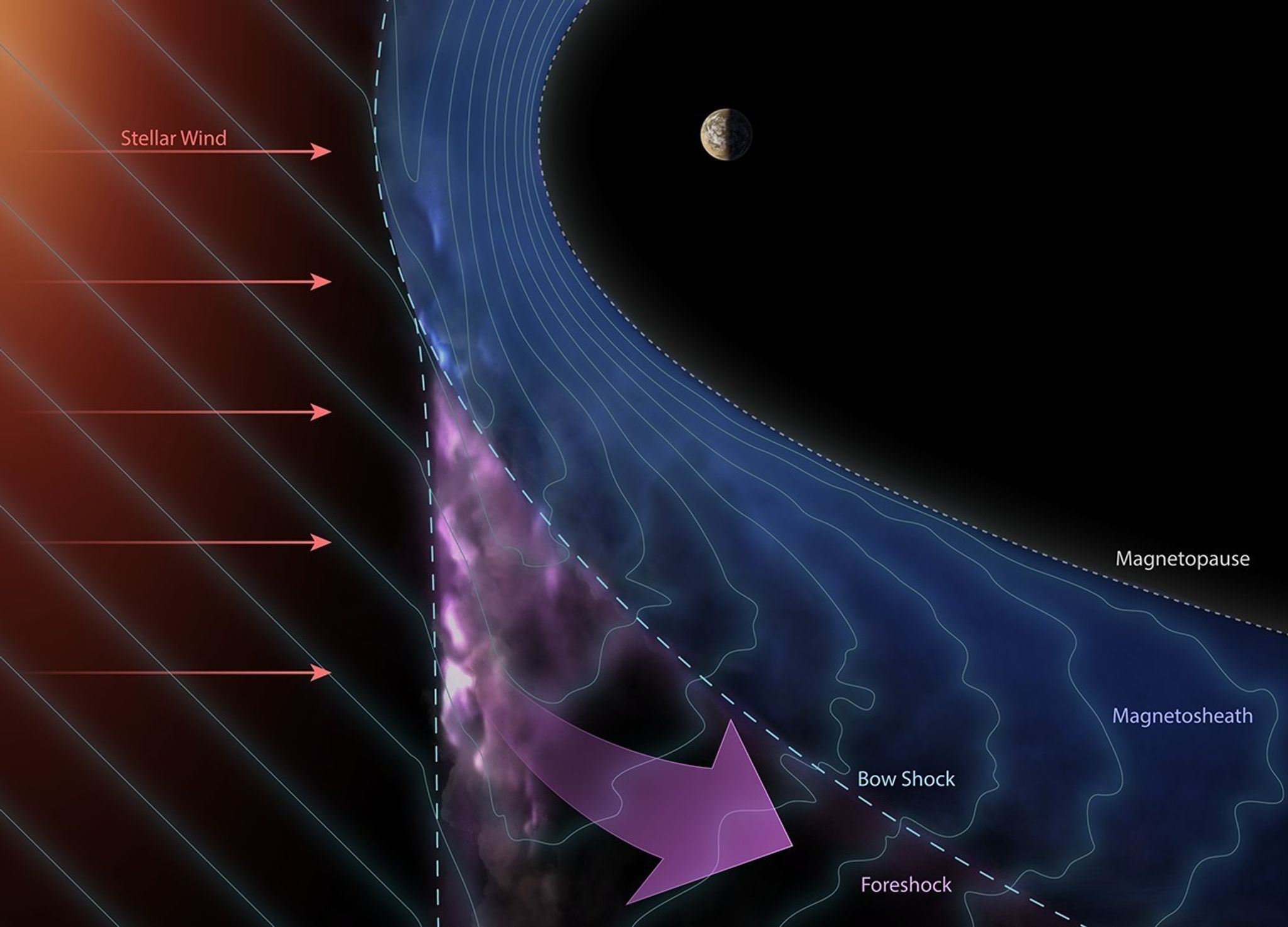
- Science Objective: Quantify the flow of energy from the solar wind through the magnetosphere and into the ionosphere across coupled spatial and temporal scales.
- Strategic Boundary: Determine the transfer mechanisms at the magnetopause necessary to provide actionable predictability of geomagnetic and ionospheric responses to solar forcing.
- Focus: Moving from observational descriptions to a "system-of-systems", quantitative understanding of the Sun-Earth integrated circuit.
- Impact: We must understand the "integrated circuit" of the Sun-Earth system to safeguard human infrastructure. This knowledge is critical for protecting power grids, communication arrays, and satellite constellations from geospace disturbances.
- Mission Alignment: Supports the science goals associated with LINKS and the refocusing of assets like MMS toward "system-scale" science.
- Science Objective: Determine the fundamental mechanisms of solar eruption energy release and the subsequent acceleration and transport of Solar Energetic Particles (SEPs).
- Strategic Boundary: Achieve the high-fidelity quantification of SEP variability required to provide the actionable lead times necessary for astronaut safety during deep-space transit and lunar/Martian habitation.
- Focus: Utilizing a 360-degree solar vantage to master the timing, magnitude, and trajectory of lethal radiation events.
- Impact: Solar radiation events are an existential threat to human exploration beyond Earth’s magnetosphere. Mastering eruption timing and magnitude is the single most critical factor in providing actionable lead times for crew safety during Moon and Mars transits and habitation.
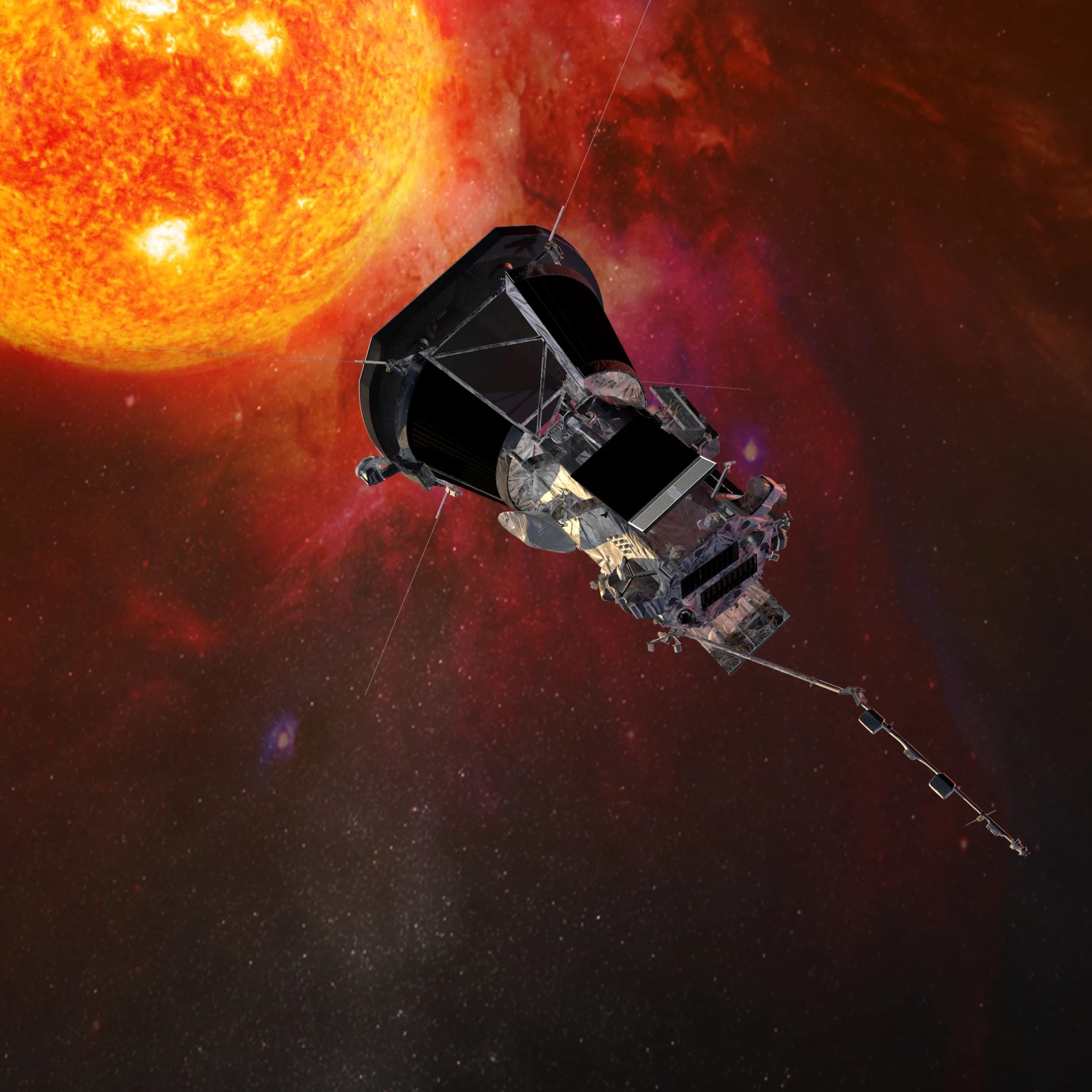
- Mission Alignment: Supports the science goals associated with Solar Polar and the use of Parker Solar Probe/Solar Orbiter data.
- Science Objective: Understand and quantify the plasma processes and radiation environments at the Moon and Mars that characterize the "working environment" of these bodies.
- Strategic Boundary: Define the physical parameters of these environments with the precision needed to ensure the survivability and operational reliability of human-crewed systems and supporting technology.
- Impact: Establishing the foundational environmental intelligence for the Moon to Mars architecture.
- Justification: Sustainable habitation requires "environmental intelligence". We must understand how the space environment impacts human technology and surface operations to ensure the viability of a permanent presence beyond Earth.
- Mission Alignment: Directly informs the Mars L1 Space Weather Sentinel and Artemis support
FRONTIER
Science Objectives
In addition to the critical path objectives listed above, these "Frontier Objectives" ensure a comprehensive vision to “Master the Heliosphere” and support our primary goals:
The Solar Dynamo: Characterize the long-term drivers of the solar cycle. Characterizing the solar cycle's influence on the long-term dynamics of the Sun-Earth system is vital for multi-decadal planning.
The Interstellar Boundary: Resolve the fundamental physics of the heliosheath to understand how our solar system interacts with the local galactic environment. This is a fundamental mystery that defines the boundaries of our home in the galaxy.
Cross-Disciplinary Discovery: Advance interdisciplinary and system-level studies, such as the impact of solar variability on planetary atmospheres.