



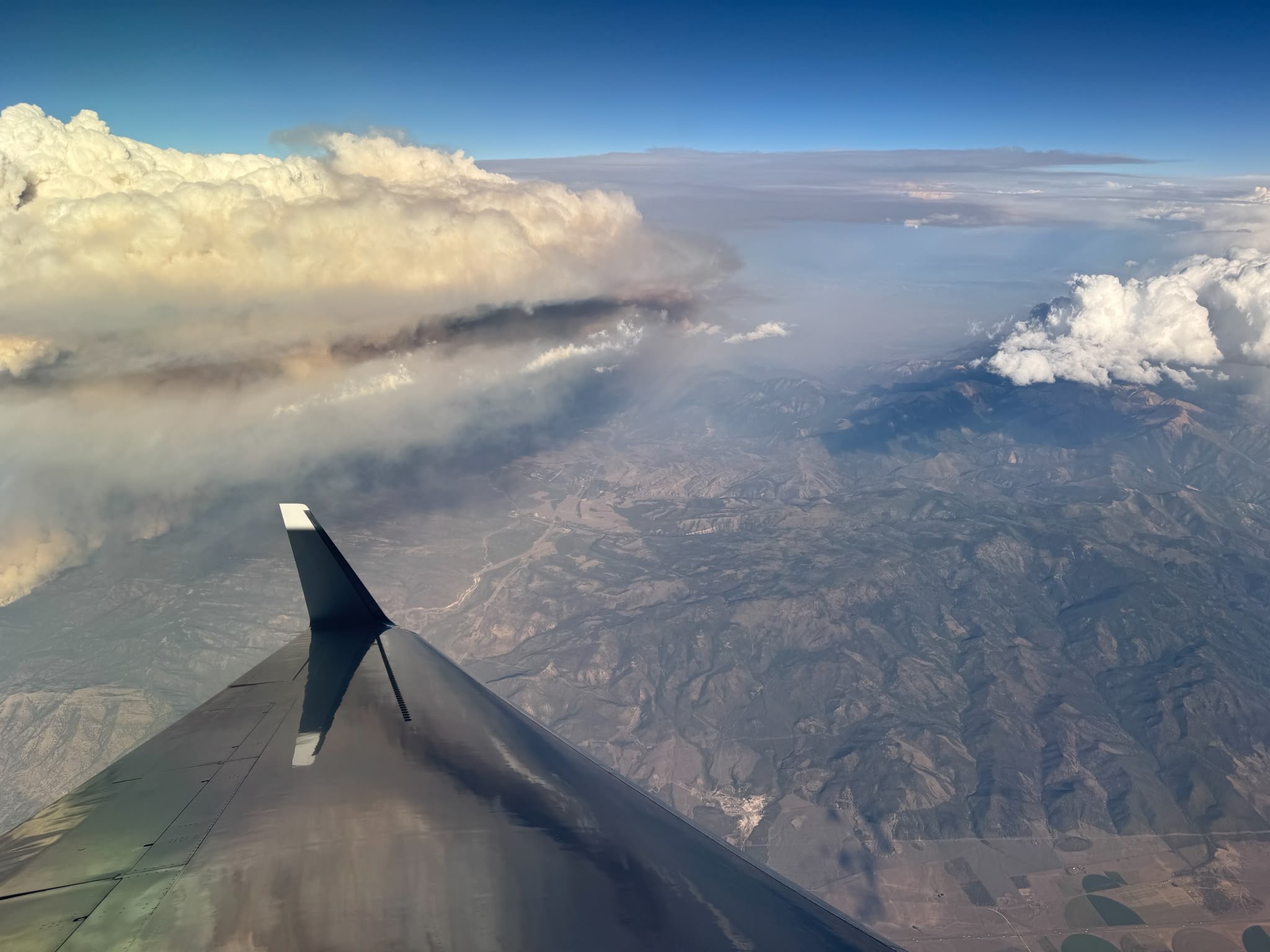















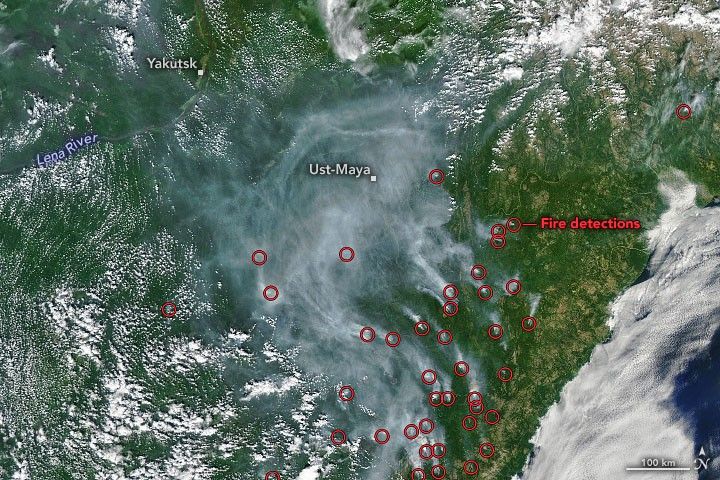
During the first week of July, NASA satellites began detecting signs that several wildland fires were burning in Russia’s far east. Two weeks later, several fires had grown much larger and more intense, creating rivers of smoke that flowed over parts of Khabarovsk and the neighboring Republic of Sakha (Yakutia).
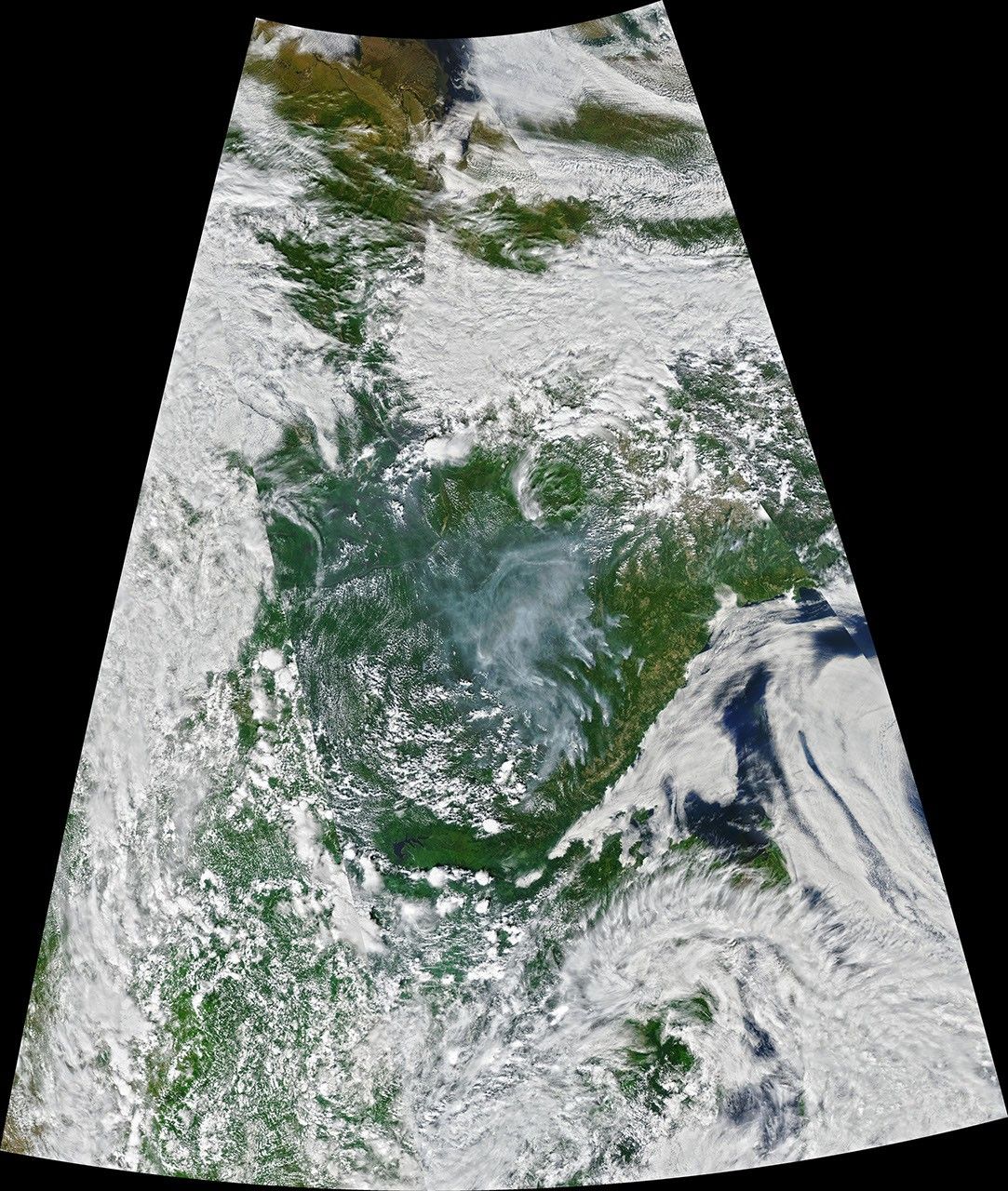
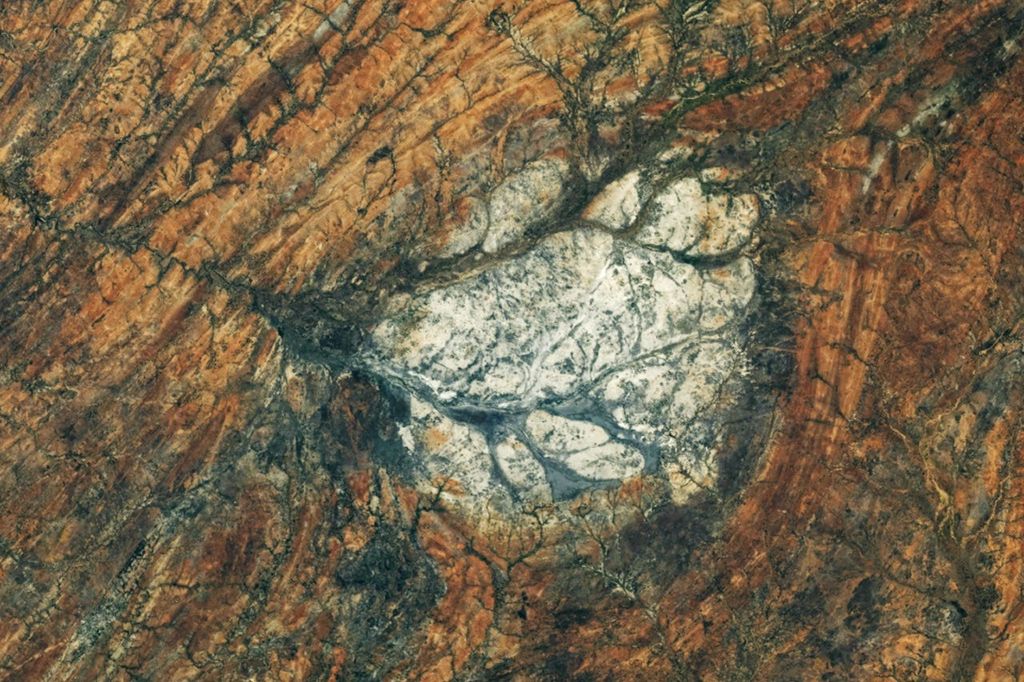
The Moderate Resolution Imaging Spectroradiometer (MODIS) on NASA’s Aqua satellite captured this natural-color image of smoke swirling over the region on July 17, 2022. The image has been overlaid with red circles indicating locations where MODIS detected heat signatures indicative of fire. Many of the fires were burning in the Ayano-Maysky district of Khabarovsk, which is home to larch forests and the circular Kondyor massif.
According to Sakha’s emergencies ministry, 51 fires burned across roughly 9,737 hectares (38 square miles) on July 18. More than 500 people were fighting the fires in Sakha, and thousands more were deployed to fire fronts across Russia, according to Russia’s ministry of emergency situations (EMERCOM).
For the past two years, Sakha has endured unusually severe fire seasons. In 2021, more than 8.4 million hectares of forests burned in Sakha, nearly four times the long-term average.
Fires are not the only hazard facing the region. Flooding along the Yana River recently displaced hundreds of people in Sakha.
References & Resources
- EMERCOM (2022, July 10) A special fire regime has been introduced in 56 regions of the country. Accessed July 18, 2022.
- EMERCOM (2022, July 17) Difficult situation with rain flood persists in Verkhoyansk district. Accessed July 18, 2022.
- EMERCOM (2022, July 18) Operational information on forest fires on July 18. Accessed July 18, 2022.
- Euronews (2022, July 13) Massive flood in Russiaâs Verkhoyansk causes mass evacuations after dam bursts. Accessed July 18, 2022.
- NASA EarthData (2022) Fire Information for Resource Management System (FIRMS). Accessed July 18, 2022.
NASA Earth Observatory image by Joshua Stevens , using MODIS data from NASA EOSDIS LANCE and GIBS/Worldview , and data from the Fire Information for Resource Management System (FIRMS). Story by Adam Voiland