












Impact Craters
An Earth Observatory Collection
A round depression in the salty plains of the Kutch Basin reveals telltale signs of a prehistoric meteorite impact.

The world’s oldest and largest known impact structure shows some of the most extreme deformation conditions known on Earth.

Much of the Goyder impact structure has eroded away, but there are remnants in Australia’s Northern Territory.

The asteroid that smashed into northern Australia and caused the Amelia Creek impact structure transformed mountain ridges in the blast…

The volcano, located on Russia’s Kamchatka Peninsula, displays numerous depressions that collect meltwater during the warmer months of the year.

An impact crater in western Finland is a bucolic setting for agriculture and migratory birds—and its geometric shape resembles that…

New analysis of a round depression in the salty plains of the Kutch Basin revealed telltale signs of a prehistoric…

The 50,000-year-old crater is relatively young, and only the second discovered in China.

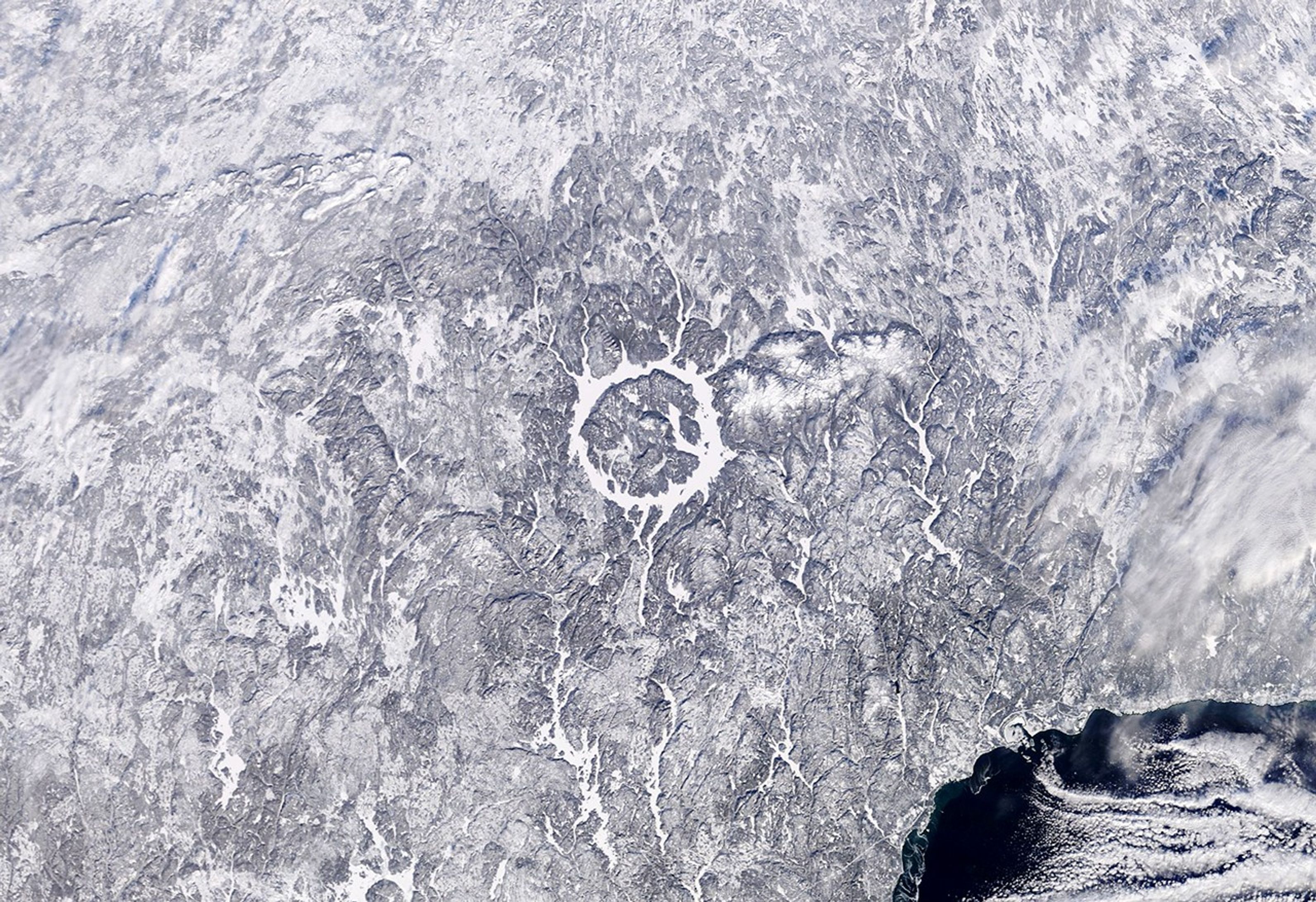
Famously visible from space, ring-shaped Manicouagan Lake was built at the dawn of the Space Age when Canada dammed a…

Few craters are as large, or as old, as this impact structure in southeastern Ontario, Canada.
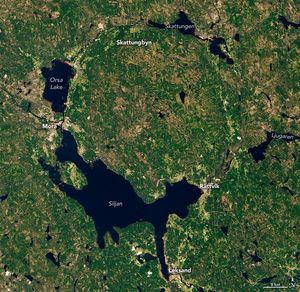
The idyllic region of Dalarna County is the site of an ancient, powerful collision.
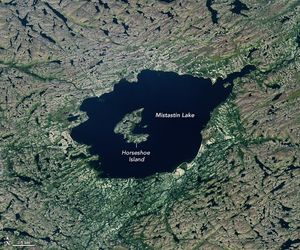
The lake covers part of a crater where an asteroid once slammed into Labrador, Canada.

Popigai is one of the largest and most well-preserved impact craters on Earth.

The “young” and well-preserved crater helps scientists understand cratering processes on Earth and elsewhere in the solar system.
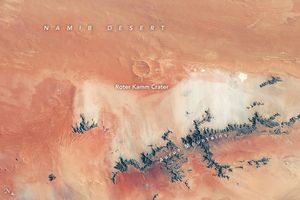

The Hiawatha Impact Crater in northwest Greenland was detected through some creative detective work and innovative instruments that can see…
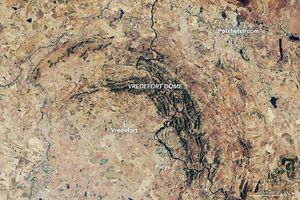
The world’s oldest and largest known impact structure shows some of the most extreme deformation conditions known on Earth.
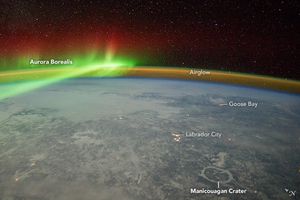
An astronaut aboard the International Space Station adjusted the camera for night imaging and captured the green veils and curtains…

Two asteroids crashed into Earth in the Carboniferous Period, leaving this distinctive pair of craters in northwestern Quebec.
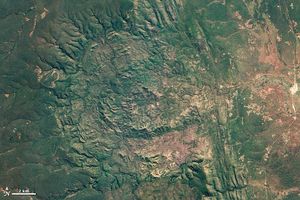
Deep in the Congo, the Luizi Crater was uncovered though a combination of satellite images and field surveys.

The crater was formed by a meteor impact less than 70 million years ago, during the “Age of Dinosaurs.”



