
















DGCE SIG Seminar
Diffuse Gas in Cosmic Ecosystems Science Interest Group
Location
Virtual
Dates
22 October 2026
4:00pm ET / 1:00pm PT
Community
DGCE SIG
Type
Seminar
Pioneering Emission Mapping of the CGM with Aspera: The Path to Launch
Speaker
Dr. Carlos Varga, University of Arizona & Steward Observatory
Abstract
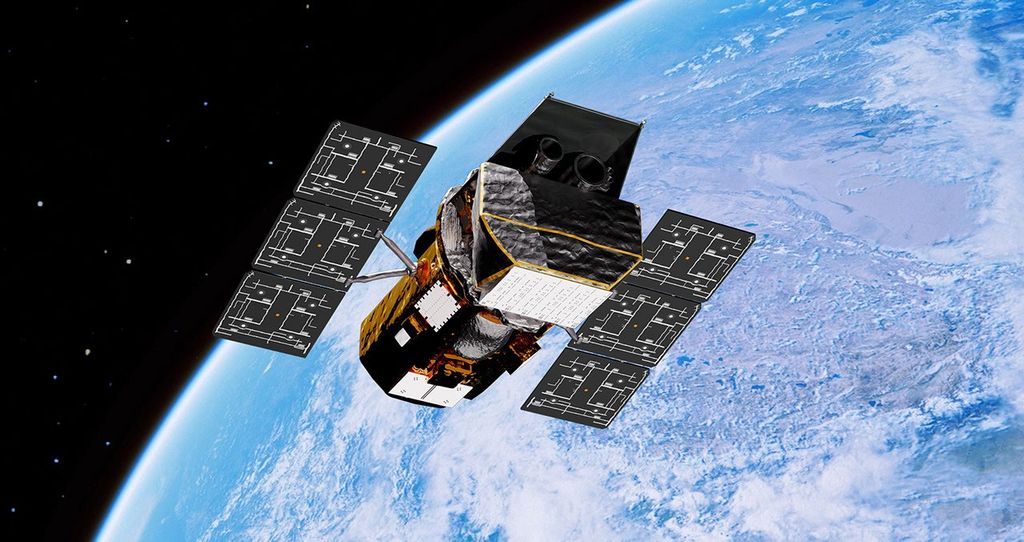
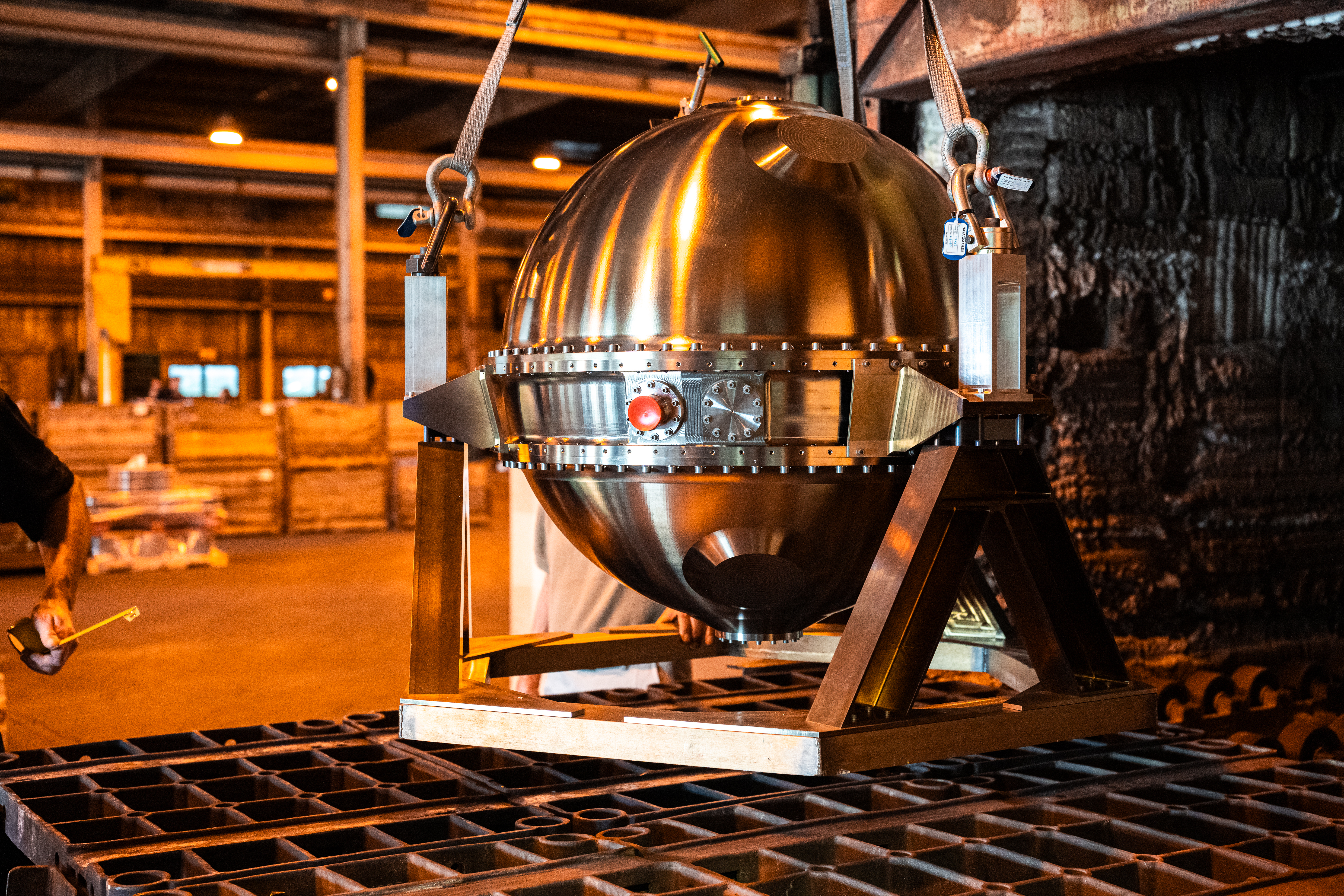
Aspera, selected in the inaugural NASA Astrophysics Pioneers Program, is a FUV SmallSat mission designed to detect and map warm-hot CGM emission in nearby galaxies for the first time via the O VI emission line doublet (1032 A). Aspera serves as a working example of how science-first SmallSats can be developed and flown rapidly, at a fraction of the cost of traditional space-based observatories, while building a student training pipeline that develops the next generation of scientists and engineers through real flight hardware experience.
I will present an update on the mission’s progress and the key technical challenges encountered and overcome during the flight instrument assembly and testing phase. The Aspera payload has been fully assembled and tested and has been shipped to UTIAS SFL (spacecraft vendor) in mid-2026. SFL has since completed spacecraft integration, and observatory-level vibration and thermal-vacuum (TVAC) testing were completed in September 2026. Aspera is now in final preparation for launch, scheduled for (no earlier than) January 29, 2027. Aspera will launch as the primary payload on a Rocket Lab Electron rocket from Mahia, New Zealand. This talk will cover the mission's integration and test campaign, technical lessons learned, and the path to Aspera's primary science campaign, which begins after the post-launch commissioning phase.
Seminar Connection
News Straight to Your Inbox
Subscribe to your community email news list
We will never share your email address.