











Professional Development for Educators
Discover heliophysics professional development resources tailored to your unique audience. Whether you instruct in a formal classroom, engage communities through informal outreach, or shape public policy, you can explore specialized training materials designed to support and elevate your specific educational mission.
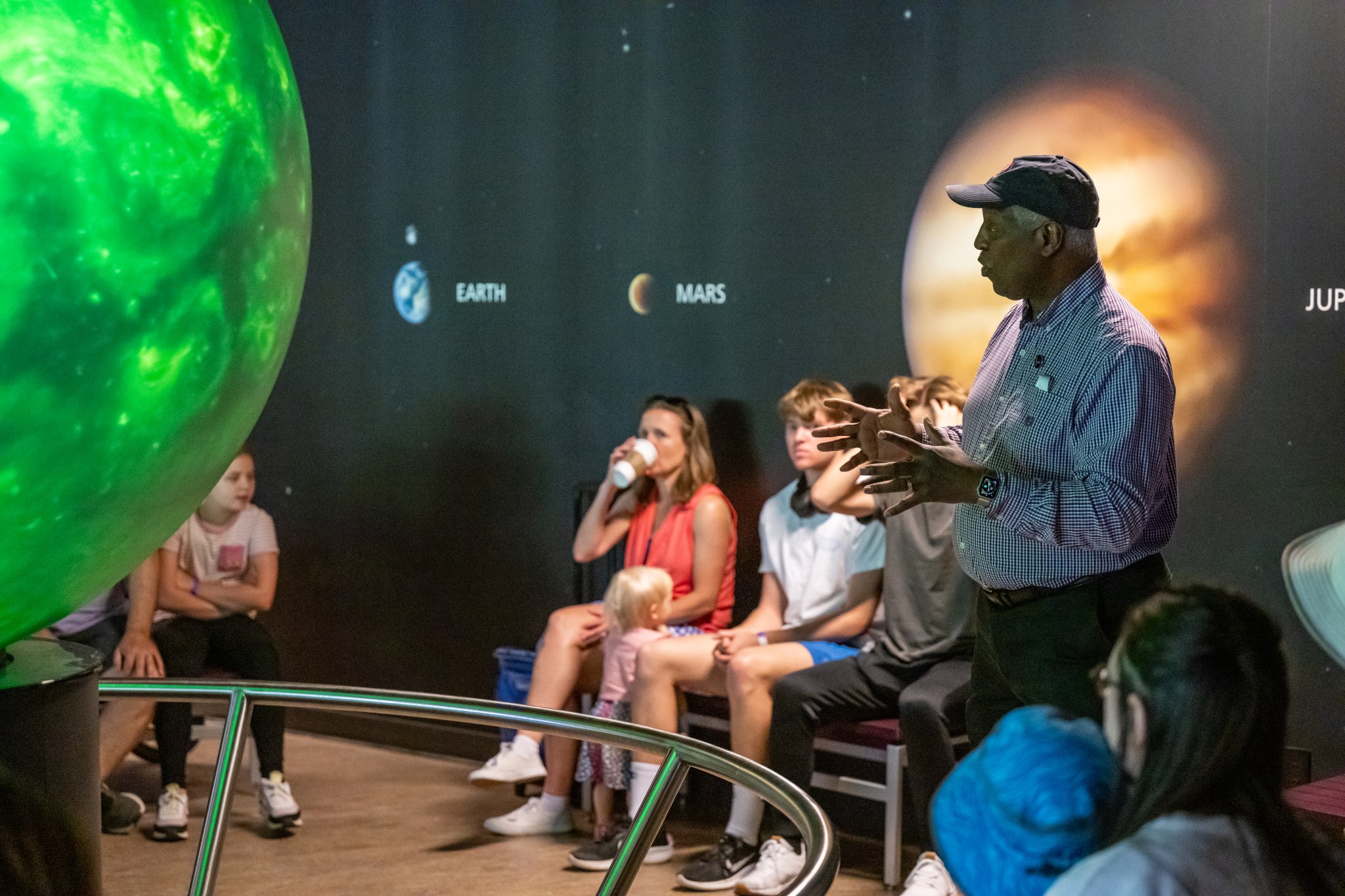
Heliophysics Training Resources
Professional Development for Educators
Welcome to the Heliophysics Education Professional Development portal. Whether you instruct in a formal classroom, engage communities through informal outreach, we have specialized training materials designed to elevate your specific work. To quickly find the tools most relevant to you, click on your professional environment on the right aligned menu to skip straight to that section of the page
Why should I teach heliophysics?
The Sun can provide a fun and exciting laboratory for exploring magnetism, gravity, light, energy, and much more! Learning about the Sun and its influence on the solar system can help scientists understand how the universe began, how stars and planets are formed, and how life can exist on Earth. Studying this system not only helps us understand fundamental information about how the universe works, but also helps protect our technology and astronauts in space. NASA seeks knowledge of near-Earth space, because – when extreme – space weather can interfere with our communications, satellites and power grids.
Learn more about heliophysics topics
Industry Professionals ↗
Advanced training materials curated by NASA experts, designed to support professional development and technical knowledge sharing among industry professionals. These resources provide STEM professionals with the exact tools needed for effective, high-level knowledge sharing and internal professional development.

| Presentation | Professional Development | This case study presentation explores high-impact space weather events and spacecraft loss to analyze…
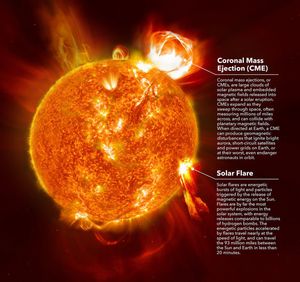
| Presentation | Professional Development | This comprehensive slide deck provides a deep dive into geomagnetic storms and space weather…
| Presentation | Professional Development | This presentation provides a comprehensive walkthrough of NASA space weather resources, including tools and…
What is Heliophysics?
Heliophysics is the study of our star, the Sun [helio], and how its behavior [physics] affects Earth, the solar system, and the very nature of space. The Science Mission Directorate Heliophysics Division studies the nature of the Sun, and how it influences the very nature of space – and, in turn, the atmospheres of planets and the technology that exists there. Space is not, as is often believed, completely empty; instead, we live in the extended atmosphere of an active star. Our Sun sends out a steady outpouring of particles and energy – the solar wind – as well as a constantly writhing magnetic system. This extensive, dynamic solar atmosphere surrounds the Sun, Earth, the planets, and extends far out into the solar system.
Learn more about NASA Heliophysics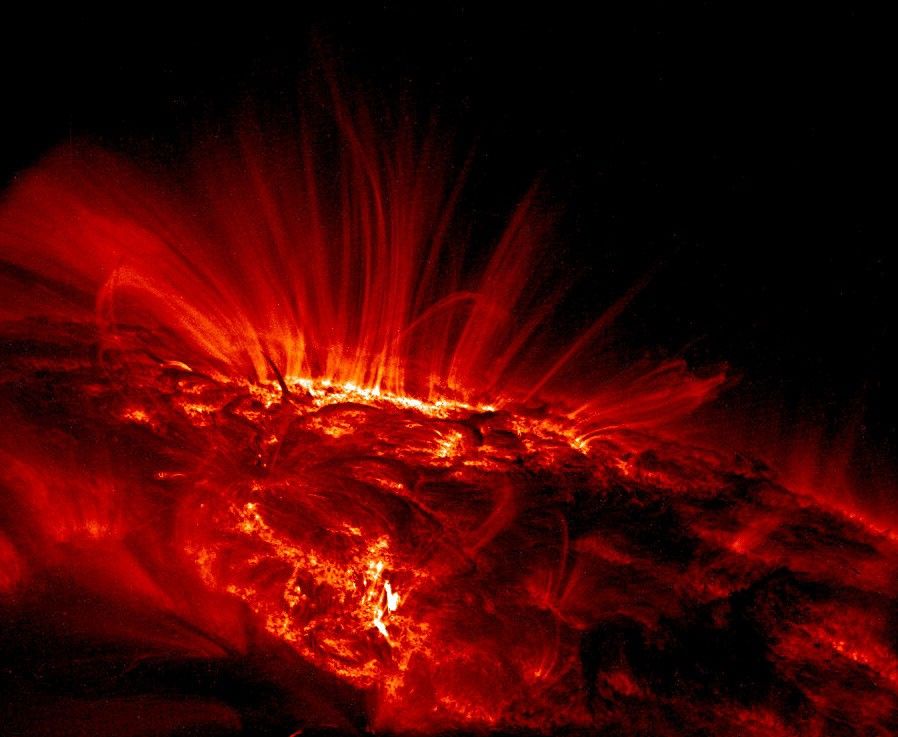
Informal / Out-of-School Educators ↗
Flexible, hands-on activities perfect for out-of-school time and community enrichment programs. Optional Badge-aligned projects and collaborative activities for Scouts, 4-H, and similar youth groups.
NASA Helio Club is a collection of six club sessions, or lessons, that complete a comprehensive module created for a…

NASA Helio Club is a collection of six club sessions, or lessons, that complete a comprehensive module created for a middle-school…

NASA Helio Club is a collection of six club sessions, or lessons, that complete a comprehensive module created for a middle-school…
How do I teach Heliophysics?
Explore the Framework for Heliophysics Education to learn more about how to incorporate heliophysics into your existing educational programming. The Framework for Heliophysics Education outlines key concepts, practices, and strategies for integrating solar science into educational curricula and learning activities. It provides educators, scientists, and outreach professionals with a cohesive set of Heliophysics Big Ideas that align with the three questions that drive NASA's heliophysics research. Each Heliophyiscs Big Idea has guiding questions for each level of learner, designed to support inquiry-based learning.
Explore the Heliophysics Big Ideas
Formal / In-School Educators ↗
A comprehensive database for formal and informal educators, curated by scientists, engineers, and educators from NASA and our partner institutions. Standards-aligned lesson plans, interactive activities, and classroom-ready materials for primary and secondary students.

| 3D Model | Grades 6-12+ | Big Idea 1.1 | Downloadable 3D Sun Model: Help your students explore our…

Using simple materials, participants create 3D models of the Earth, Moon and Sun and demonstrate solar and lunar eclipses.

Learn about solar eclipses with this handy fact sheet presented by NASA HEAT.
Heliophysics Resource Database
Have you ever wondered how math is used by NASA scientists to make their discoveries? This resource plans to offer over 1000 math problems that reveal the many ways math and science work together to help us understand the universe. Use the guiding questions above to explore resources at each level or go directly to our database to search for resources by level, NGSS performance expectation, topic, and mission.
Resource Database