





















Framework for Heliophysics Education
The Framework for Heliophysics Education is a structured guide aimed at enhancing education and public engagement with the field of heliophysics. Organized by the three questions that drive NASA science investigations, this comprehensive framework breaks down heliophysics concepts into Heliophysics Big Ideas.
The Framework for Heliophysics Education
The Framework for Heliophysics Education is a structured guide aimed at enhancing education and public engagement with the field of heliophysics.
Navigating the Framework for Heliophysics Education
1. Select a Heliophysics Big Idea you want to explore with your learners (below)
2. Select your level of learner (Introductory/Intermediate/Advanced)
3. Use the background information provided to aid in teaching heliophysics concepts at the appropriate level (cited NGSS Disciplinary Core Ideas for Formal Educators)
4. Use the guiding question to excite learners and encourage curiosity and investigation
5. Choose a resource to engage your audience in learning activities
6. Find even more learning resources in the database with filtering by level, topic, type of activity, NGSS, mission, etc.
Start exploring the Heliophysics Big Ideas below to find age-appropriate activities and resources for your learners! Or go directly to searching our Resource Database.

Heliophysics Big Ideas
Nine major scientific concepts that align with NASA Heliophysics research.
The Framework for Heliophysics Education provides educators, scientists, and outreach professionals with a cohesive set of Heliophysics Big Ideas that align with the three questions that guide NASA's heliophysics research and the Next Generation Science Standards (NGSS).
1. What are the impacts of the changing Sun on humanity?
2. How do Earth, the planets, and heliosphere respond to changes on the Sun?
3. What causes the Sun to vary?

Why Teach Heliophysics?
Everyone has a connection to the Sun!
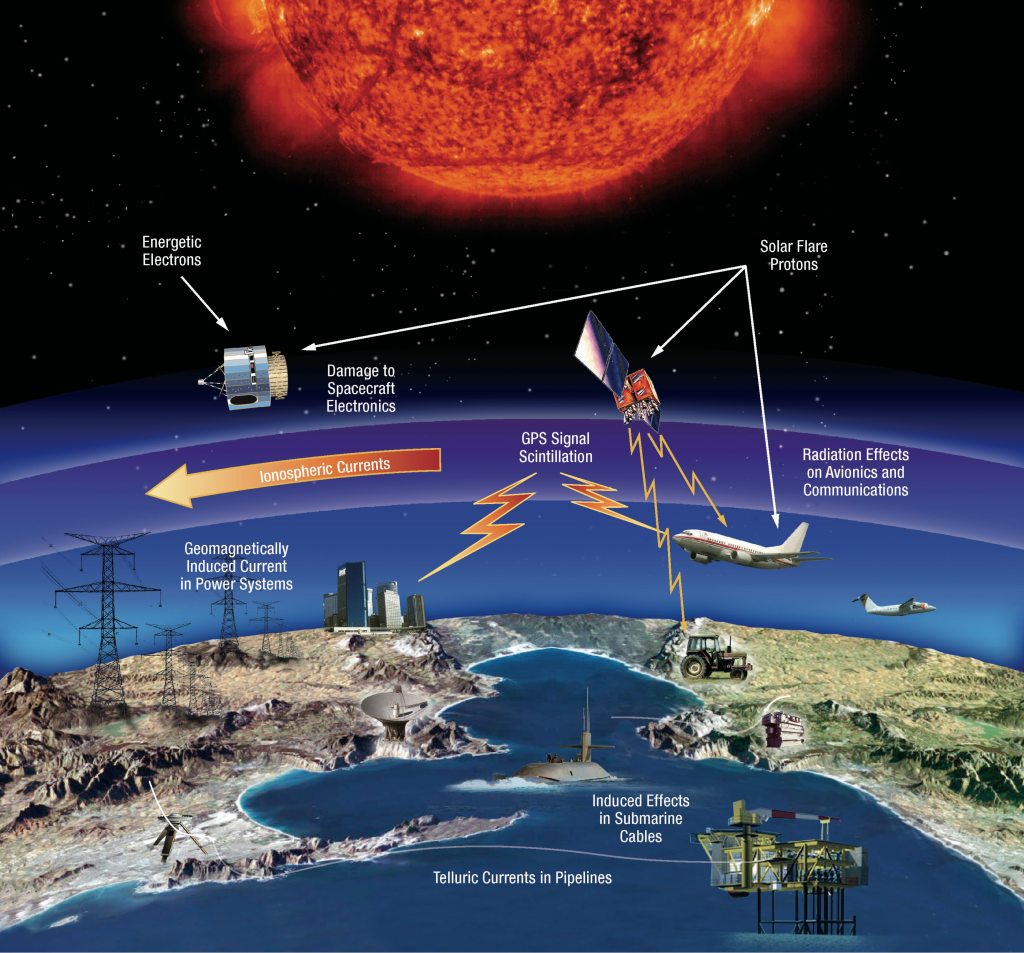
The Sun can provide a fun and exciting laboratory for exploring magnetism, gravity, light, energy, and much more! Learning about the Sun and its influence on the solar system can help scientists understand how the universe began, how stars and planets are formed, and how life can exist on Earth. Studying this system not only helps us understand fundamental information about how the universe works, but also helps protect our technology and astronauts in space. NASA seeks knowledge of near-Earth space, because – when extreme – space weather can interfere with our communications, satellites and power grids.
“Heliophysics education activation” is a need because [1] heliophysics is a relatively new discipline of science, so therefore [2] people are unfamiliar with the term and [3] many educators may feel intimidated by the term. The term is also not mentioned in the Next Generation Science Standards (NGSS) and the heliosphere is not included in models of Earth’s systems.
Heliophysics and the NGSS
The Next Generation Science Standards (NGSS) were created by the National Research Council's (NRC) framework for K-12 Science Education and drive the science curricula in forty-four states.
The Framework for Heliophysics Education cross-references heliophysics topics with NGSS disciplinary core ideas to allow classroom teachers to easily infuse heliophysics concepts into existing Earth, physical, and life science curricula. The NGSS also serves as a research-based guide for what students can learn at each level which can be used by informal educators, communicators, and outreach specialists to plan age-appropriate activities for events.
Start exploring the Heliophysics Big Ideas below to find age-appropriate activities and resources for your learners! Or go directly to searching our Resource Database and filter by NGSS performance expectation.

Heliophysics Big Ideas
The Sun is really big and its gravity influences all objects in the Solar System.
Relevant Topics: corona, lunar eclipse, lunar phases, Newton's Law of Gravity, seasons, solar eclipse, solar system, transits

The Sun is active and can impact technology via space weather.
Relevant Topics: atmosphere, aurora, coronal mass ejection, geomagnetic storm, ionization, magnetic fields, magnetic reconnection, magnetosphere, magnetotail, plasma, radio blackout, solar cycle, solar flare, solar wind, space weather, sunspots, Van Allen belts

The Sun’s energy drives Earth’s climate, but the climate is in a delicate balance and is changing due to human activity.
Relevant Topics: atmosphere, climate change, energy, greenhouse effect, radiation
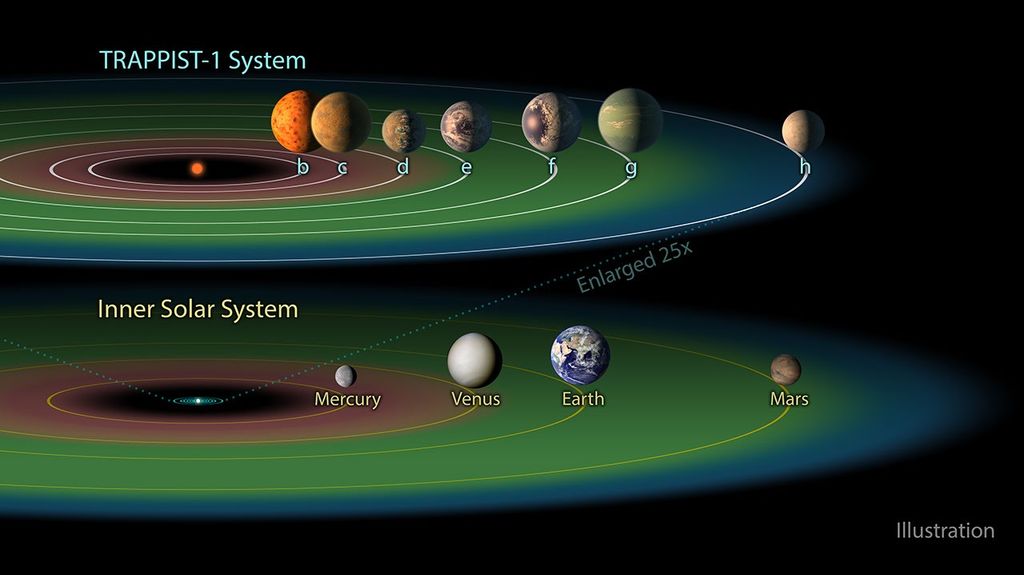
Life on Earth has evolved with complex diversity because of our location near the Sun. It is just right!
Relevant Topics: atmosphere, biosphere, energy, habitable zone, light, magnetosphere, photosynthesis, radiation
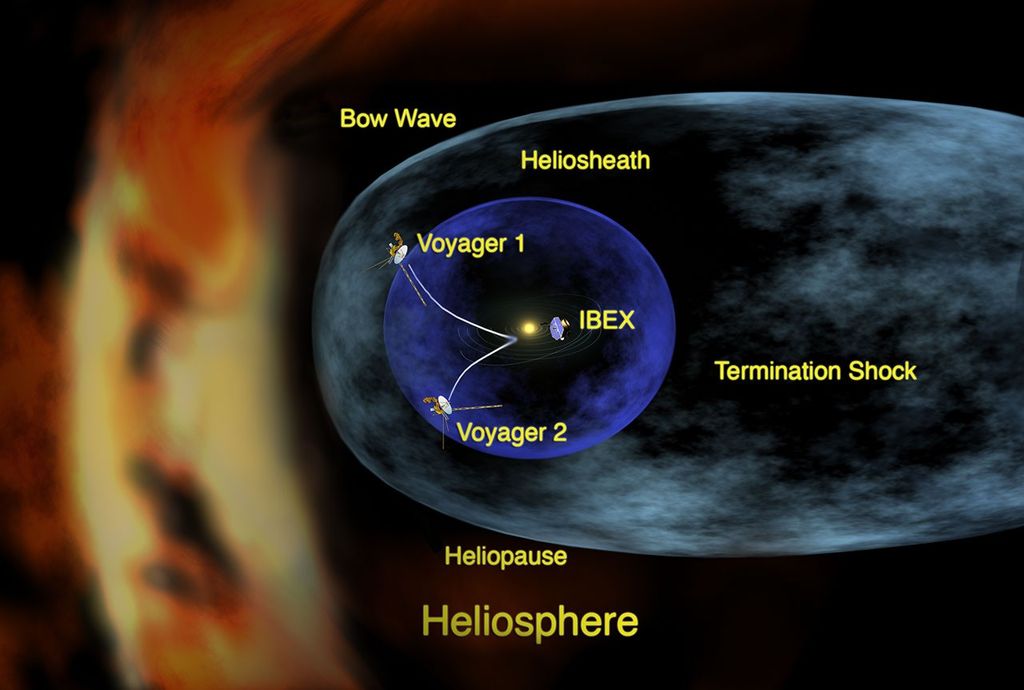
The Sun defines the space around it, which is different from interstellar space.
Relevant Topics: heliosphere, interstellar space, magnetic fields, plasma, solar wind, space weather
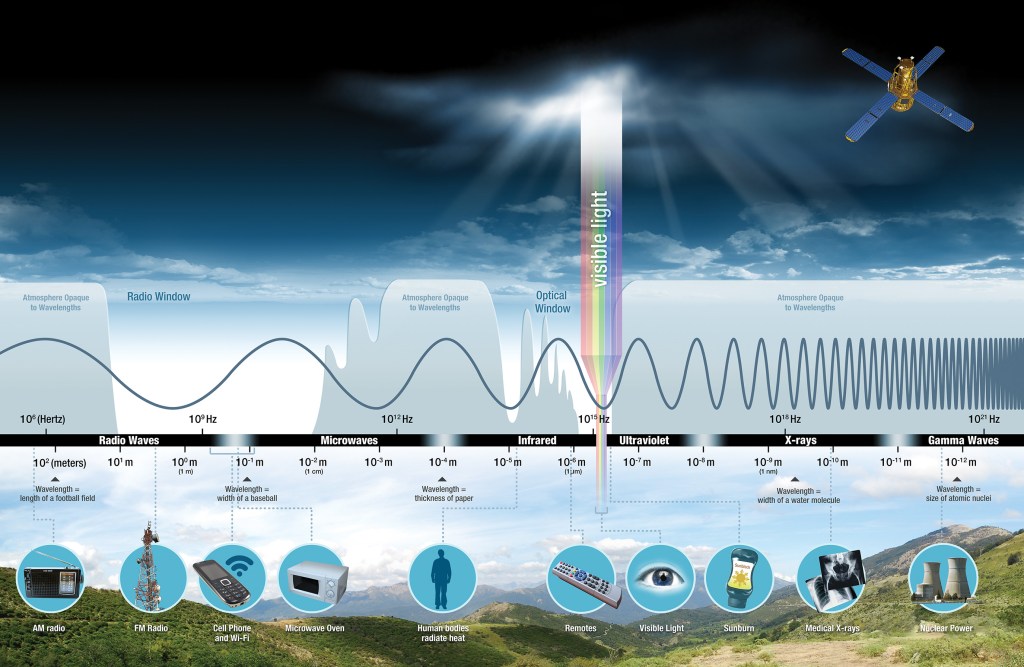
The Sun is the primary light source in the solar system.
Relevant Topics: heliosphere, interstellar space, magnetic fields, plasma, solar wind, space weather
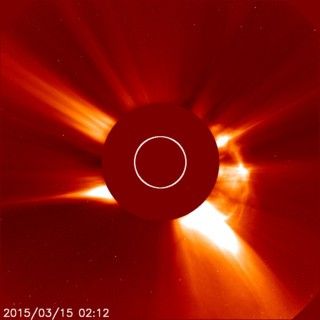
The Sun is made of churning plasma, causing the surface to be covered with complex, tangled magnetic fields.
Relevant Topics: coronal mass ejection, electromagnetism, energy, ionization, magnetic fields, magnetic reconnection, plasma, solar cycle, solar flare, solar wind, space weather, sunspots

Energy from the Sun is created in the core and travels outward through the Sun and into the heliosphere.
Relevant Topics: convection, corona, energy, heliosphere, light, nuclear fusion, plasma, radiation, solar wind, space weather
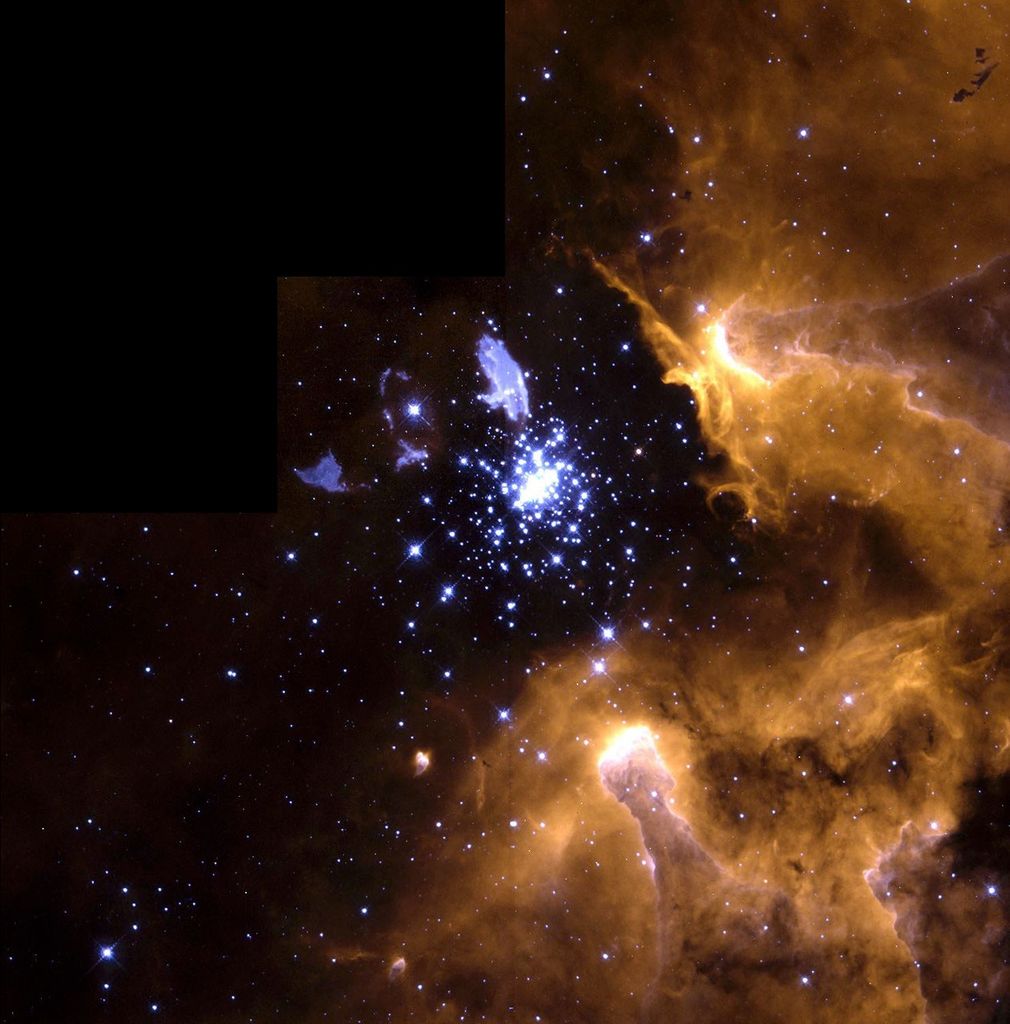
Our Sun, like all stars, has a life cycle.
Relevant Topics: light, nuclear fusion, solar cycle, spectroscopy, stellar evolution, sunspots
Heliophysics Resource Database
Explore the Heliophysics Big Ideas above or go directly to our database to search for resources by level, NGSS performance expectation, topic, and mission.
Resource Database