













The Moon and Tides (Supporting Graphics)
August 5, 2021
| Credit | NASA/Vi Nguyen |
|---|---|
| Language |
|
Below are the animations found in the NASA Moon article about our planet’s tides. The animations can be downloaded using the link at the bottom of this page.
These simplified illustrations introduce aspects of the science behind how the Moon affects ocean tides on Earth. The graphics are not to scale.
To learn how tides work, visit the Tides article where these animations are explained in context.
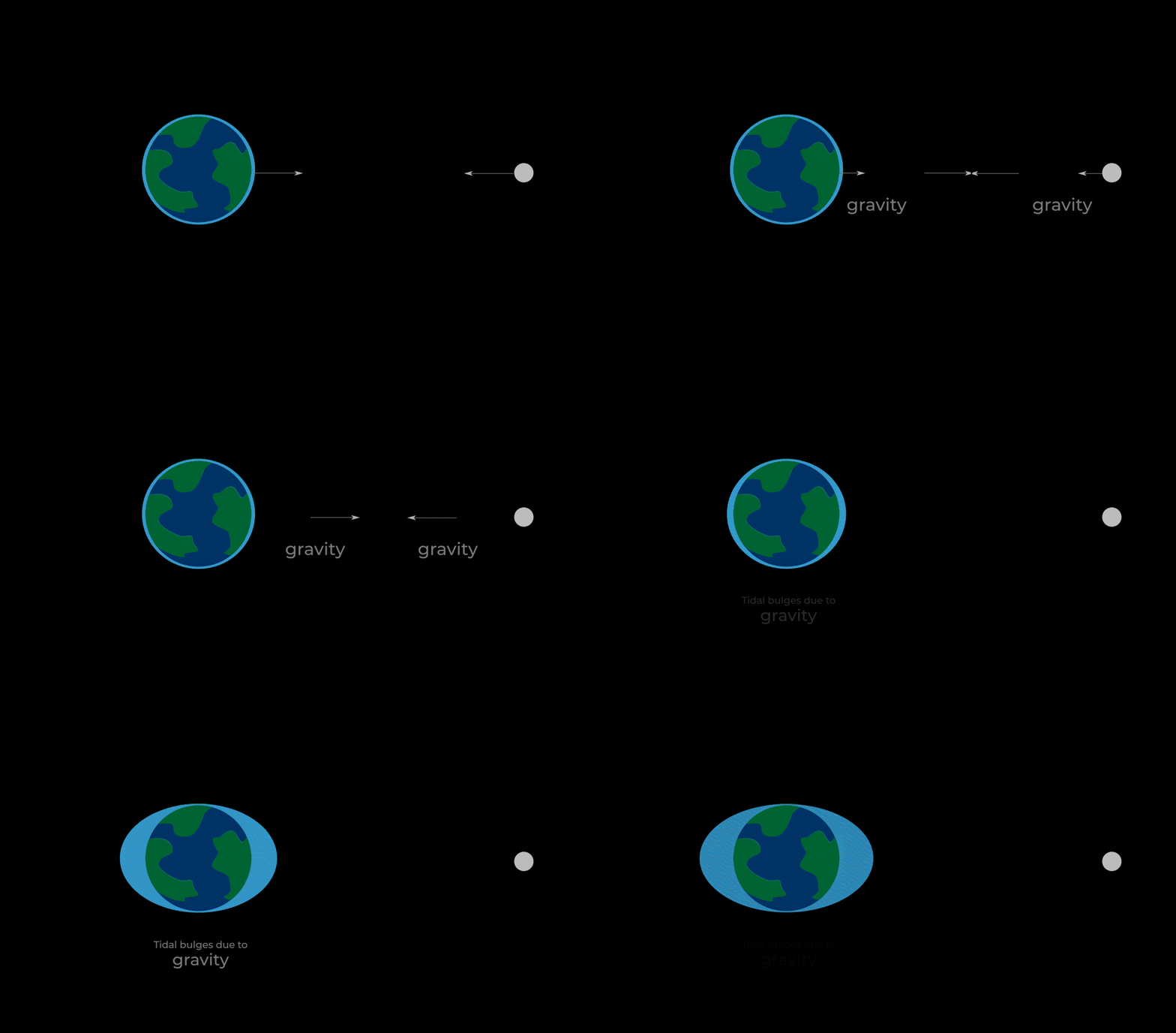
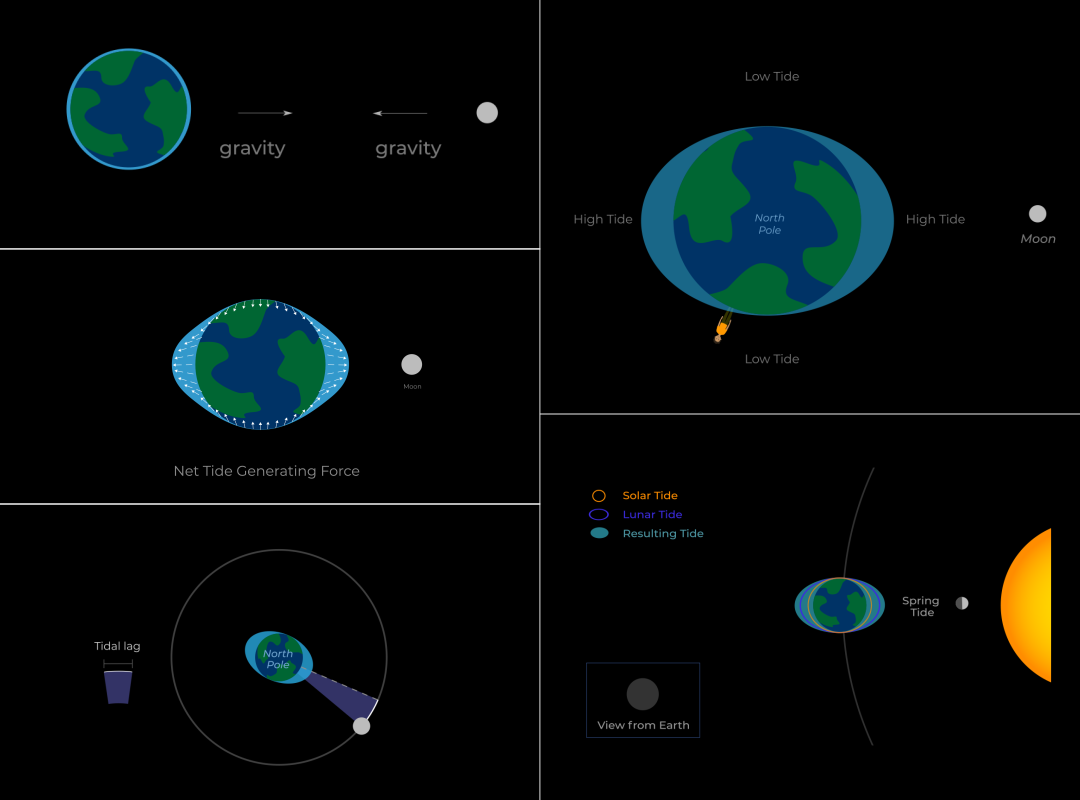
(1) The Moon and Earth exert a gravitational pull on each other. On Earth, the Moon's gravitational pull causes the oceans to bulge out on both the side closest to the Moon and the side farthest from the Moon. These bulges create high tides. The low points are where low tides occur. (Not to scale.)
NASA/Vi Nguyen
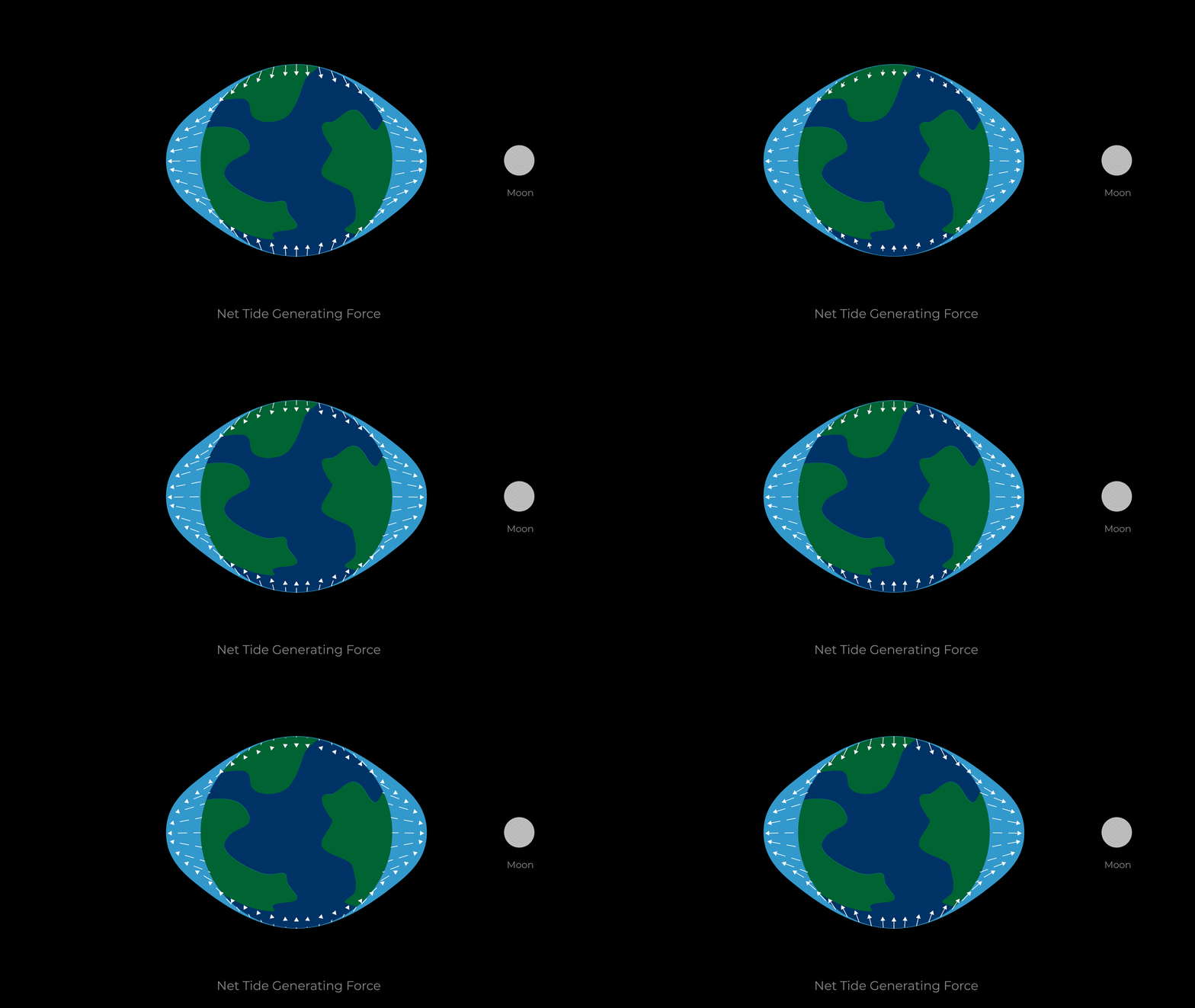
(2) The Moon's gravitational pull on Earth, combined with other, tangential forces, causes Earth's water to be redistributed, ultimately creating bulges of water on the side closest to the Moon and the side farthest from the Moon. (Not to scale.)
NASA/Vi Nguyen
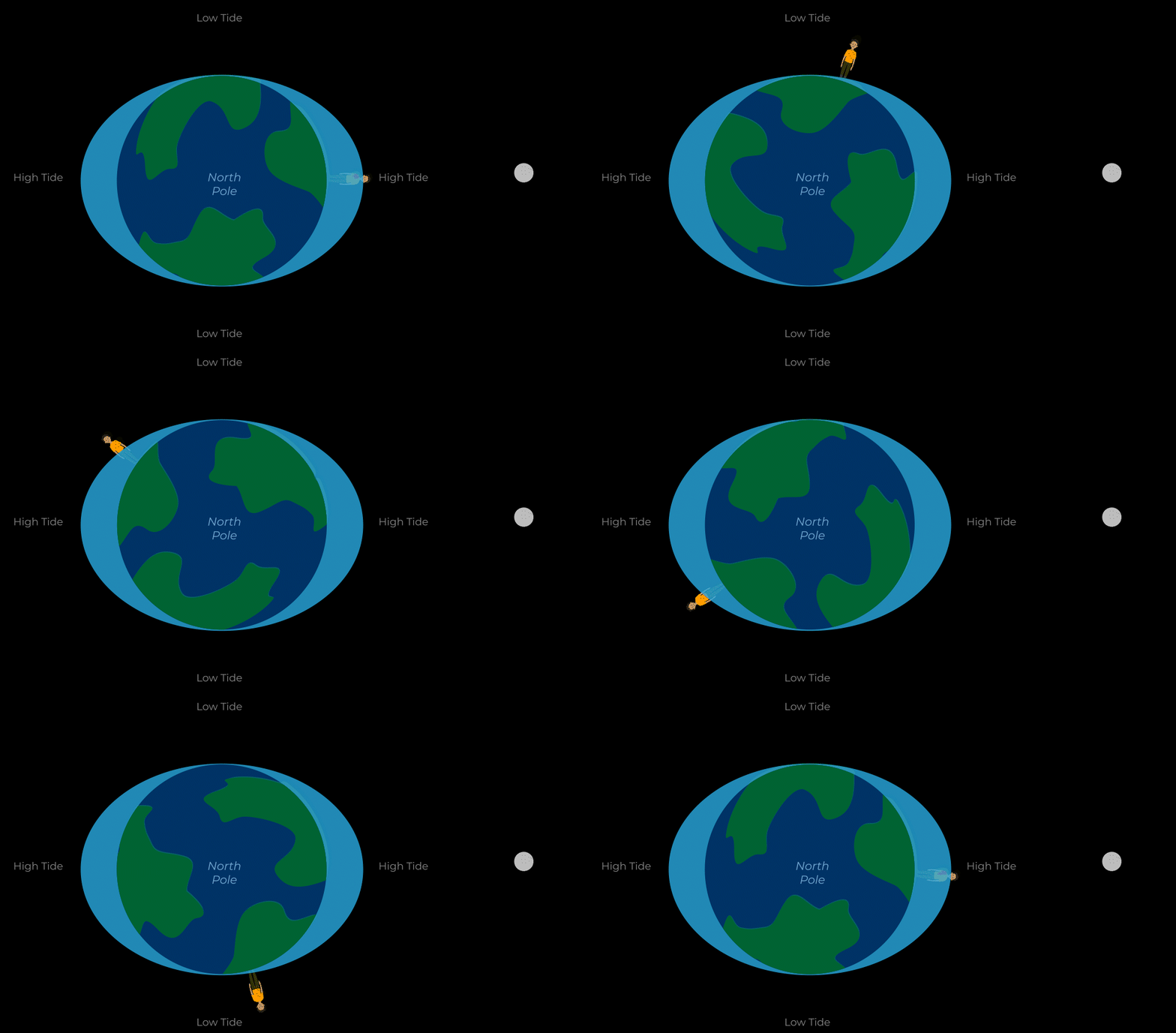
(3) Rising and ebbing tides happen as Earth's landmasses rotate through the tidal bulges created by the Moon's gravitational pull. Our observer sees the tides rise when passing through the bulges, and fall when passing through the low points. Of course, in reality the Earth isn't a smooth ball, so tides are also affected by the presence of continents, the shape of the Earth, the depth of the ocean in different locations, and more. The timing and heights of the tide near you will be affected by those additional elements. (Not to scale.)
NASA/Vi Nguyen
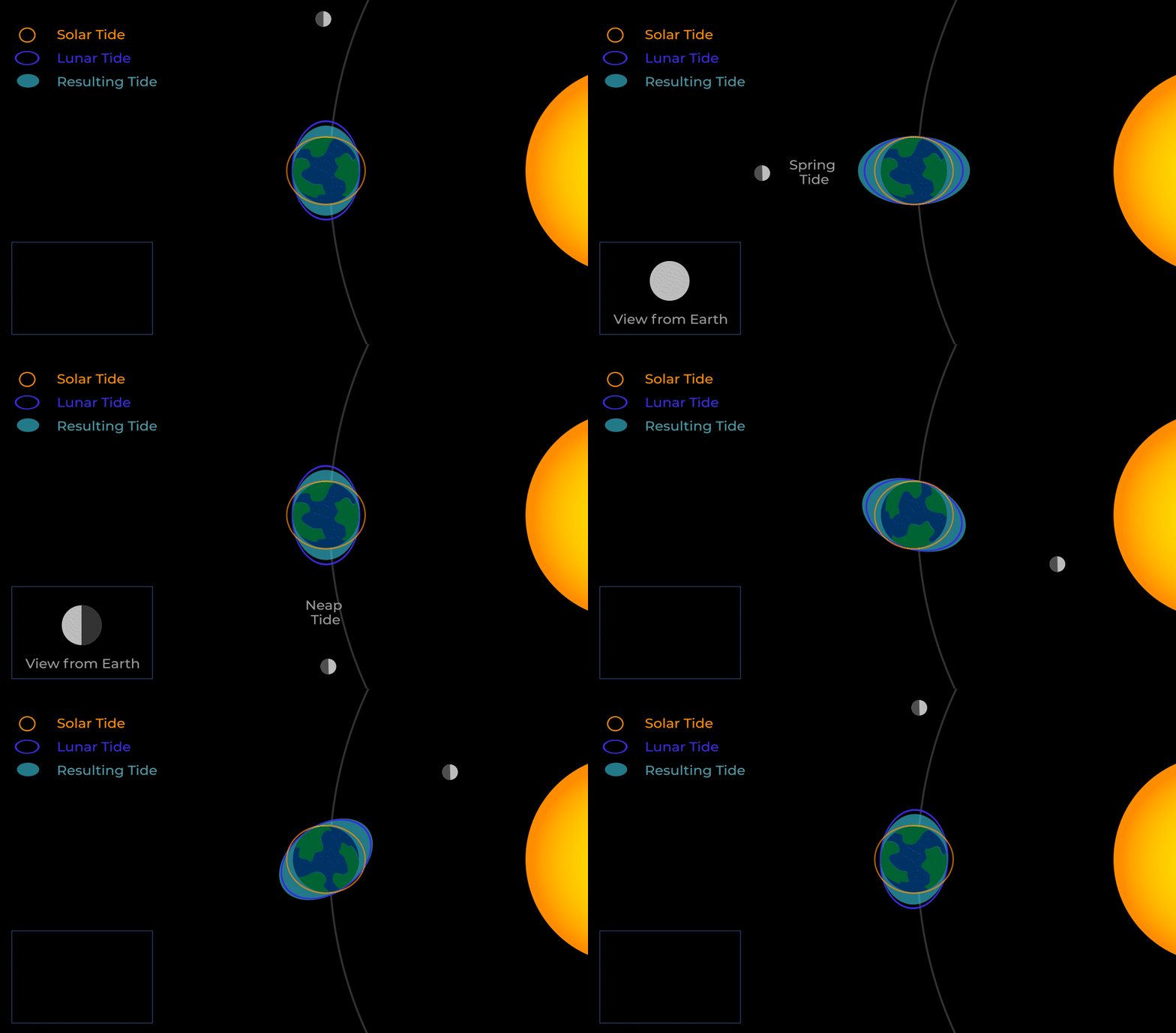
(4) Twice a month, when the Earth, Sun, and Moon line up, their gravitational power combines to make exceptionally high tides, called spring tides, as well as very low tides where the water has been displaced. When the Sun is at a right angle to the Moon, moderate tides, called neap tides, result. From our view on Earth, these tides coincide with certain lunar phases since they occur when the Moon reaches specific positions in its orbit. (Not to scale.)
NASA/Vi Nguyen
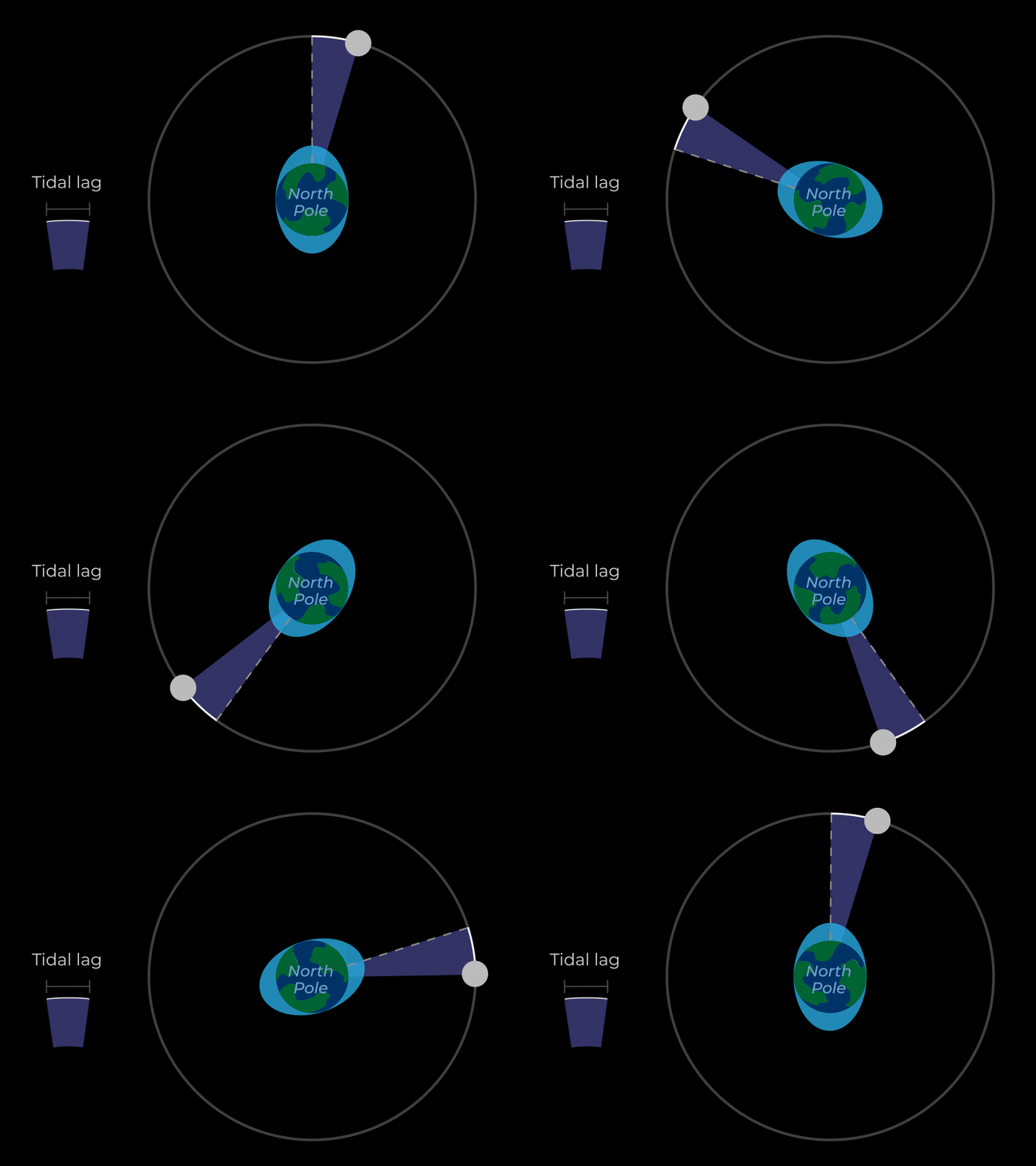
(5) Earth’s tidal bulges don’t line up exactly with the Moon’s position. Earth's spin carries the tidal bulge forward (Earth’s spin being much faster than the Moon's orbital period). This means that the high tide bulges are never directly lined up with the Moon, but a little ahead of it. (Not to scale.)
NASA/Vi Nguyen