













REGISTRATION OPEN & ABSTRACT SUBMISSION Deadline October 10th: 2026 Cosmic Origins Early-Career Workshop
5 October 2026
NASA’s Cosmic Origins Program is excited to invite you to the second Early Career Workshop, designed to support and empower the next generation of astrophysics leaders and PIs. The workshop aims to provide insights to early career scientists about the wide range of work done in the Cosmic Origins Program, to explain and demonstrate the tools and opportunities available to them, and to answer any questions they may have. This year we will have MORE early-career talks and panels to share your thoughts and ideas.
The workshop will take place virtually from October 20 - 22nd 1:00-4:30pm ET.
Follow the link here to register and submit abstracts for the workshop. The deadline to submit abstracts is October 10th 11:59pm EST: https://forms.gle/M5g4o8ipyYMg9YuV7
- Panel: Understanding The Little Red Dots
- Cosmic Pathfinders Leadership Q/A
- Panel: From ideas to the Launch Pad: What's in your skills tree?
- Panel: AI/ML Tools for Astrophysics Research
- In addition to submitted talks by early-career students and scientists across all career levels
The workshop will feature the Nobel Laureate Dr. John Mather, Astrophysics Division Director Dr. Shawn Domagal-Goldman, and Presidential Medal of Freedom awardee & JWST Project Scientist Dr. Jane Rigby!

Plenary Speakers
Day 1
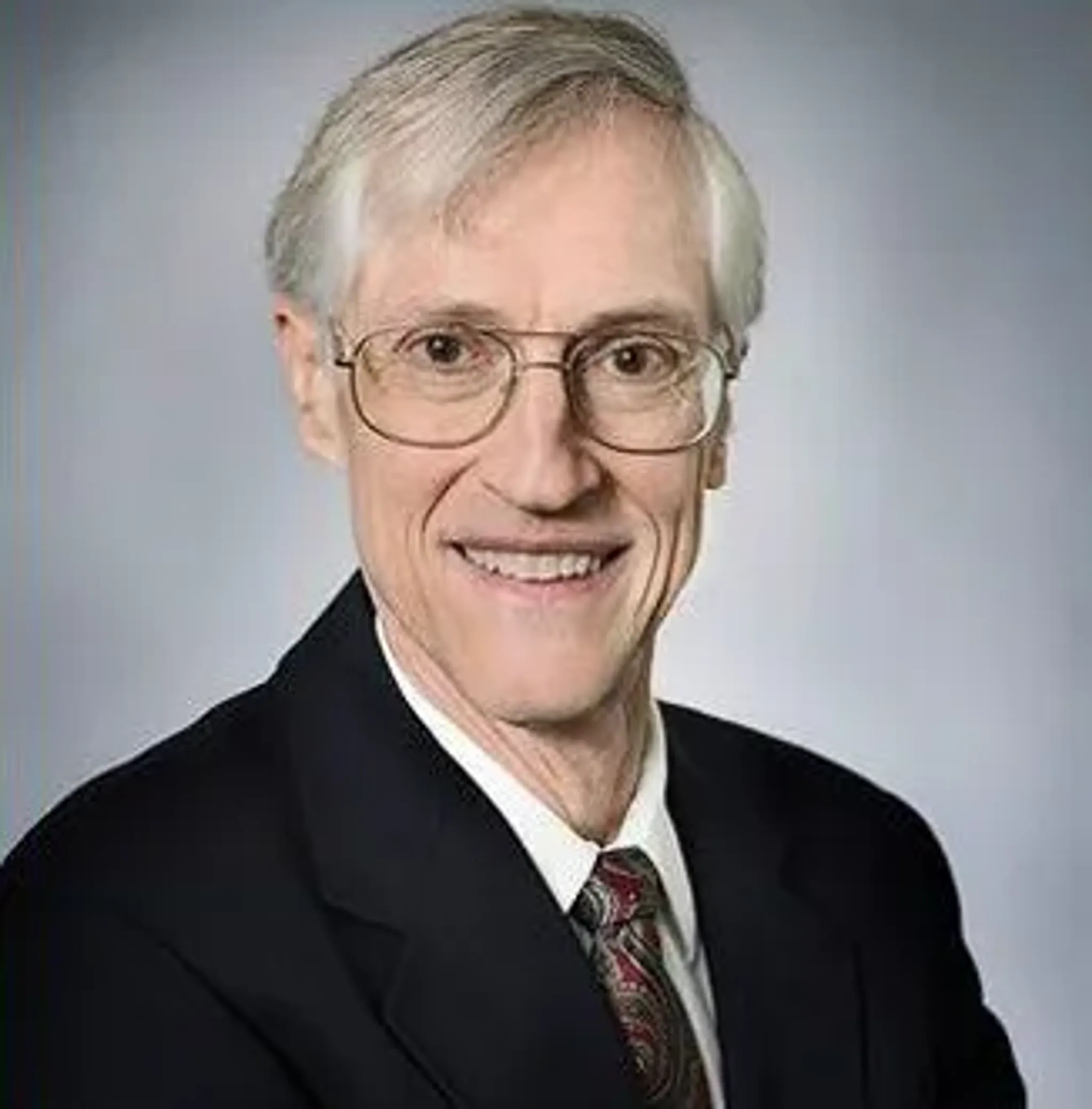
Dr. John C. Mather is a Senior Astrophysicist at NASA's Goddard Space Flight Center specializing in infrared astronomy and cosmology. He won the 2006 Nobel Prize in Physics for his work on the Cosmic Background Explorer (COBE) satellite, which proved the cosmic microwave background radiation has a nearly perfect blackbody spectrum. Since 1995, he has served as Senior Project Scientist for the James Webb Space Telescope. Throughout his career, he has also served on advisory boards for the National Academy of Sciences, NASA, and the NSF.
Day 2
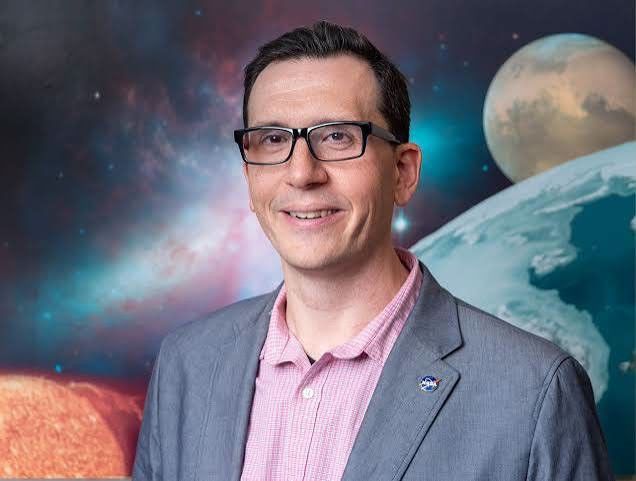
Shawn Domagal-Goldman is the Astrophysics Division Director at NASA HQ and former Deputy Director of the Sciences and Exploration Directorate at NASA’s Goddard Space Flight Center. An astrobiologist by training, his research applies an interdisciplinary approach to assess exoplanet habitability and define standards of evidence for biosignatures. He plays a key role in the Habitable Worlds Observatory (HWO), a flagship space telescope concept designed to search for life beyond our solar system. Previously, he helped lay the groundwork for HWO by serving on the science leadership teams for both the HabEx and LUVOIR mission concepts.
Day 3
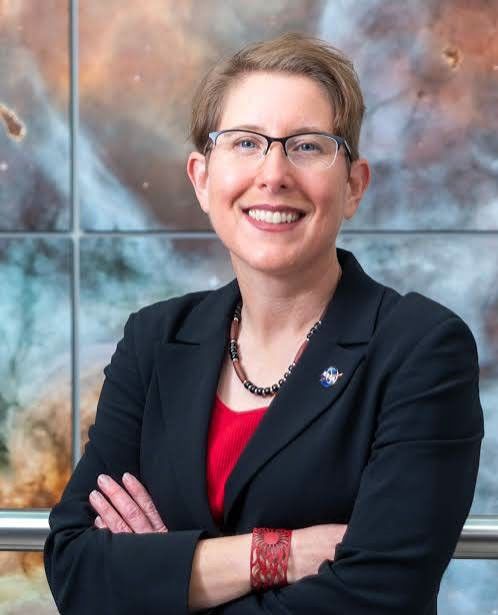
Dr. Jane Rigby is the Senior Project Scientist for the James Webb Space Telescope, providing the leadership necessary to ensure the mission meets its scientific goals. With a Ph.D. in astronomy from the University of Arizona, her research focuses on galaxy evolution, star-forming galaxies, and active galactic nuclei. She has published over 140 peer-reviewed papers utilizing premier observatories like Hubble, Keck, and Magellan. Also an American Astronomical Society (AAS) trustee, Rigby is highly recognized for her research, mentorship, and advocacy, with honors including the NASA Exceptional Scientific Achievement Medal, the 2022 LGBTQ+ Scientist of the Year, and the Explorers Club Citation of Merit.
News Straight to Your Inbox
Subscribe to your community email news list
We will never share your email address.