





















AGN SIG Seminar
Active Galactic Nuclei Science Interest Group
DATE
Nov 22, 2022
TIME
12:00 pm EST
COMMUNITY
AGN SIG
TYPE
Seminar
JWST / MIRI MRS view of the jet-ISM interaction in NGC 7319. Missing jet energy?
Miguel Pereria Santaella
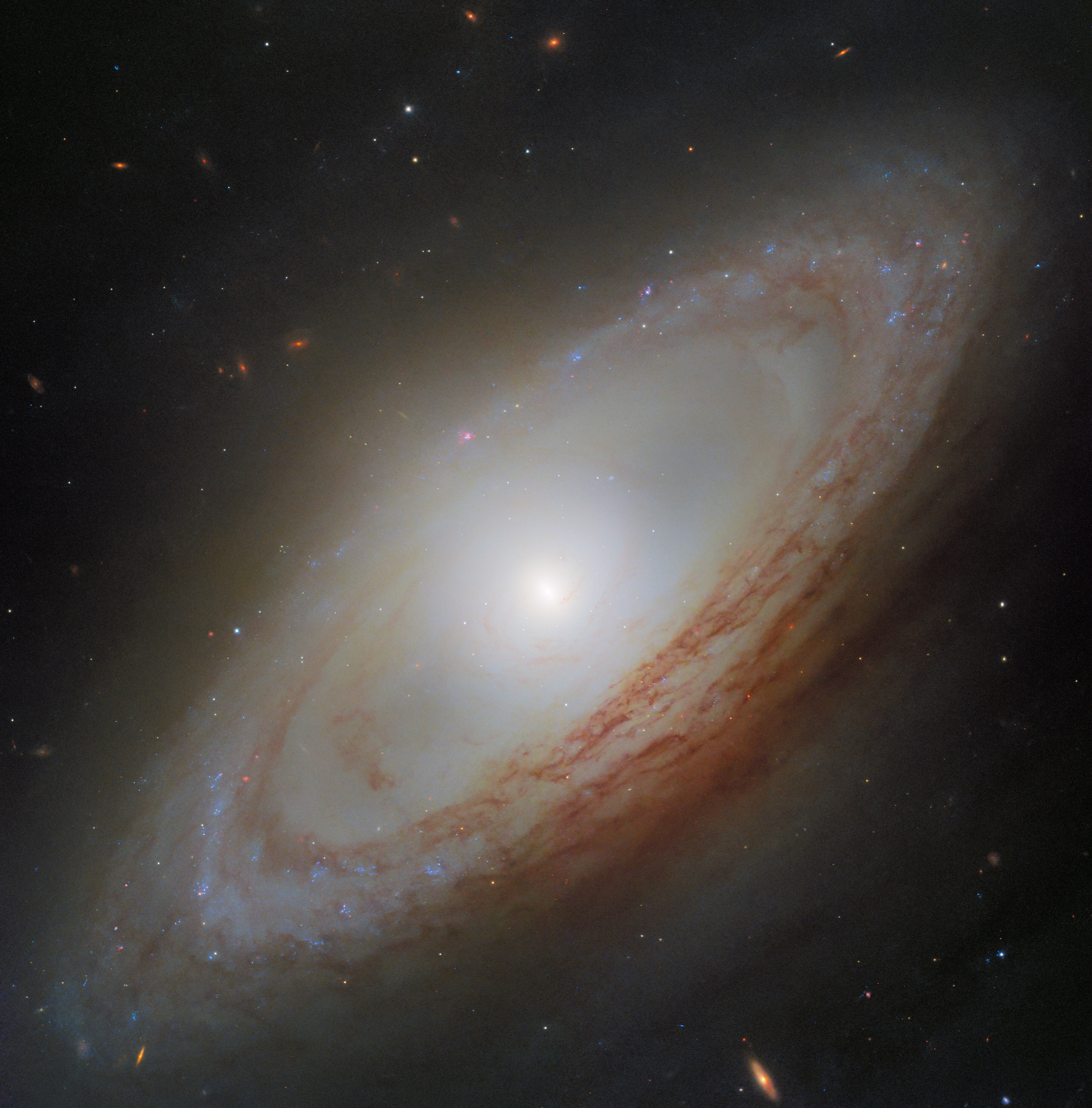
Feedback from AGN plays a central role in the evolution of galaxies according to simulations. In particular, radio-jet/kinetic mode AGN feedback, which takes place in low accretion AGN, can be an important evolution driver for the majority of galaxies. Contrary to high-power radio jets, which easily pierce the ISM, low-power radio jets are expected to remain for a longer time trapped in the ISM around the AGN affecting larger gas volumes, thus potentially having a much larger impact on the nuclear regions. MIRI/MRS mid-IR spectroscopy of NGC7319 (the largest spiral in the Stephan’s Quintet which hosts a type 2 Seyfert AGN with a low-power radio jet) was obtained as part of the JWST Early Release Observations. In this talk I will present the initial analysis of the MIRI data which, for the first time, spatially resolve the interaction between the radio jet and the ISM. We detect extended high-ionization emission ([MgV], [NeVI], and [NeV]) close to the jet axis and enhanced warm/hot molecular H2 and ionized gas emission at the radio hotspots. The mechanical energy of these gas phases at the radio hotspots is <1% of the jet energy, well below the expected value from relativistic jet simulations. I will discuss possible scenarios to explain this result which is apparently at odds with the predictions of simulations.
Find the schedule and list of speakers on our website.
News Straight to Your Inbox
Subscribe to your community email news list
We will never share your email address.
