









NASA Science
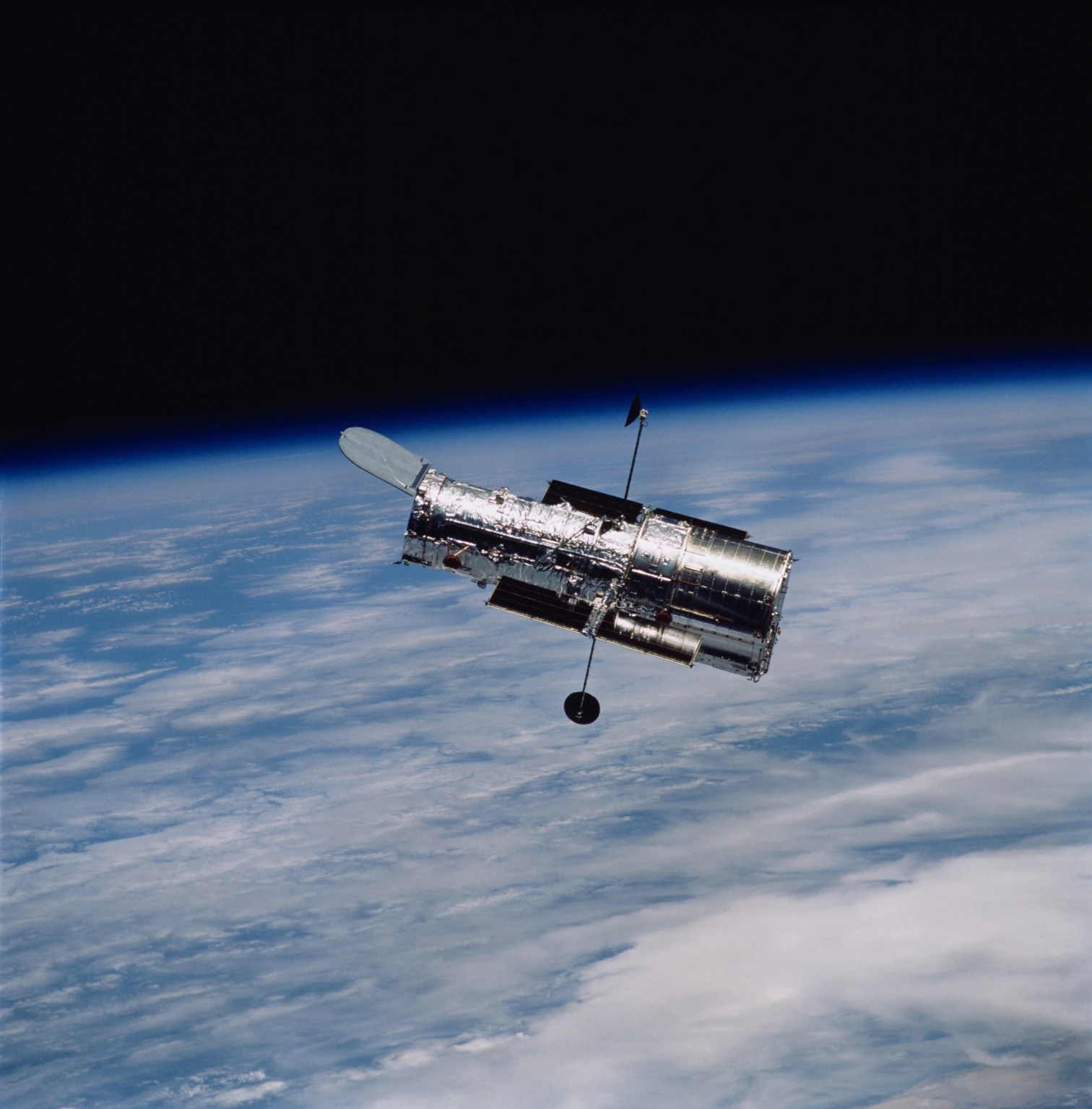
NASA Science seeks to discover the secrets of the universe, search for life elsewhere, and protect and improve life on Earth and in space.


-1.jpg?w=2550&h=2700&fit=clip&crop=faces%2Cfocalpoint)
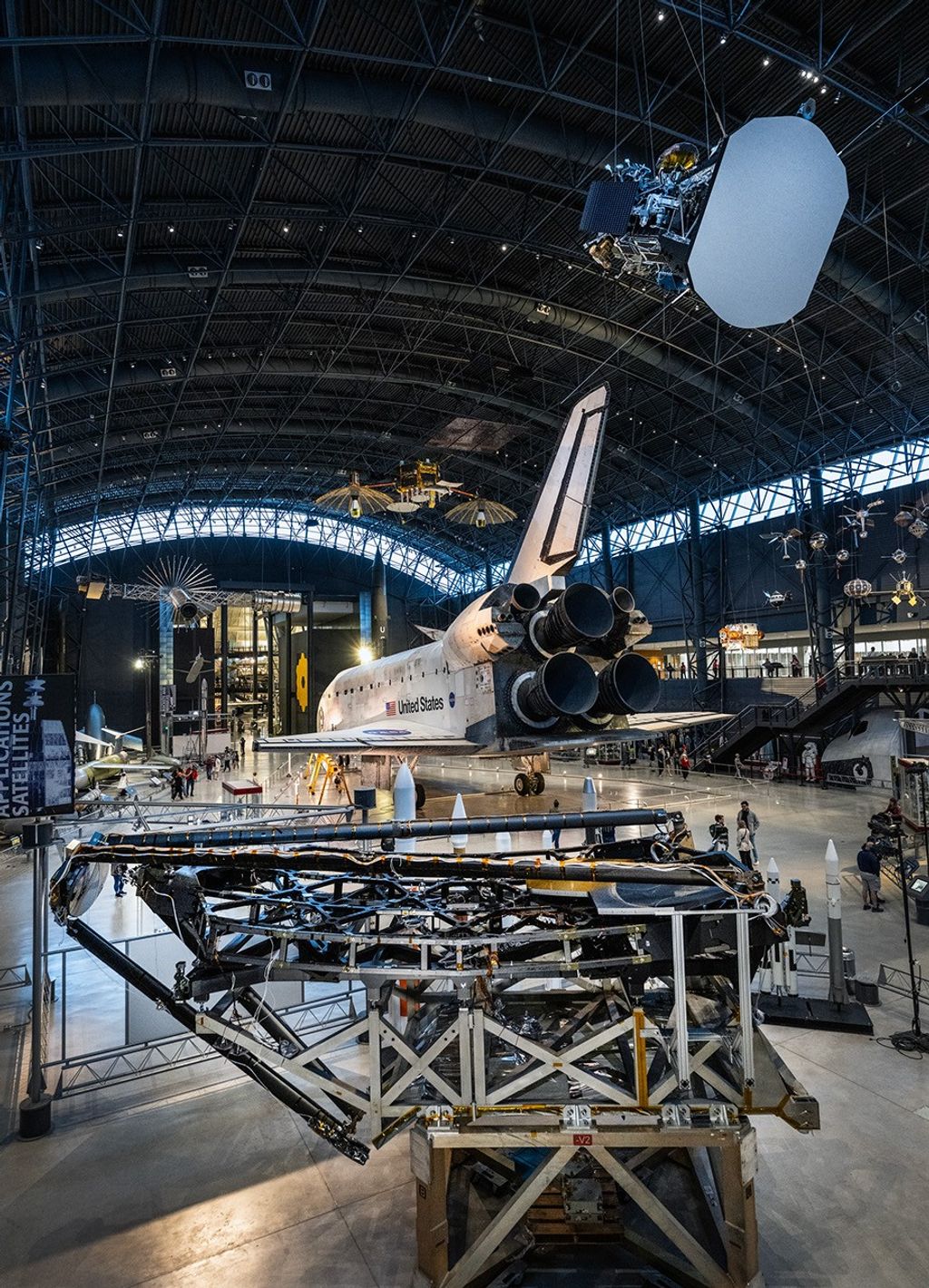
Experience the closest thing to standing next to the actual JWST
Joining other historic NASA missions like Apollo, Voyager, and the Discovery Space Shuttle, Webb’s Optical Telescope Element Pathfinder has made its way to the Steven F. Udvar-Hazy Smithsonian museum for permanent display.
The Pathfinder is the largest intact mirror support structure of its kind, comprised of exotic lightweight materials invented for the purpose of seeing near to the very limits of the observable universe.
Featured Missions
Our mission milestones showcase the breadth and depth of NASA science.

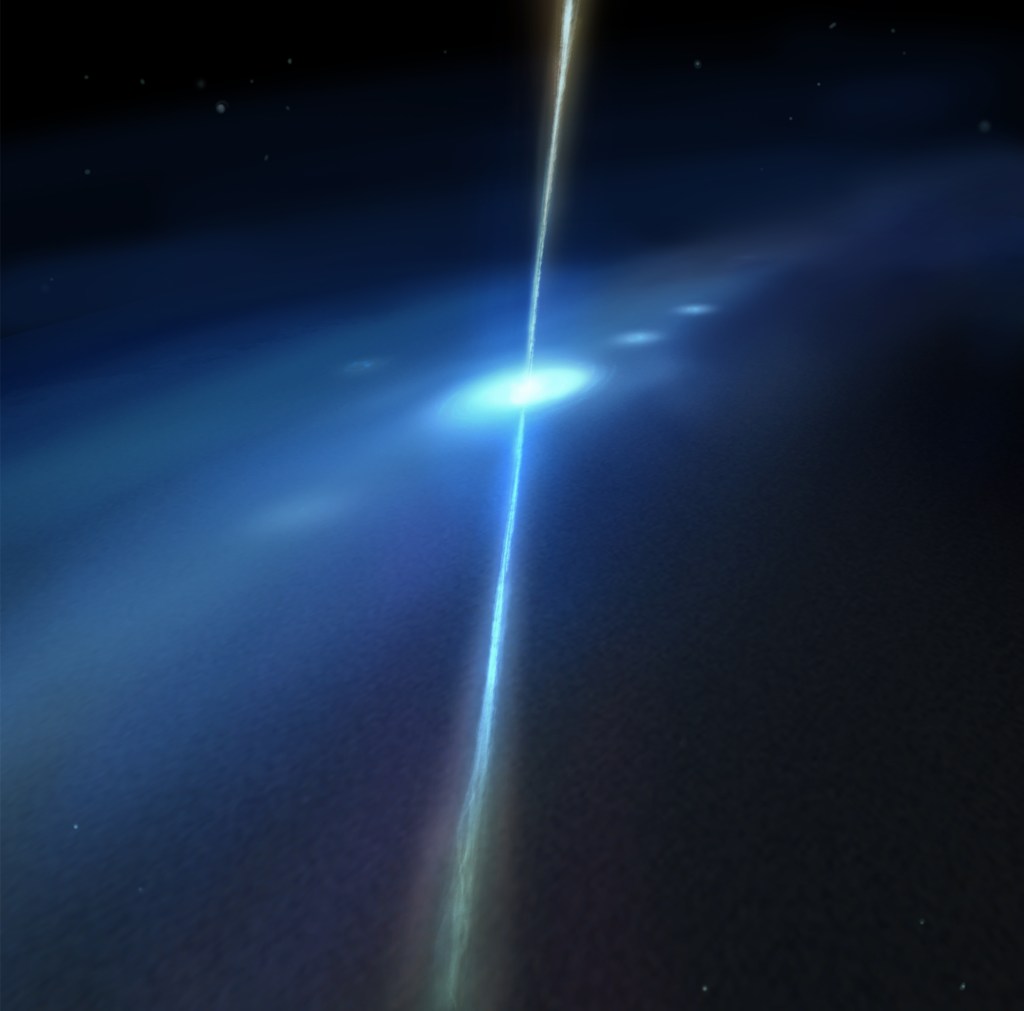
IMAP
Launched September 24, 2025, IMAP will help researchers better understand the boundary of the heliosphere, a huge bubble created by the Sun surrounding and protecting our solar system.
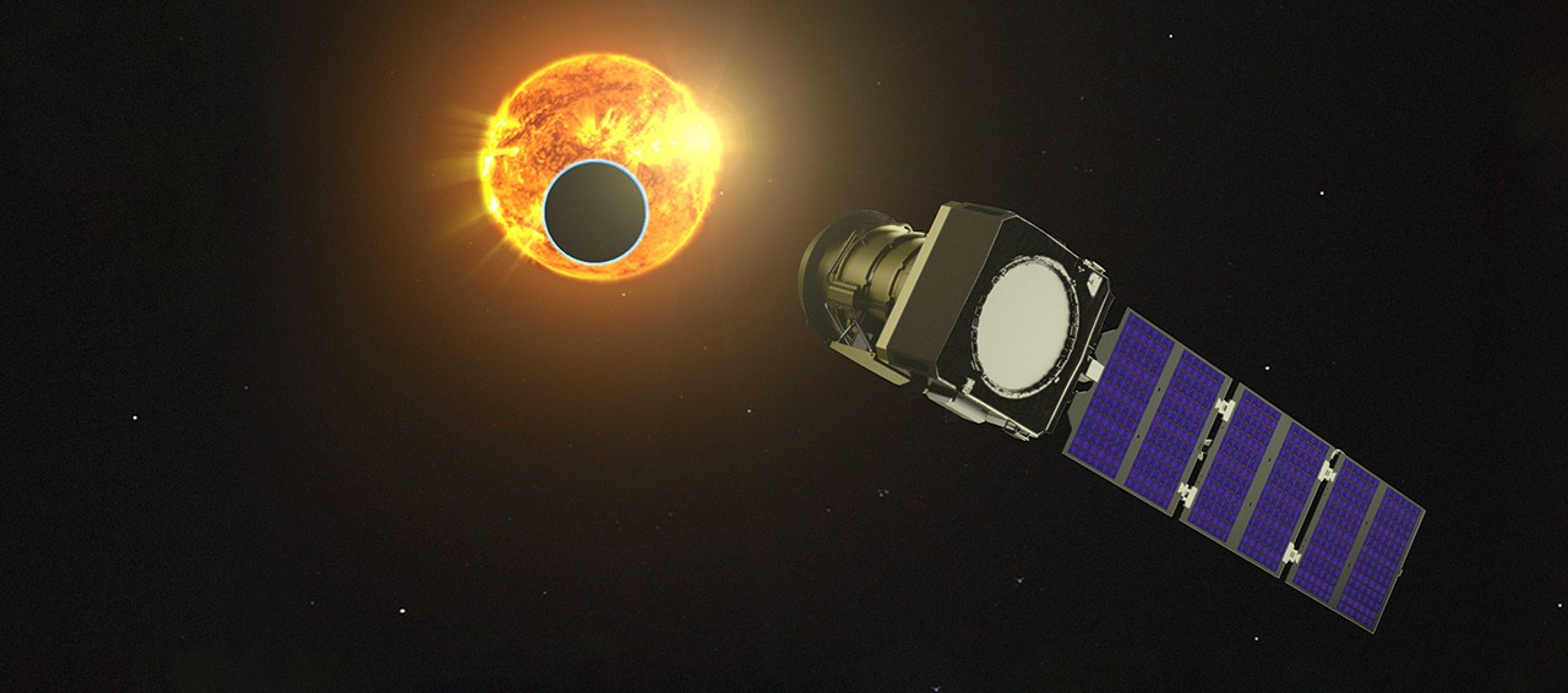
Pandora
Pandora is a small satellite designed to characterize exoplanet atmospheres and their host stars. It is slated to observe at least 20 different planets during its one year of science operations.
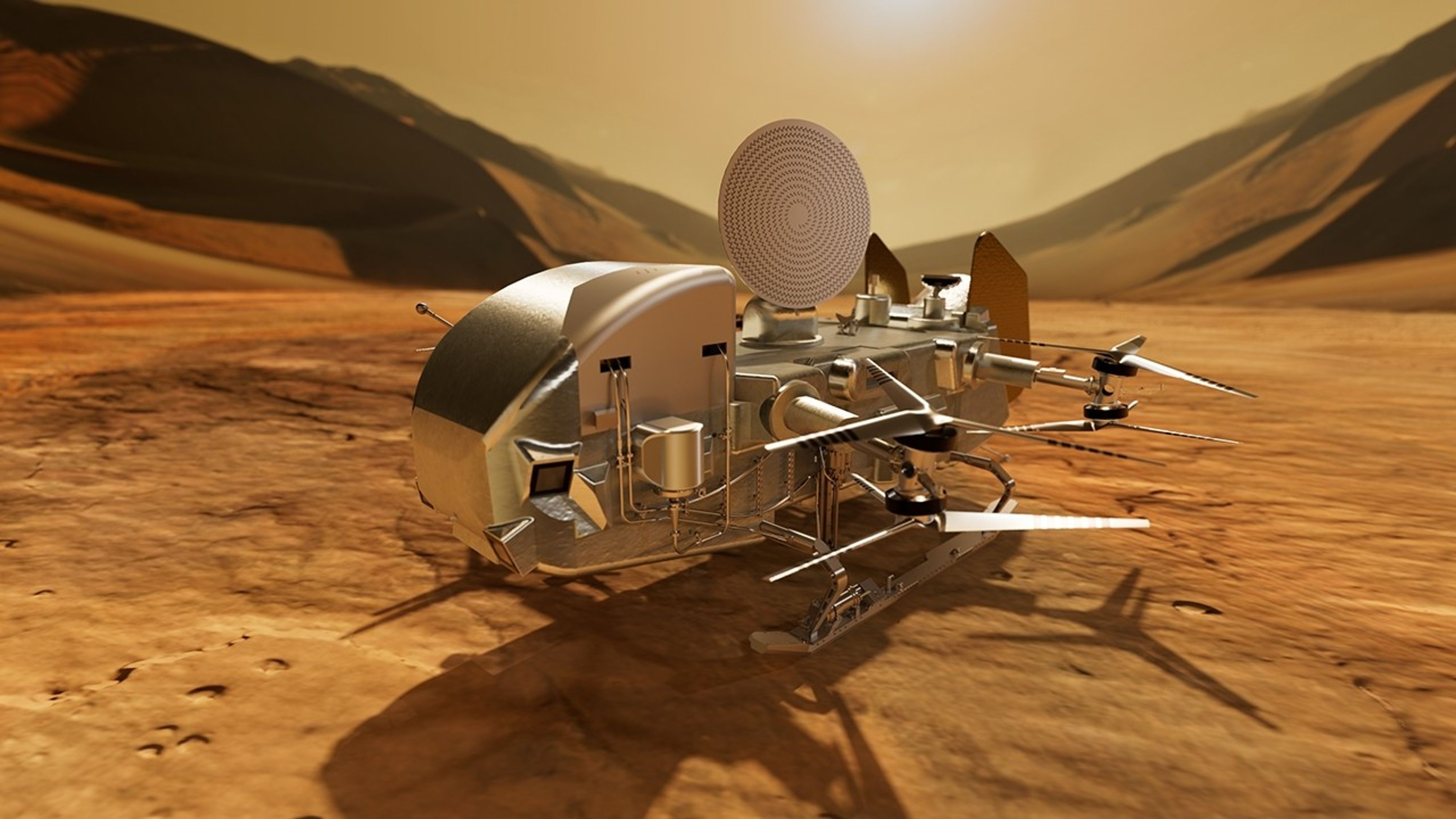
Dragonfly
Dragonfly, the first-of-its-kind rotorcraft to explore another world, will fly to various locations on Saturn’s moon Titan and investigate the moon’s habitability.
What’s Up: March 2026 Skywatching Tips
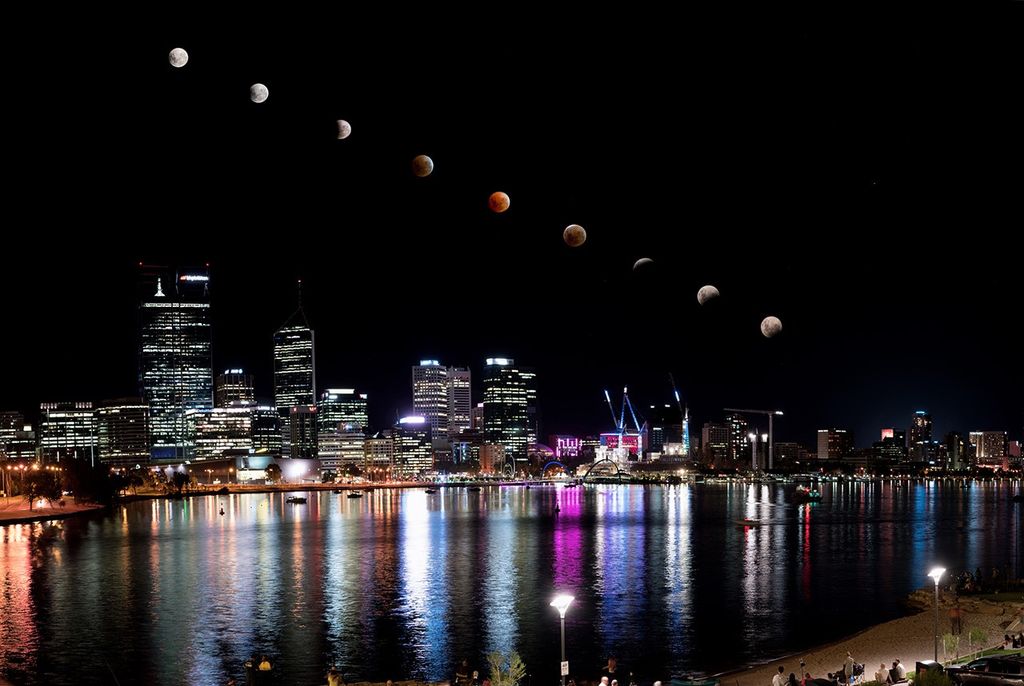
A total lunar eclipse blood moon takes centre stage, Venus and Saturn cozy up for a conjunction, and we celebrate the vernal equinox.
More Skywatching Tips from NASA2026 NASA Science Calendar
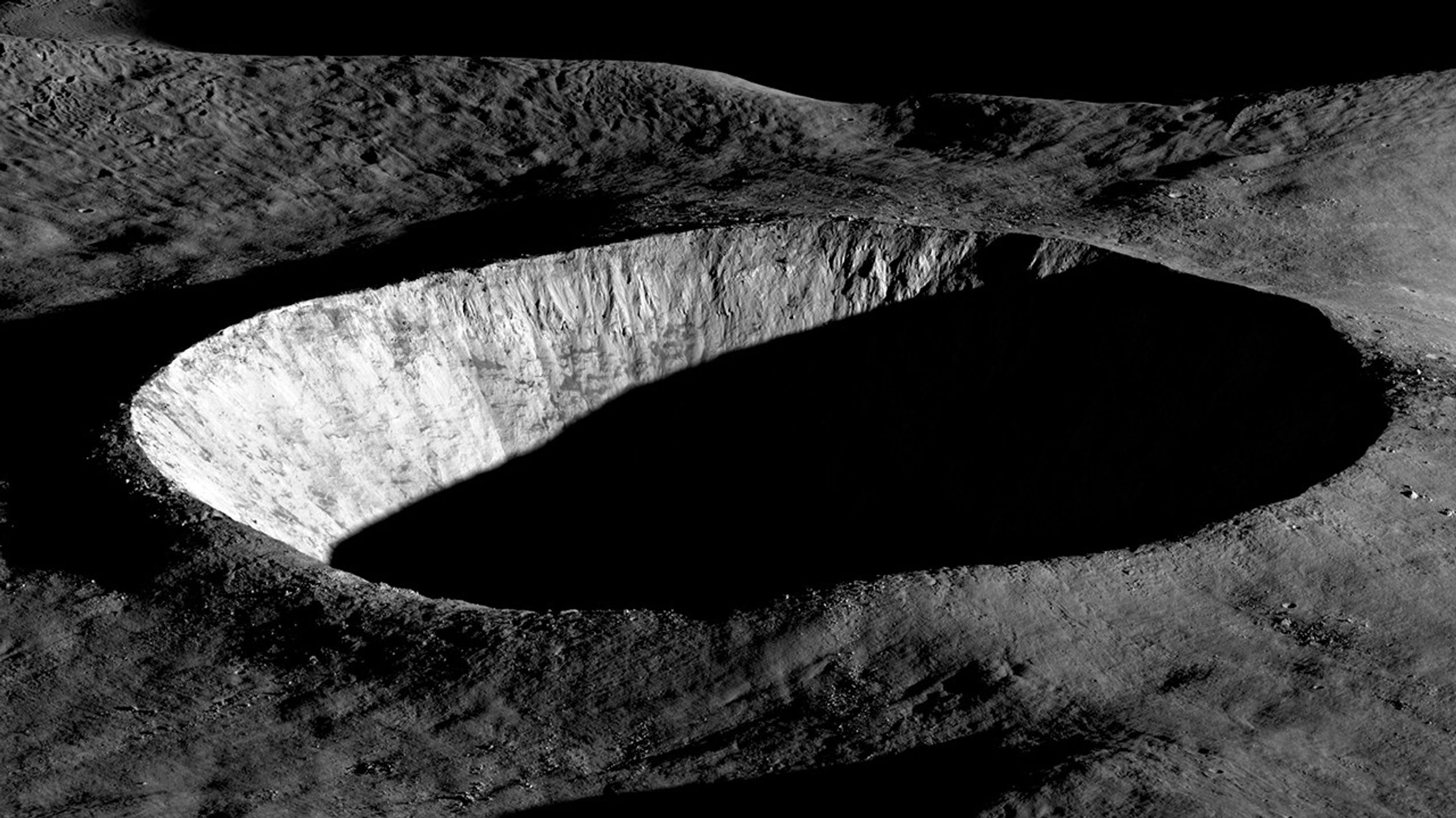
Image of the Month
March: Good Morning, Moon. The image was taken by LROC (Lunar Reconnaissance Orbiter Camera)
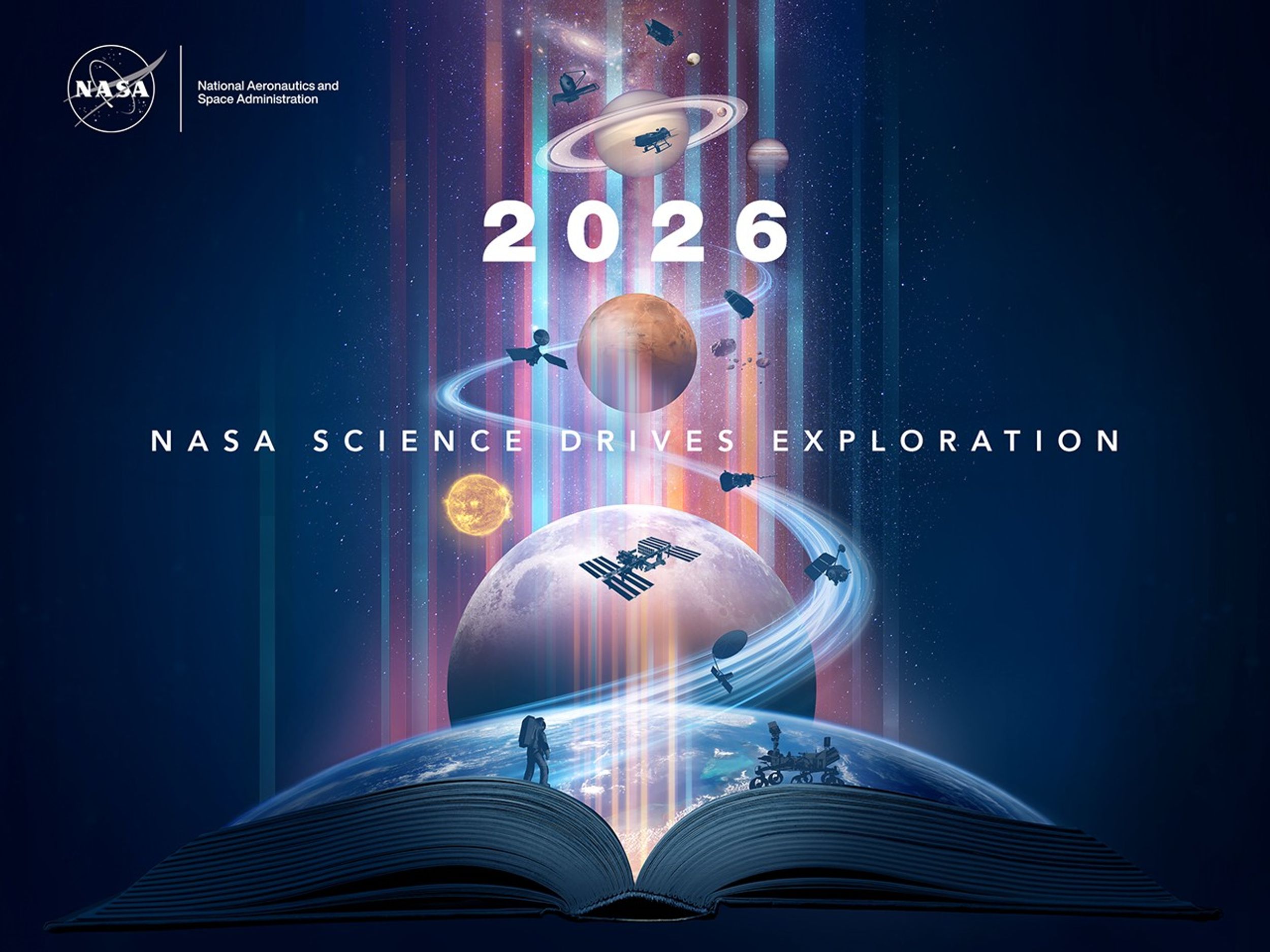
Download the Cover
Learn about those of the NASA corps who make “space sailing” their career profession.

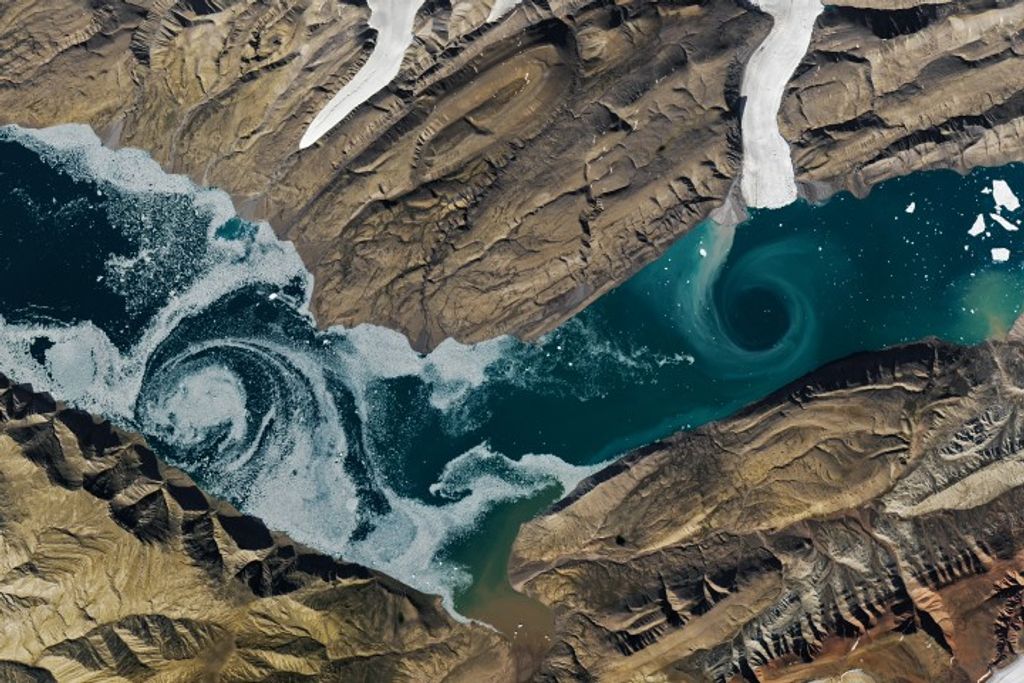
NASA Volunteers help discover Earth-like candidate planet
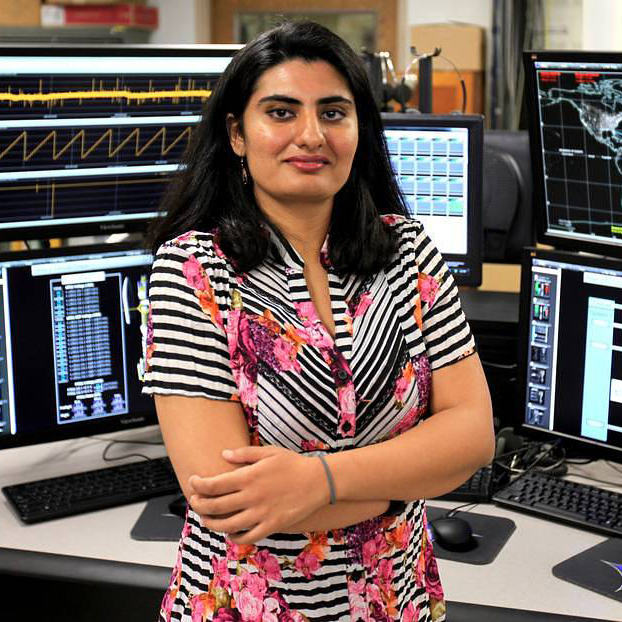
Volunteers in a NASA citizen science project that is itself led by a former citizen scientist who is now a professional scientist, recently helped discover a candidate planet remarkably similar to Earth.
Learn More about NASA Volunteers help discover Earth-like candidate planet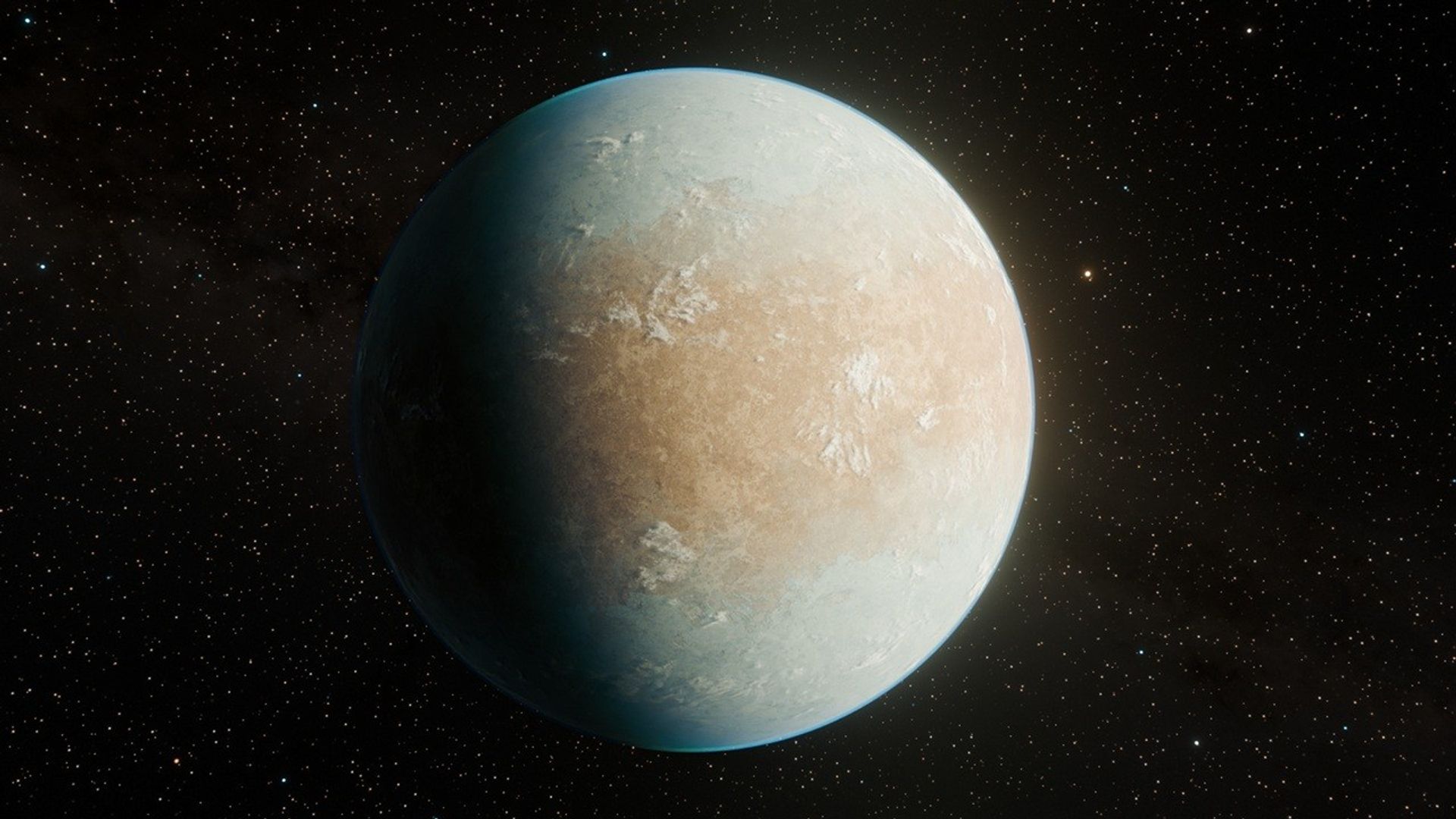
Most Notable 2026 Astronomical Events
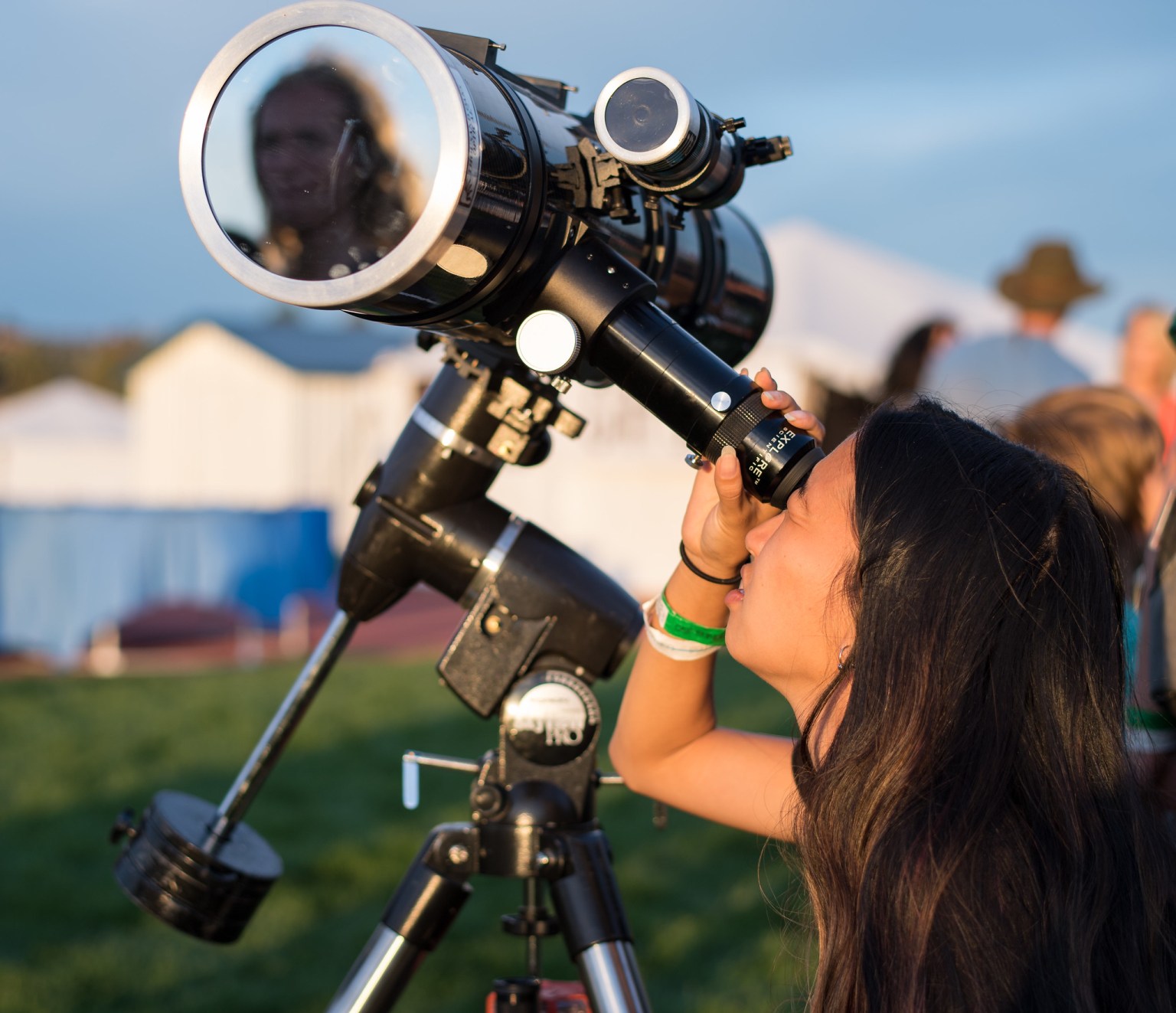
This year will be busy for avid skywatchers, with some incredible opportunities to view meteor showers, planets, and the Moon in the night sky.
See the Top Sky Watching Events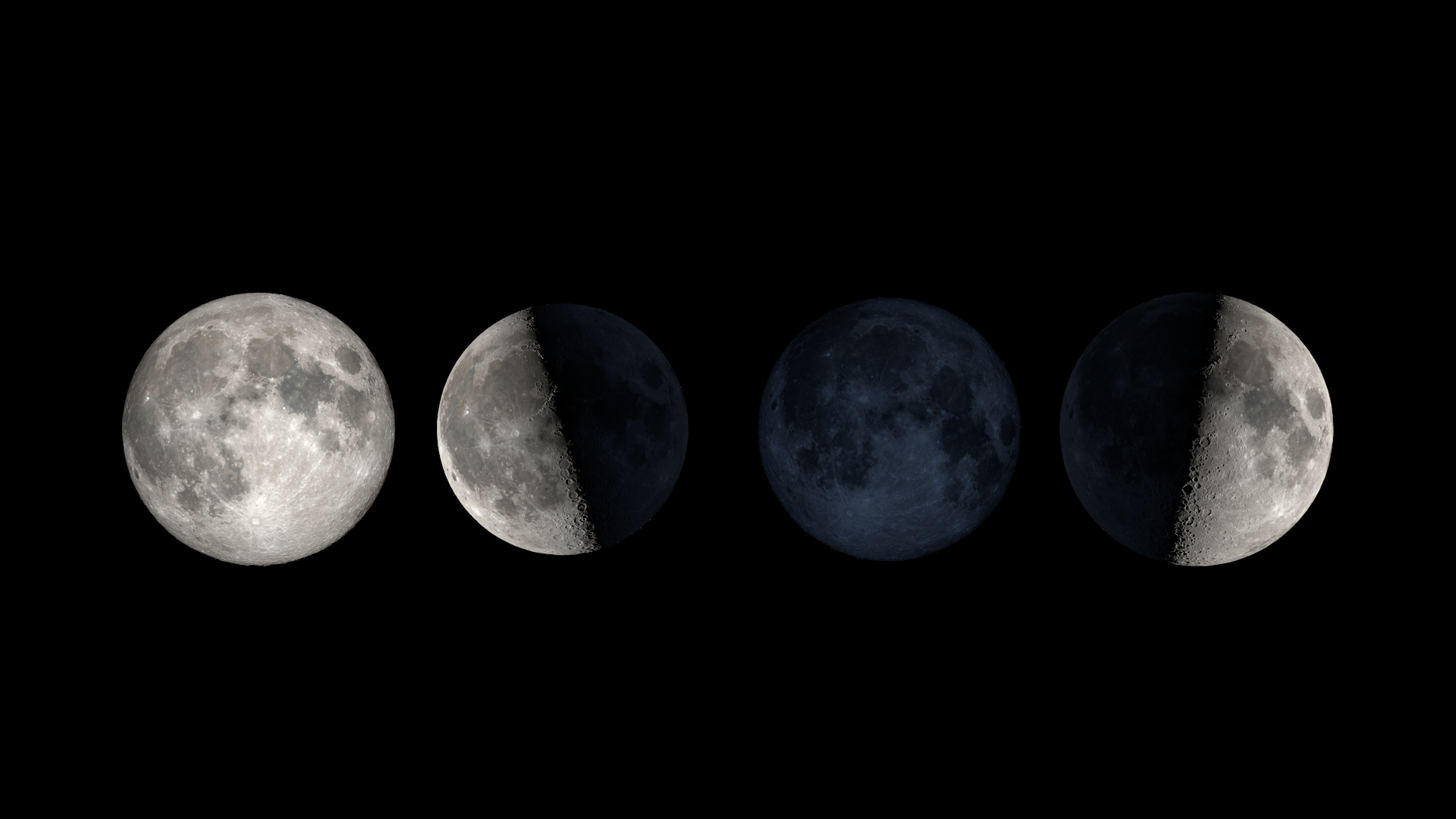
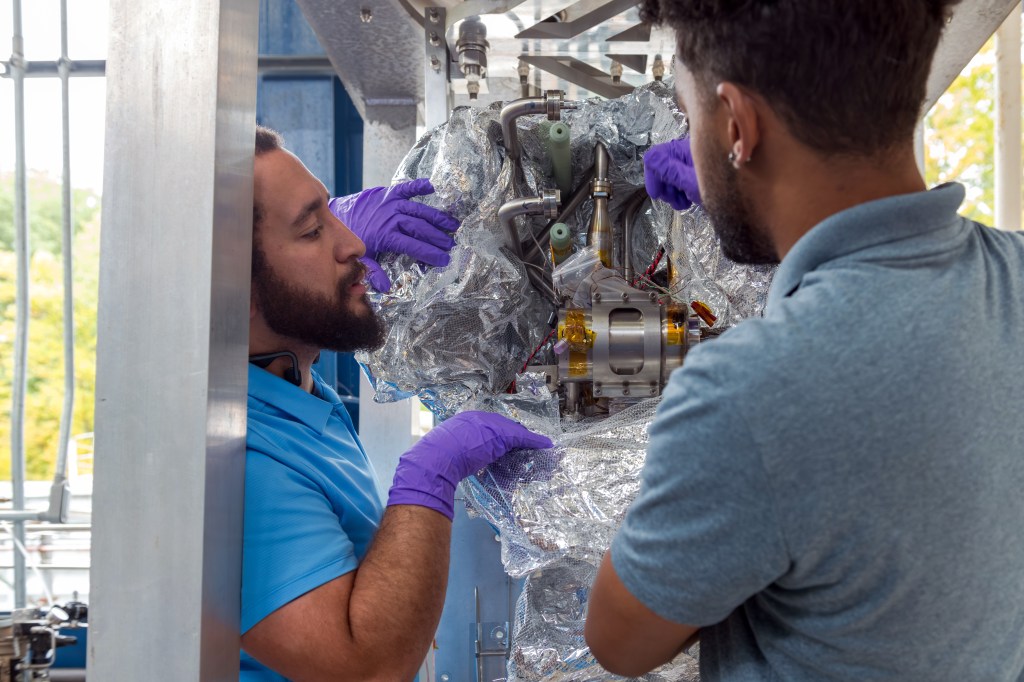
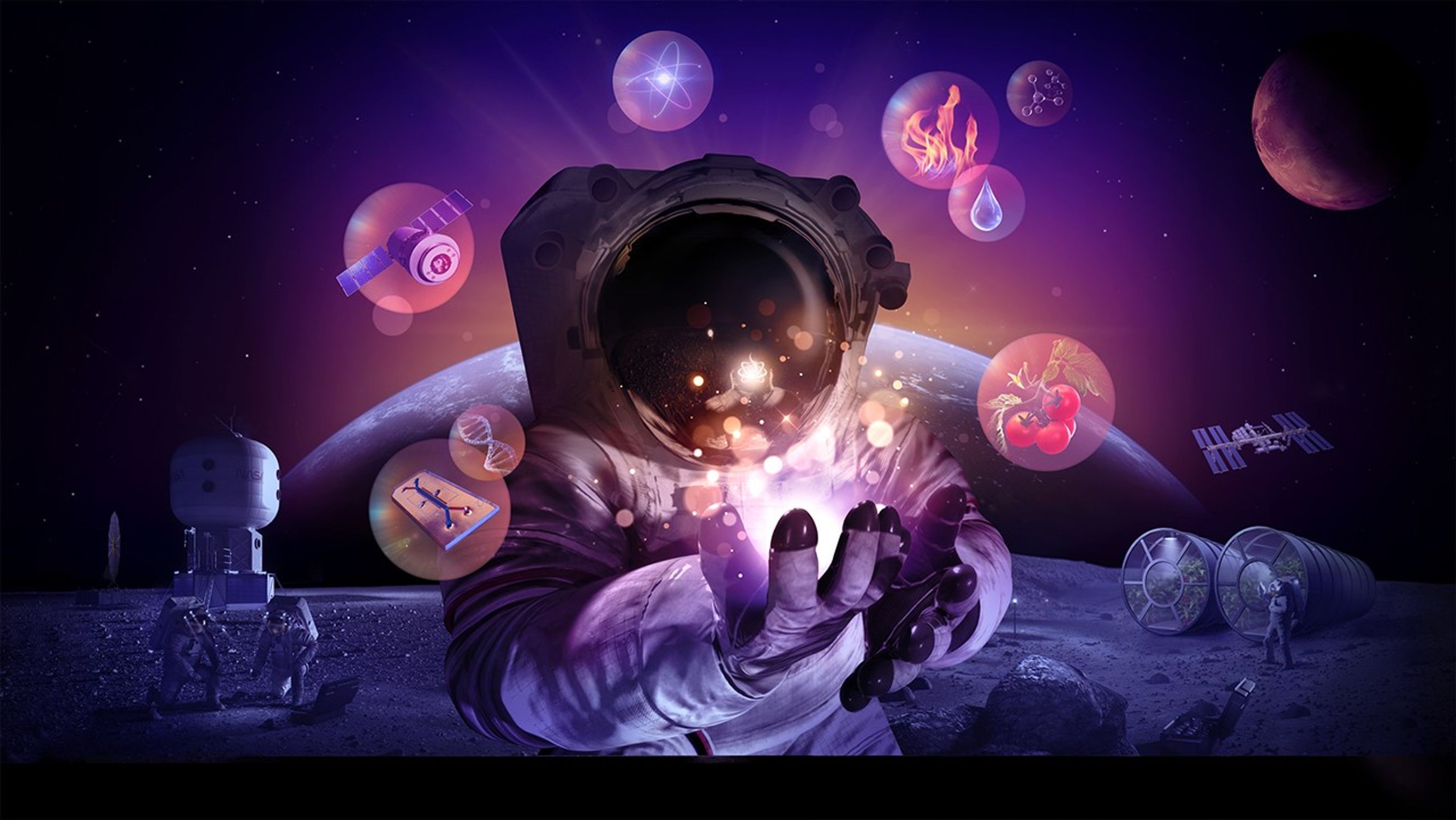
Division Highlight: Biological & Physical Sciences
Revolutionary research in extraordinary places
BPS research contributes to breakthroughs that advance national priorities and maintain U.S. leadership in science and technology.
Studying the fundamental effects of space stressors (such as radiation and microgravity) on biological and physical phenomena promotes mission success and benefits life on Earth.
Dive Deeper
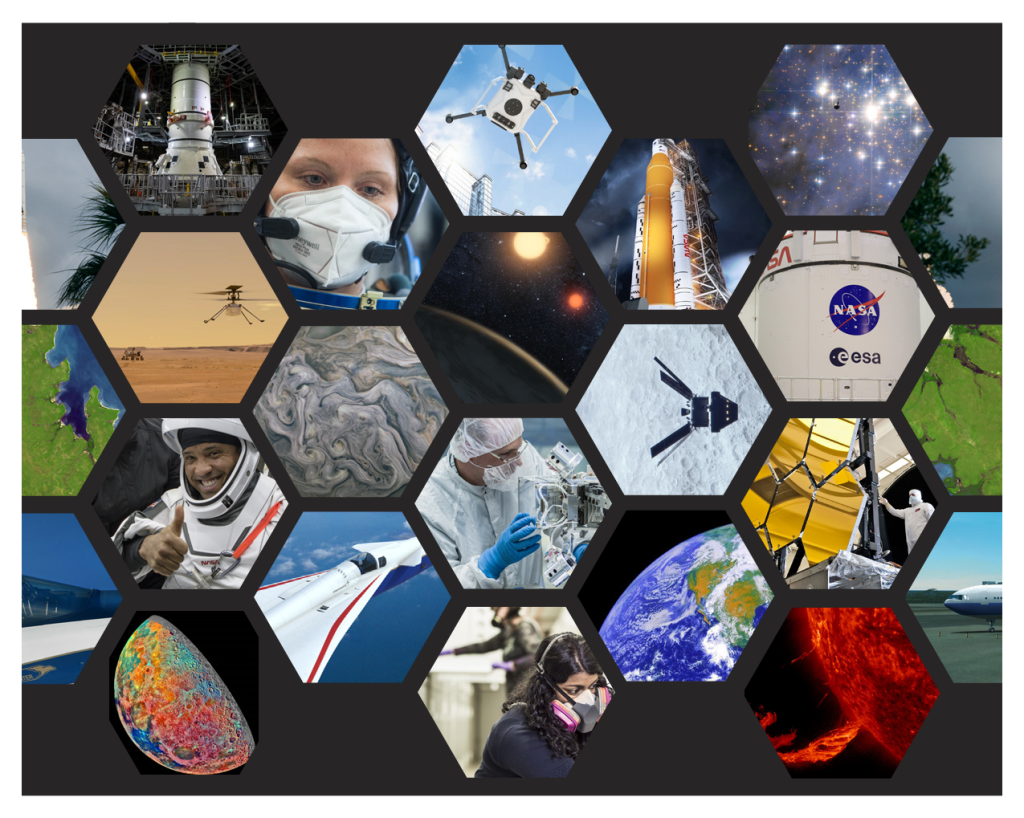
NASA Science Strategy
Our science strategy articulates a forward-thinking vision and presents a comprehensive, cohesive and long-term roadmap for all NASA activities.

People of NASA Science
Meet the individuals who are instrumental in enabling the realization of NASA Science’s extraordinary mission.
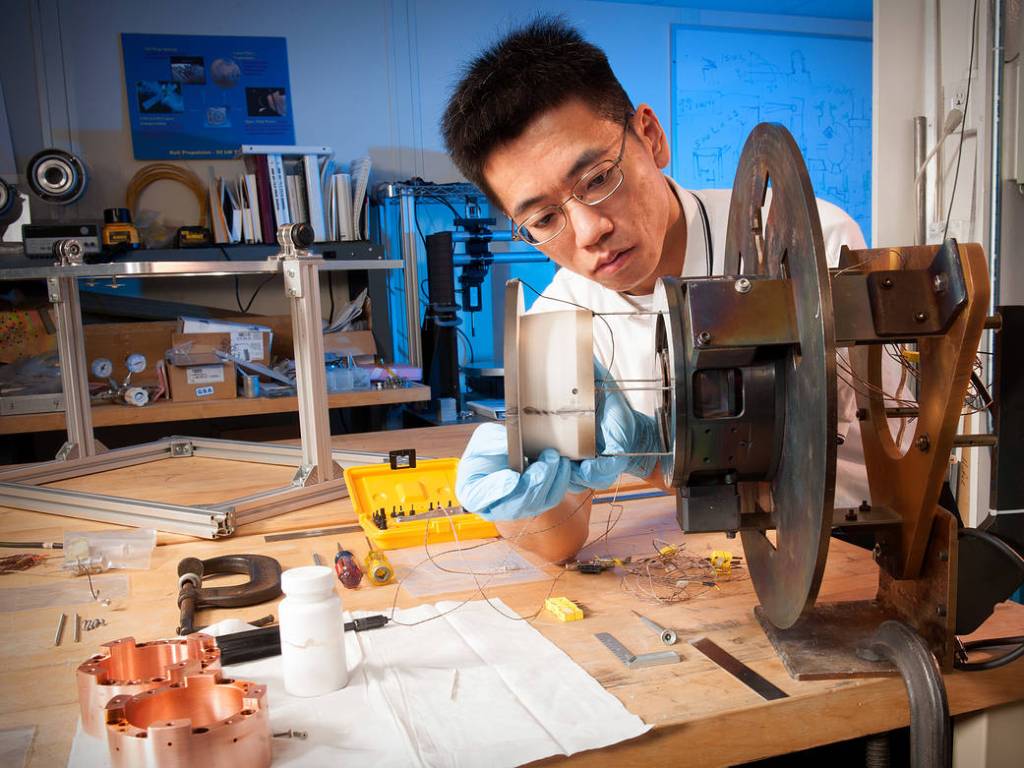
NASA Science Careers
Discover career opportunities at NASA Science, where innovation, growth and collaboration shape the future of scientific exploration.