






















1 min read
GOODS-S/ERS2 Field (Hubble)

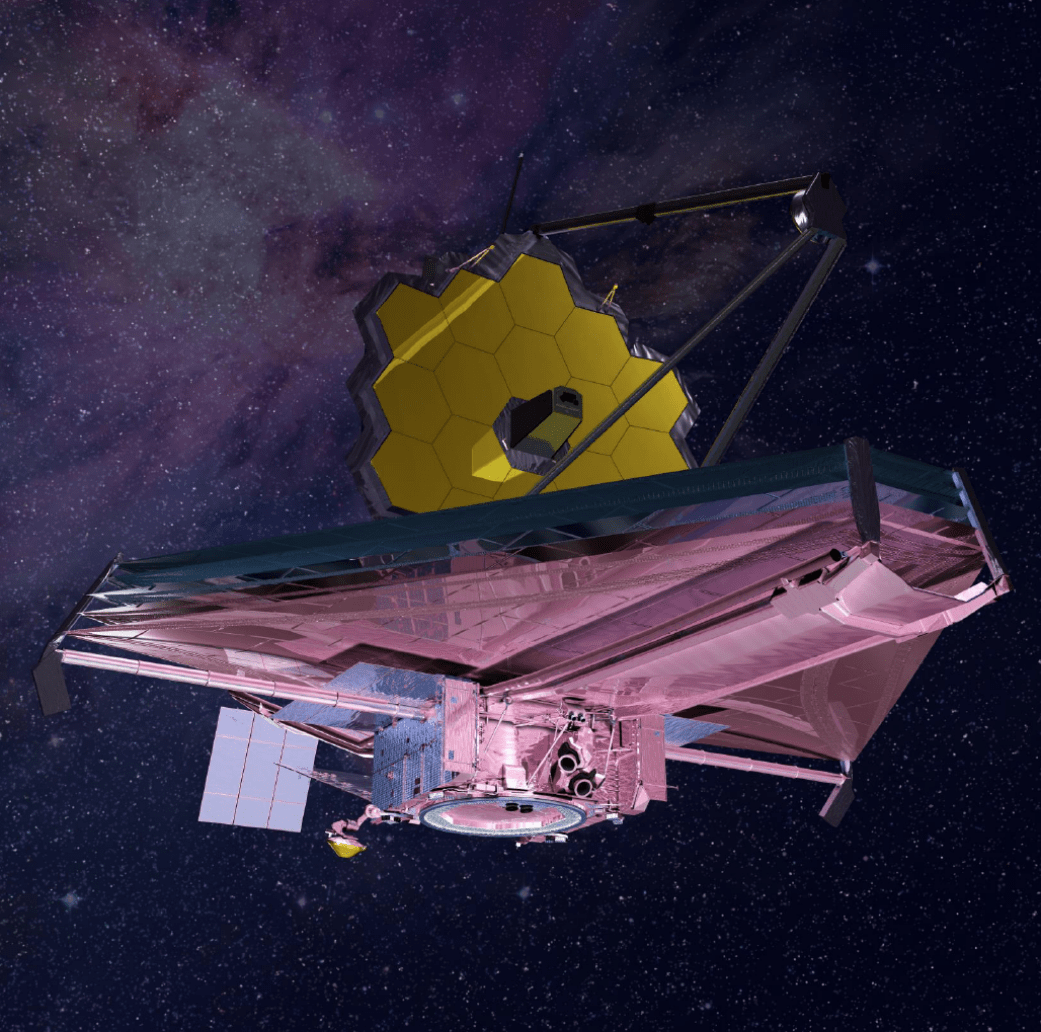
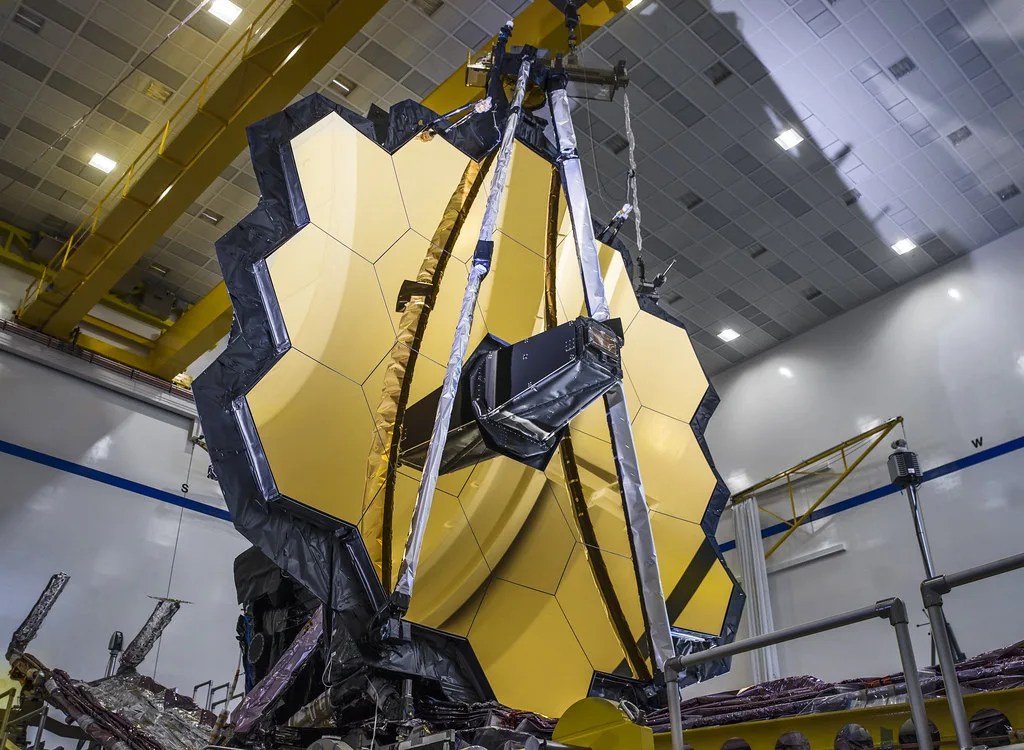
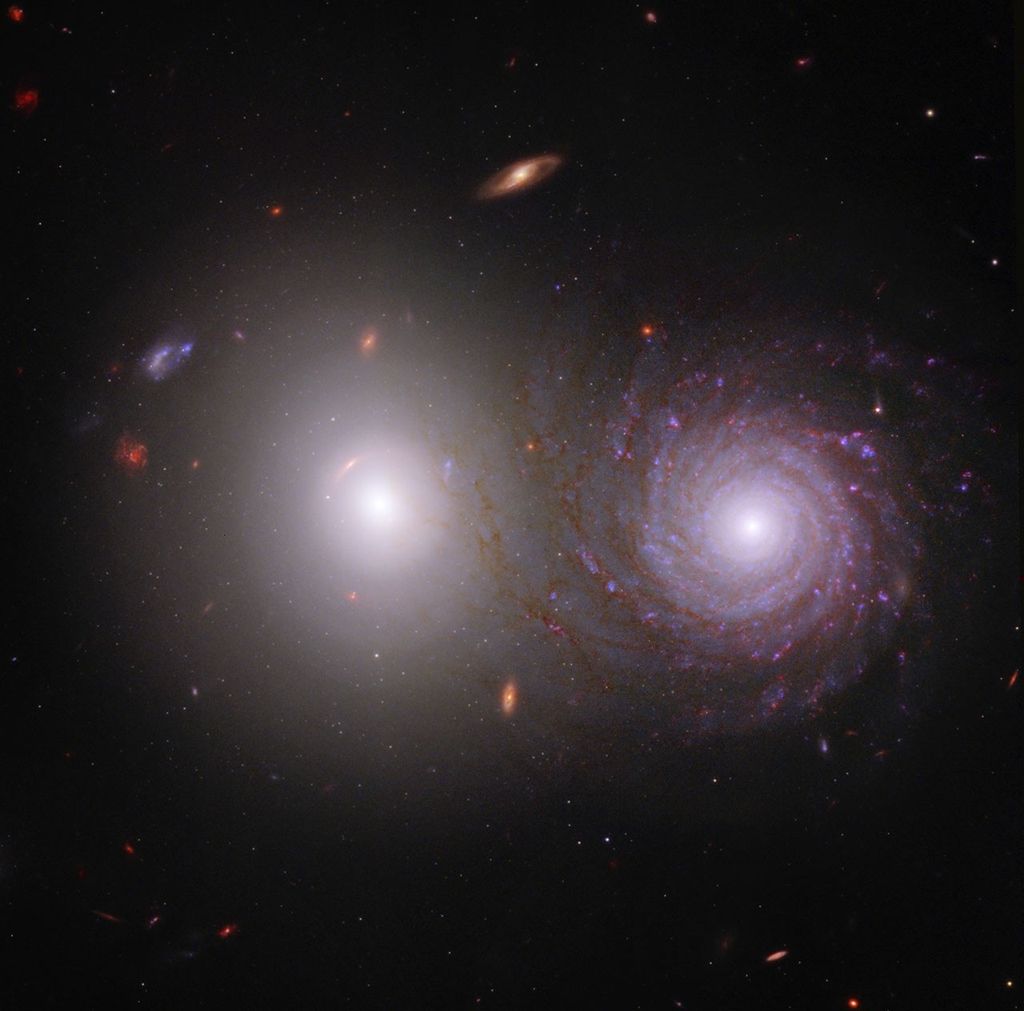
This is a Hubble Space Telescope view of a portion of GOODS-South, the southern field of a large deep-sky study by several observatories to trace the formation and evolution of galaxies. The image shows a rich tapestry of 7,500 galaxies stretching back through most of the universe's history. The farthest galaxies, a few of the very faint red specks, are seen as they appeared more than 13 billion years ago, or roughly 650 million years after the Big Bang. Soon, the James Webb Space Telescope will peer back even farther into this field to trace the formation and evolution of the very first galaxies.
About the Object
- R.A. PositionR.A. PositionRight ascension – analogous to longitude – is one component of an object's position.03h 32m 40.23s
- Dec. PositionDec. PositionDeclination – analogous to latitude – is one component of an object's position.-27° 43' 9.86"
- ConstellationConstellationOne of 88 recognized regions of the celestial sphere in which the object appears.Fornax
- DimensionsDimensionsThe physical size of the object or the apparent angle it subtends on the sky.This image is approximately 9.68 arcminutes wide by 4.27 arcminutes high.
About the Data
- Data DescriptionData DescriptionProposal: A description of the observations, their scientific justification, and the links to the data available in the science archive.
Science Team: The astronomers who planned the observations and analyzed the data. "PI" refers to the Principal Investigator. - InstrumentInstrumentThe science instrument used to produce the data.HST>ACS/WFC, HST>WFC3/UVIS, and HST>WFC3/IR
- Exposure DatesExposure DatesThe date(s) that the telescope made its observations and the total exposure time.Sept. 2002 - Dec. 2004, Exposure Time: 96 orbits (ACS) and Sept. 6, 2009 - Oct. 11, 2009, Exposure Time: 104 orbits (WFC3)
- FiltersFiltersThe camera filters that were used in the science observations.WFC3/IR: F098M, F125W, and F160W ACS/WFC: F435W, F606W, F775W, and F850LP WFC3/UVIS: F225W, F275W, and F336W
- Object NameObject NameA name or catalog number that astronomers use to identify an astronomical object.GOODS-S/ERS, GOODS South Field WFC3 Early Release Science Data (GOODS-S WFC3 ERS), Chandra Deep Field South (CDF-S)
- Object DescriptionObject DescriptionThe type of astronomical object.Cosmological Survey
- Release DateJanuary 15, 2021
- Science ReleaseBack to the Beginning: Probing the First Galaxies with Webb
- CreditImage: NASA, ESA, Rogier Windhorst (ASU), S. Cohen (ASU), M. Mechtley (ASU), M. Rutkowski (ASU), Robert O'Connell (UVA), P. McCarthy (OCIW), N. Hathi (UC Riverside), R. Ryan (UC Davis), Haojing Yan (OSU), Anton Koekemoer (STScI)
The image is a composite of separate exposures made by the WFC3 and ACS instruments on the Hubble Space Telescope. In total, 10 filters were used to sample a very wide wavelength range. The color results from assigning different hues (colors) to combinations of the monochromatic images. In this case, the assigned colors are: Red: WFC3/IR F125W + F160W Green: ACS/WFC F606W + F775W + F850LP + WFC3/IR F098M Blue: WFC3/UVIS F225W + F275W + F336W + ACS/WFC F435W
Share
Details
Laura Betz
NASA’s Goddard Space Flight Center
Greenbelt, Maryland
laura.e.betz@nasa.gov
NASA, ESA, Rogier Windhorst (ASU), S. Cohen (ASU), M. Mechtley (ASU), M. Rutkowski (ASU), Robert O’Connell (UVA), P. McCarthy (OCIW), N. Hathi (UC Riverside), R. Ryan (UC Davis), Haojing Yan (OSU), Anton Koekemoer (STScI)