











Cosmic Origins at AAS 240
The Cosmic Origins (COR) program presented activities at the 240th Meeting of the American Astronomical Society (AAS). Discovering more about our universe's origins is one of the key goals of NASA's Astrophysics Division. The COR program's topic areas include galactic and stellar evolution, dark matter, and the origins and effects of supermassive black holes.
Location
Pasadena, California
DATE
12 – 16 June 2022
COMMUNITY
Cosmic Origins
TYPE
Meeting
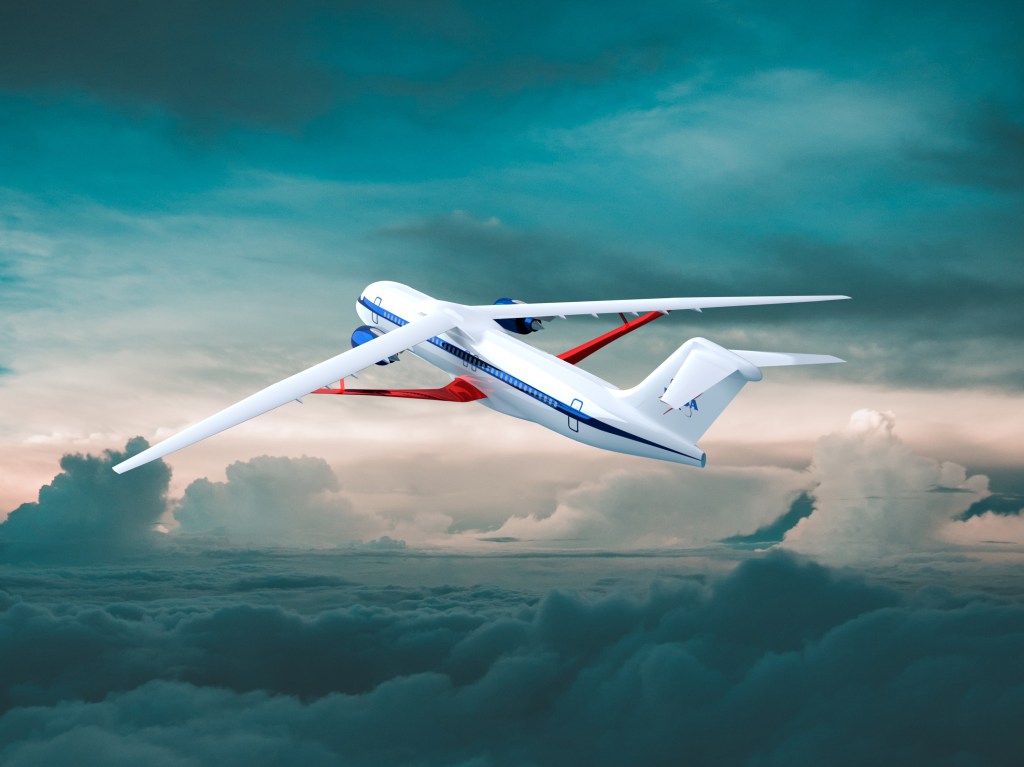
ASA Discoveries Highlighted at American Astronomical Society Meeting
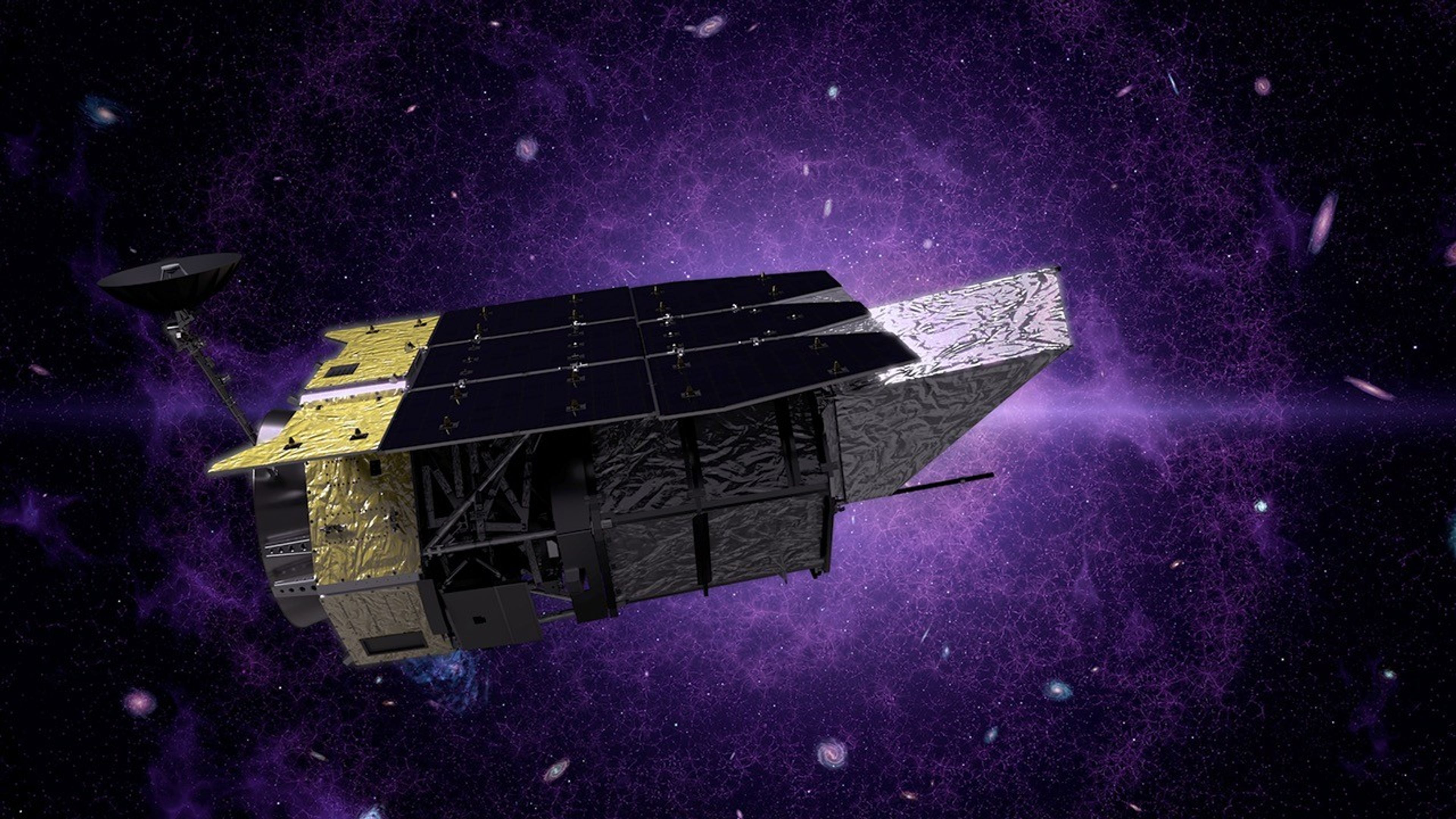
NASA’s Nancy Grace Roman Space Telescope to Help Untangle Galaxy Growth, Dark Matter Makeup
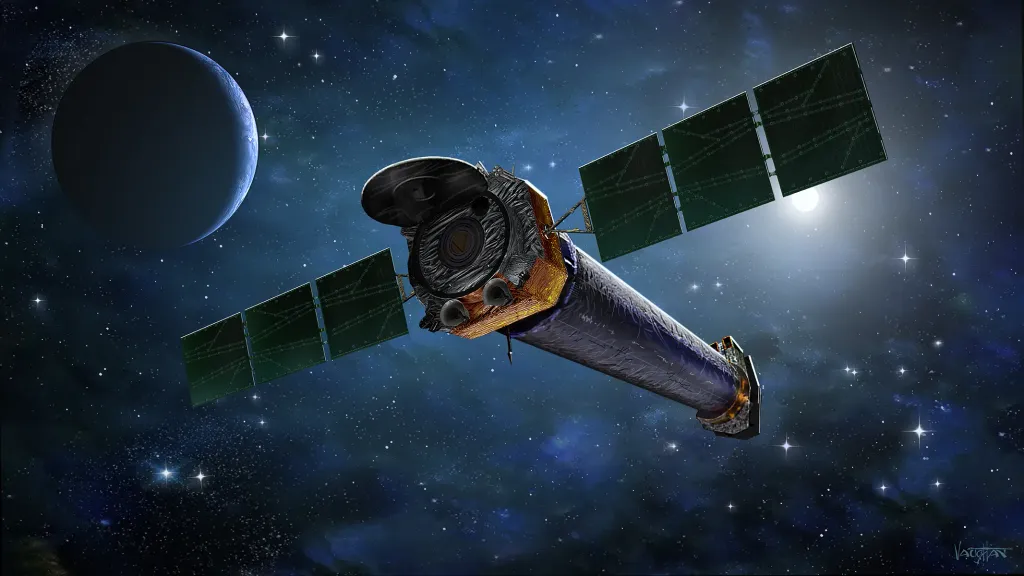
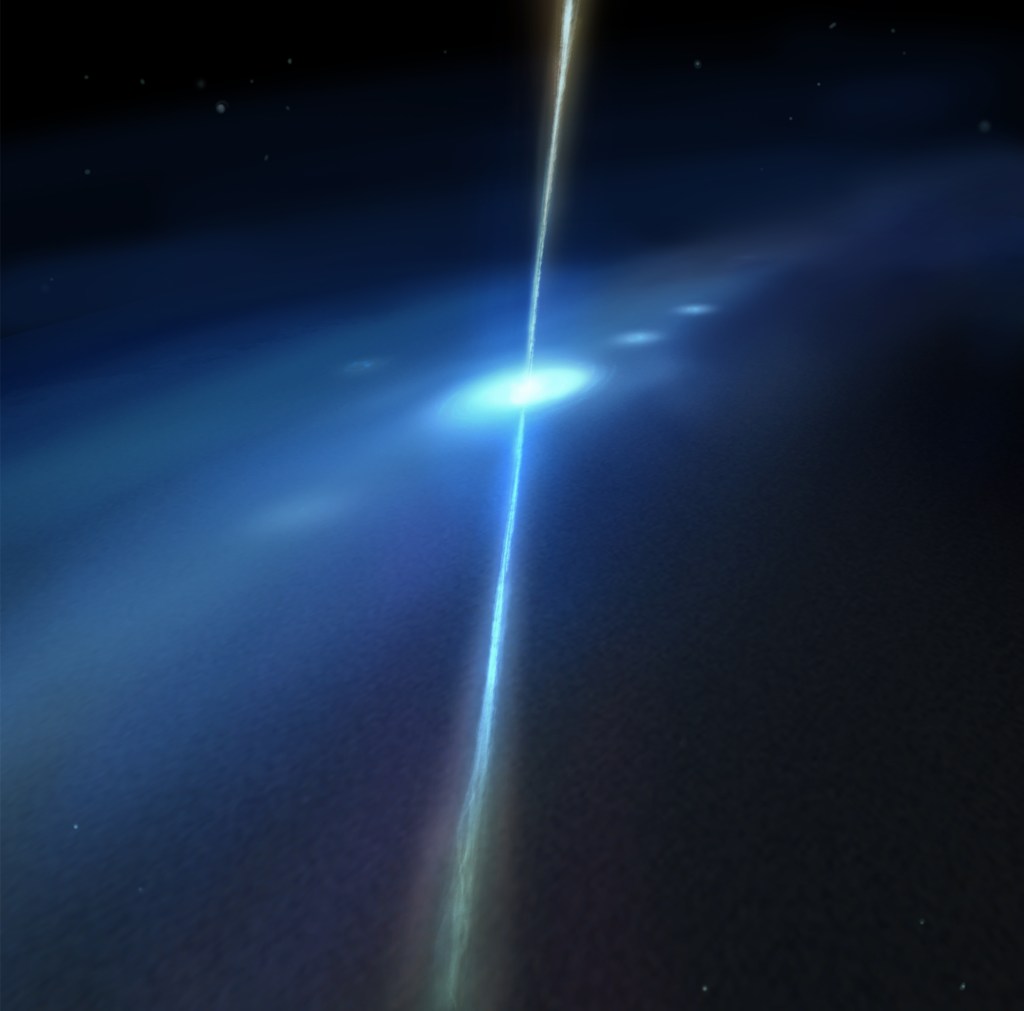
NASA’s Chandra Catches Pulsar in X-ray Speed Tra
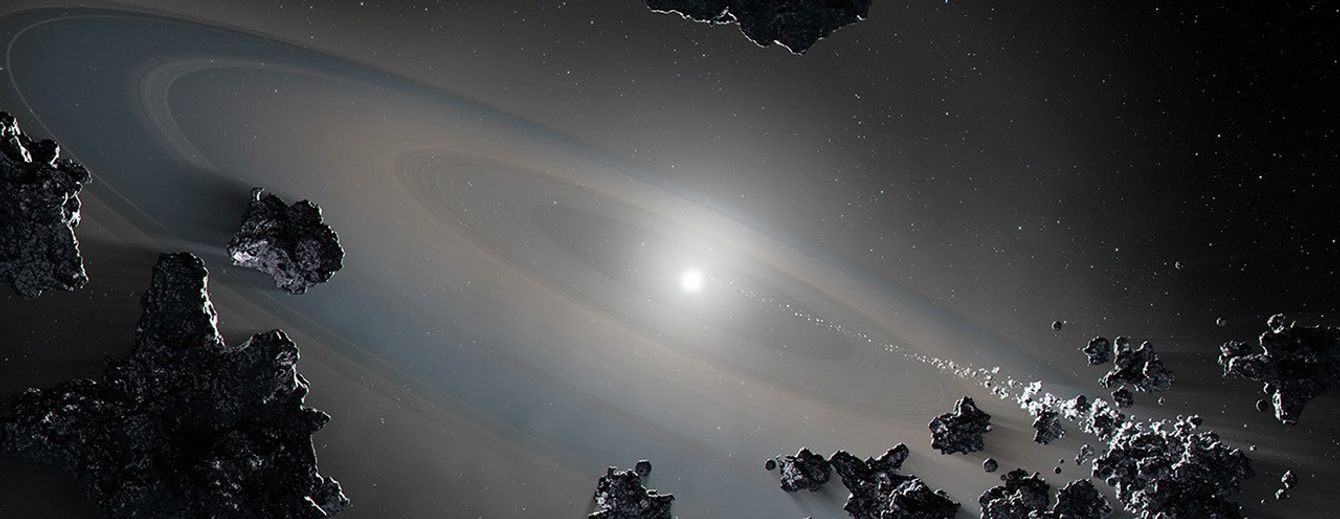
NASA Hubble Space Telescope: Dead Star Caught Ripping Up Planetary System

New Images Using Data From Retired Telescopes Reveal Hidden Features
Sunday June 12, 2022
NASA Joint PAG Session
Keynote speaker: Paul Hertz, NASA Astrophysics Division Director
Presentation [PDF]
Followed by Presentations on Astrophysics Technology Development
| Title | Speaker | Description |
|---|---|---|
| The 2022 APD Technology Gap List Presentation [PDF] | Opher Ganel, PhysCOS/COR Technologist | We will present the results from the community-submitted technology gaps process which factored in the recommendations of Astro2020. We will describe the process taken to collect, evaluate, disposition, and prioritize the gaps along with their assessment criteria. We will also show how to publicly access all the details. |
| Stage 1 Technology Activities for the Next Great Observatories Presentation [PDF] | Nick Siegler, ExEP Program Chief Technologist | NASA's Astrophysics Division has rolled out a response to Astro2020 that includes a focus on pre-cursor science and technology development. Here we will present the expected technology development activities during Stage 1. We will describe expected deliverables, the team that will serve in developing the high-level roadmaps to close the technology gaps, and how the community can get involved. |
Wednesday June 15, 2022
Splinter Session to Solicit Feedback on NASA Hubble Fellowship Program
At the 240th AAS meeting, there will be a splinter session consisting of a short overview by NHFP Program Scientist Patricia Knezek, followed by a panel-moderated discussion focused on obtaining feedback from the community about the relative priority of the recommendations and thoughts about effective ways to address the recommendations. The community is encouraged to attend either in-person at the AAS, or via WebEx:
Community Survey: Whether you can attend the AAS splinter session or not, we solicit your input via a form linked at the NHFP website. Prompt community input will help prioritize the splinter session discussions, but the survey in this form will remain available to the public until 1 August 2022.
Hyperwall Talks
| Date | Speaker & Title |
|---|---|
| Sunday 12 June | Michael Meyer Professor, U. Michigan Origins of Stars and Planets: JWST Discovery Space |
| Monday 13 June | Jennifer Wiseman Astrophysicist HST Senior Project Scientist The Hubble Space Telescope: A New Era of Discovery |
| Tuesday 14 June | Jonathan Gardner Webb Deputy Senior Project Scientist The James Webb Space Telescope |
| Tuesday 14 June | Ron Gamble Cosmic Origins Research Scientist Exploring The Universe with NASA’s Astrophysics Community |
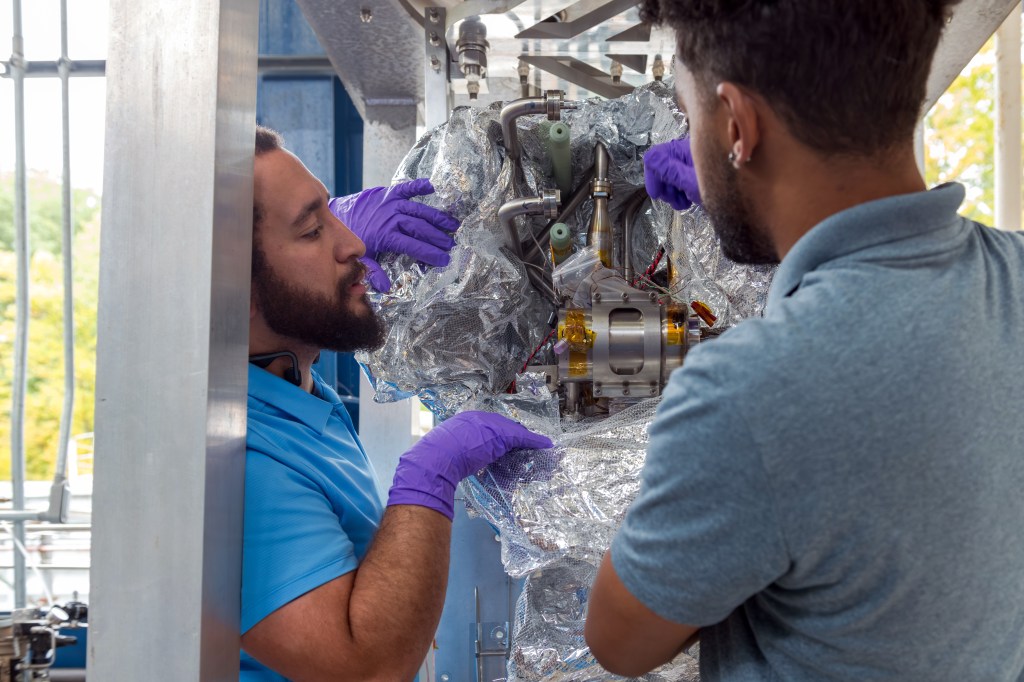
Virtual Exhibit of Technology Components
Examples of strategic technology developments funded by the Astrophysics Division, and managed by the PhysCOS and COR Program Offices.
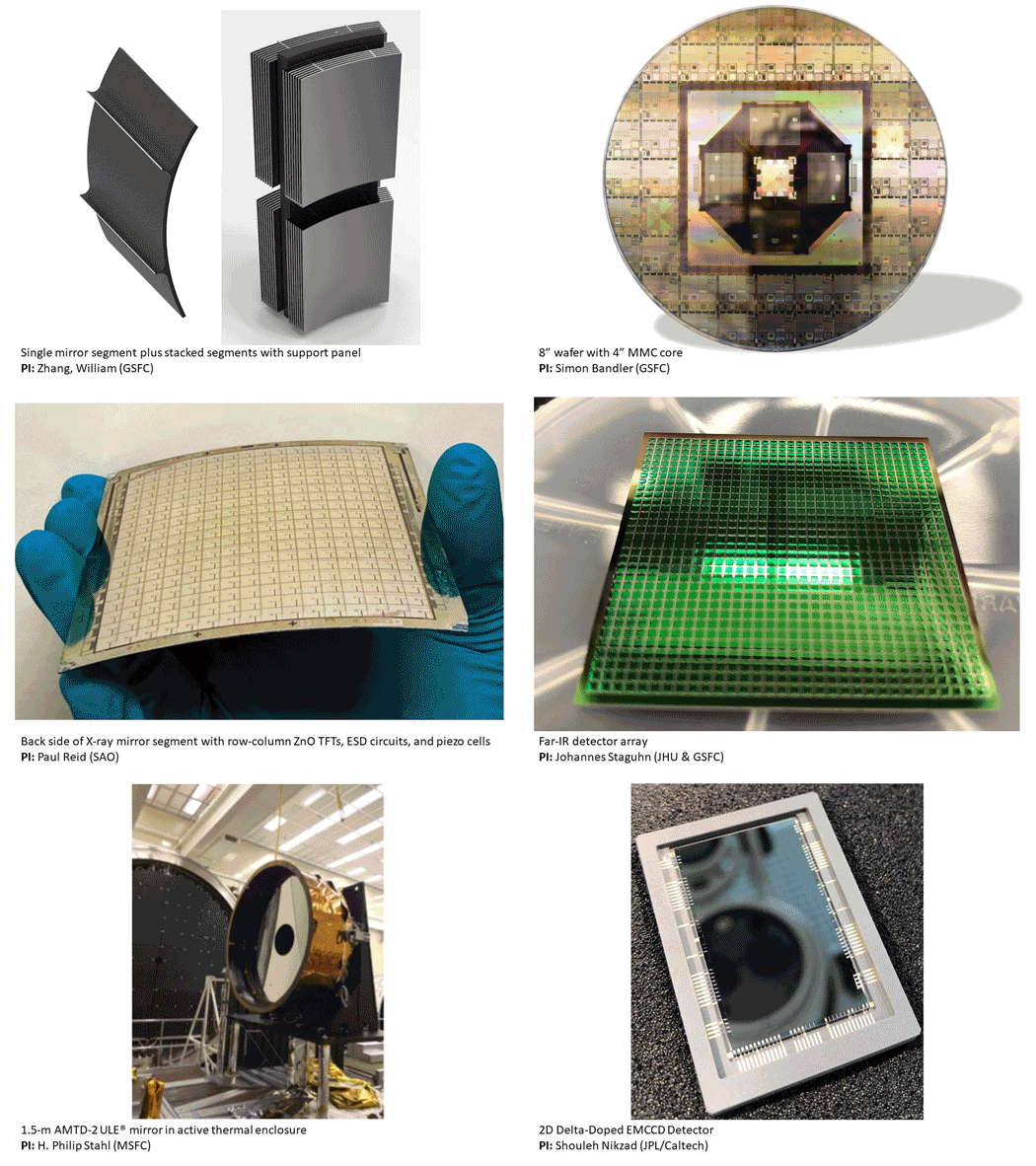
For more information about these technologies, download the PDF or visit our Technology Database.
240th Meeting of the American Astronomical Society
Visit the official AAS 240 website for more information
News Straight to Your Inbox
Subscribe to your community email news list
We will never share your email address.
