
















AVATAR-Org4
Keeping Tiny Brain Models Alive on the Space Station
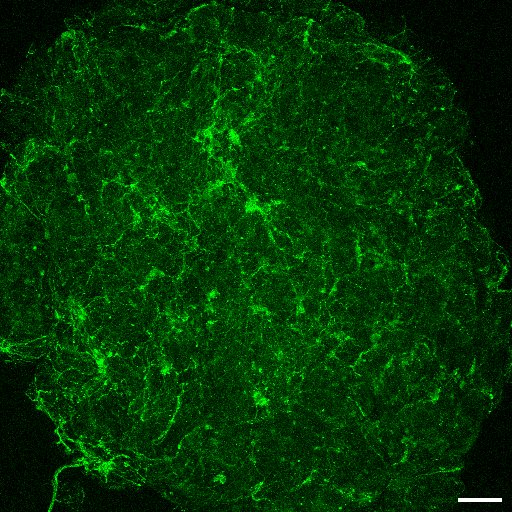
Investigation name: AVATAR-Org4
Principal investigator: Dr. Joel W. Blanchard, Mount Sinai
Overview: AVATAR-Org4 aims to validate a specialized, automated system designed to maintain human brain tissue models during spaceflight. Laboratory-grown, 3D tissues called miBrains contain several types of human brain cells and can help scientists study how spaceflight affects the brain. The experiment sends a miniature fluid-handling system to the International Space Station to test how well it mixes, delivers, and maintains the nutrient-rich liquid needed to keep miBrains alive.
Science objectives:
- Validate the automated system’s performance under conditions relevant to future deep-space missions
- Determine if we can reliably maintain the quality and stability of the culture media needed to keep human brain tissues alive over extended periods in space
Potential Earth applications:
- Help advance technologies for maintaining living human tissues over extended periods with minimal human intervention
- Support development of more advanced human brain tissue models for studying neurological diseases
Potential space applications:
- Help identify conditions and hardware needed to support living human brain tissue models in space with minimal crew intervention
- Lay the foundation for studies to investigate how prolonged exposure to the space environment affects astronaut brain health
Related resources:
Biological & Physical Sciences Division
-
NASA’s Biological and Physical Sciences Division pioneers scientific discovery and enables exploration by using space environments to conduct investigations not possible on Earth. Studying biological and physical phenomena under extreme conditions allows researchers to advance the fundamental scientific knowledge required to go farther and stay longer in space, while also benefitting life on Earth.