












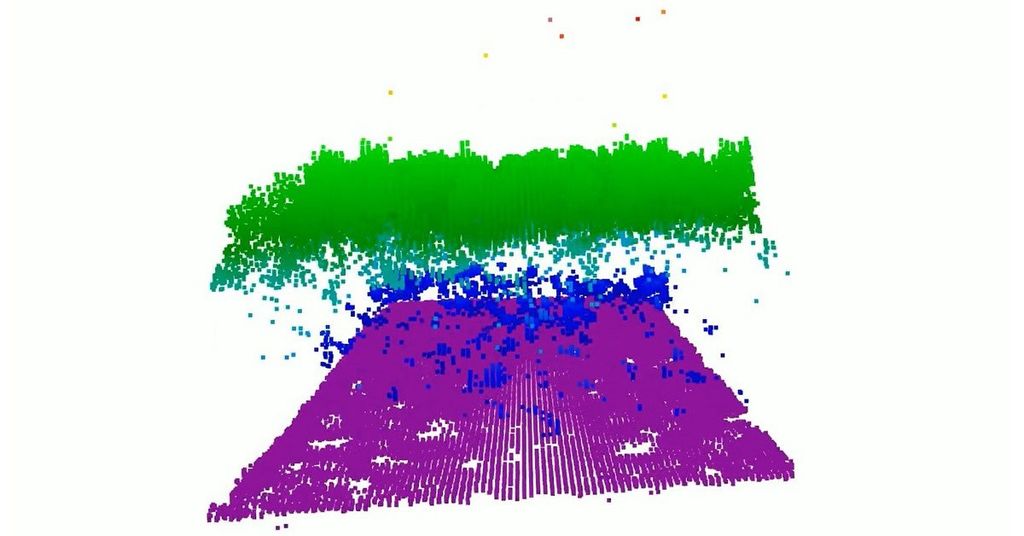








August 31, 2016 I usually hate putting in earplugs, but the roar of the P-3 plane makes me get over my aversion quickly. We’re a little less than an hour away from take-off, and people are moving from the hangers that are serving as our base of operations at Walvis Bay Airport to the aircraft. […]
Studying African Fires from the Skies
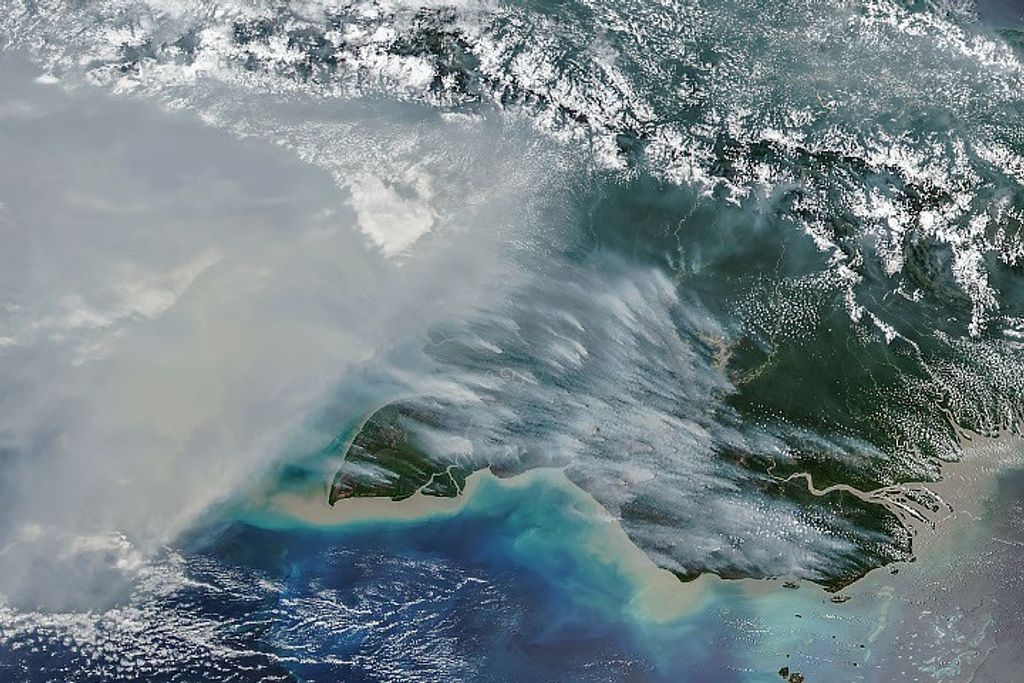
As the soaking rains of the summer wet-season subside in early July, the vast savannas of the southern half of the African continent dry out and turn from green to brown to a crispy yellow. Local farmers take advantage of the dried-out vegetation and burn the aged remains of crops before plowing and harrowing in […]
A Routine Dipped in a Secret Sauce
By Eric Lindstrom Food aboard the R/V Revelle is a cornerstone of happiness and good morale. Jay Erickson and Richard Buck are the cooks during this voyage and have many years of experience working together on R/V Revelle. I followed their daily routine all day on Friday, September 2, so that I can give you […]
Chasing the Elusive Surface Salinity Profile
By Eric Lindstrom Kyla Drushka from University of Washington Applied Physics Laboratory (APL) received a National Science Foundation grant to participate in SPURS-2. It is one cornerstone of our work and is entitled “Rain-Formed Fresh Lenses in SPURS-2.” The idea of rainfall resulting in freshwater puddles or lenses at the sea surface is (perhaps) easy […]
Snakes on a Ship!
By Eric Lindstrom A longstanding technical challenge for oceanography has been how to measure the sea surface – temperature, salinity, gas exchange, or surfactants – to name a few examples. Obviously enough, the surface is where the ocean and atmosphere interact and exchange heat, freshwater, gases, momentum, and particles of all kinds. So, how do […]
Traveling the Length of the Atlantic Ocean, Part 2: Greenland!
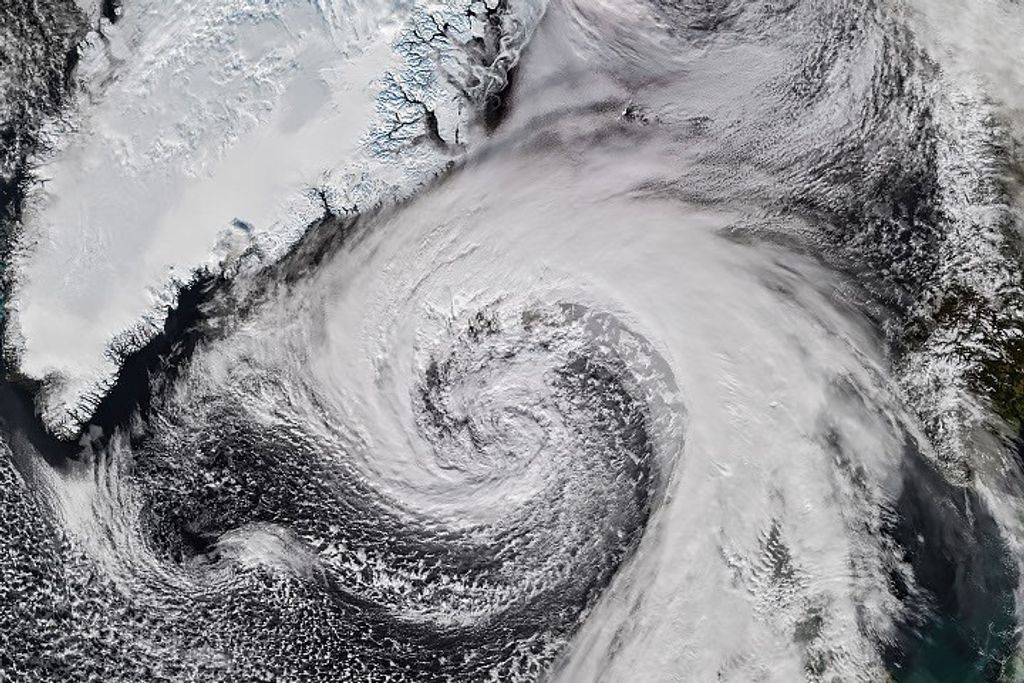
I have always wanted to visit Greenland, the “ground zero” for climate change. Its ice cap rises more than 3,200 meters (2 miles!) above sea level and it holds so much ice that if it all melted, the height of sea level would rise by 7 meters (23 feet). The landscape is stark and inhospitable […]
Whither Life in the Sea
By Eric Lindstrom I figured I would go off topic today and discuss a disturbing observation by someone who has spent more than half a lifetime going to sea. This is my personal opinion and does not reflect any policy or perspective of NASA. However, those of you on land really need to know that […]
A Globe Trotter’s Lessons Learned
As we prepare for our last flight in ATom-1, I’ve been reflecting on what I should do differently next time around as we begin preparation for ATom-2, which will start uploading in December 2016 for flights starting in January 2017. Packing less “stuff” I’m a bit of a girly girl who likes her comforts. But […]
Monkey Business over the Tropical Thermocline
By Eric Lindstrom The focus of SPURS-2 is the upper ocean and the fate of rainwater. However, in order to study the top of the ocean one needs to know what is going on deeper down. The beauty of SPURS-2 is not skin-deep! SPURS-2, like many prior physical oceanography experiments, requires a basic background and […]