
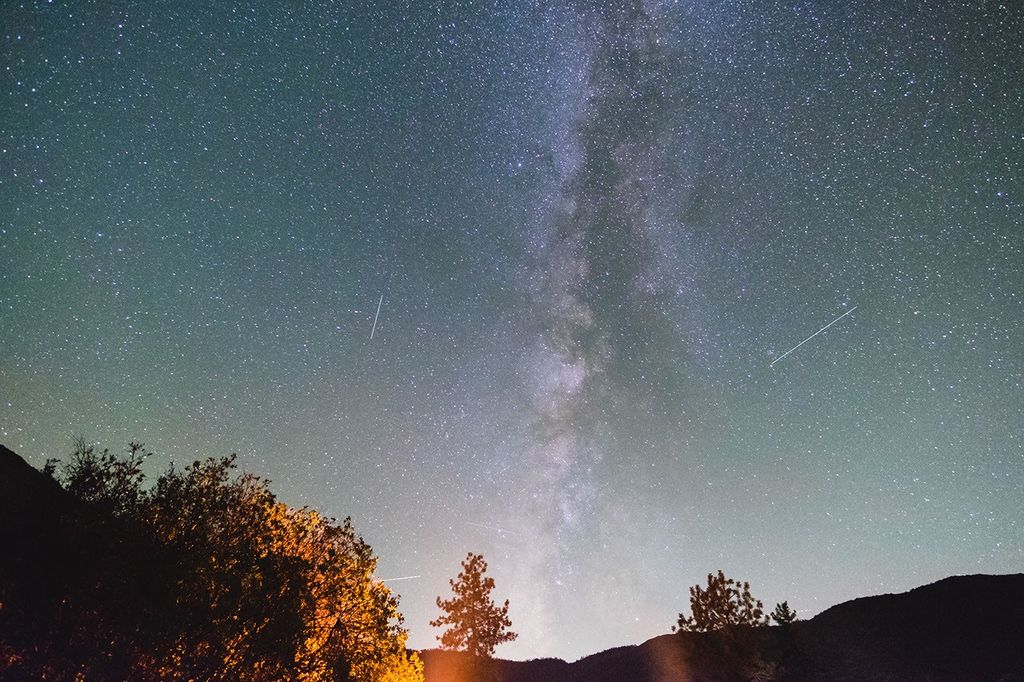




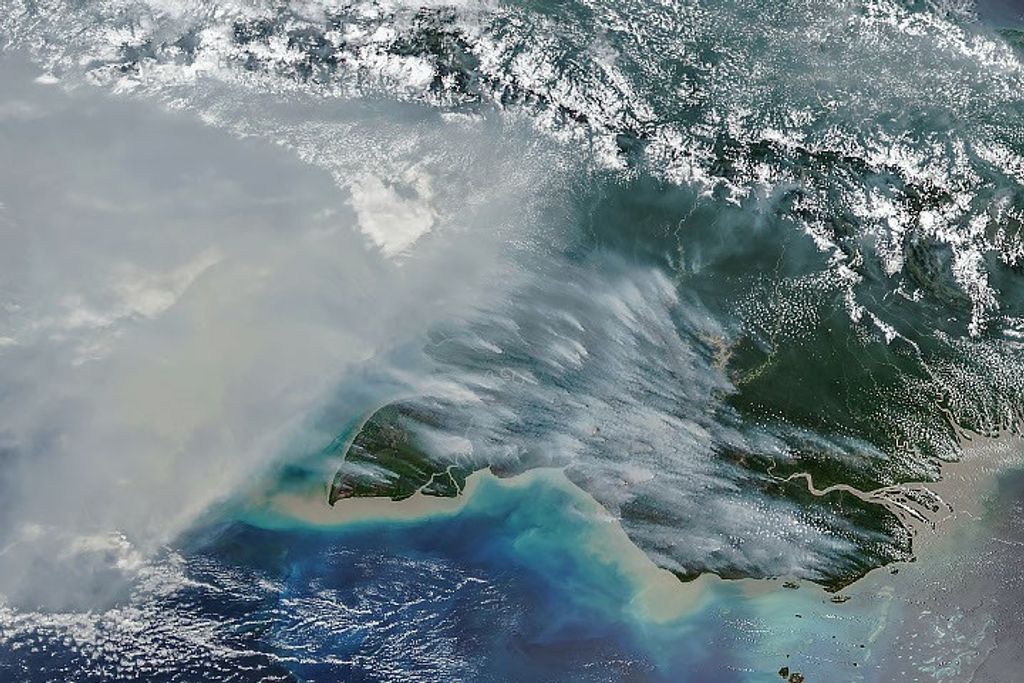
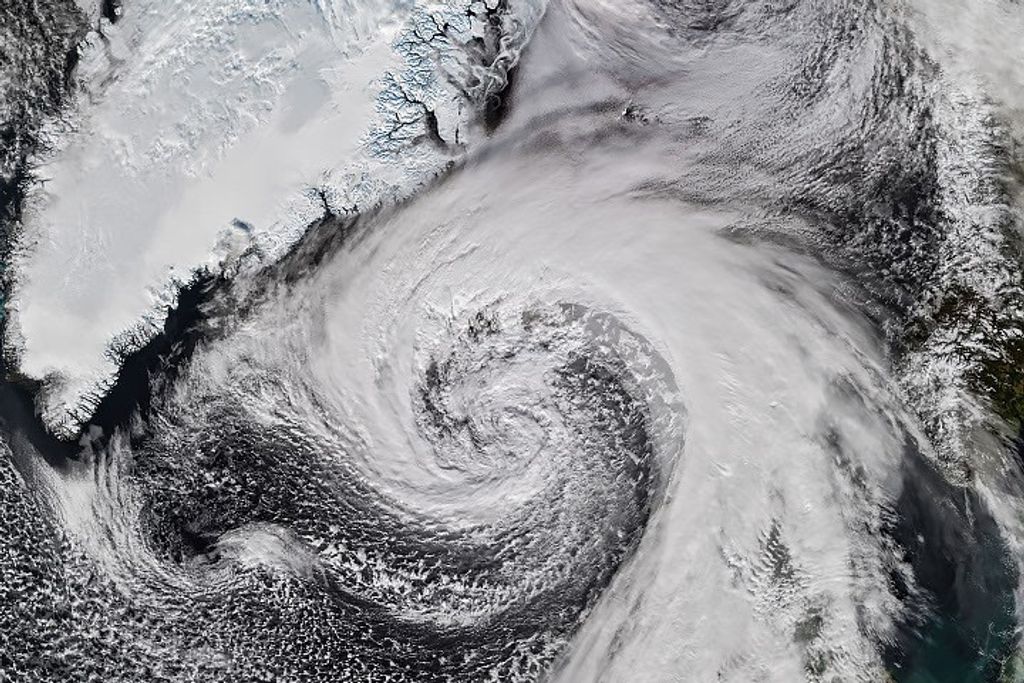










Take 78 percent nitrogen, 21 percent oxygen, 0.9 percent argon, 0.03 percent carbon dioxide – that’s 99.93 percent of the atmosphere. But the trace gases and airborne particles that make up that last approximately 0.07 percent are what NASA’s Atmospheric Tomography (ATom) mission is interested in. ATom is a chemistry mission to study the movement […]
Ready for the Field
We are ready for the big day! Tomorrow (Wednesday) we will start our put-in to the field. With a total of 5 helicopter flights all our gear, science equipment and the entire team will be flown to our field site, approx. 130 km northwest of Kulusuk. However, we have to take the weather in account; […]
Welcome Back! Greenland Aquifer Expedition Resumes
Welcome back to our blog! We’re here for one more season of field work on the Greenland ice sheet to study the firn aquifer. Surface meltwater percolates through the upper layers of compacting snow, or firn, and pools inside the air space between sow grains, forming a large reservoir of liquid water within the ice […]
Successful Camp Put In!
Hi there, After an early breakfast, our team is getting ready to put in our ice camp. We met with the pilots around 8:30am for a departure at 9 am. The flight to the ice camp was quick, about 20 minutes. Beautiful views of the fjords leaving Kangerlussuaq and then on our climb onto the […]
Understanding Drainage Efficiency of the Greenland Ice Sheet Ablation Zone
This summer, we have the chance to be part of a team of researchers studying the efficiency of the drainage system over the ablation zone of the Greenland ice sheet. This NASA Cryosphere program funded project, titled “Drainage Efficiency of the Greenland Ice Sheet” is studying the production, transport and export of Greenland Ice Sheet […]
ABoVE and beyond the call of duty: the value of a great field team
As our 2016 field campaign comes to an end, I find myself proud of all the great data we collected. Our primary objective was to sample enough sites of different ages, land use, and species composition to be able to say something meaningful about changing fire regimes and the interactions between wildfire and timber harvest. […]
ABoVE: Burned boreal forests — Come along to measure carbon
As part of our field work to measure carbon emissions in burned areas, we often have to hike through an obstacle course of fallen trees to reach our research sites. I took some video with a GoPro to give a sense of what this is like, as well as how we extract soil to take […]
ABoVE: Burned boreal forest — Site-seeking struggles
In the field, collecting the data is a big job – but our work starts long before we start taking measurements, with the task of finding desired sites within the landscape. As our time in Saskatchewan progresses, choosing and finding the right places to collect data becomes progressively more difficult. We are looking for a […]
ABoVE: Fires in recently logged forests
Since our last post, our team has moved an hour south to the small village of Weyakwin, where the Philion fire burned last year. There is a lot of logging Weyakwin, and we are very interested in the interactions between fires and logging. We are comparing burned forests that grew back after people cut trees, […]