
























As the DC-8 flies around the world for the ATom project, we are crossing many time zones and occasionally loosing and gaining days! For most of the first half of the project, I didn’t really notice these time changes. I gained the most time leaving Boston for California and had one to two hourly stretches […]
Satellites and Salinity
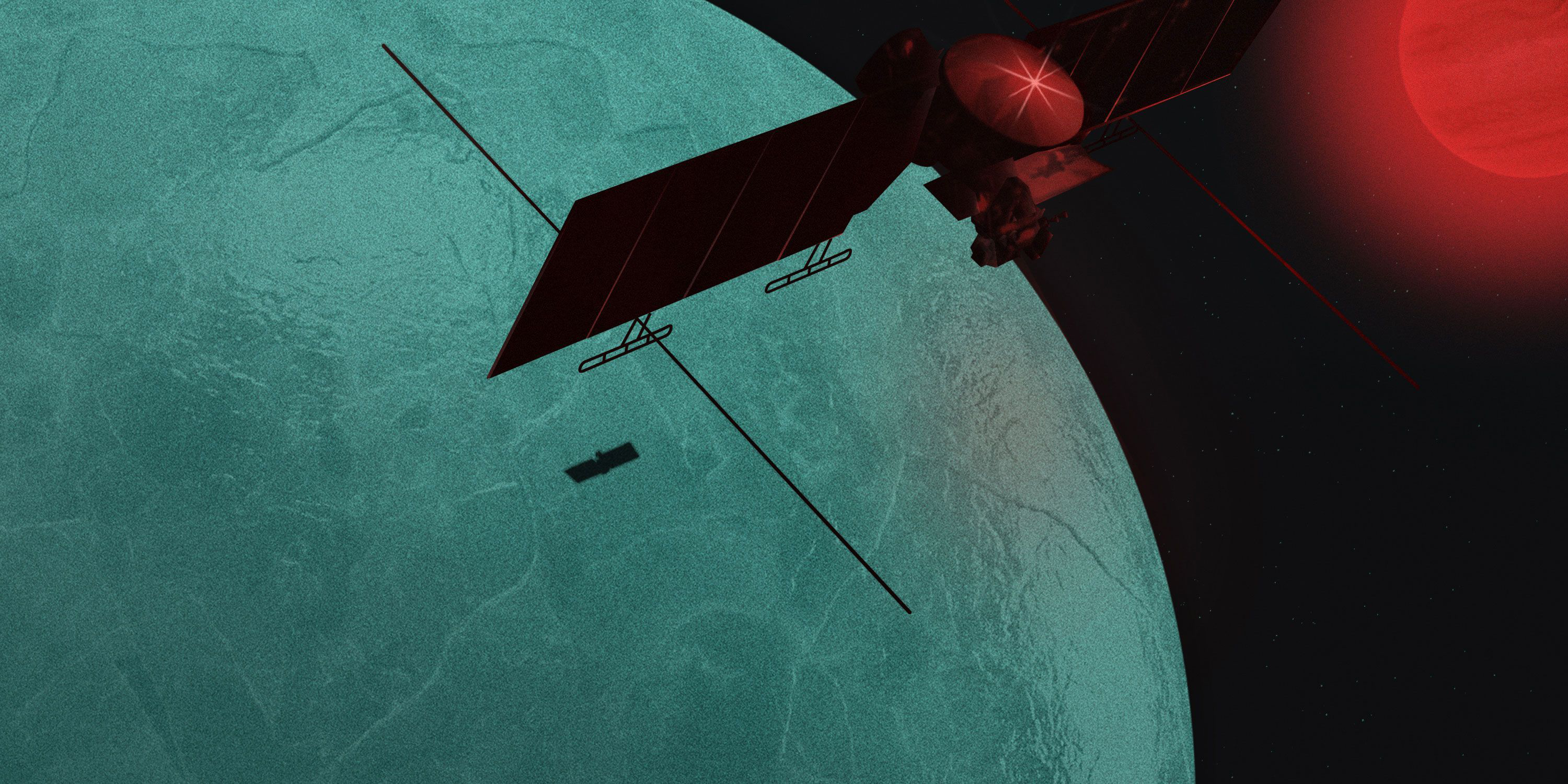
By Eric Lindstrom One of the most common questions I get (and the first comment to this blog) is “How do you measure ocean salinity from space?” During the SPURS-1 campaign in 2012 I wrote a blog post on this topic. Basically the story is one of building a very sensitive instrument (a radiometer) to […]
Preparing for Action
By Eric Lindstrom Fieldwork in physical oceanography, like many sciences, requires enormous preparation followed by a shorter very intensive period of action. SPURS-2 is no exception. The work over the next six weeks has been in the planning and staging for several years. Now, all the gear and scientists have reached the ship and we […]
Using Laser Technology to Measure Change in the Ablation Zone of the Greenland Ice Sheet
This year we teamed up with the Cold Regions Research and Engineering Lab (CRREL) (thank you Dave Finnegan and Adam Lewinter for the collaboration to produce repeat LiDAR surveys of our Rio Behar catchment primary study areas). LiDAR stands for Light Detection and Ranging (or, depending on where you are in the world, Laser RADAR), […]
So what did 6 scientists do for 3 weeks on the ice sheet?
Hi there, After a science-packed 3 weeks on the ice sheet, the team has returned to Kulusuk, more successful than we ever expected. We accomplished the following: Drilled ice cores at three sites to measure firn density, and to take chemistry samples Installed wells at three sites for water sampling Measured firn permeability at different […]
Traversing the tropics: Kona to Pago Pago, and on to Christchurch
On the next part of our journey the DC-8 traversed the tropical Pacific Ocean. I have always been deeply fascinated by this part of the atmosphere. The tropical Pacific Ocean lies over very warm water heated by the sun, and it is often considered to be the “firebox” of the atmosphere, the place where vast […]
Packing and Departure
By Eric Lindstrom Two ships in Honolulu were abuzz with action this last week preparing for SPURS-2, a detailed study of ocean salinity in the eastern tropical Pacific Ocean. The Roger Revelle, upon which all the scientific party sails, had to be loaded with many tons of scientific equipment and installations completed all over the […]
Discretion is the Better Part of Valor
The other day I had a unique and difficult experience. I was on the tarmac at Kona International Airport, Hawaii, and I watched the DC-8 take-off, with all my colleagues, our crew and my instruments on board. This wasn’t planned, and no, I hadn’t just missed my flight. Somewhere between California and Alaska I caught a […]
Arrived in Kulusuk!
Last Saturday, part of the team arrived safely in Kulusuk! Olivia, Clem and Stefan flew in two hours with Air Iceland from Reykjavik (Iceland) to Kulusuk (East Greenland). This is one of a few international airports on the east side of Greenland and also the home of our container full of camping and science equipment. […]