














NASA’s Swift Observatory Re-Entered Atmosphere
Editor’s Note: NASA updated this article Wednesday, Nov. 4, to reflect confirmation of Swift re-entry.
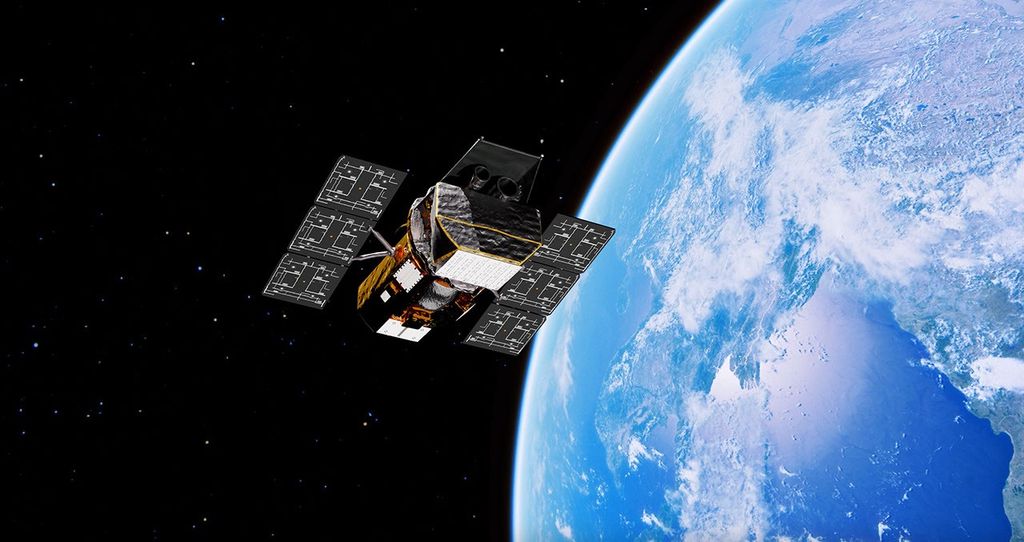
NASA’s Neil Gehrels Swift Observatory re-entered Earth’s atmosphere Wednesday, almost 22 years after launch. At launch, Swift was a first-of-its-kind multiwavelength observatory designed to study the most powerful explosions in the cosmos using its three telescopes.
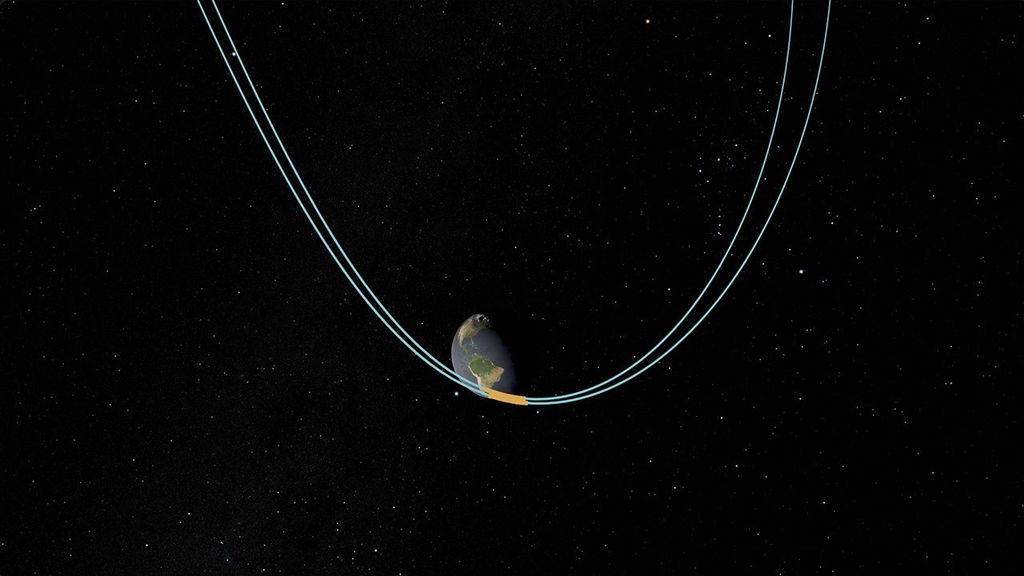
The U.S. Space Force confirmed that the Swift spacecraft re-entered Earth’s atmosphere at 7:39 a.m. EST Wednesday over the North Sumatra region of Indonesia, at approximately 3.4 degrees north latitude and 98.6 degrees east longitude. NASA expected most of the spacecraft to burn up as it traveled through the atmosphere, but some components may have survived re-entry.
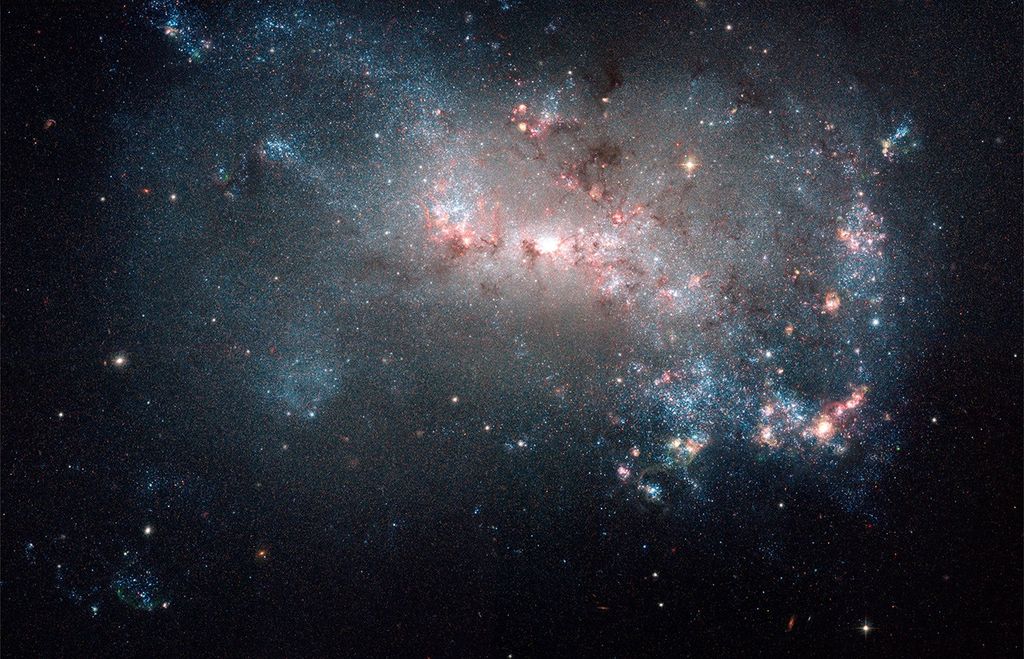
NASA’s Swift launched in 2004 to explore the universe’s most powerful explosions, called gamma-ray bursts. It was originally designed for a two-year prime mission. During more than two decades of science operations, Swift served as a multi-tool for exploring the universe, observing a wide range of light, rapidly pointing at short-lived outbursts, and sending alerts to other facilities to help coordinate follow-up observations. Swift has broadened our understanding of a wide variety of cosmic objects and events, from active galaxies powered by supermassive black holes and stars undergoing X-ray flares, to supernova explosions and comets and asteroids in our own solar system.
To learn more about NASA’s Swift mission, visit:
