















Snow & Ice
Snow & Ice Sub-topics

During the 2022 summer melt season, sediment plumes and fractured sea ice traced swirling eddies in a branch of the…

Lake Unter-See in Antarctica, sealed beneath thick ice, contains unusually high levels of dissolved oxygen and cone-shaped microbial reefs resembling…
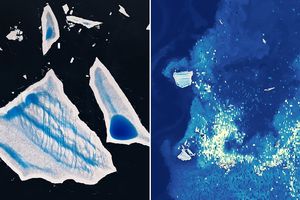
As Iceberg A-23A disintegrated, it shed meltwater that helped fuel an extensive phytoplankton bloom in the South Atlantic Ocean.
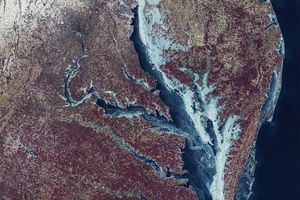
Nearly 50 years ago, the first Landsat satellite captured the rare sight of Mid-Atlantic waterways frozen over.
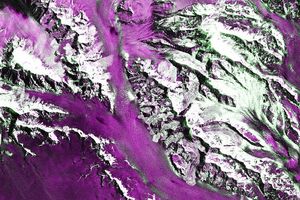
Satellite-based radar images show where a powerful earthquake in the Yukon, Canada, sent rock, snow, and ice spilling across the…
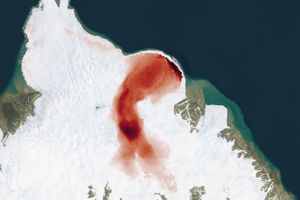
The glacier in southeastern Svalbard pulses with the changing seasons, speeding up and slowing its flow toward the sea.
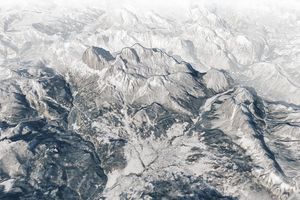
Cortina d'Ampezzo, flanked by steep-sided mountain peaks, is the site of several skiing and sliding events in the 2026 Winter…
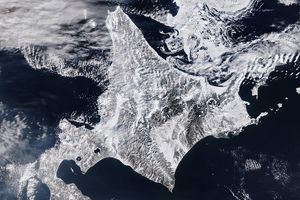
The country's northern regions are accustomed to snow, but unrelenting storms have snarled transportation and caused other challenges this winter.
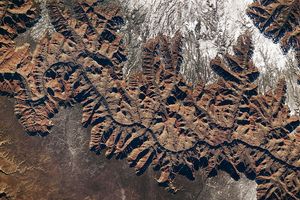
A dusting of white highlighted the Colorado Plateau around the deep gorge, while shadows created a visual illusion.
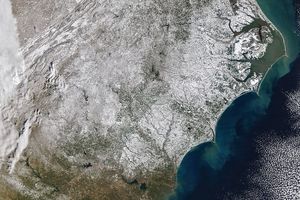
In late January 2026, a strong, moisture-laden storm dropped snow across nearly the entire state, spanning from the Appalachians to…
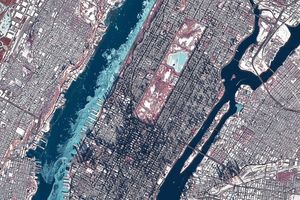
Ice in the Hudson River hugged the shore of Manhattan amid a deep freeze.
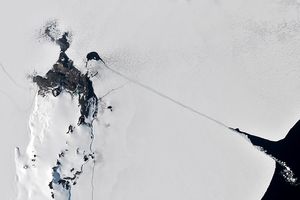
Icebreakers play a critical role in delivering supplies to America's largest research base in Antarctica.
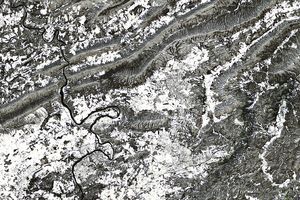
From autumn color to a winter-white finish, forested areas around Blacksburg trade foliage for snow over the span of two…
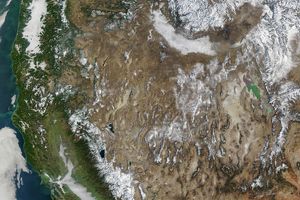
Very wet—but very warm—weather in the western U.S. has left many mountainous regions looking at substantial snowpack deficits.
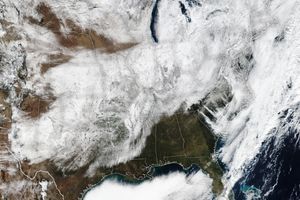
Satellites observed a frozen landscape across much of the country after a massive winter storm.
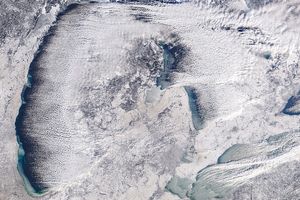
A blanket of snow spanned Michigan and much of the Great Lakes region following a potent cold snap.
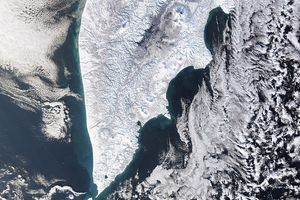
December and January brought a series of intense winter storms to the peninsula in far eastern Russia.
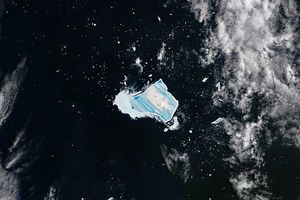
After a four-decade run, the massive, waterlogged berg is leaking meltwater and on the verge of disintegrating.





