
























Explore Filtered Light Activity
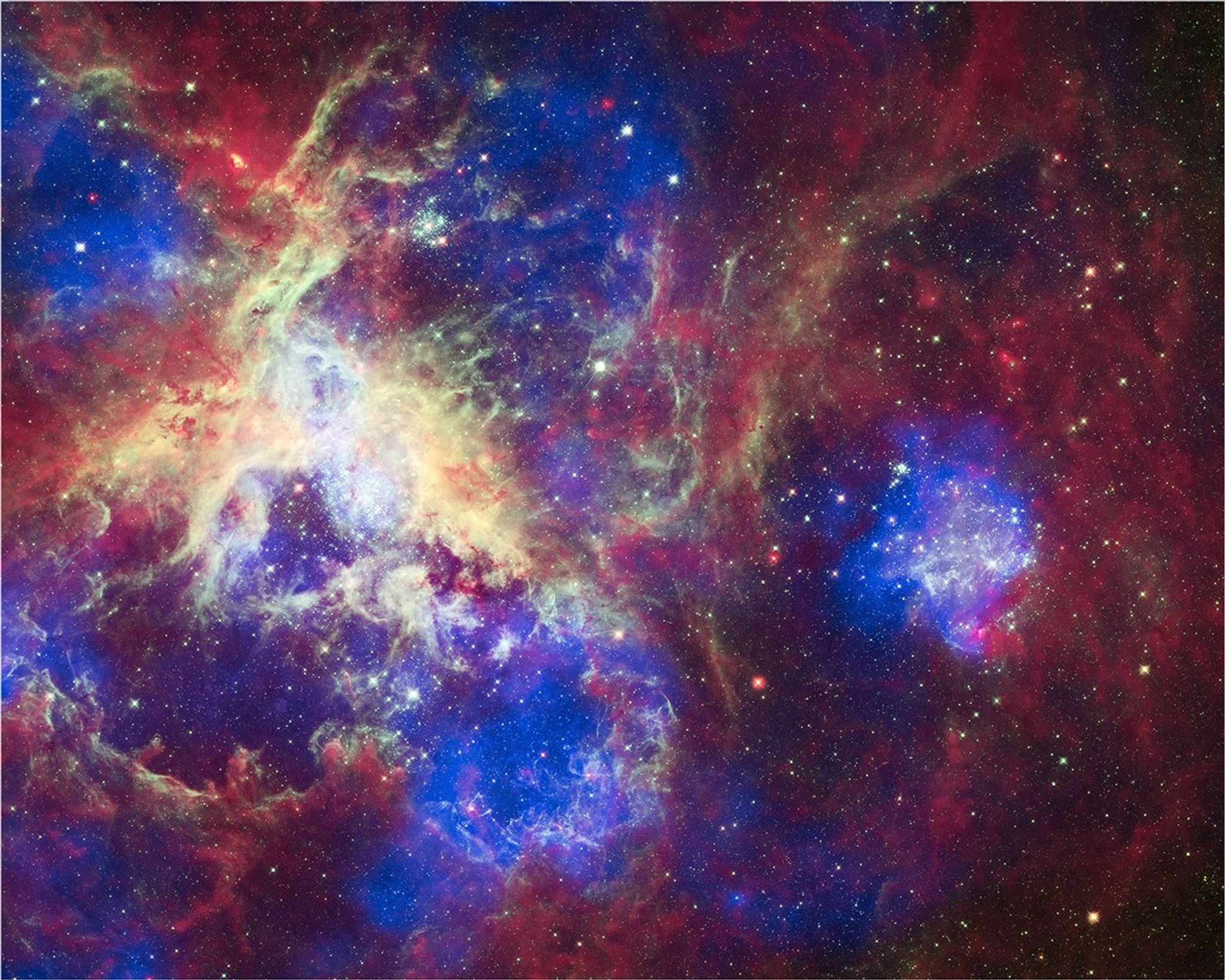
PIA14415
| Levels |
|
|---|---|
| Material Type |
|
| Heliophysics Big Ideas |
|
| NGSS |
|
| Heliophysics Topics |
|
| Heliophysics Missions |
|
| Material Cost per Learner | Free |
| Language | English |
In this activity, learners discover how scientists use colored filters to study the universe, and see images in a new light. Our eyes see only visible light, but we live in a universe that spans the electromagnetic spectrum. This spectrum consists of light energy travelling in waves, from very short waves like gamma rays to very long waves such as radio waves. Filters block certain energy levels of light while allowing others to pass through. In this activity, red and blue colored filters change how those colors appear on white paper versus black paper.