














FarmFlux
Background
Agriculture is the single largest source of ammonia, methane, and nitrous oxide in the United States, and it is a rising source of other atmospheric emissions.
Nitrogen is essential to plant growth and animal production. Fertilizer application and manure management inevitably release nitrogen-containing gases, such as ammonia, nitrous oxide, and nitrogen oxides, in addition to methane and other carbon-containing gases. Agricultural emissions are challenging to quantify, and ground monitoring networks are sparse in rural areas. FarmFlux will deploy cutting-edge airborne instruments and techniques to fill this important and understudied gap in climate science and atmospheric research.
Research questions
FarmFlux researchers will address four primary science questions:
- What is the magnitude of emissions downwind of animal feeding operations, and how do they vary with farm practices and weather?
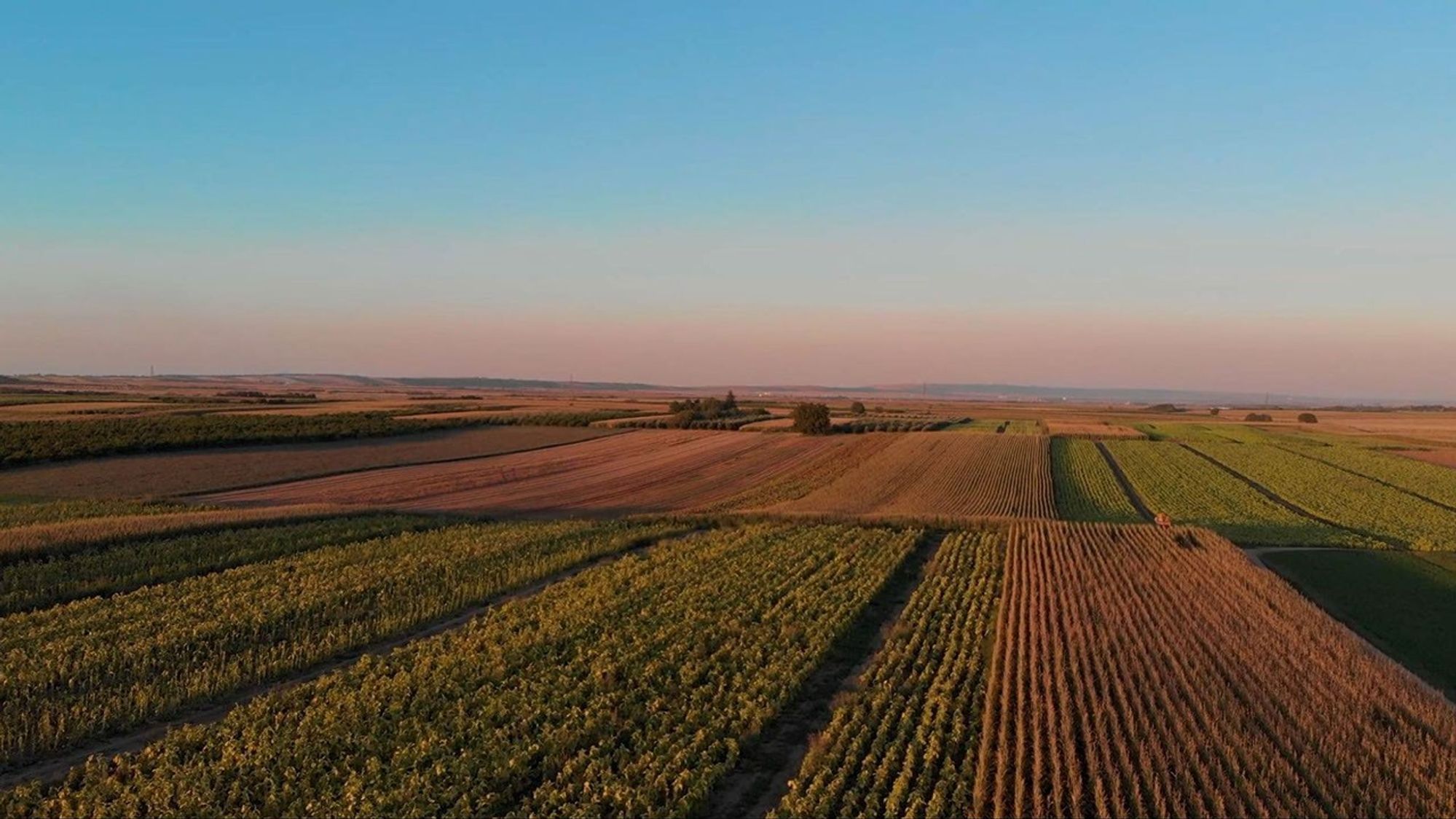
- How do gases exchange over major crop systems, and how do these fluxes connect to farm practices, crop cover, and soil moisture?
- What are the physical and chemical properties of particulate matter in agricultural regions?
- How do agricultural emissions impact regional air quality, and how can we advance new satellite data applications over agricultural areas?
Science in Action
The technology has evolved to meet this challenge. Airborne instruments are faster, more precise, and more compact than they were a decade ago. Instruments will be mounted onboard two aircraft: the King Air A200 will fly over livestock operations, and the NASA P-3 will fly over crop systems. Observations will feed air quality models used to forecast near-term air quality and simulate strategies for long-term air quality improvement.
Latest EVS-4 News

Explore other EVS-4 Campaigns
The EVS-4 missions: FARMFLUX | FORTE | HAMAQ | INSPYRE | LACCE | SNOW4FLOW