















Societal Benefits
With humans using 80% of Earth's land surface and population reaching 10 billion by 2050, Landsat satellites provide essential global monitoring of land use changes for sustainable management.
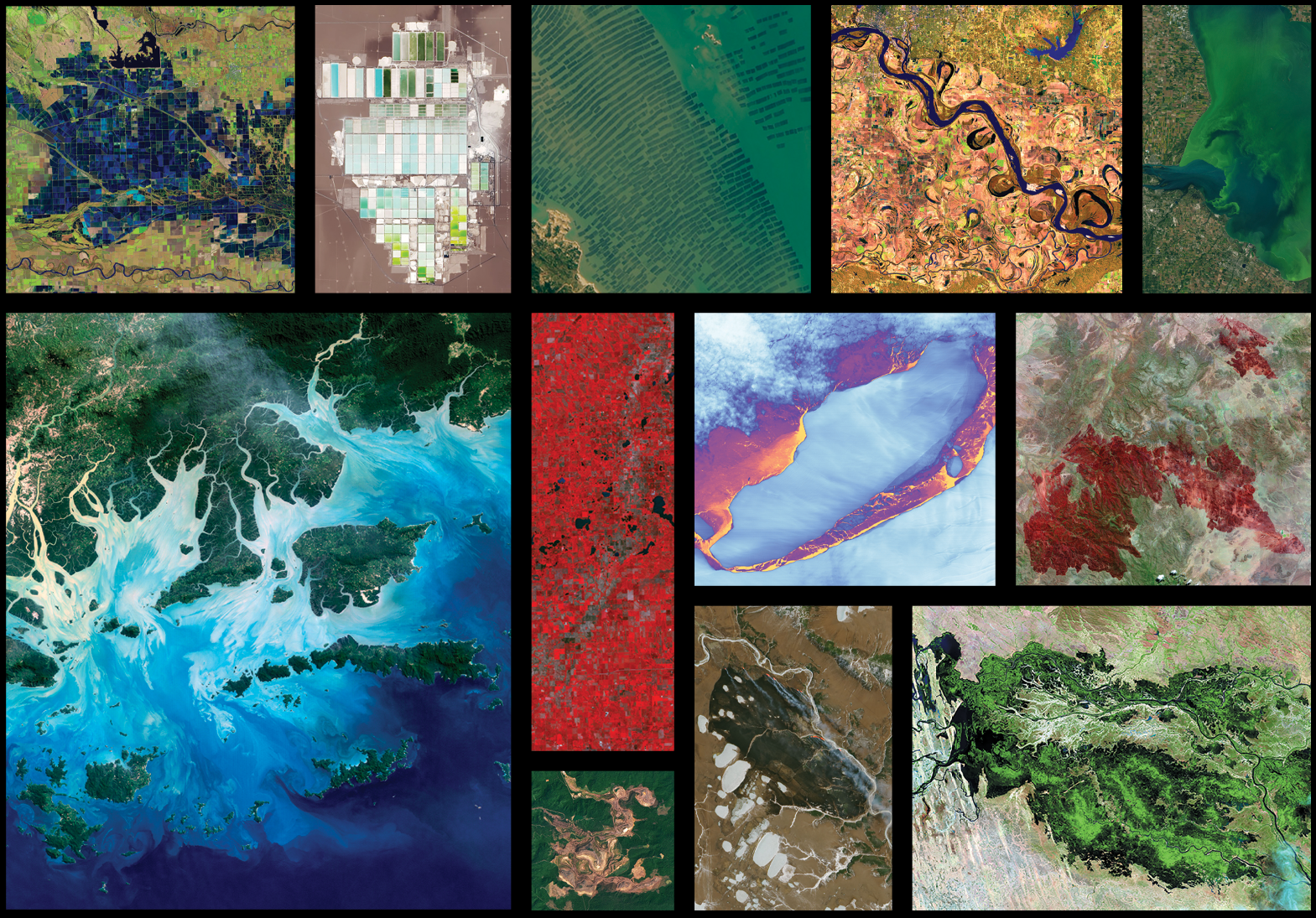
The global land surface covers approximately 150 million square kilometers—about 30 percent of the Earth’s surface—and humans occupy or otherwise use roughly 80 percent of the land surface including the 40 percent converted to agriculture. The global population reached 8 billion in 2022 and is projected to increase to nearly 10 billion by 2050. To feed and shelter the planet’s growing population, extensive and intensive land use has been required, but the environmental degradation caused by these requisite activities is diminishing the planet’s capacity to sustain needed food and fiber production and fresh water supply.
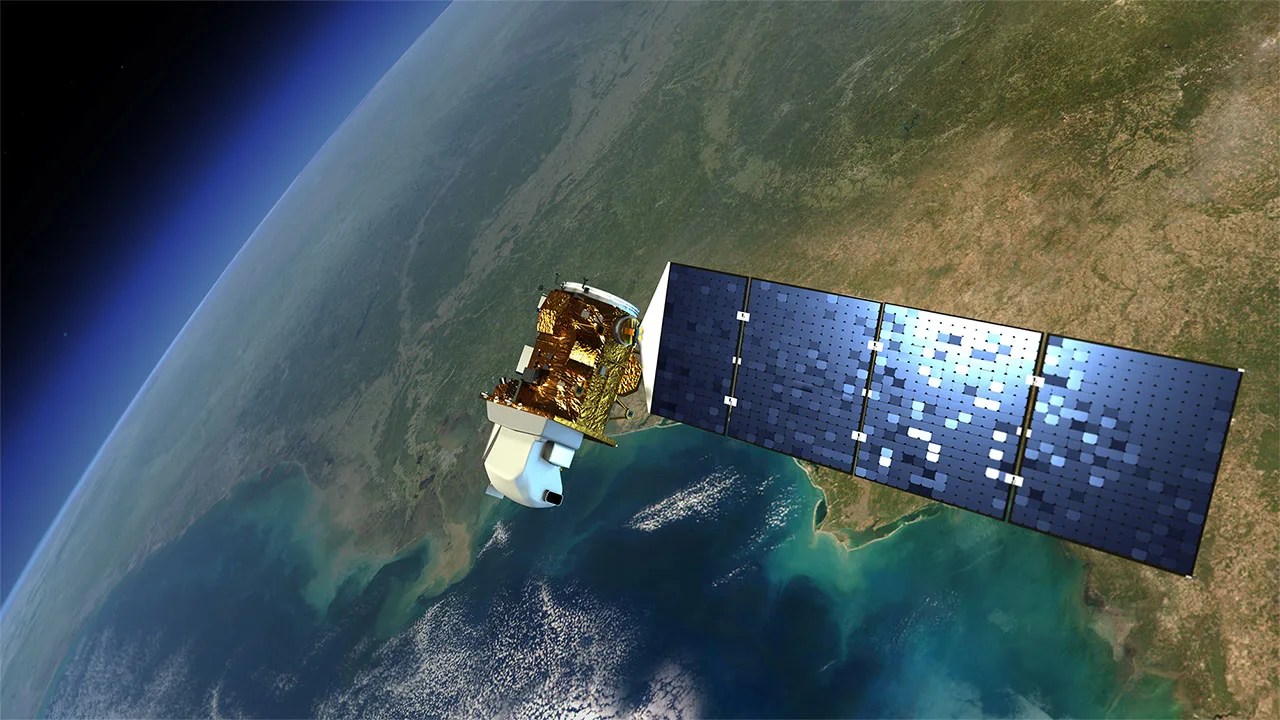
Land imaging from moderate-resolution Earth-observing satellites, such as Landsat, offer the critical and irreplaceable capability to observe land use and land cover change across global, national, and regional scales. Landsat’s space-based land imaging is essential because it provides repetitive and synoptic observations of the Earth otherwise unavailable to researchers and managers who work across wide geographical areas and applications. Landsat data informs good decisions and management in many disciplines. To learn more about the benefits of the Landsat Program, explore the topics below.
-
Case Studies & eBooks
By amassing information about changes to Earth’s land surface for more than 50 years, the Landsat program has provided decision makers tasked with managing Earth’s natural resources with integral information about the food, forests, and water. These case studies highlight some of valuable and tangible benefits of Landsat.
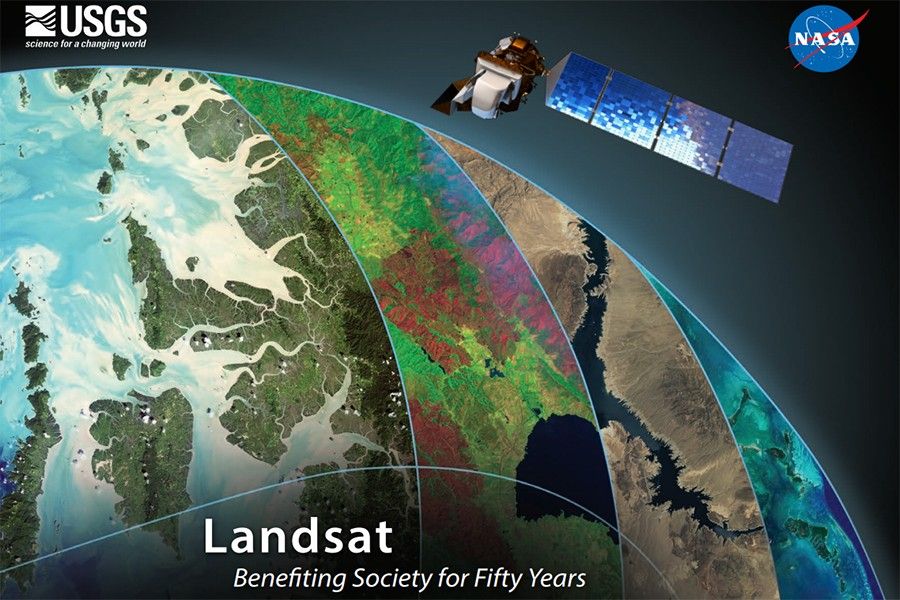 Cover of the Landsat Case Studies eBook - 2018NASA
 -
Agriculture & Food Security
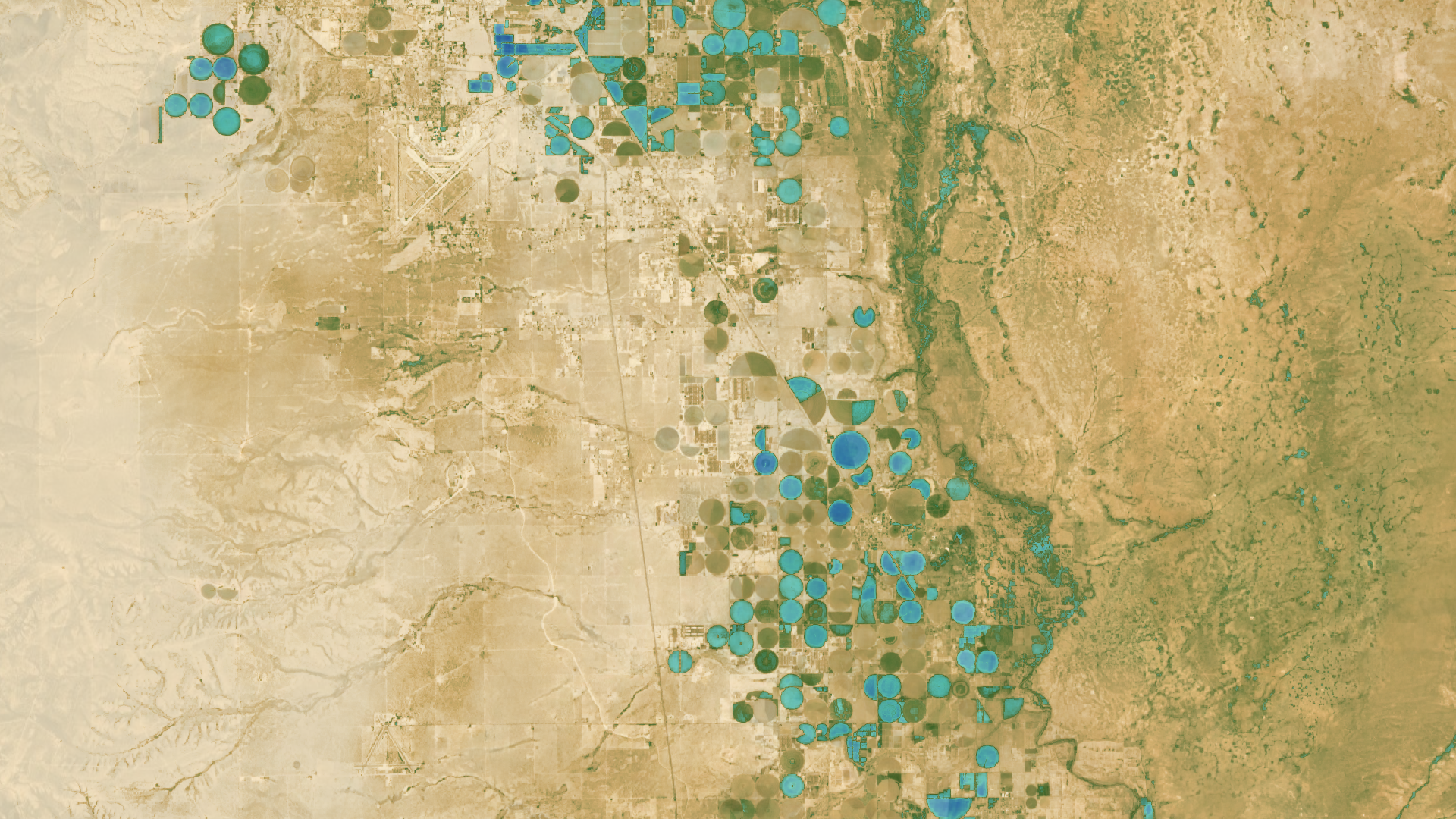
Worldwide, millions of people are helped by Landsat-data-based decisions that impact food and water management. Food and farming organizations rely on the unbiased, accurate and timely information provided by Landsat satellites. The data enable people to analyze the health and vigor of crops as they mature over the growing season.
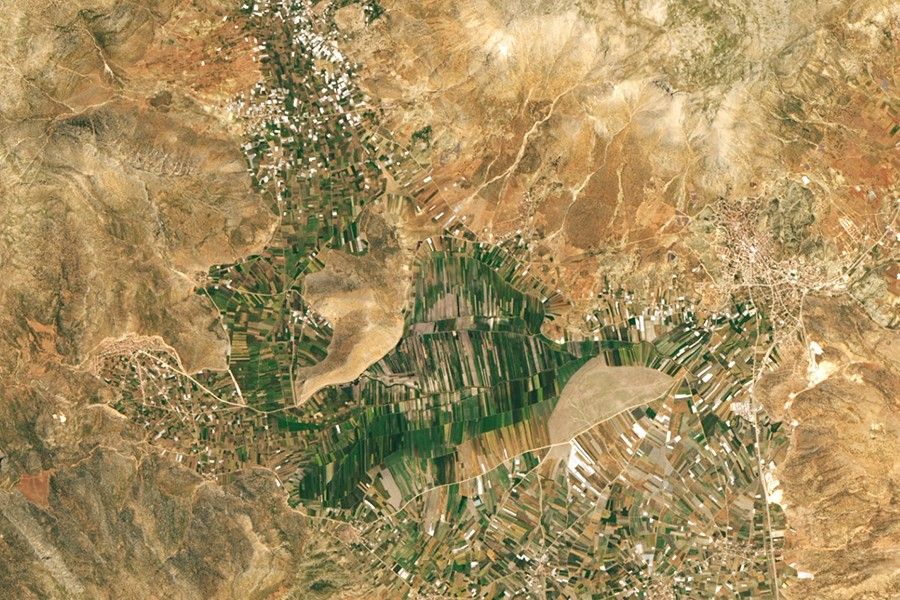 A natural-color Landsat 8 satellite image of farms in the mountains of Turkey, acquired on June 8, 2020.
 -
Disaster Management
Fire, floods, hurricanes, tornadoes, and other natural disasters can be particularly tragic and costly when critical facilities such as power plants, airports, roads, and hospitals are threatened. When a disaster strikes, remote sensing is often the only way to get a big-picture view of what is happening on the ground.
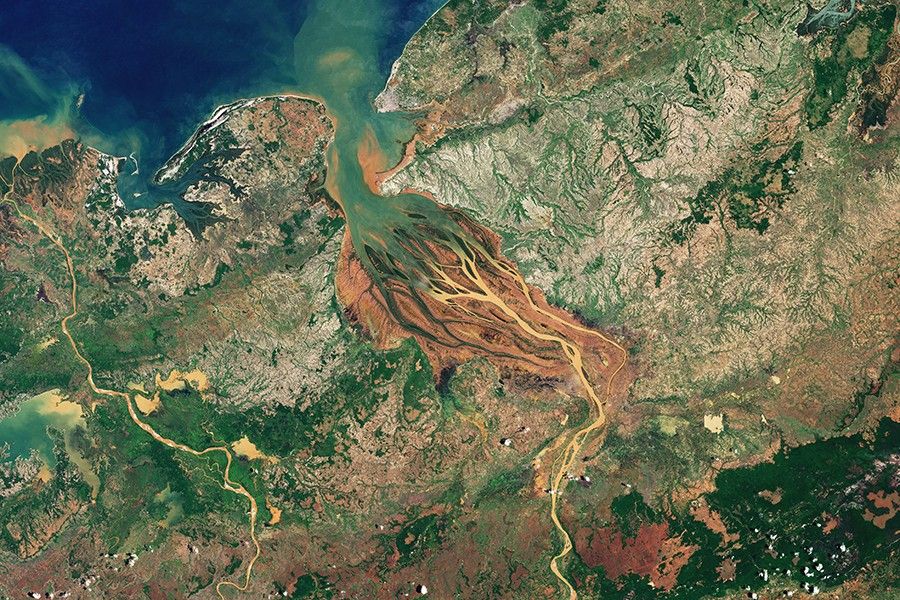 A natural-color Landsat 8 satellite image of the Betsiboka estuary in Madagascar, acquired on January 18, 2017.
 -
Ecosystems & Biodiversity
Our world is made of complex networks of living things and physical elements that constantly interact and affect each other. Such networks are known as “ecosystems.” Healthy and economically important ecosystems such as temperate forests, wetlands, grasslands, coastal zones, coral reefs, and rainforests all play roles in human life.
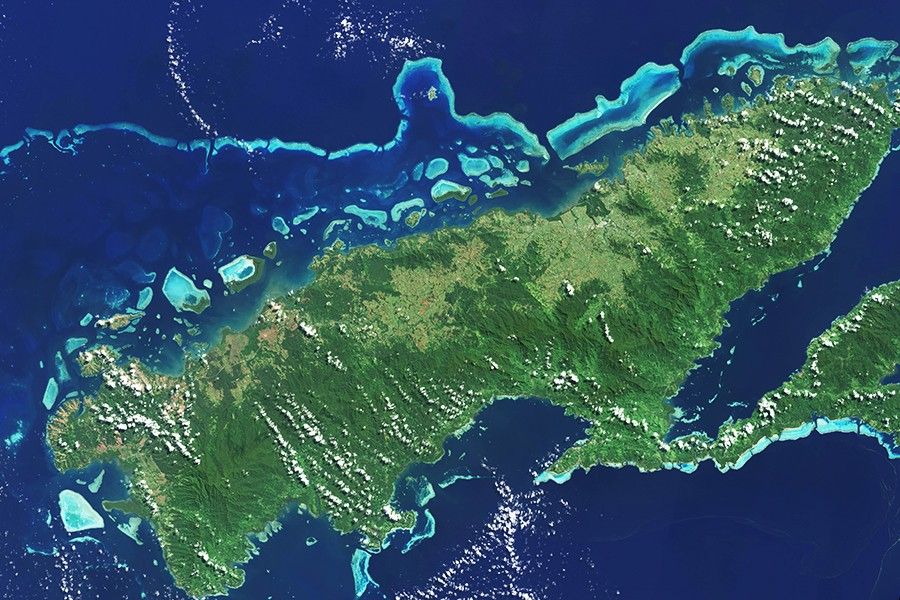 A natural-color Landsat 7 satellite image of extensive coral reefs on the northern shore of Vanua Levu, Fiji's second largest island, acquired on September 19, 2002.
 -
Energy Resources
Energy is a growing necessity for people worldwide. As the demand for energy grows, Landsat plays an important role in identifying new energy sources. Decision makers can also monitor the environmental impact of mining and energy generation and track ecological recovery after operations end.
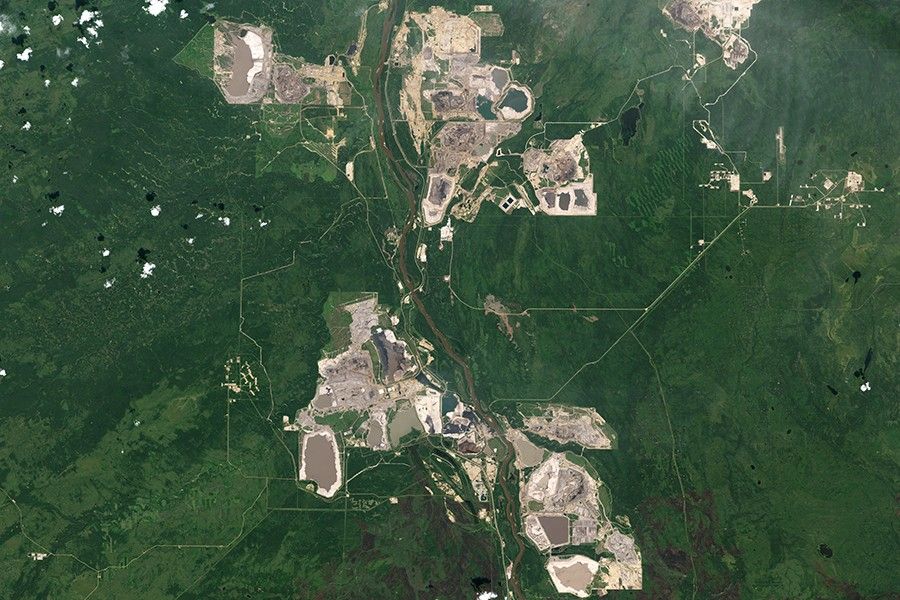 A natural-color Landsat 8 satellite image of the Athabasca oil sands in Alberta, Canada, acquired on July 15, 2016.
 -
Forest Management
Economies around the world rely on forests for timber, carbon storage, flood control, biological diversity, recreation, and more. Forest managers face many challenges. In the last few years, forests have experienced widespread infestations by pests such as the pine bark beetle; and tropical deforestation continues.
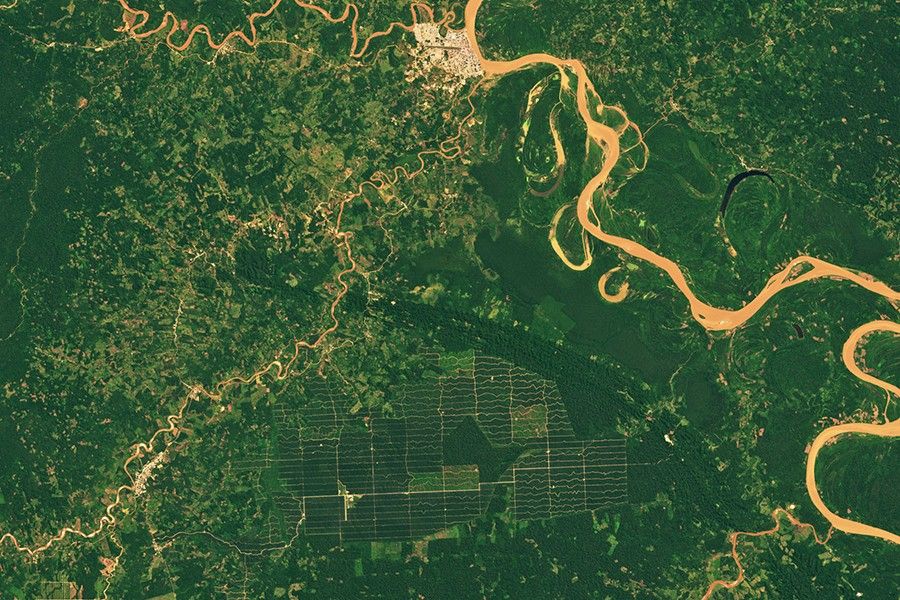 A natural-color Landsat 8 satellite image of a rivers near Yurimaguas in the Peruvian Amazon, acquired on July 10, 2019.
 -
Human Health
People have long recognized the connection between the environment and human health. Various animal and insect species from mice to mosquitoes serve as vectors that can transmit disease pathogens to people. Malaria is among the most deadly, preventable vector-borne diseases.
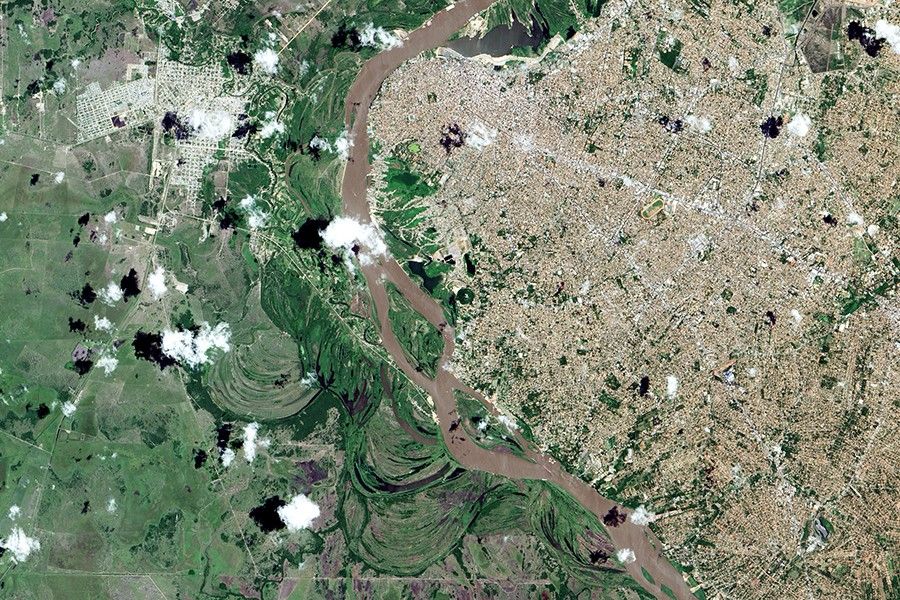 A natural-color Landsat 8 satellite image of the Paraguay River near Asunción, Paraguay, acquired on January 24, 2014.
 -
Rangeland Management
Rangelands are natural and uncultivated landscapes in the form of grasslands, shrublands, woodlands, and deserts that are grazed by domestic livestock or wild herbivores. Since rangelands encompass a diversity of habitats and cover more than half of the Earth’s terrestrial land surface, Landsat data provides a key method for managing and monitoring vegetation health and forage production.
 A natural-color Landsat 7 satellite image of Porcupine Gorge in central Queensland, Australia, acquired on July 9, 2001.
 -
Urban Development
Using Landsat data, people can monitor urban change and also forecast patterns of change in future urban landscapes. Landsat sensors employ a spatial resolution of 30 m, an ideal scale for observing human impacts on the land. The sensors detect urban growth with visible and infrared reflectivity consistently, objectively, and dependably over time.
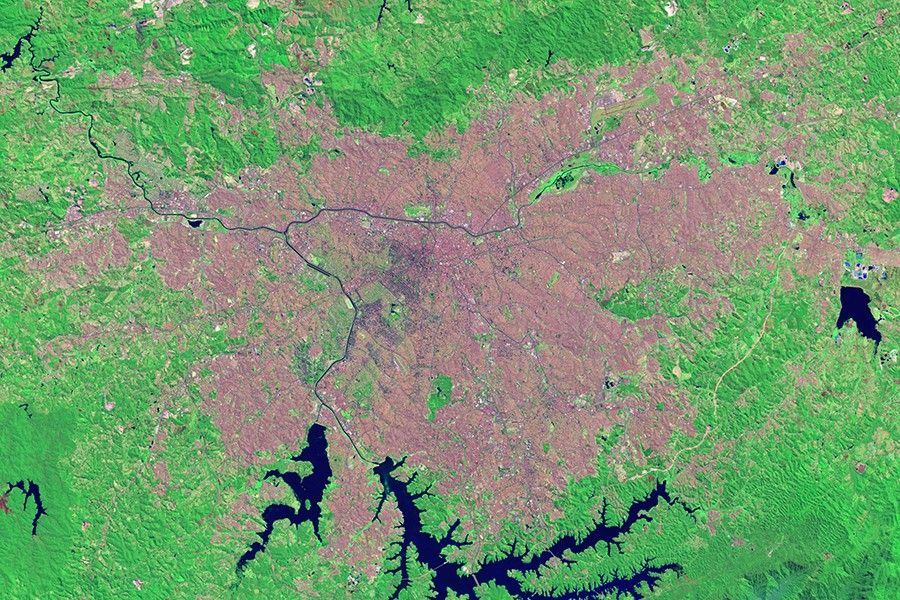 A natural-color Landsat 8 satellite image of urban development in São Paulo, Brazil, acquired on September 1, 2013.
 -
Water Resources
Water is essential for life. Landsat-based decisions on how to manage limited water resources have impacted millions of people worldwide. From finding water for refugees in arid nations to reducing pollution in our national waterways, Landsat enables decisions that directly help people.
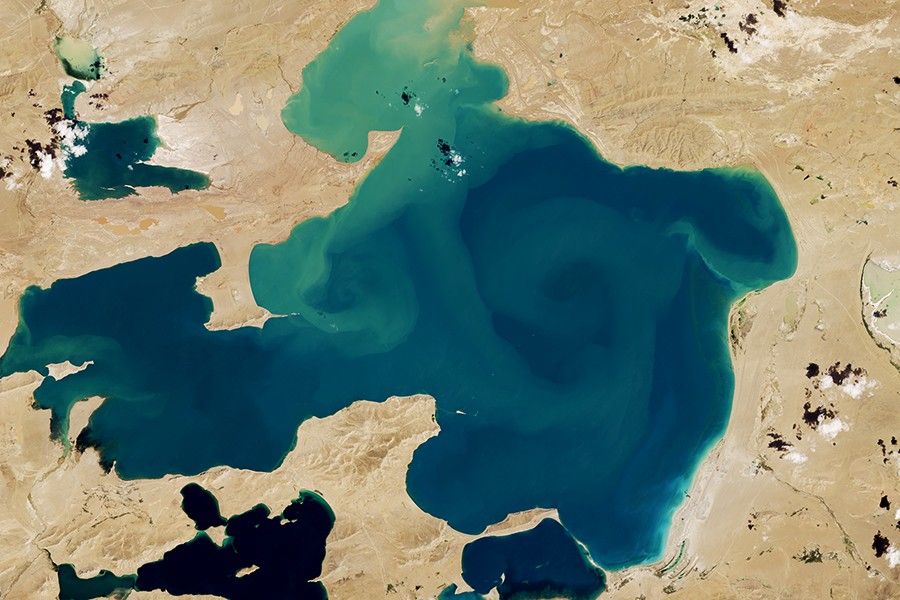 A natural-color Landsat 8 satellite image of Siling Lake (Seling Co) in Tibet, acquired on September 12, 2017.
 -
Wildfires
Worldwide, fire plays a critical role in maintaining healthy forests, but fire can also be damaging. Homes are destroyed and the effects on air quality can be felt for miles. Forest fires are occurring more often and with greater intensity than in years past, and Landsat plays a critical role in understanding the impact.
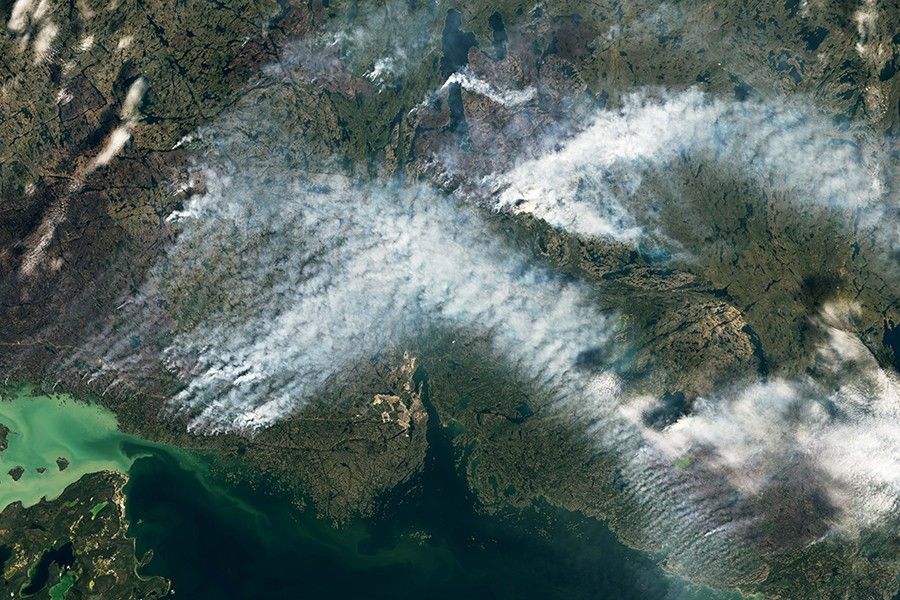 A natural-color Landsat 8 satellite image of an active wildfire near Yellowknife, Northwest Territories, Canada, acquired on August 16, 2023.
Benefits Postcards
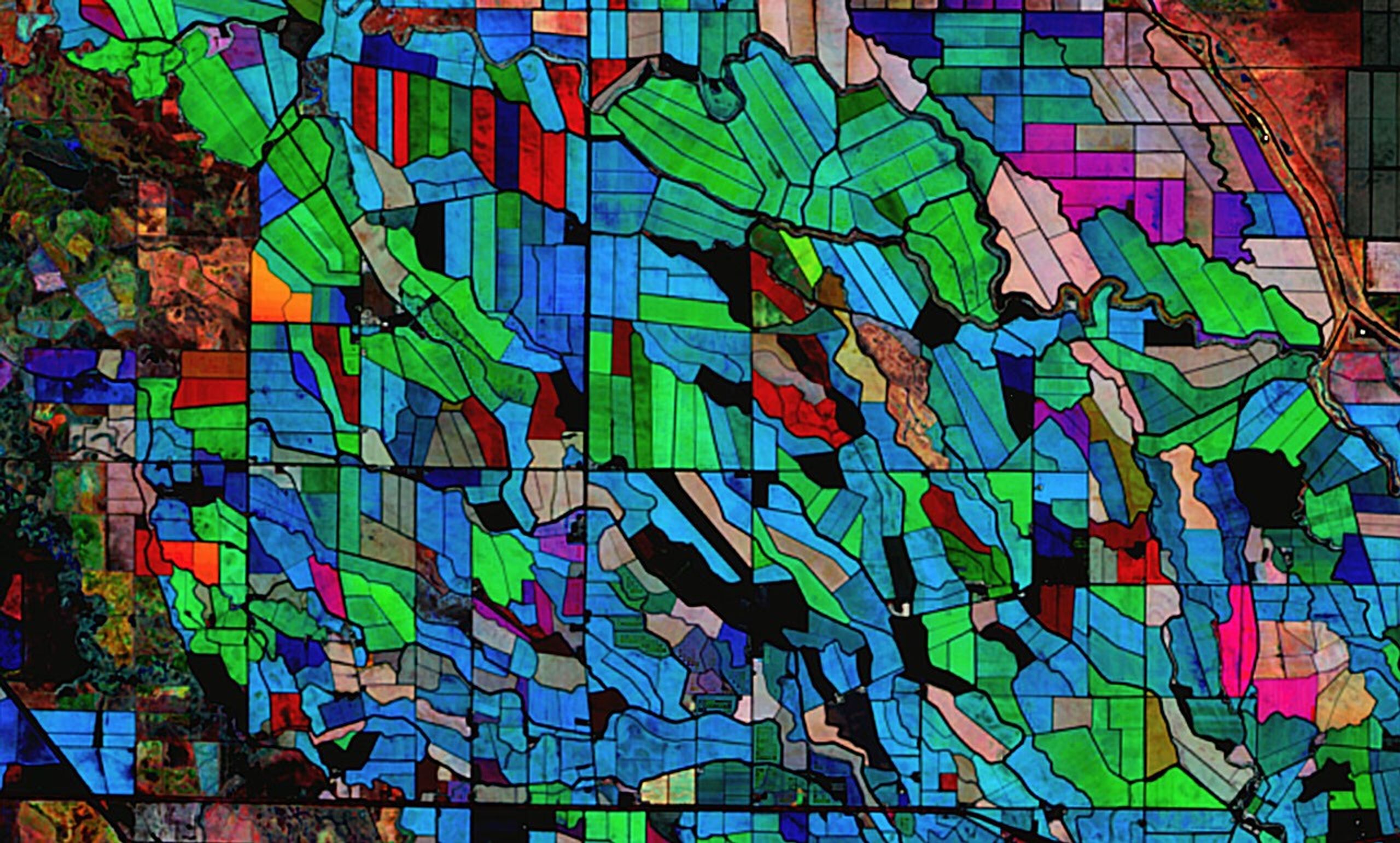
Agriculture Postcard
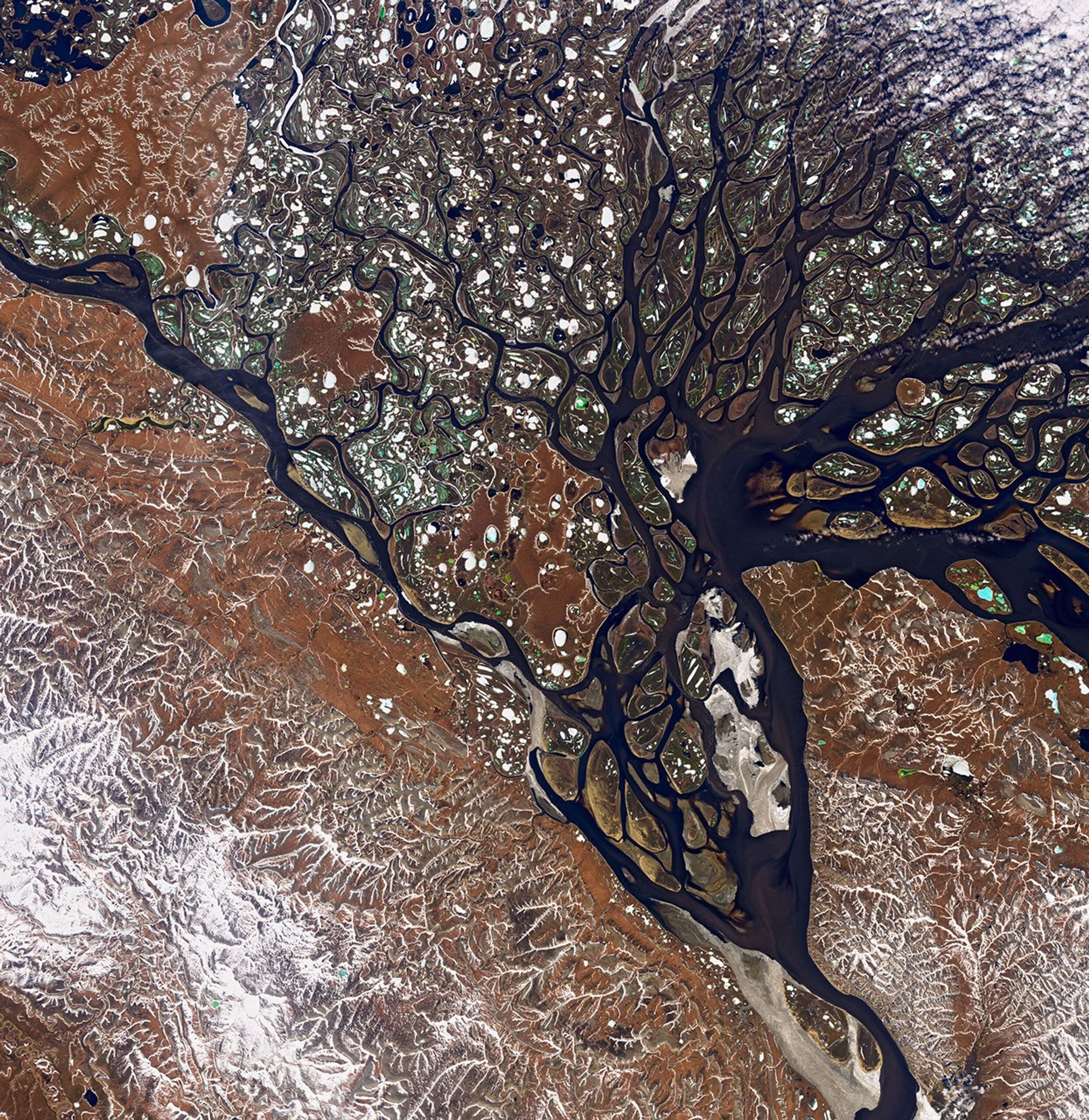
Carbon & Climate Postcard
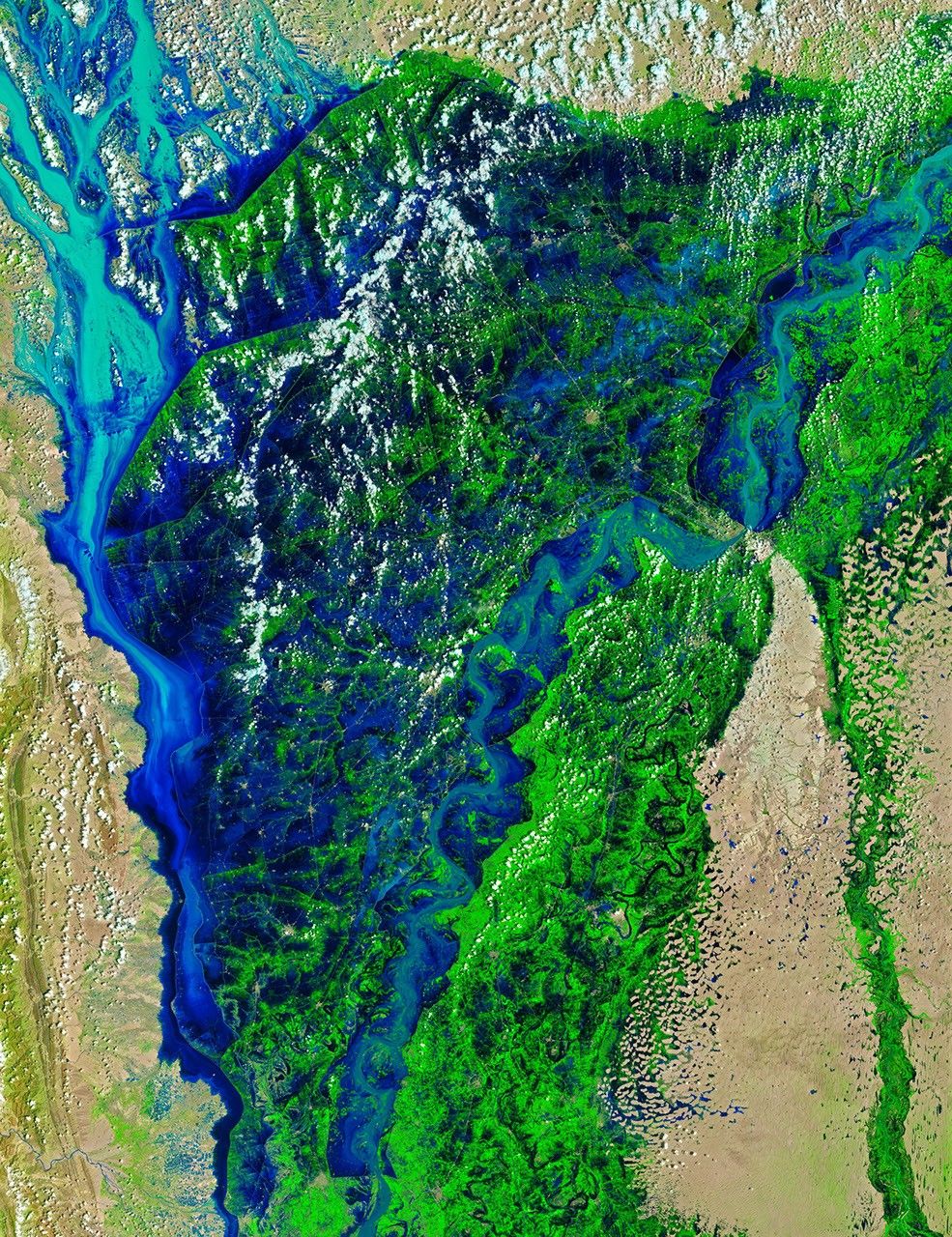
Natural Disasters Postcard

Ecosystems & Biodiversity Postcard

Landsat & GEDI Postcard
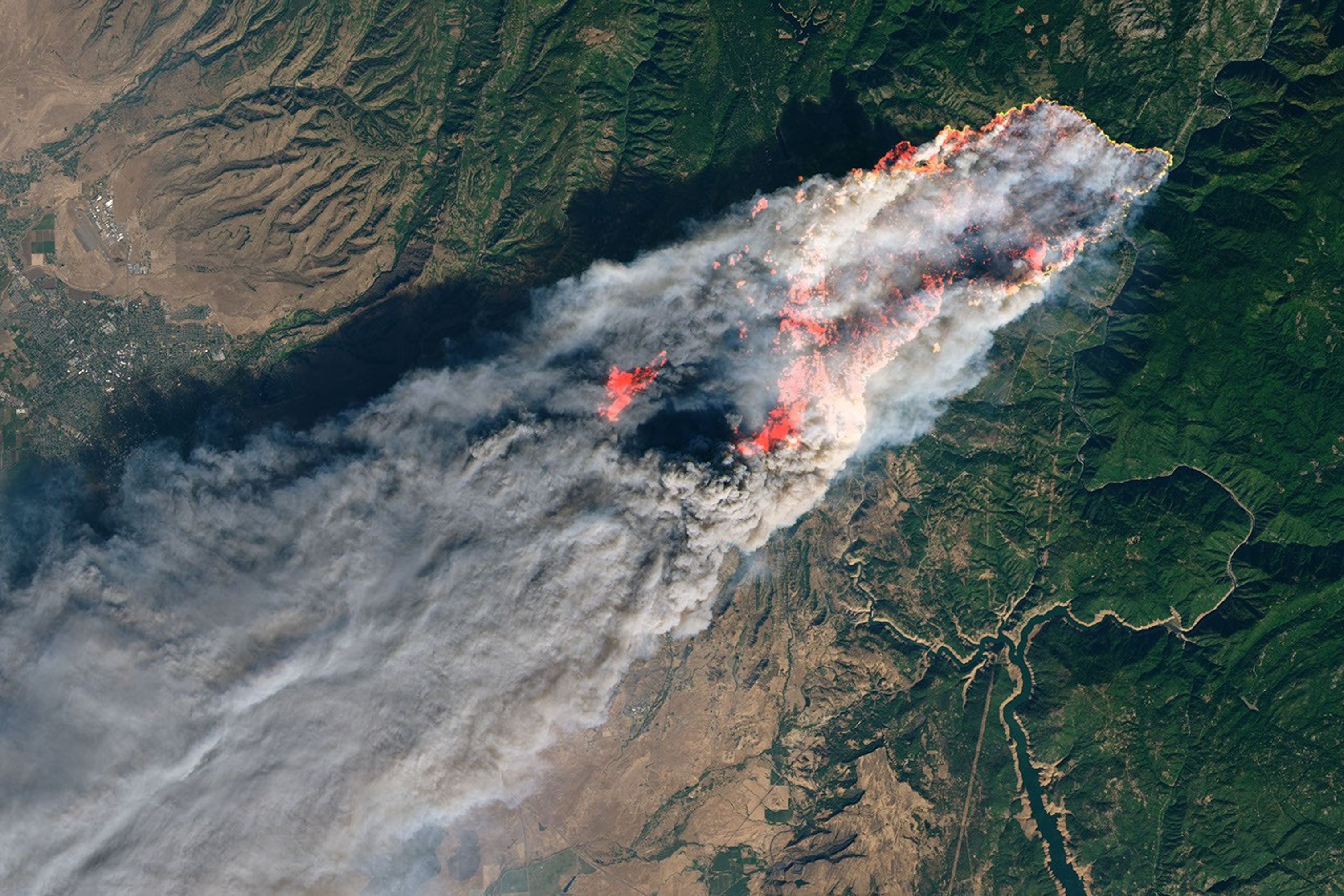
Fire Management Postcard
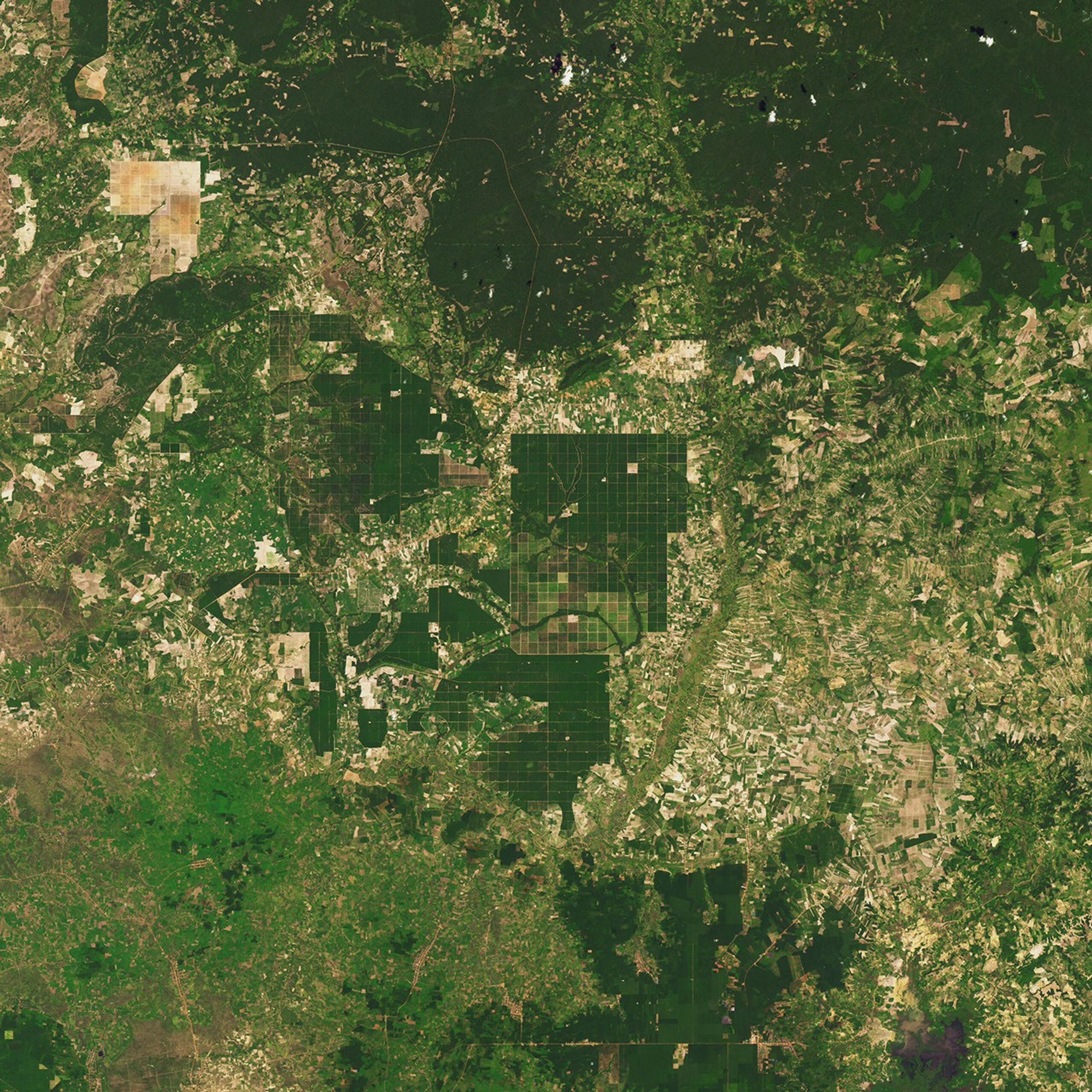
Forest Management Postcard

Human Health Postcard
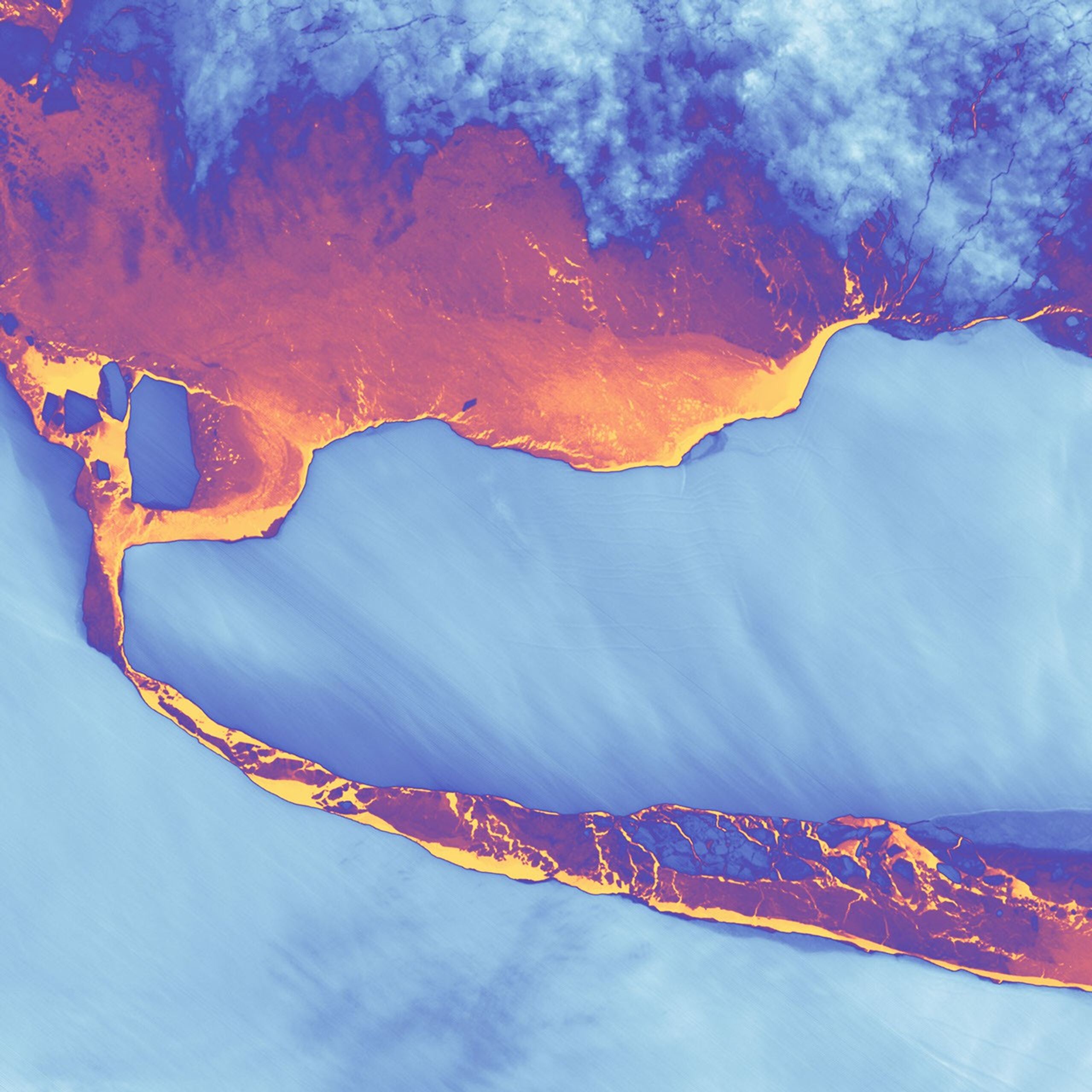
Ice Postcard

Urban Growth Postcard