

















Lucy Mission Overview
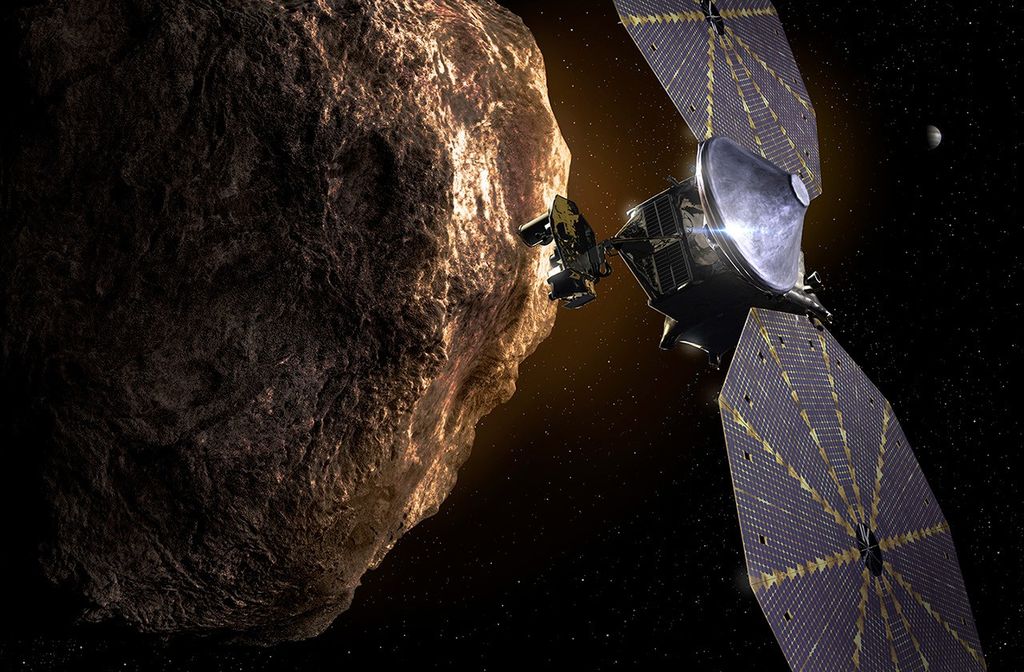
Lucy is the first spacecraft to explore a group of asteroids known as the Jupiter Trojan asteroids. These asteroids are remnants of our early solar system.
What Will Lucy Do?
The Lucy mission is the first mission to explore a group of asteroids known as the Jupiter Trojan asteroids. These asteroids are remnants of our early solar system. They are trapped in stable orbits associated with – but not close to – the giant planet Jupiter.
Trojan asteroids orbit in two “swarms” that lead and follow Jupiter around the Sun. They are thought to be comparable in number to the objects in the main asteroid belt between the orbits of Mars and Jupiter.
Where Will Lucy Go?
Over its 12-year mission, Lucy will explore a record-breaking number of asteroids:
- Three main belt asteroids that circle the Sun between Mars and Jupiter
- Eight Trojan asteroids - five asteroids and three asteroid "moons"
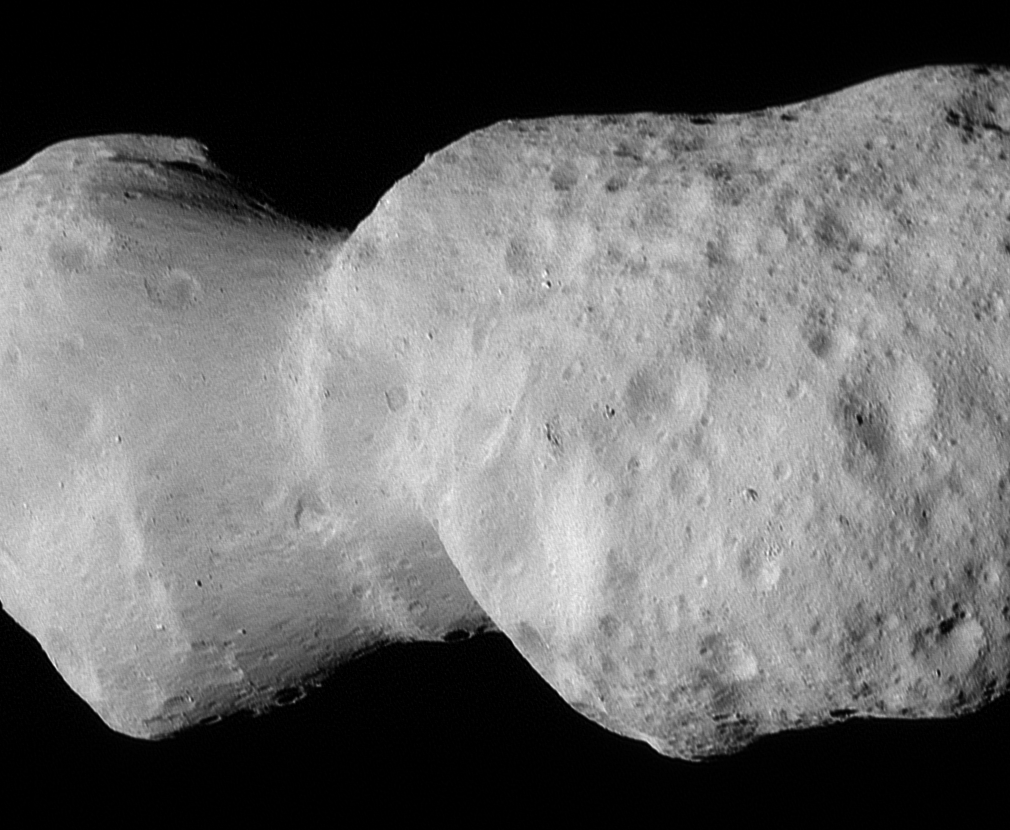
NASA’s Lucy Spacecraft Discovers 2nd Asteroid During Dinkinesh Flyby
On Nov. 1, NASA’s Lucy spacecraft flew by not just its first asteroid, but its first two. The first images…
Read the Story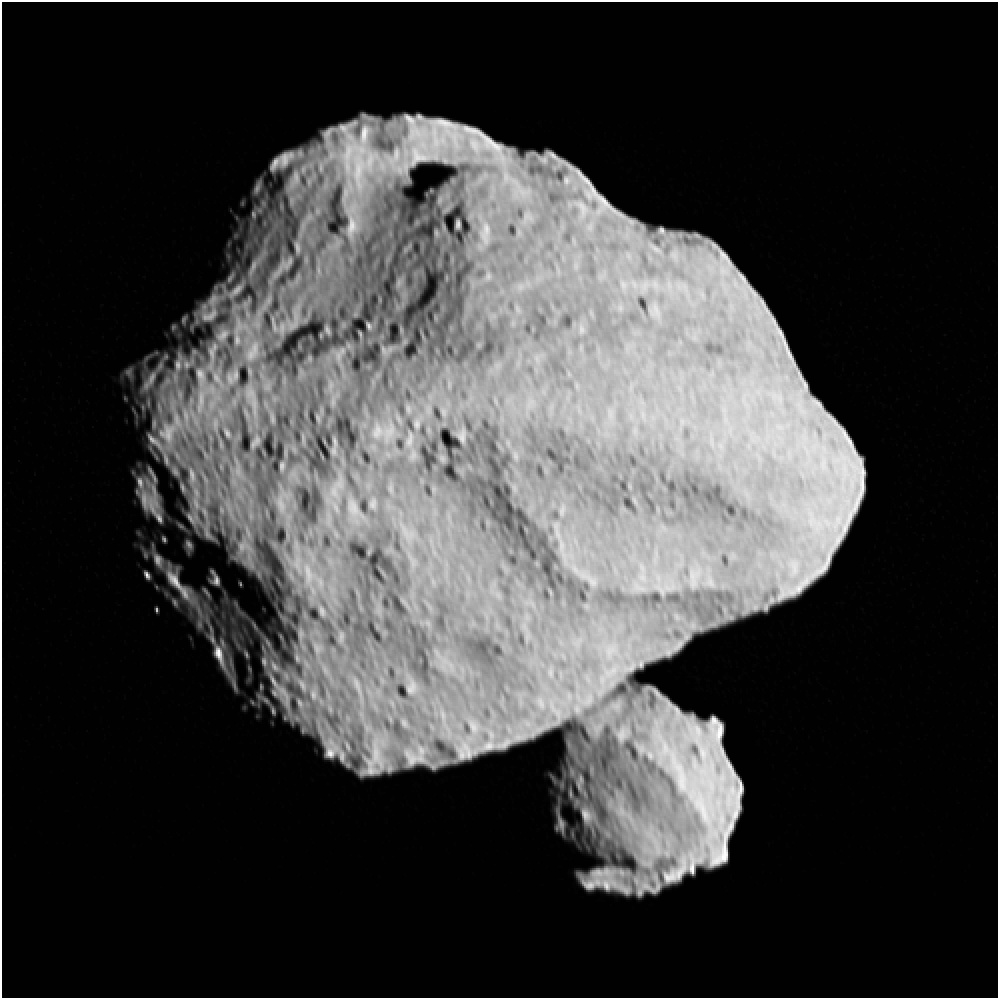
Mission Team
Lucy’s principal investigator is based out of the Boulder, Colorado, branch of Southwest Research Institute, headquartered in San Antonio. NASA’s Goddard Space Flight Center in Greenbelt, Maryland, provides overall mission management, systems engineering, and safety and mission assurance. Lockheed Martin Space in Littleton, Colorado, built the spacecraft. Lucy is the 13th mission in NASA’s Discovery Program. NASA’s Marshall Space Flight Center in Huntsville, Alabama, manages the Discovery Program for the agency’s Science Mission Directorate in Washington.
How Lucy Got Its Name
Lucy is named for a fossilized skeleton of a human ancestor found in Ethiopia in 1974. The skeleton was named for the Beatles song "Lucy in the Sky with Diamonds."