















SAGE III on the International Space Station
Overview
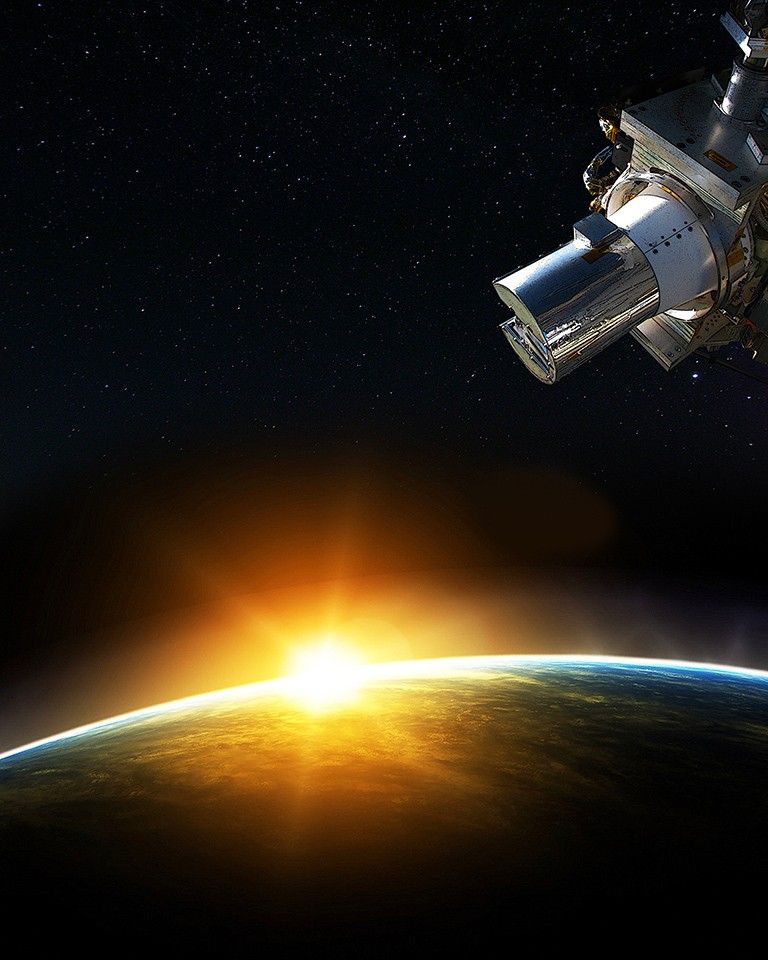
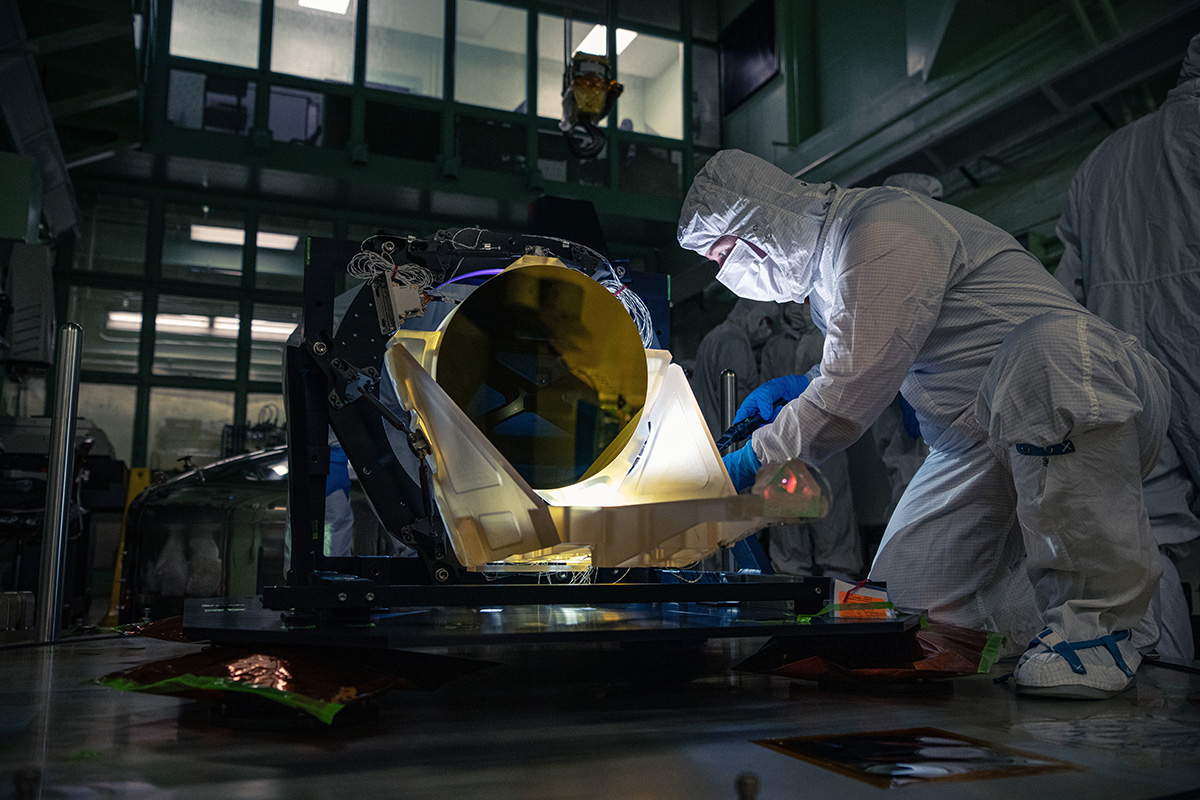
The Stratospheric Aerosol and Gas Experiment (SAGE) is a series of instruments designed by NASA to observe stratospheric ozone, aerosols, and water vapor from space. SAGE III is the newest and most advanced addition to the SAGE family.
Over the past four decades, the SAGE family of instruments have been critical in making accurate measurements of ozone loss in Earth’s atmosphere. The data collected from SAGE II helped leaders around the world institute an international treaty banning products containing harmful chemicals that destroy stratospheric ozone. SAGE has played a key role in measuring the onset of ozone recovery resulting from the internationally-mandated 1987 Montreal Protocol regulations.
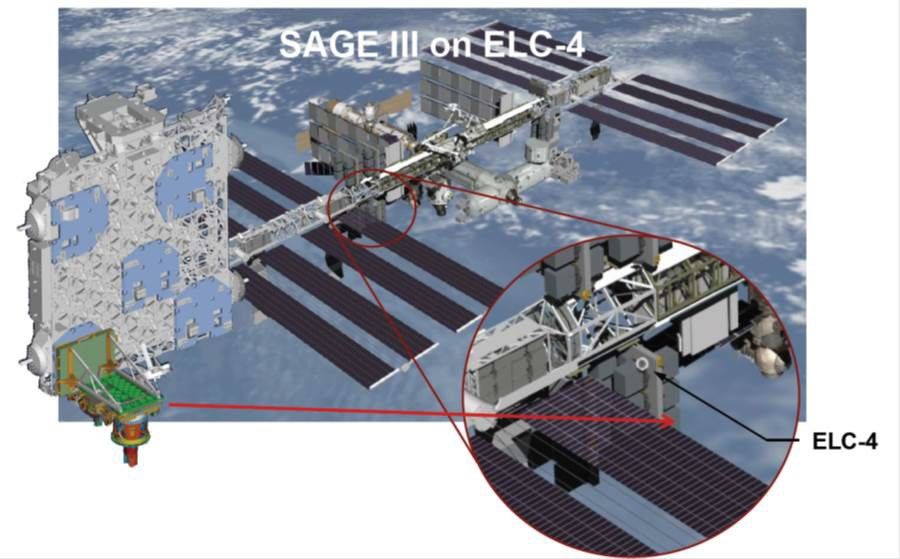
Today, the SAGE technique is still the best for the job, and NASA scientists sent the third generation of the instrument into space on February 19, 2017. Instead of flying on an un-manned satellite, SAGE III is mounted to the International Space Station (ISS) where it operates alongside experiments from all over the world in the space-based laboratory. It was robotically installed on the outside of the ISS and is now taking important measurements of gases and aerosols over 70% of the planet.
SAGE III takes measurements across the globe using a technique called occultation. Every time the sun, or moon, rises and sets, SAGE uses the light that passes through the atmosphere to measure gases and particles in that region of the atmosphere. From the ISS this happens over 30 times per day.
Instrument
SAGE III is the third generation of solar occultation instruments operated by NASA. The renewal of SAGE is designed to fill an anticipated gap in ozone and aerosol observations.
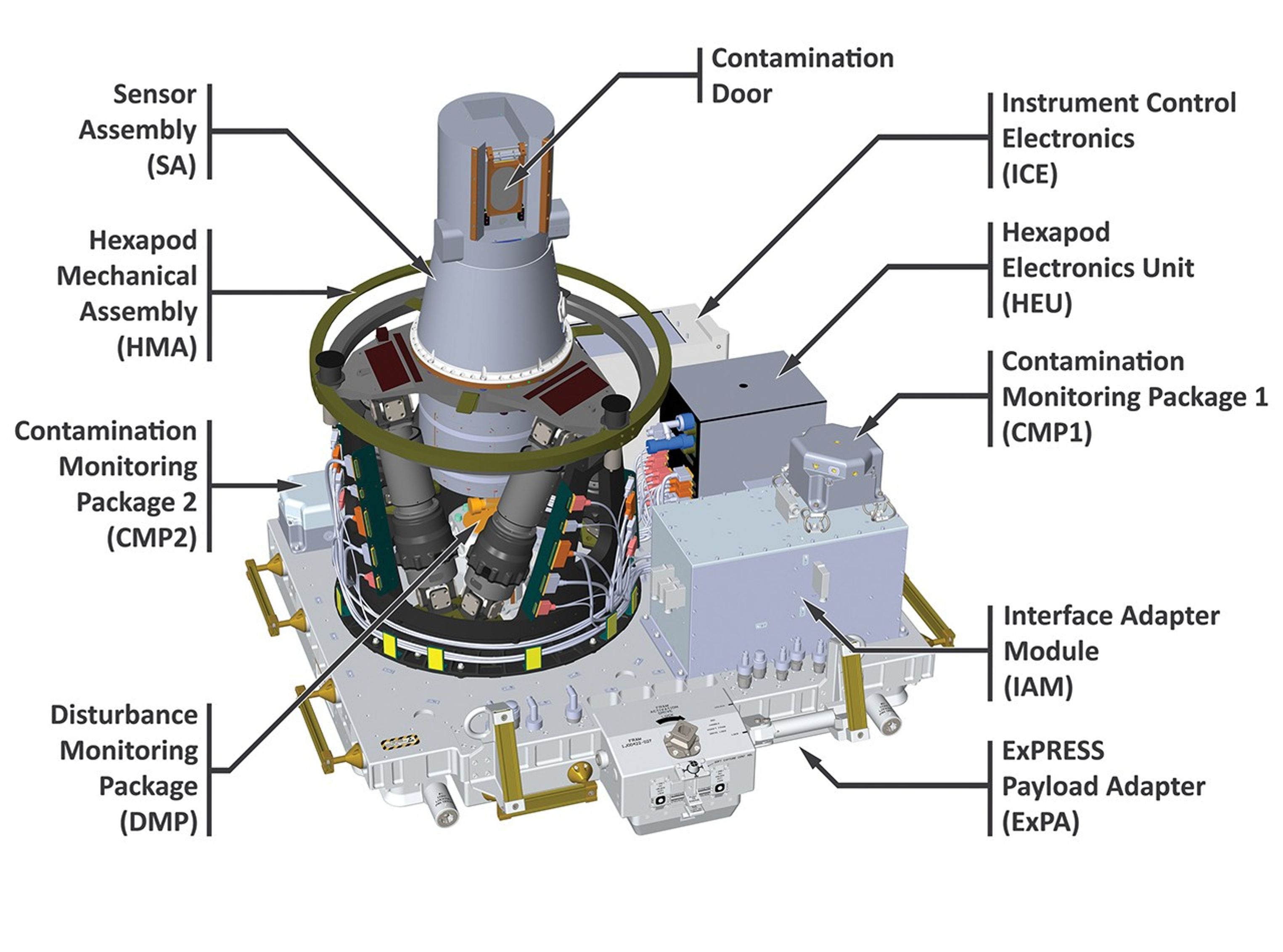
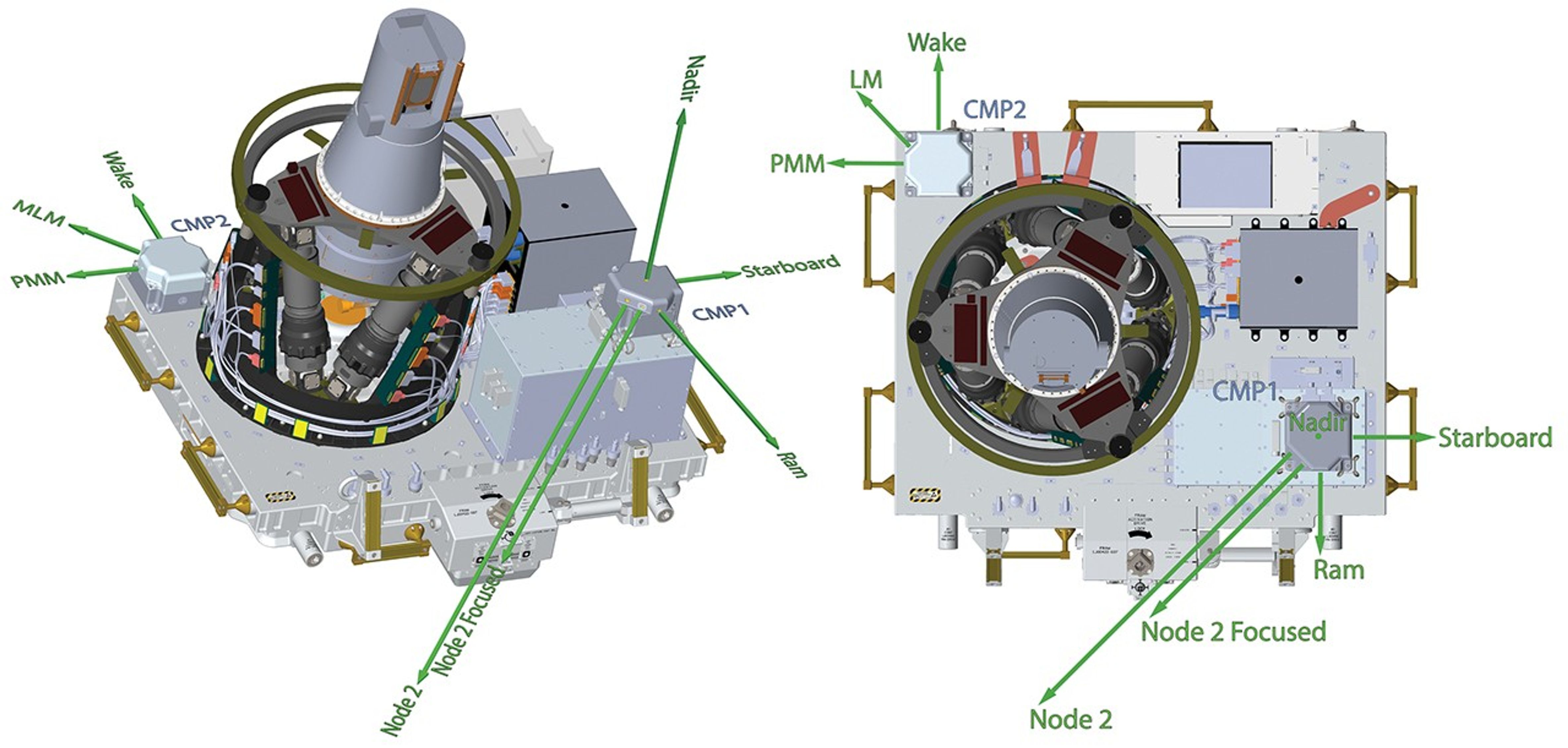
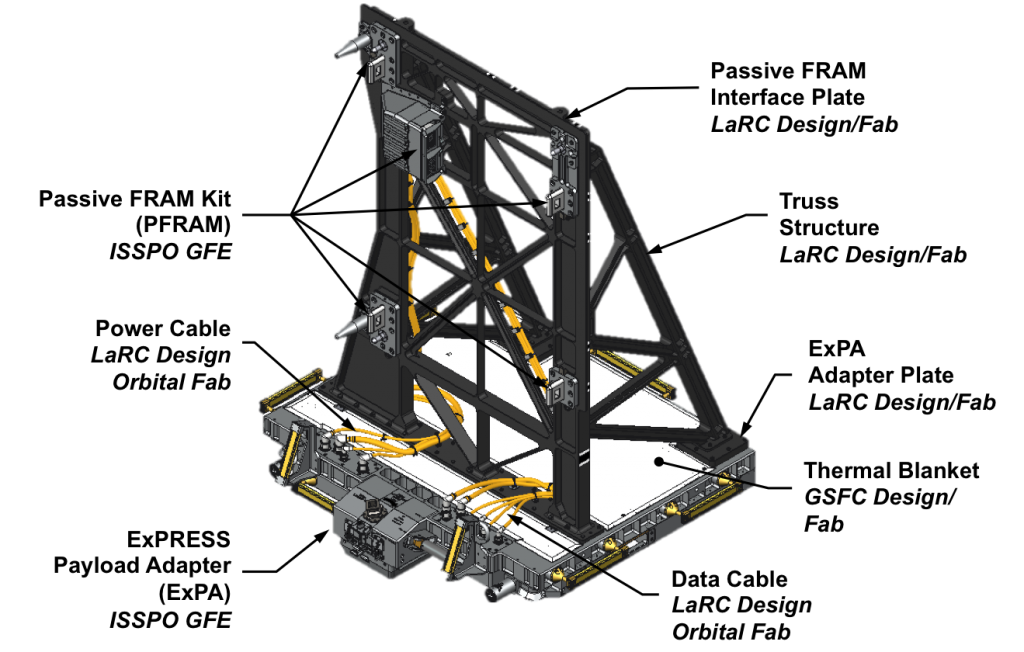
SAGE III was robotically mounted on the ExPRESS Logistics Carrier on the International Space Station.
SAGE III launched on a SpaceX Falcon 9 in February 2017.
Mission Status
SAGE III/ISS has completed its prime mission of three years of operation onboard the International Space Station. With approval to extend the SAGE III/ISS mission through 2029, we continue to provide the public and science community with world-class ozone, aerosol, and water vapor data products.
Data Access
Spatial / Temporal Coverage
Spatial Coverage: 70N to 70S
Spatial Resolution: .5km vertical
Temporal Coverage: 03/17/2017 – Present
Temporal Resolution: 1 file per event
Data Products
Ozone (solar and lunar)
Aerosol Extinction Profiles
Water Vapor
Nitrogen Dioxide (solar and lunar)
Nitrogen Trioxide (lunar)
Science Data Processing
The Level 1 and 2 science products are derived from the Level 0 data by algorithms running in the SAGE III/ISS Science Computing Facility (SCF) located at NASA Langley Research Center (LaRC). External ancillary data sources needed to proceed with Level 1 and 2 processing are: observation time/location and pressure/temperature profiles of the neutral atmosphere. GPS time and ISS position/velocity are standard products provided by ISS and are incorporated into the nominal SAGE III/ISS payload data stream. At the advice of the pre-flight ROSES selected Science Utilization Team, the Modern-Era Retrospective analysis for Research and Applications, Version 2 (MERRA-2) is used for temperature/pressure profiles of the neutral atmosphere. This is the same ancillary source used in creating the SAGE II V7 record. MERRA-2 is generally available three weeks after the end of the preceding month. Once the necessary ancillary information is available, processing a month of occultations is complete within a day or so.
The mission team reviews the results to assess the overall quality and remove any obvious failures, which are rare, not flagged by automated checks of data consistency, or stressing cases that are used for product improvement. Cleared data are then posted to the LaRC Distributed Active Archive Center (DAAC) for public distribution. These steps are usually completed within the required 10 days from receipt of the necessary inputs.
The SAGE III/ISS SCF processing system architecture consists of four Linux-based servers which support development, testing, production, and analysis of Level 1 and 2 data products. These servers have been verified to produce identical results such that they supply redundant capability to perform standard processing on a monthly cadence.
The Stratospheric Aerosol and Gas Experiment III installed on the International Space Station (SAGE III/ISS) mission team announces newly versioned science products. This SAGE III/ISS Version 6.0 (v6.0) includes Solar Level 1B, Solar Level 2, and Lunar Level 2 data products.
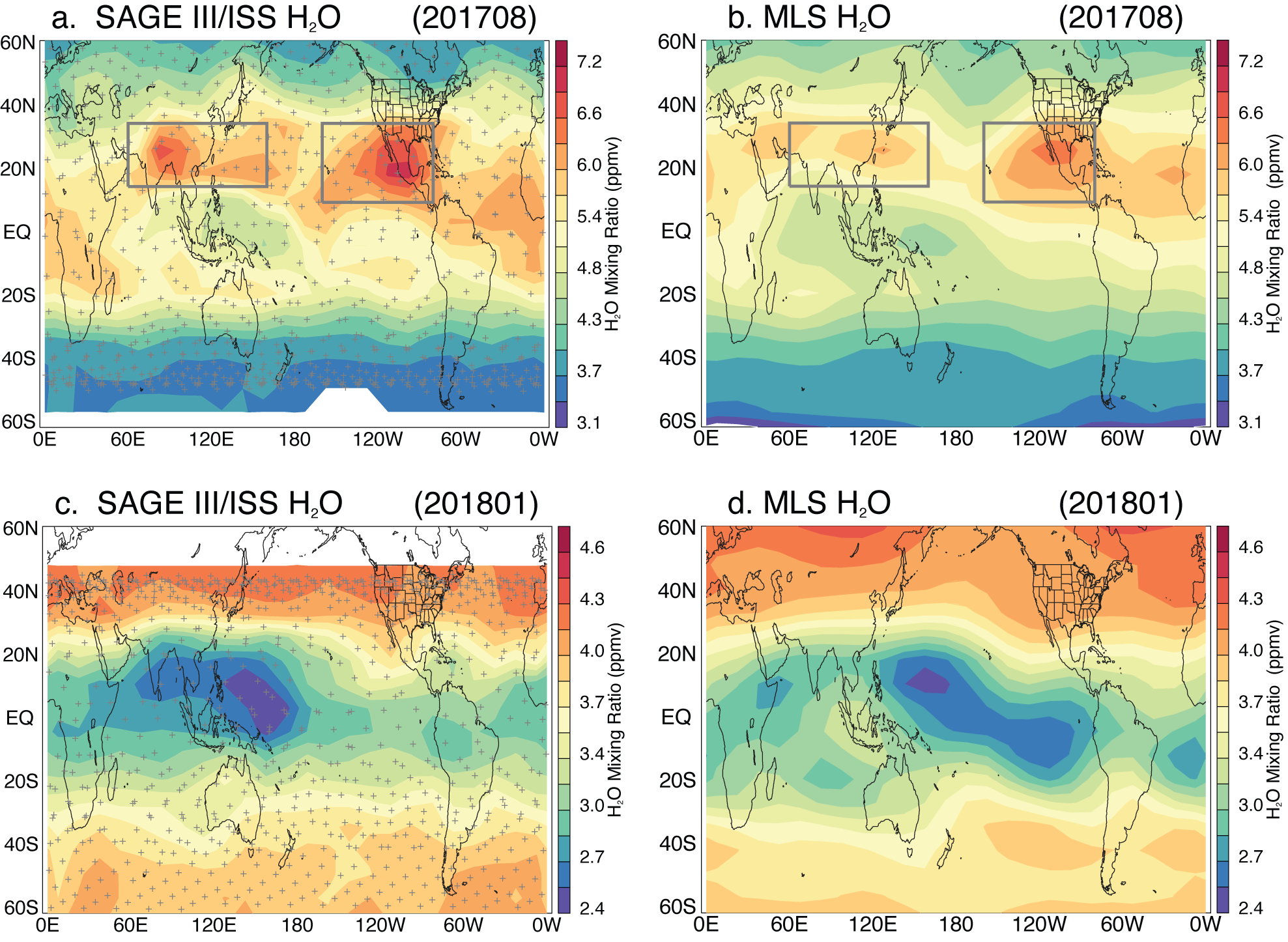
Vertical profiles of ozone (O3), nitrogen dioxide (NO2), and water vapor (H2O) concentrations, as well as multi-wavelength aerosol extinction coefficient and derived aerosol products, are included in the solar Level 2 data product files. Three ozone profiles are available in this release of the solar products: a UV-based mesospheric product (i.e., “o3_mes” in the product files) and two Chappuis-based products. One Chappuis-based product uses a spectrally focused spectral fitting retrieval (i.e., “o3_mlr”) while the other uses a broad-spectrum retrieval scheme that is similar to that of SAGE II (i.e., “o3_ao3”). Vertical profiles of ozone, nitrogen dioxide, and nitrogen trioxide (NO3) concentrations are included in the lunar Level 2 product files. Chlorine Dioxide (OClO) from lunar occultation are not included in this release.
Details of v6.0 can be found in the Release Notes and the Data Products User’s Guide below. Pay special attention to these documents as the contents have changed from past versions for all three types of scientific data formats containing SAGE III/ISS data.
V6.0 includes algorithmic improvements, updated ancillary inputs, and the convergence of data products previously available only in separate files/outlets. Traditional SAGE products now are packaged with the newly developed derived products aerosol/cloud flag and particle size distribution parameters.
Observations cover June 2017 through the present. Until further notice, all forward processing of SAGE III/ISS will be under v6.0, which is the suggested version, but prior legacy versions are available on request from the Atmospheric Science Data Center (ASDC).
Information about this new data product, including data availability, user documentation and quality statements, relevant links, and tools for working with the data can be found at the following Earth Data page.
The mission will continue to provide plots of the scientific products on the browse portal for superior quality data: Quicklook (https://science-data.larc.nasa.gov/sage-data/quicklook/) and Expedited (https://science-data.larc.nasa.gov/sage-data/expedited/).
Science Team
Jun Wang (Team Lead) / University of Iowa, Iowa City
Sean Davis / NOAA Earth System Research Laboratory
Lars Kalnajs / University of Colorado, Boulder
Cheng-Hsuan Lu / State University of New York at Albany
Luis Millan Valle / Jet Propulsion Laboratory
Mahesh Varma Mundakkara Kovilakam / ADNET Systems, Inc. / NASA Langley Research Center
Brian Soden / University of Miami, Key Biscayne
Pamela Wales / Goddard Space Flight Center
Hsiang-Jui (Ray) Wang / Georgia Institute of Technology
Jianglong Zhang / University of North Dakota
Bi-Monthly Presentations
March 7, 2025
Title: Impacts of the Asian summer monsoon on UTLS composition: Observations and Modeling
Abstract: The Asian summer monsoon (ASM) is typically regarded as a weather system, but an ongoing line of research has focused on its implications for impacting atmospheric composition. The coupling of enhanced anthropogenic emissions and seasonal deep convection act together to transport pollutants from the boundary layer to the upper troposphere and lower stratosphere (UTLS) over Asia, where they are often confined within a persistent anticyclonic circulation. This presentation will describe a recent observational effort to study this mechanism, the Asian summer monsoon Chemical and Climate Impact Project (ACCLIP), which sampled the composition of convective outflow from the ASM over the western Pacific in summer 2022. During ACCLIP, unprecedented concentrations of tropospheric species were sampled within the ASM UTLS anticyclone. A transport model is applied to estimate the locations and time scales of convective outflow contributing to specific sampling segments, which reveals the unique chemical contribution of two distinct ASM sub-systems to the sampling. Ongoing applications of ASM UTLS observations toward improvements in chemistry transport models are also discussed, including the roles of emissions and dynamics.
Speaker Bio: Dr. Warren (Ren) Smith is a Project Scientist in the Atmospheric Chemistry Observations & Modeling (ACOM) Laboratory at the NSF National Center for Atmospheric Research (NSF NCAR) in Boulder, Colorado. Dr. Smith received his Ph.D. in 2019 from the University of Colorado Boulder with a dissertation emphasis on tropical cyclogenesis. He then began working at NSF NCAR / ACOM as a postdoctoral fellow with Dr. Laura Pan examining the role of deep convection in impacting the composition of the UTLS through an integration of airborne observations with chemistry and transport modeling. He was a part of the science team for the 2022 ACCLIP campaign, where he served as airborne mission scientist on several research flights. In addition to his research, Dr. Smith serves as the early career representative on NSF NCAR / ACOM’s leadership team and also organizes an ongoing series of UTLS science discussions for an international research community.
July 14, 2023
Title: Stratospheric Aerosol Size Reduction After Volcanic Eruptions
Abstract: Benefiting from the broad wavelength spectrum of the SAGE III/ISS solar occultation measurements, we retrieved the parameters of assumed-to-be monomodal lognormal particle size distributions of stratospheric aerosol. For this we used a three-wavelength extinction ratio approach [1]. Surprisingly, we find that some volcanic eruptions can lead to a decrease in average stratospheric aerosol size, in this case the eruptions of Ambae in 2018, Ulawun in 2019, and La Soufrière in 2021, while other eruptions have a more expected increasing effect on the average particle size, like the 2019 Raikoke, or the 2022 Hunga Tonga – Hunga Ha’apai eruption. We show how different parameters like the median radius, the absolute distribution width, and the number density evolve after the mentioned eruptions. Additionally, as a part of our ongoing research to understand the underlying mechanisms controlling the observed aerosol size reduction, we show simulations of the Raikoke and Ulawun volcanic eruptions using the aerosol-climate model MAECHAM5-HAM. A good agreement between simulations and observations in aerosol extinction and aerosol size perturbations was achieved in the first 2-3 months after the eruptions. However, the model simulations could not reproduce the long lifetime of the small stratospheric aerosol size that was retrieved from SAGE III/ISS. In addition to these findings, a short overview of the VolImpact research unit as a whole will be given in the context of which these results were worked on. The results shown are submitted to ACP and currently under review (https://doi.org/10.5194/egusphere-2023-837).
[1] Wrana, F., von Savigny, C., Zalach, J., Thomason, L. W.: Retrieval of stratospheric aerosol size distribution parameters using satellite solar occultation measurements at three wavelengths, Atmos. Meas. Tech., 14, 2345 — 2357, doi: 10.5194/amt-14-2345-2021, 2021.
Speaker Bio: After receiving his bachelor’s degree at the Technische Universität Berlin, Felix Wrana moved to and is associated with the University of Greifswald. There, he received his Master of Science in Environmental Sciences in 2019 and is currently a PhD student. He is also a part of the DFG Research Unit VolImpact, which is investigating volcanic impacts on atmosphere and climate.
August 23, 2022
Title: The Copernicus Atmosphere Monitoring Service (CAMS) Stratospheric Ozone
Abstract: Copernicus services have been set up by the European Union in order to monitor the state of our planet and to help policy makers make decisions. There are six Copernicus services: Atmosphere Monitoring, Marine Environment Monitoring, Land Monitoring, Climate Change, Emergency Management and Security. This talk will focus on the first one, CAMS (Copernicus Atmosphere Monitoring Service). CAMS provides global quality-controlled information related to air pollution and health, solar energy, greenhouse gases and climate forcing. This is achieved by data assimilation of operational satellite data, providing near real time analysis and forecast of tropospheric composition and stratospheric ozone. CAMS also performs reanalyses starting in 2003. This presentation will provide an overview of CAMS in general and of the stratospheric ozone products in particular. We will also describe the evaluation of CAMS products using, among others, SAGE III/ISS ozone profiles.
Speaker Bio: Dr. Quentin Errera is an expert in chemical data assimilation and stratospheric modeling. He started his career at BIRA-IASB in 1995 by analyzing balloon measurement of stratospheric aerosols. Then he obtained a PhD in 2022 by developing a chemistry data assimilation system. He has a strong involvement in the development of the Belgian Assimilation System for Chemical ObsErvations (BASCOE), and produced the BASCOE Reanalysis of Aura MLS, version 2 (BRAM2, Errera et al., ACP, 2019). He also has a long expertise in observations taken by satellite limb instruments and their use to evaluate models or data assimilation analyses. Since 2020, he is responsible for the validation of stratospheric ozone provided by the Copernicus Atmospheric and Monitoring Service (CAMS). Between 2013 and 2021, he was co-leader of the SPARC Data Assimilation Working Group. For several years, he also contributed to the definition of the ESA Earth Watch ALTIUS mission by having set up several Observing System Simulation Experiments (OSSE).
June 28, 2022
Title: A New Challenge in Stratospheric Chemistry: Wildfire Smoke
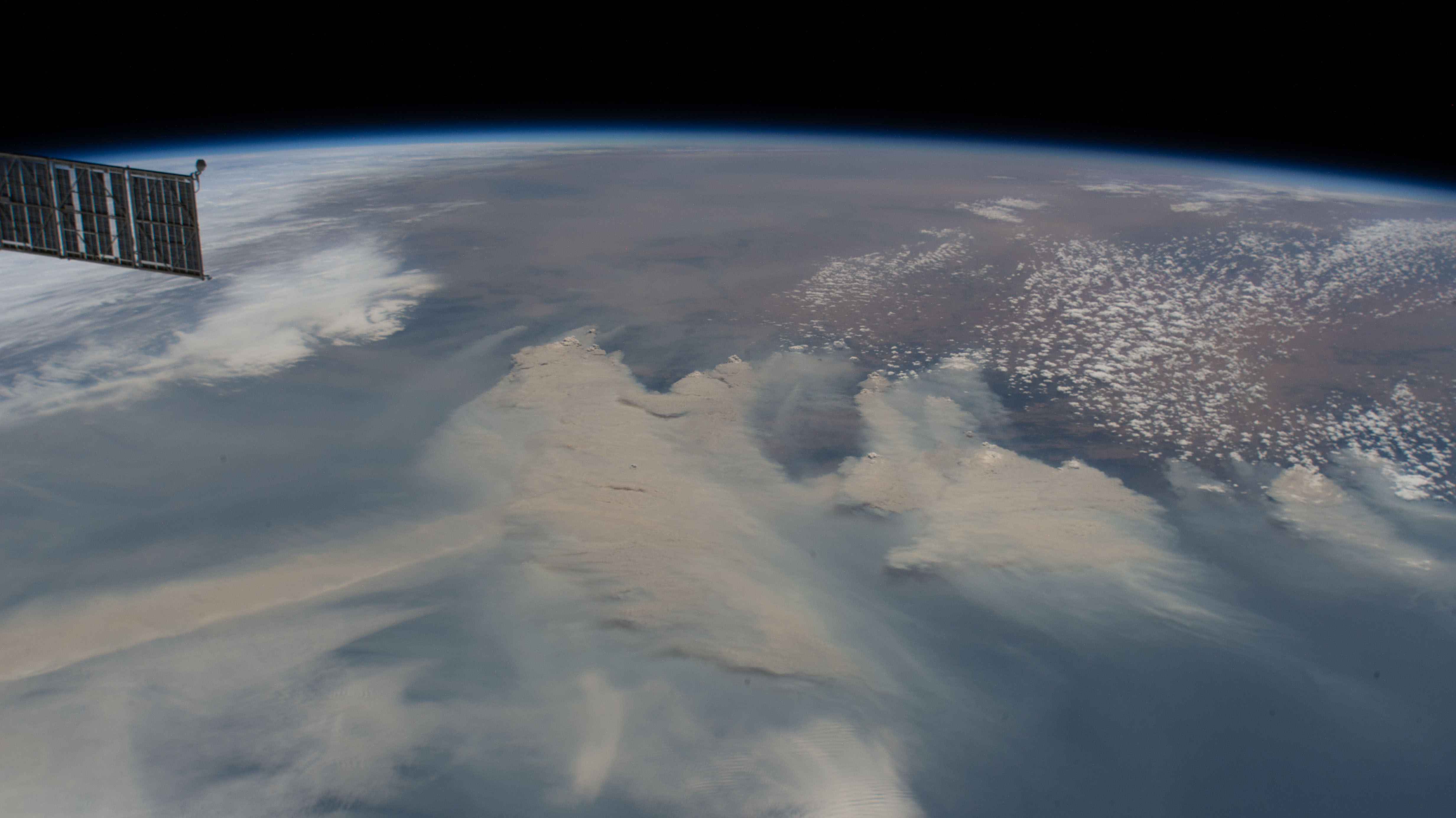
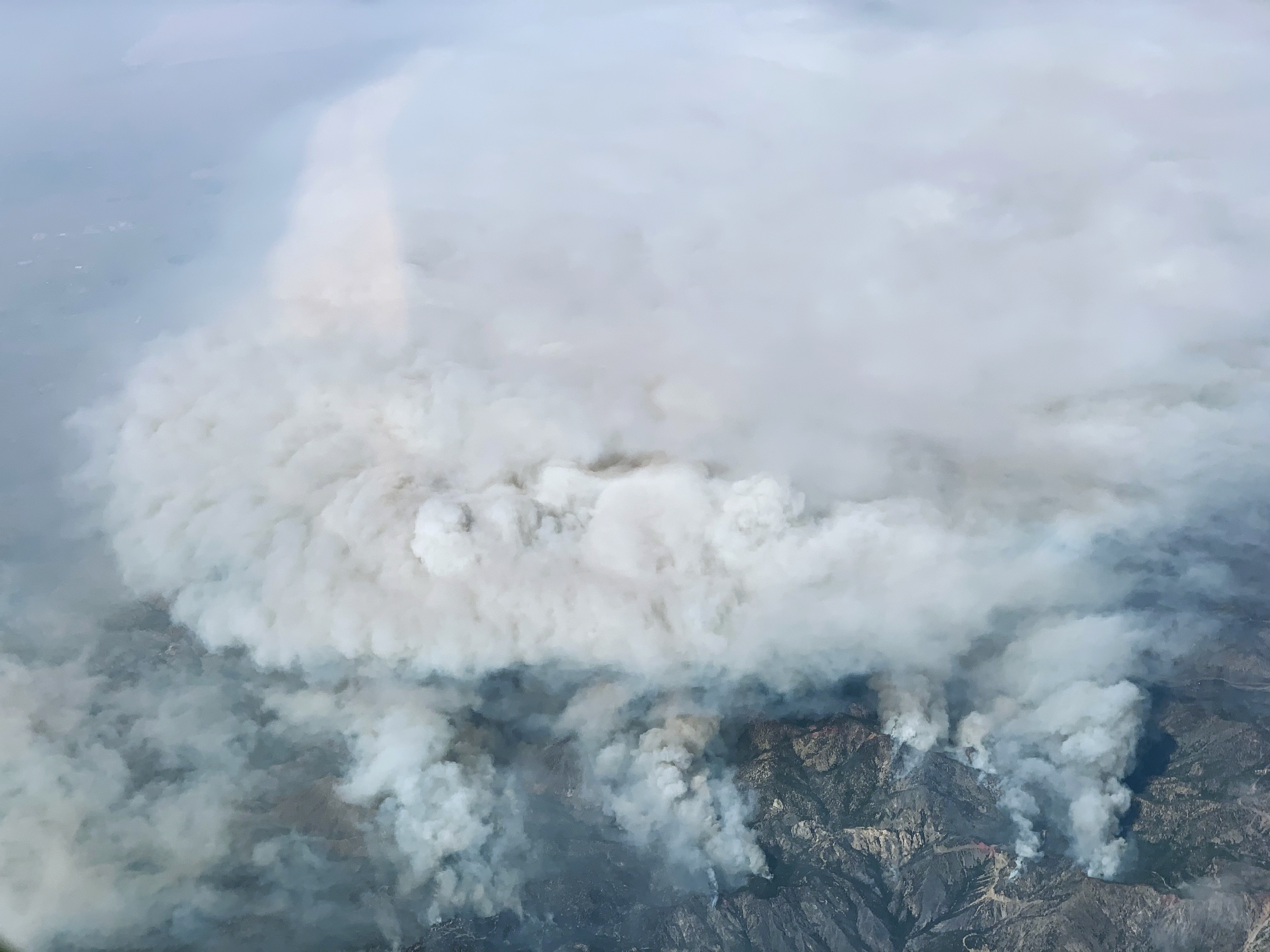
Abstract: Although pyrocumulonimbus towers have long been known to reach the stratosphere and inject particulate matter, their chemical significance has only recently been recognized. I will summarize multiple observations of aerosol and NO2 concentrations from three independent satellite instruments that identify decreases in stratospheric NO2 concentrations following the major Australian 2019 through 2020 wildfires. The data confirm that N2O5 hydrolysis did occur on these smoke particle surfaces, with important implications for both composition and ozone depletion. However, additional and more important processes are evident in available satellite data. Those findings will be discussed, and avenues for improvements in understanding will be identified. The results indicate that increasing wildfire activity in a warming world can be expected to slow the recovery of the ozone layer for at least the next several decades. Possible linkages to atmospheric circulation and climate will also be discussed.
Speaker Bio: Dr. Susan Solomon is the Martin Professor of Environmental Studies at the Massachusetts Institute of Technology. She is well known for pioneering research on the Antarctic ozone hole and on the irreversibility of climate change. She received the 1999 US National Medal of Science (highest scientific award in the US), the Grande Medaille of the French Academy of Sciences, the Crafoord Prize of the Swedish Academy of Sciences, the Blue Planet Prize, and the Volvo prize. She is a member of the National Academy of Sciences, the French Academy of Sciences, the Pontifical Academy of Sciences, and the Royal Society in the UK. Time magazine named Solomon as one of the 100 most influential people in the world in 2008. A glacier in the Antarctic has been named after her.
April 26, 2022
Title: Clouds and Aerosols from the Atmospheric Chemistry Experiment (ACE) and SAGE III/ISS: Overview and Latest Results
Abstract: ACE (http://www.ace.uwaterloo.ca/) [1] and SAGE III/ISS are measuring atmospheric composition by solar occultation from low Earth orbit. The primary ACE instrument is an infrared Fourier transform spectrometer (ACE-FTS) and SAGE III/ISS is a UV-Visible-NearIR spectrometer. These instruments provide complementary atmospheric observations. ACE-FTS measures infrared spectra of aerosols and clouds by removing gas phase features to leave “residual” spectra. So far, ACE-FTS has observed spectra of Polar Mesospheric Clouds (PMCs), Polar Stratospheric Clouds (PSCs), stratospheric smoke, sulfate aerosols, cirrus clouds, and volcanic ash. This presentation will focus on volcanic sulfate aerosols and stratospheric smoke particles. We have discovered a new chemistry catalyzed by smoke particles injected into the stratosphere by extreme wildfires (“Wildfire smoke destroys stratospheric ozone” [2]). Most recently we have combined ACE-FTS infrared spectra with SAGE III/ISS extinction measurements to characterize sulfate aerosols more completely.
[1] P. F. Bernath, The Atmospheric Chemistry Experiment (ACE), J. Quant. Spectrosc. Rad. Transfer 186, 3-16 (2017).
[2] P. Bernath, C. Boone and J. Crouse, Wildfire smoke destroys stratospheric ozone, Science 375, 1292-1295 (2022).
Speaker Bio: Peter Bernath received his Bachelor of Science in Chemistry from the University of Waterloo and his Ph.D. in Physical Chemistry from MIT. After a post-doctoral stint at the National Research Council of Canada, he became a faculty member at the University of Arizona, followed by positions at the University of Waterloo and University of York. He is currently at Old Dominion University in Norfolk, VA, where he is a Professor and Eminent Scholar. His research interests are in laboratory spectroscopy, molecular astronomy, and atmospheric science.
February 22, 2022
Title: The JPL Lidar Atmospheric Composition Observations for NDACC: A Review of the Multi-decadal Ozone, Temperature, Aerosol, and Water Vapor Profiles at JPL Table Mountain (CA) and Mauna Loa (HI)
Abstract: Four ground-based lidar instruments have been operated for about three decades at the Jet Propulsion Laboratory Table Mountain Facility (TMF), California, and Mauna Loa Observatory (MLO), Hawaii. These instruments contribute long-term datasets of ozone, temperature, aerosol, and water vapor to the Network for the Detection of Atmospheric Composition Change (NDACC). The measurements are regularly used in international assessments of long-term trends of atmospheric composition in the troposphere, stratosphere, and mesosphere, and represent critical reference data for the validation of space-borne and airborne instruments, including SAGE III/ISS. Several examples of science and validation results involving these lidars will be presented, including recent discoveries that appear to shape the future of ground-based observations in support of future space missions.
Speaker Bio: Dr. Thierry Leblanc is a Research Scientist at NASA’s Jet Propulsion Laboratory (JPL), Principal Investigator of three JPL atmospheric lidar programs, contributing long-term measurements of atmospheric composition to the NDACC and TOLNet networks. His research interests are centered on the observation of ozone, temperature, water vapor, and aerosols using the Raman and differential absorption lidars located at JPL Table Mountain Facility (TMF) in California and Mauna Loa Observatory in Hawaii. He is also responsible for all surface, drone-based, and balloon-borne measurements performed at TMF. Thierry received his Ph.D in Atmospheric Physics in 1995 from the Université Pierre and Marie Curie (Paris, France) on the observation and modeling of gravity wave breaking and its role on the residual circulation. He joined JPL in 1996 where he developed the suite of JPL lidar retrievals used today, and built a high-capability Raman water vapor lidar for measurements in the UT/LS. He is currently co-chair of the NDACC Lidar Working Group, a member of the International Committee for Laser Atmospheric Studies (ICLAS), and a contributor to the TOAR-II Project and to several SPARC Activities.