










Interstellar Science
Three science instruments remain operational in the Voyager Interstellar Mission

Science Investigations
There are currently three science investigation teams participating in the VIM using the three operating instruments aboard Voyager 2 and two instruments aboard Voyager 1.
These science teams are collecting and evaluating data on:
- The strength and orientation of the Sun's magnetic field using the Magnetic Field Investigation (MAG)
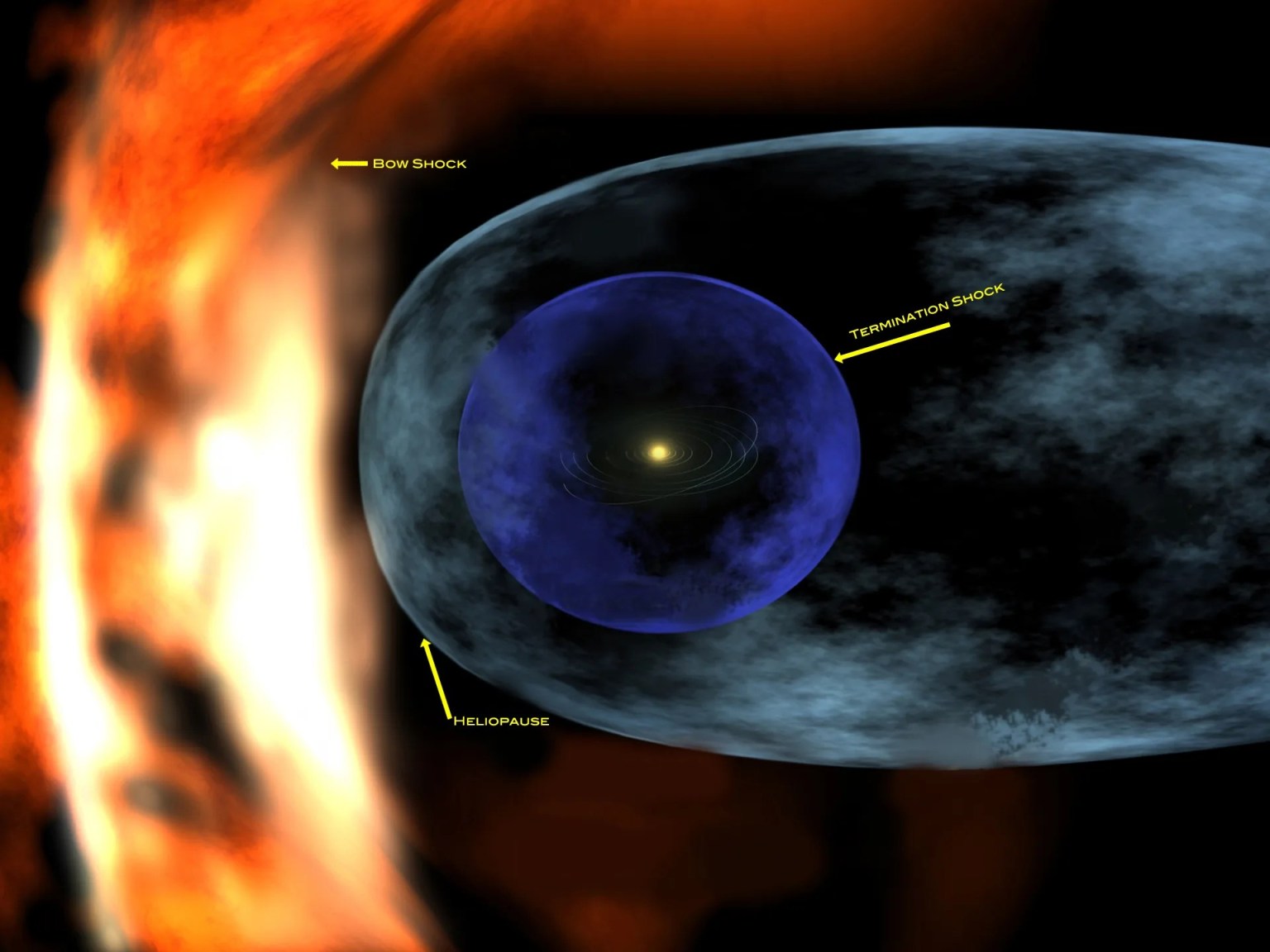
- The strength of radio emissions that are thought to be originating at the heliopause, beyond which is interstellar space, using the Cosmic Ray Investigation (CRS). This was turned off on Voyager 1 on Feb. 25, 2025, to save power.
- The distribution of hydrogen within the outer heliosphere using the Plasma Wave Investigation (PWS)
Additional science instruments have operated aboard these two spacecraft throughout the years.
The Low Energy Charged Particle Investigation (LECP), to study the composition, direction and energy spectra of the solar wind particles and interstellar cosmic rays, was turned off on Voyager 2 to save power March 24, 2025, and turned off for the same reason on Voyager 1 on April 17, 2026.
The Planetary Radio Astronomy Investigation (PRA) was turned off on both Voyager 1 and 2 in early 2008 to save power, and the Ultraviolet Spectrometer Subsystem (UVS) is no longer working on Voyager 1 or Voyager 2. The Plasma Science (PLS) system on Voyager 2 was turned off Sept. 26, 2024 to save power; on Voyager 1 it has been off since 2007 because of degraded performance.
Science Data
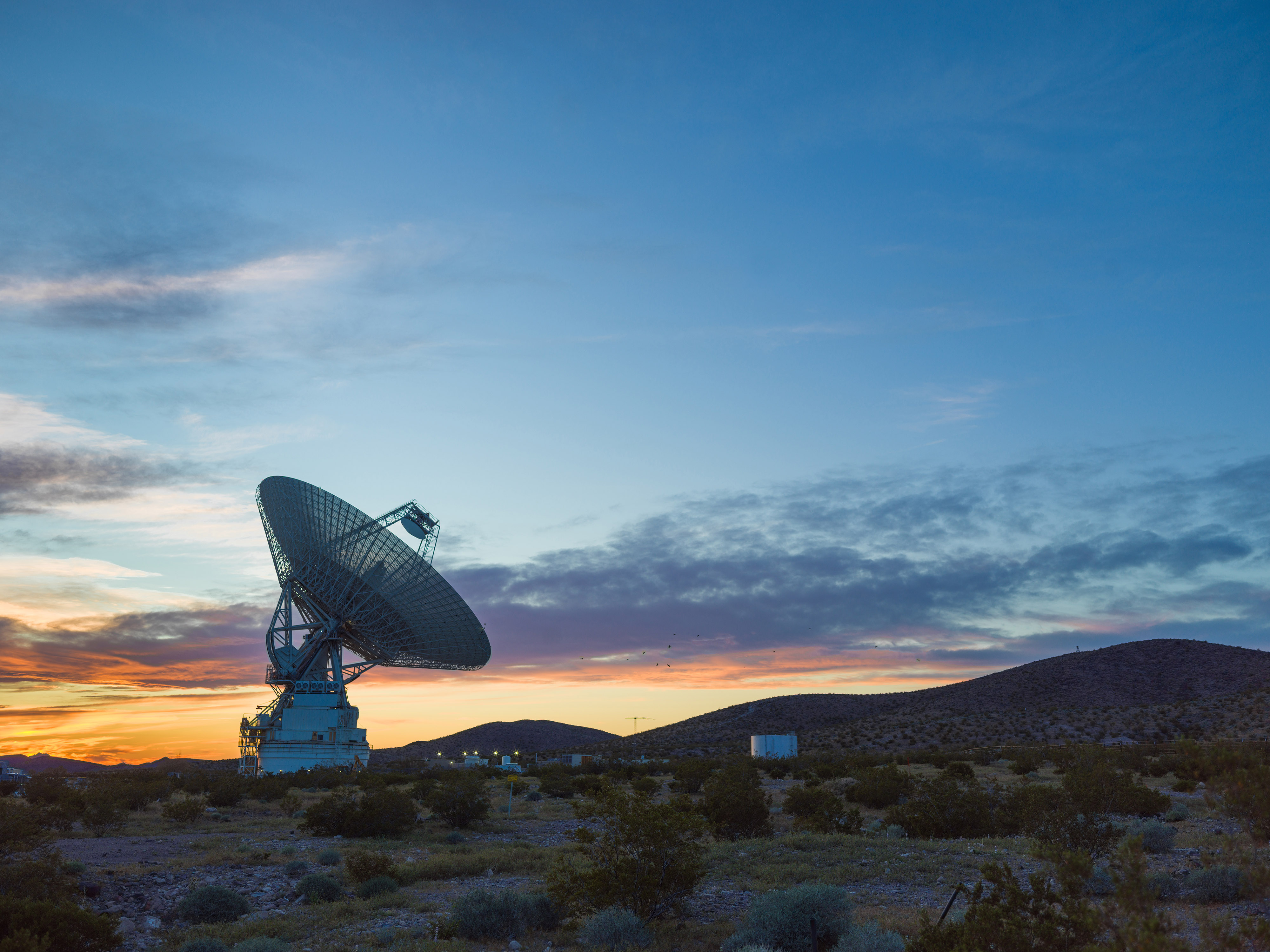
Science data is returned to Earth from the two Voyager spacecraft in real time, which is 160 bits per second. This data is transmitted to NASA's Deep Space Network (DSN), an international network of giant radio antennae — with complexes in California, Spain, and Australia — that supports the agency's interplanetary (and interstellar, with Voyager) missions. Using the DSN, the mission gets an average of 6-8 hours of real-time tracking data on each of the Voyager spacecraft per day.