













How Big is Our Galaxy, the Milky Way?
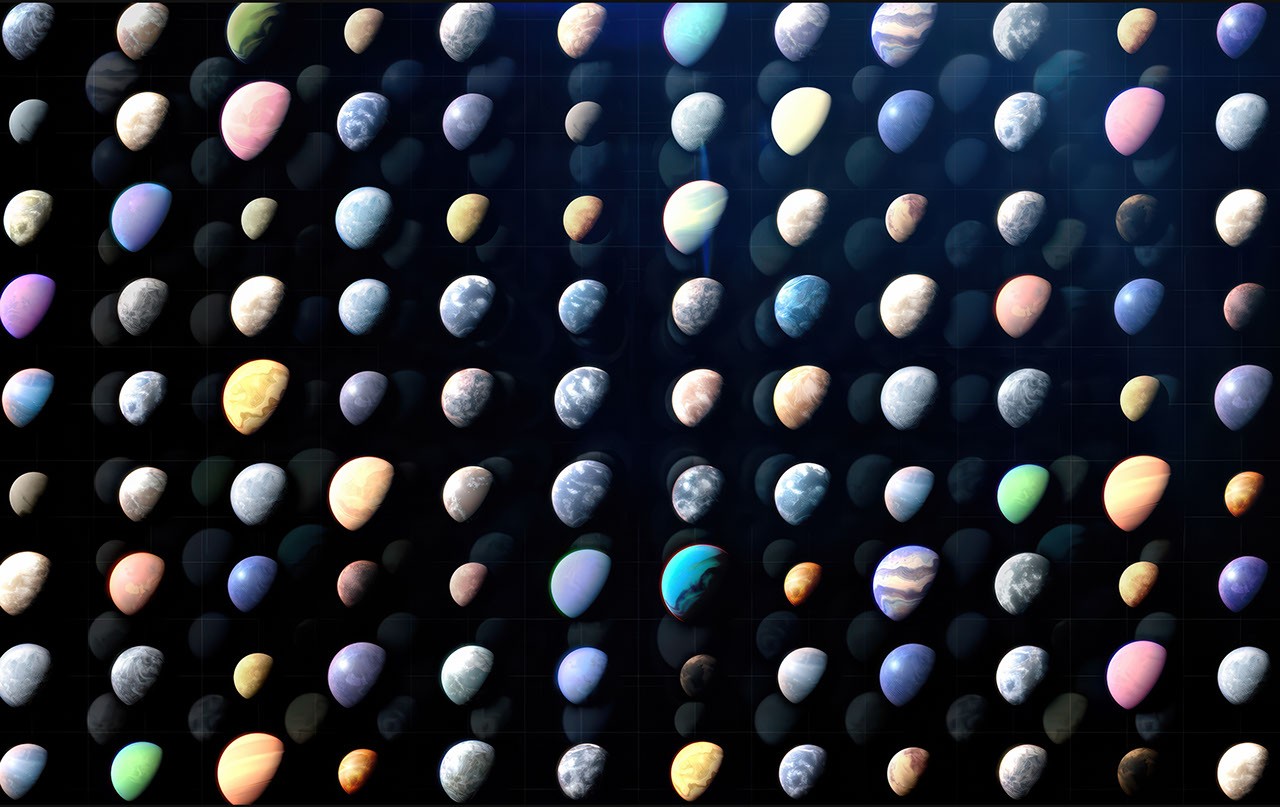
When we talk about the enormity of the cosmos, it's easy to toss out big numbers. It's hard, though, to wrap our minds around just how large, how far, and how numerous celestial bodies like exoplanets — planets beyond our solar system — really are.
Another mid-boggling fact is the size of our Milky Way galaxy.
NASA/JPL-Caltech
We use light-time to measure the vast distances of space. It's the distance that light travels in a specific period of time.
Also, light is fast. Nothing travels faster than light.
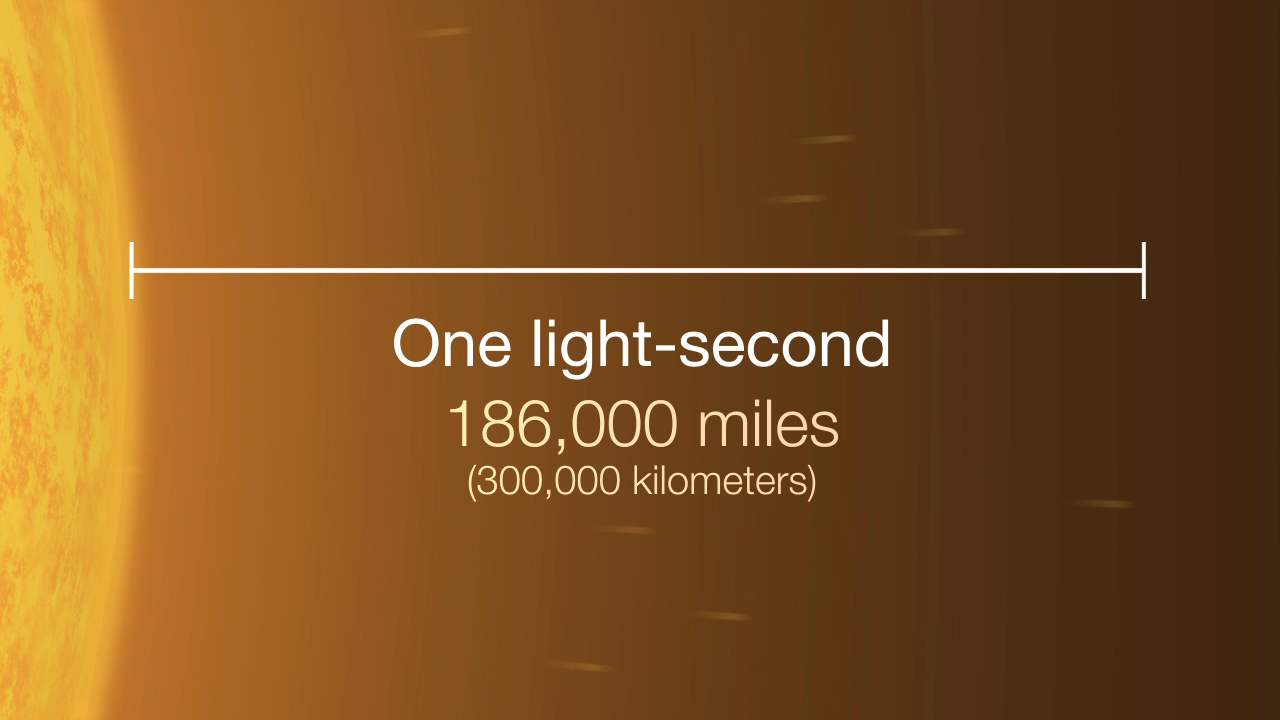
How far can light travel in one second? 186,000 miles. It might look even faster in metric units: 300,000 kilometers in one second.
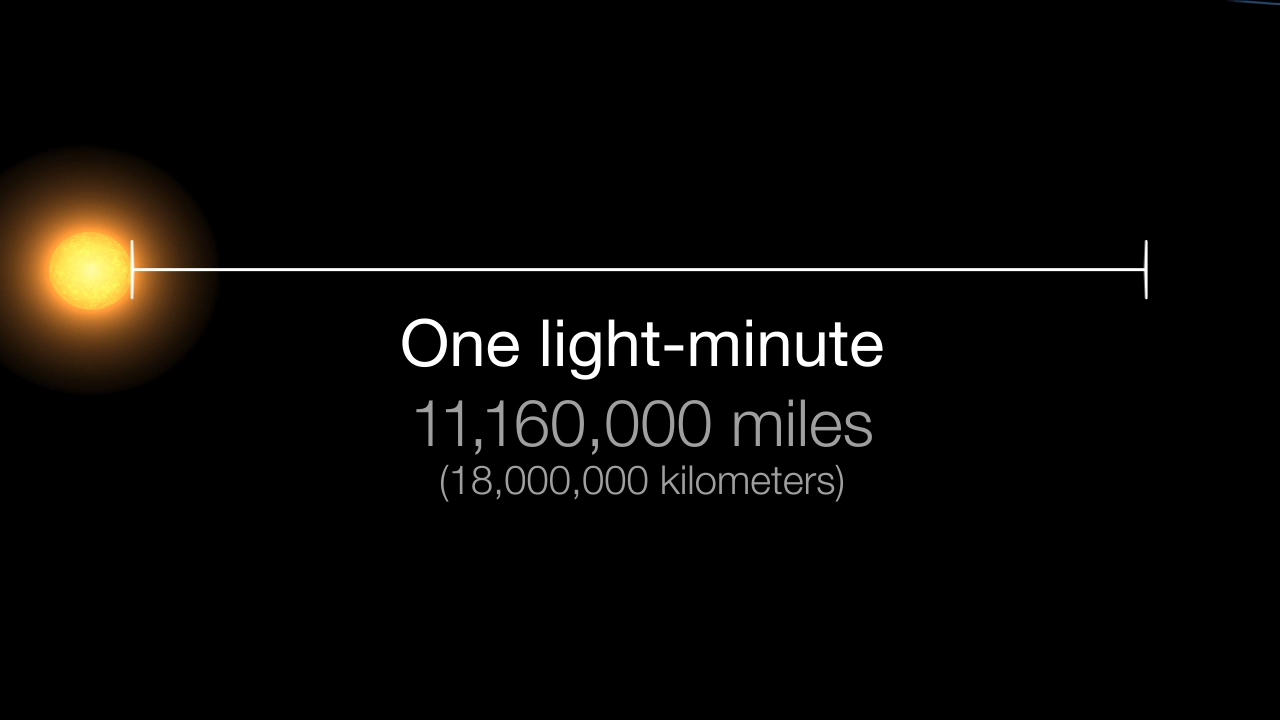
How far can light travel in one minute? 11,160,000 miles (17,960,000 km). We're moving now! Light could go around the Earth a bit more than 448 times in one minute.
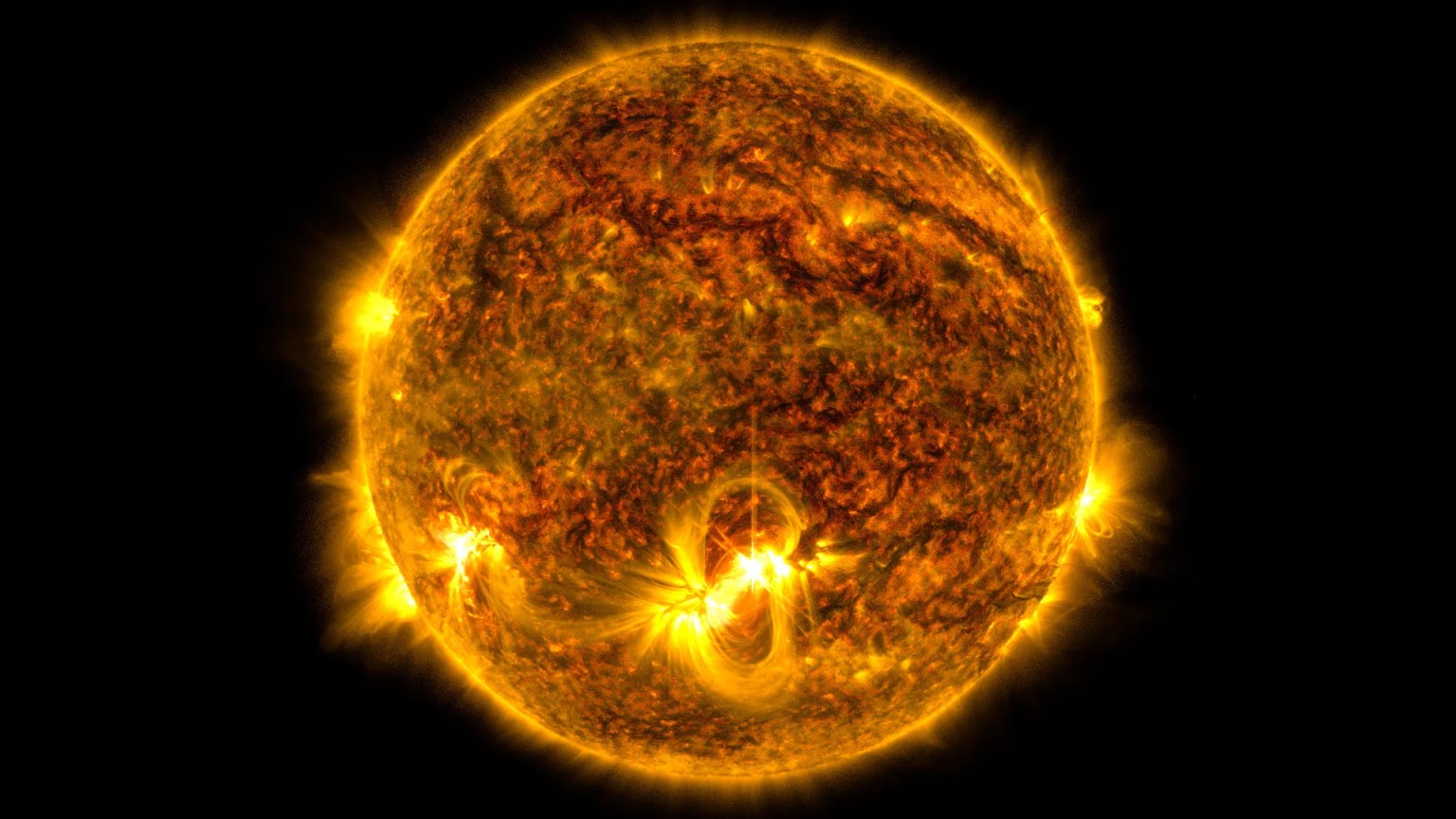
Speaking of Earth, how long does it take light from the Sun to reach our planet? 8.3 minutes.
It takes 43.2 minutes for sunlight to reach Jupiter, about 484 million miles (779 million km) away. Light is fast, but the distances are vast.
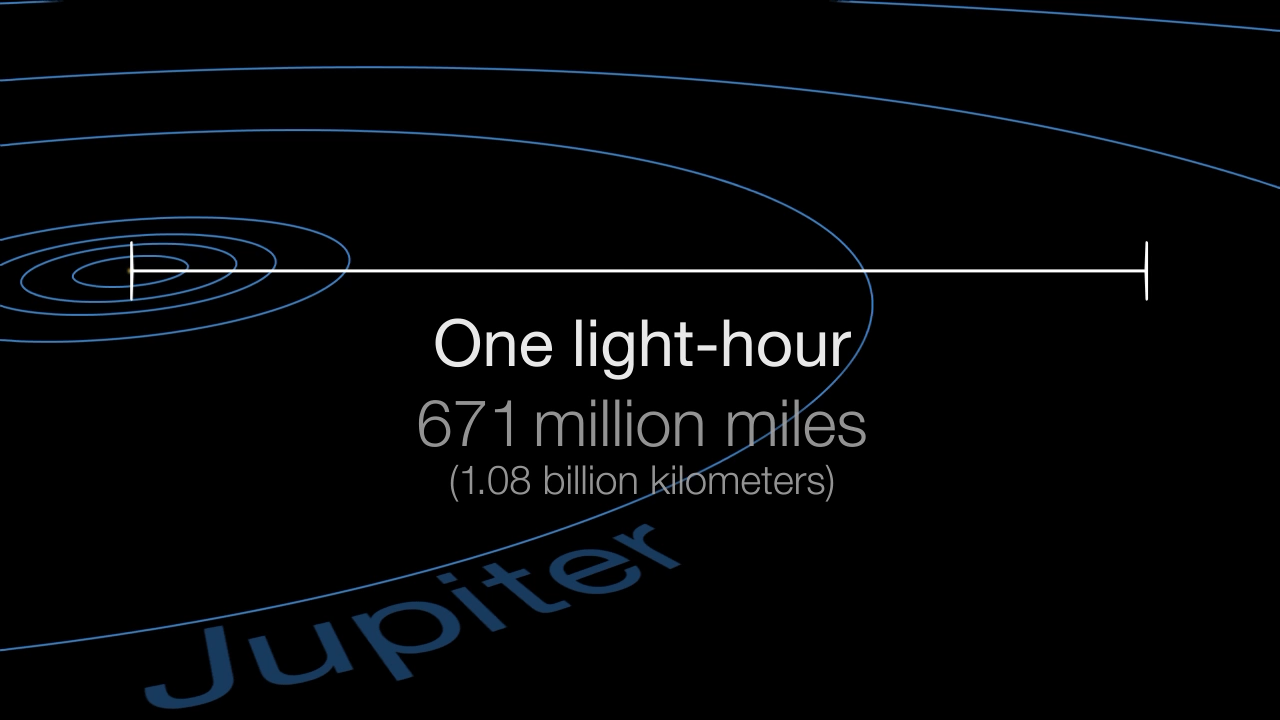
In an hour, light can travel 671 million miles (1.08 billion km). We're still light-years from the nearest exoplanet. Proxima Centauri b is 4.2 light-years away. So … how far is a light-year? 5.8 trillion miles (9.3 trillion km).
A trip at light speed to the very edge of our solar system — the farthest reaches of the Oort Cloud, a collection of dormant comets way, way out there — would take about 1.87 years.
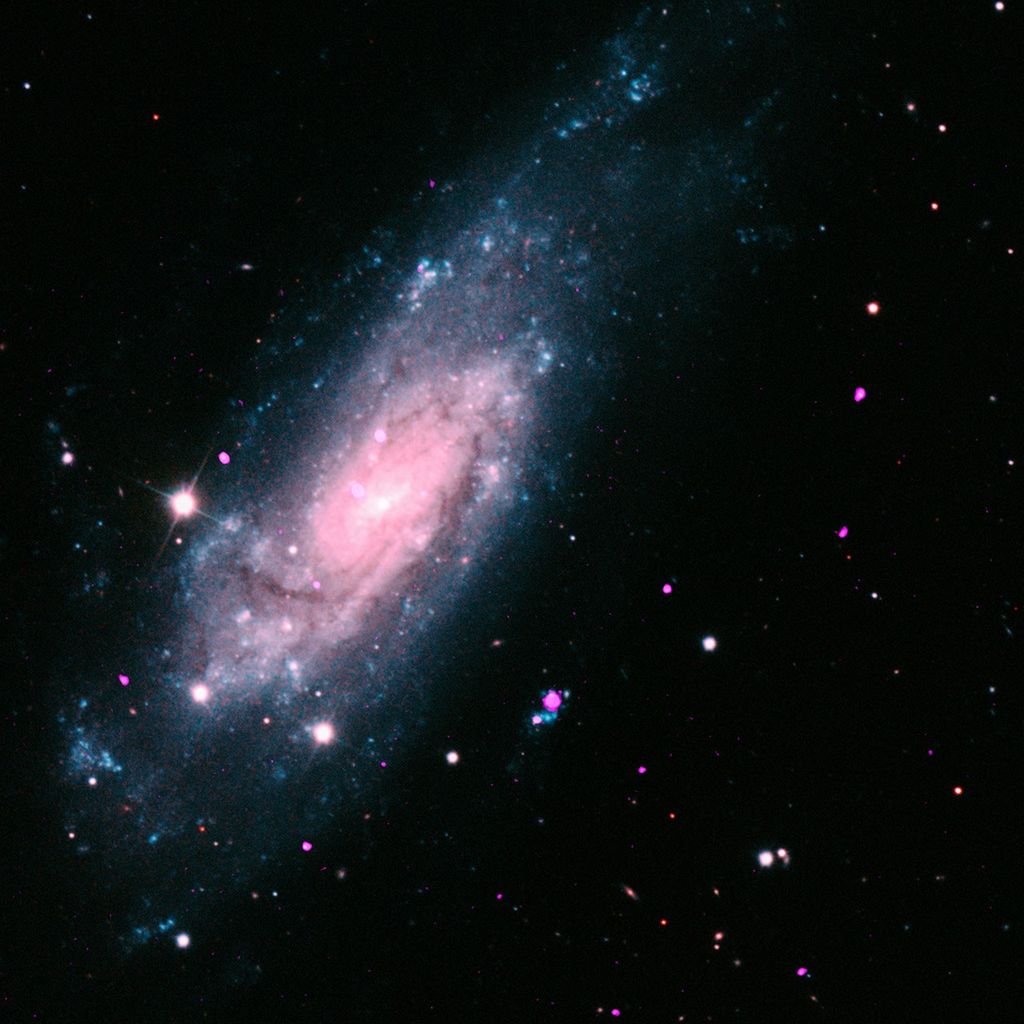
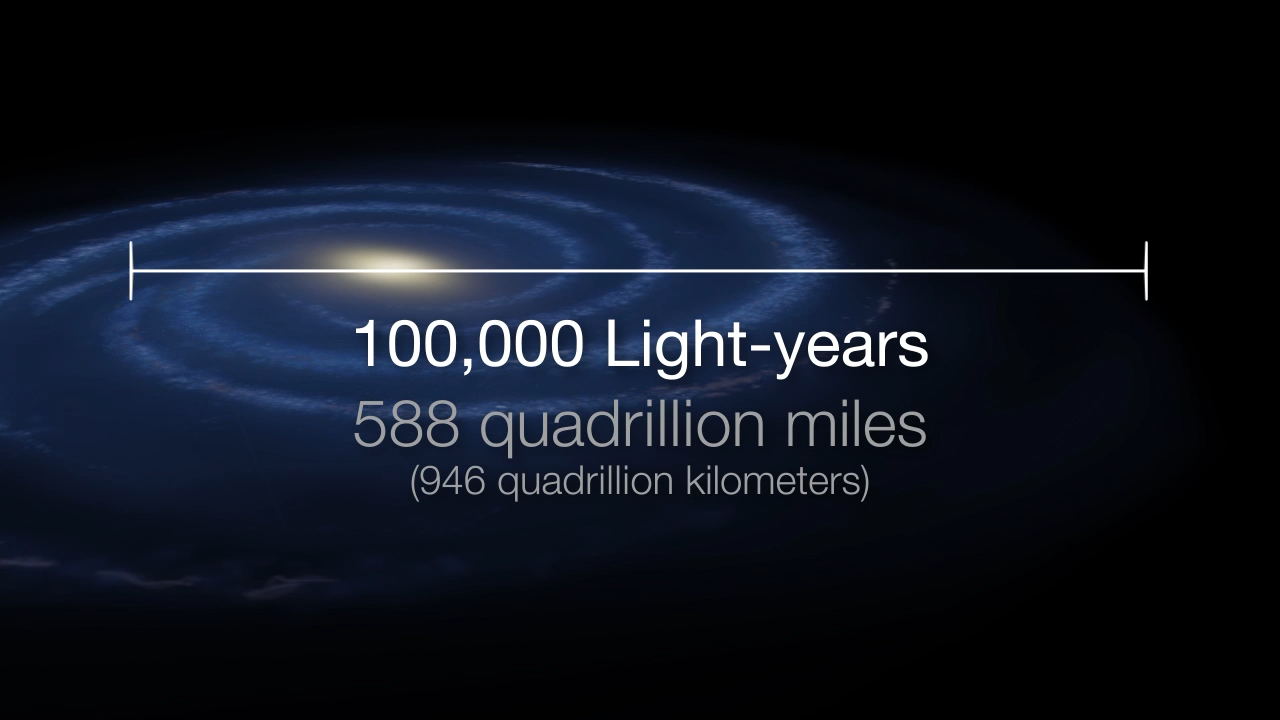
Our galaxy contains 100 to 400 billion stars and is about 100,000 light-years across!
One of the most distant exoplanets known to us in the Milky Way is SWEEPS-11 b. Traveling at light speed, it would take about 28,000 years to get there. Or 310 billion years, going 60 mph (97 kph).
Want to know more? Check this out: Our Milky Way Galaxy: How Big is Space?