





Latest NASA Science News
Stay up-to-date with the latest news from NASA Science as we explore the universe, solar system, sun and our home planet Earth.
Filters
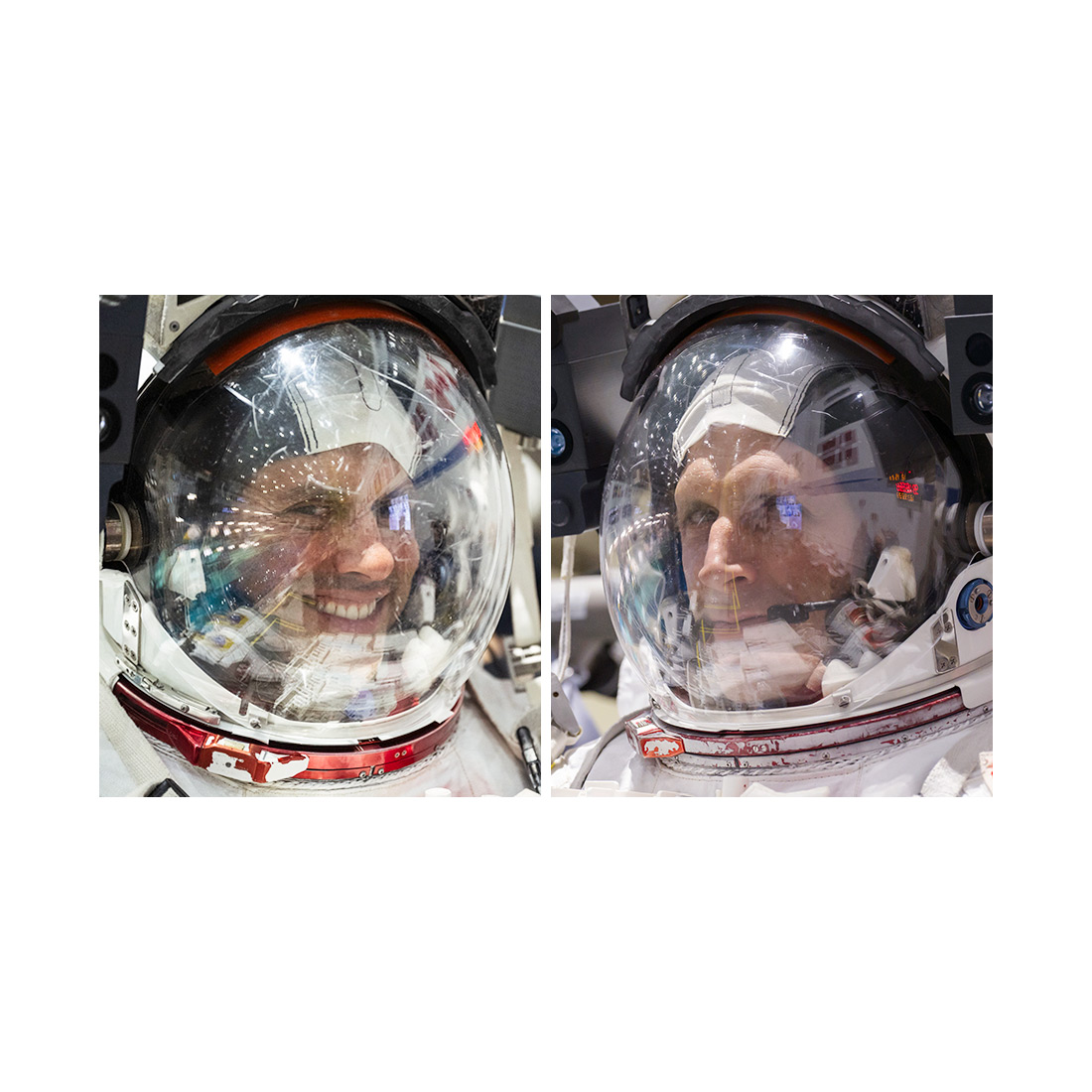
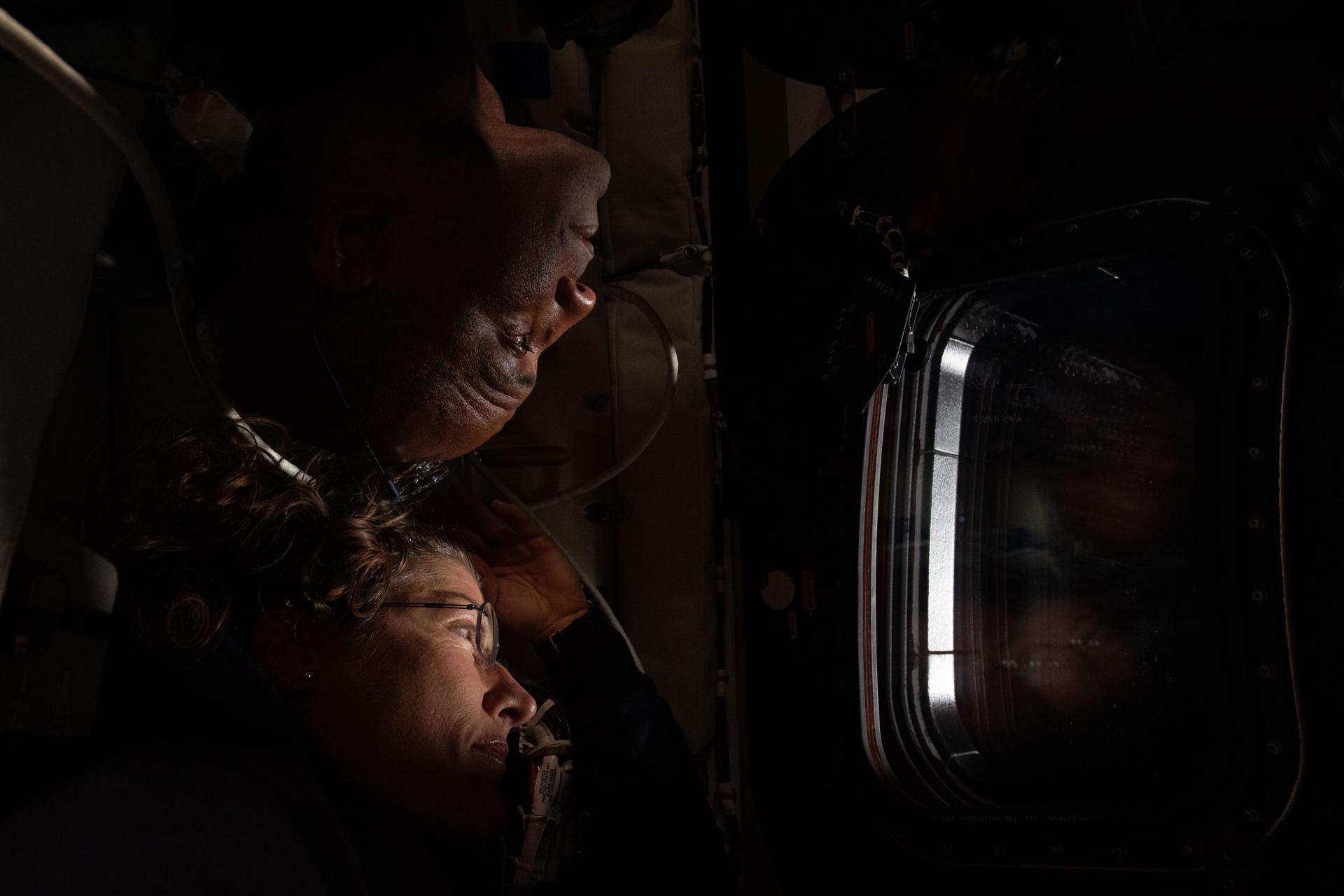
NASA astronaut Anil Menon and CSA (Canadian Space Agency) astronaut Joshua Kutryk began a spacewalk at 7:57 a.m. EDT outside the International Space Station airlock to install and deploy an International Space Station Roll-Out Solar Array on the 2A electrical power…
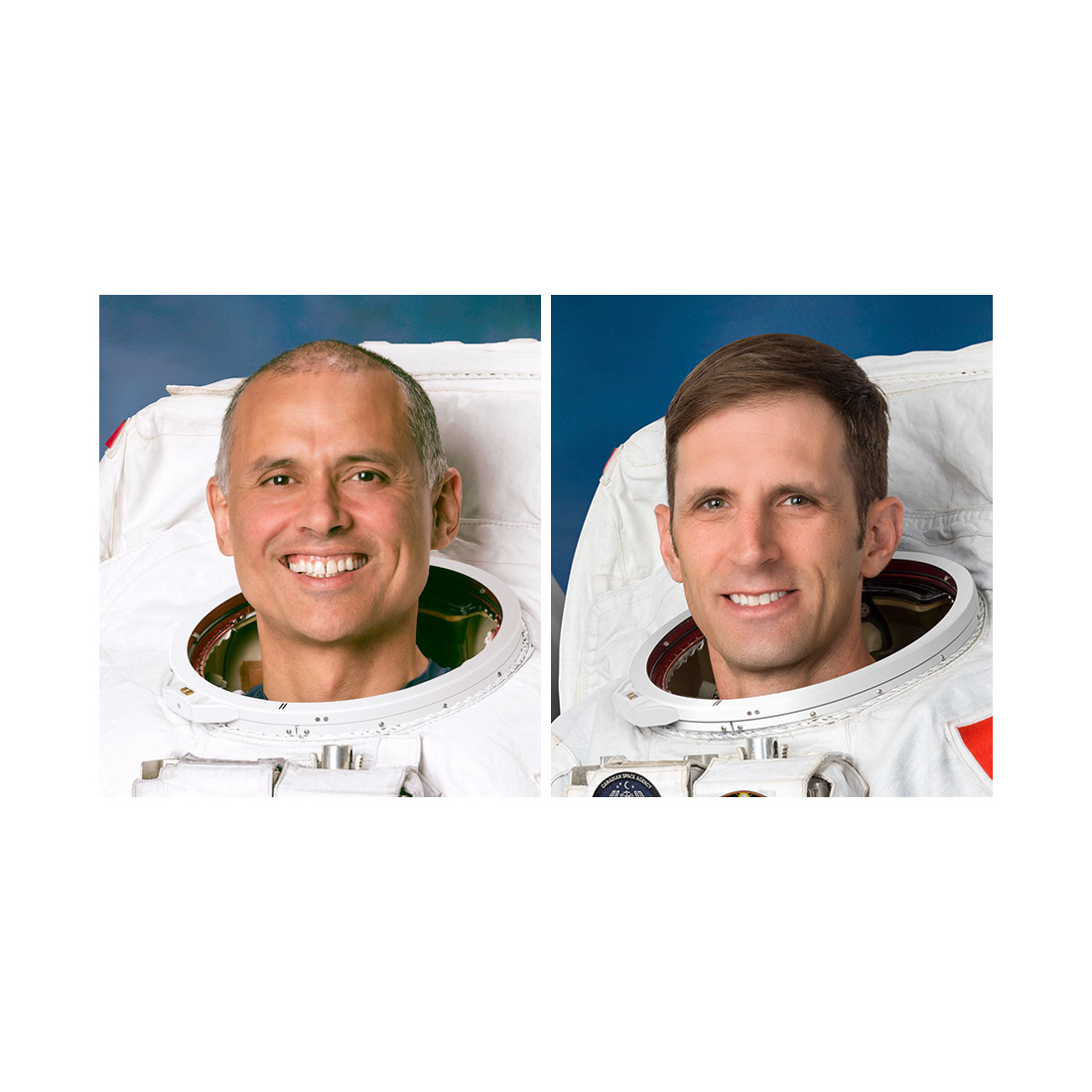
NASA is streaming live coverage as two astronauts prepare for a spacewalk outside the International Space Station.


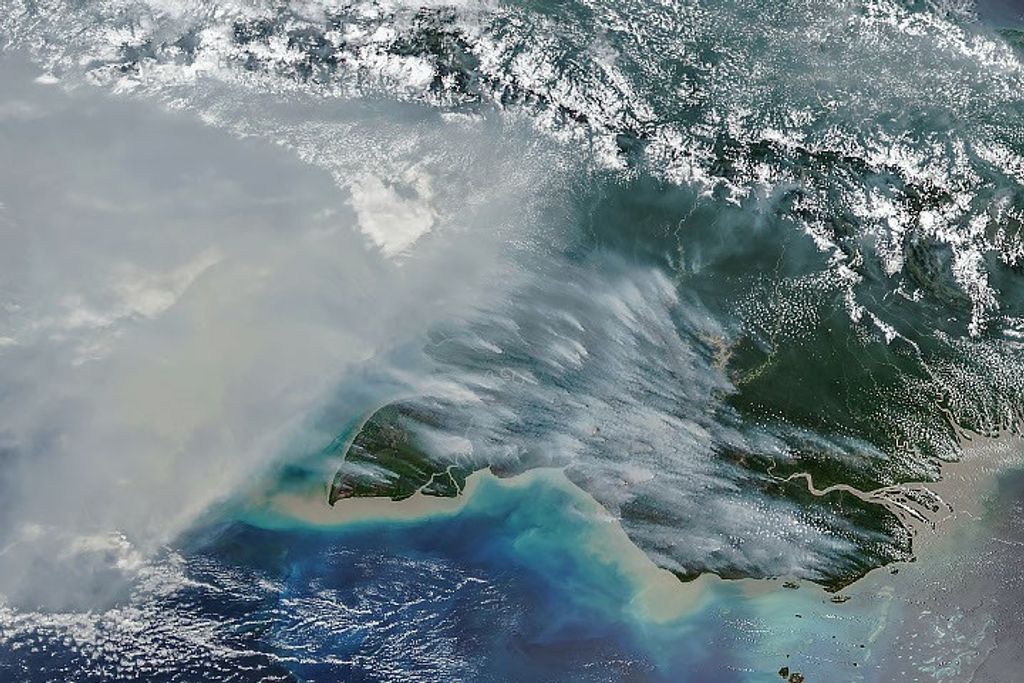
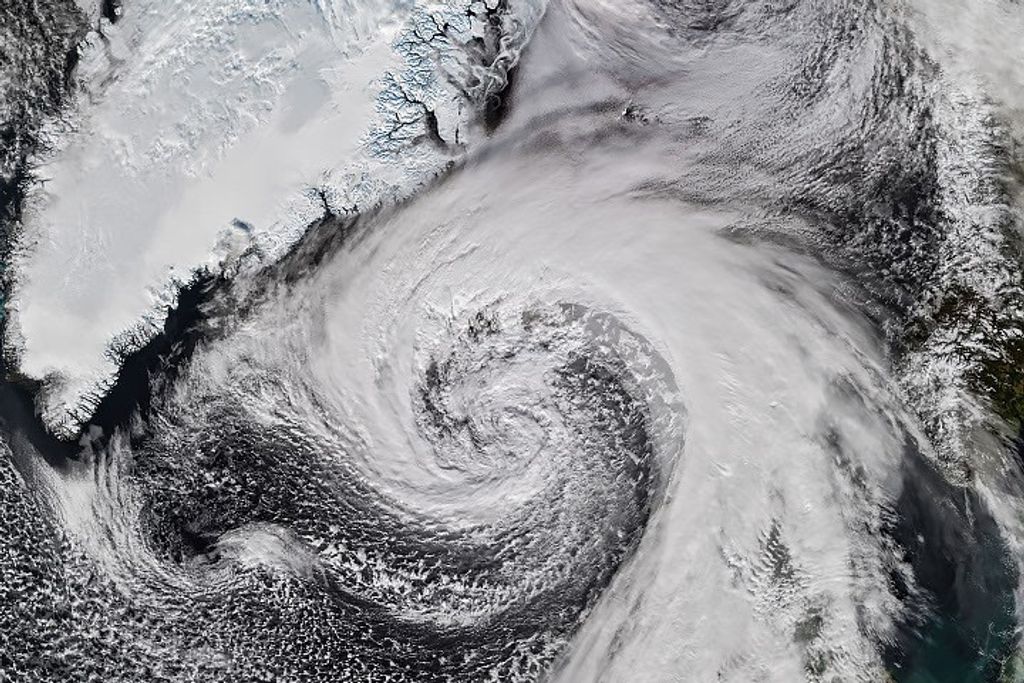
The first named storm of the North Indian Ocean’s cyclone season made landfall along the coast of Andhra Pradesh.
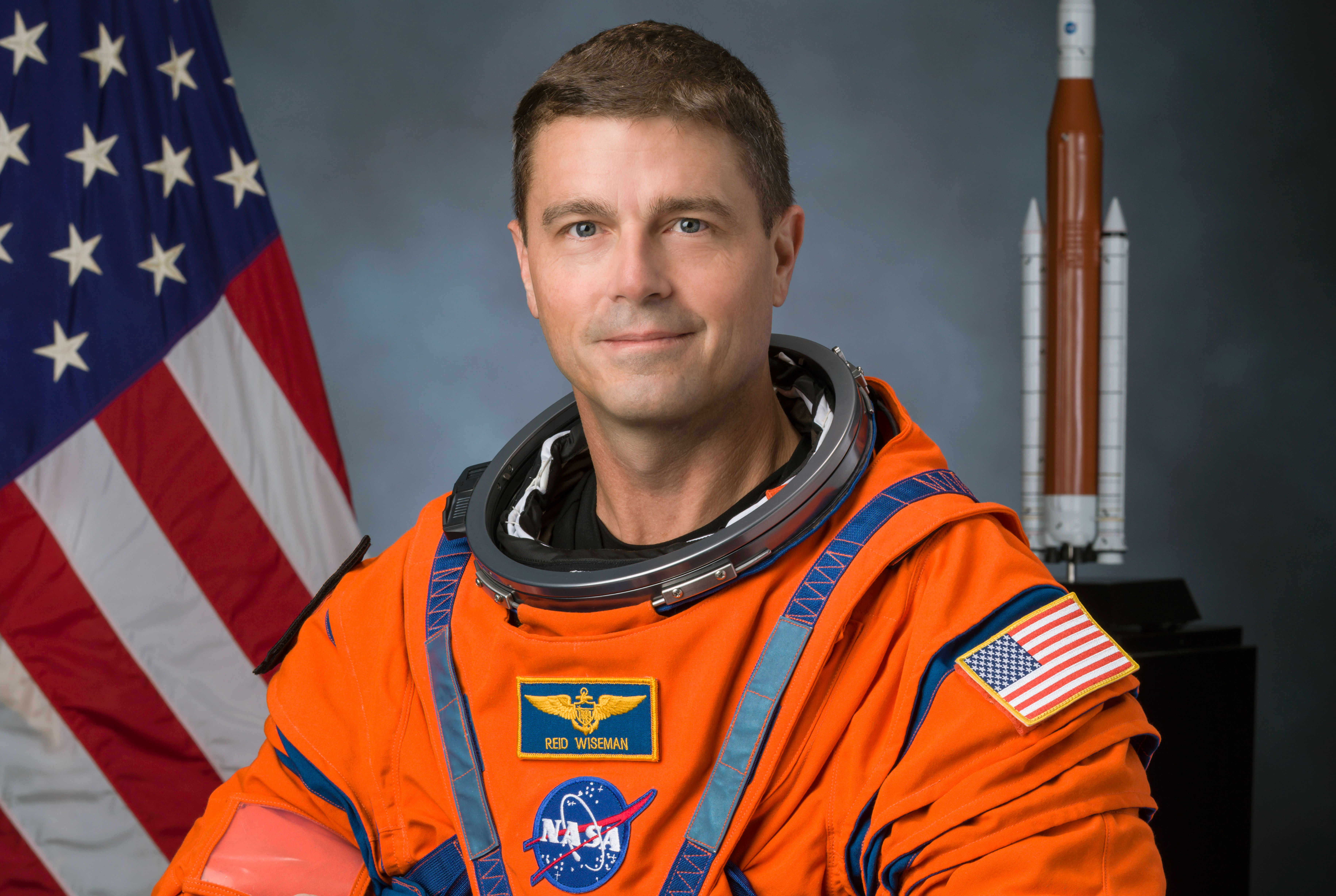
Artemis II Commander Reid Wiseman has been named Caltech associate vice president and deputy director of NASA’s Jet Propulsion Laboratory in Southern California. The emeritus astronaut and retired U.S. Navy captain begins his new role at NASA’s center of excellence…
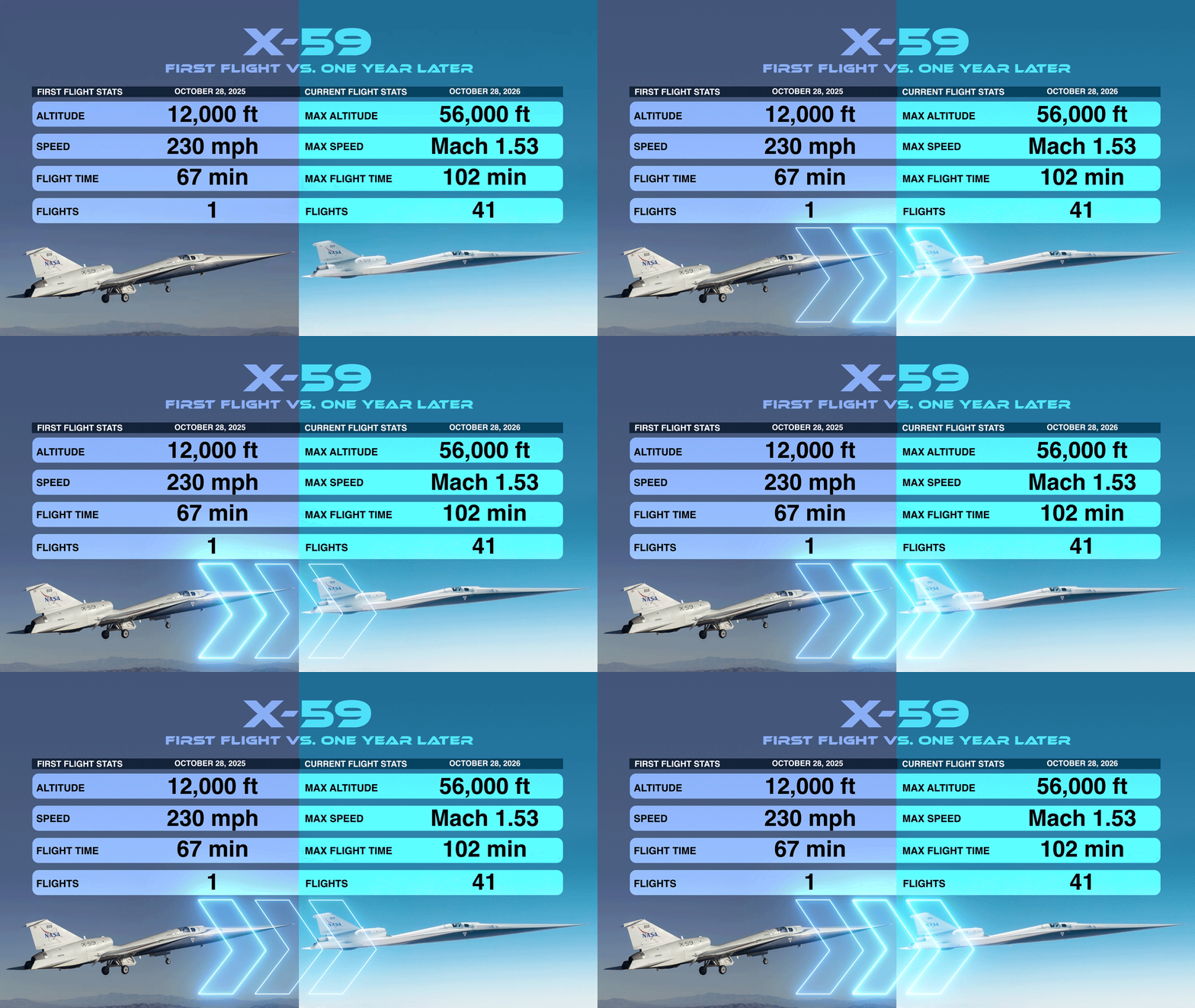
One year ago, NASA’s Quesst mission made history with the first flight of the X-59 quiet supersonic research aircraft. Since then, the X-59 has completed 40 additional flights, marking a year of steady progress for the program. While its first flight on Oct. 28, 2025, focused on low, slow flights to conduct systems checks, the X-59…
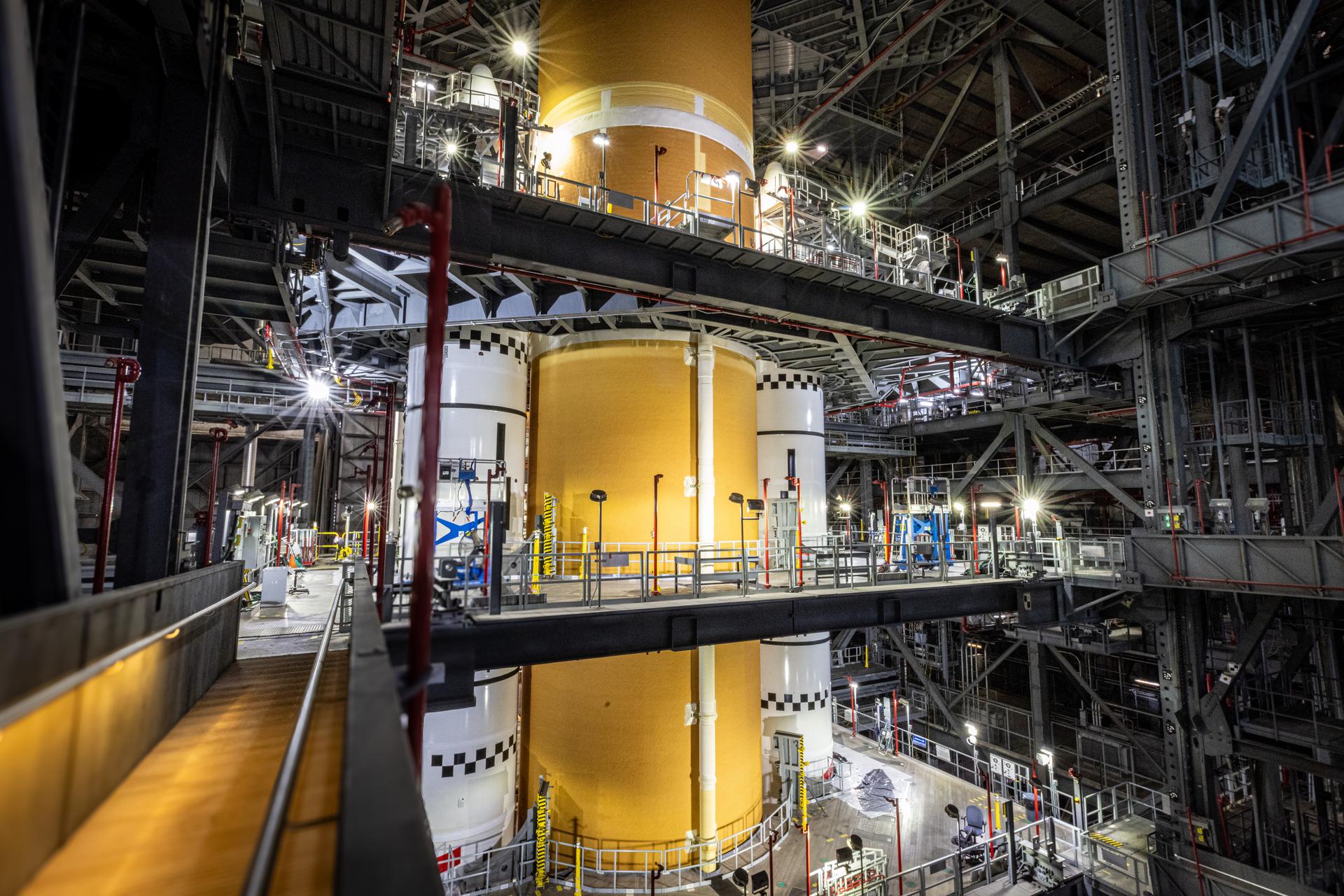
NASA’s Artemis III SLS (Space Launch System) core stage is integrated alongside the twin solid rocket boosters on Oct. 28 inside the Vehicle Assembly Building’s High Bay 3 at NASA’s Kennedy Space Center in Florida. Technicians lifted the 212-foot…
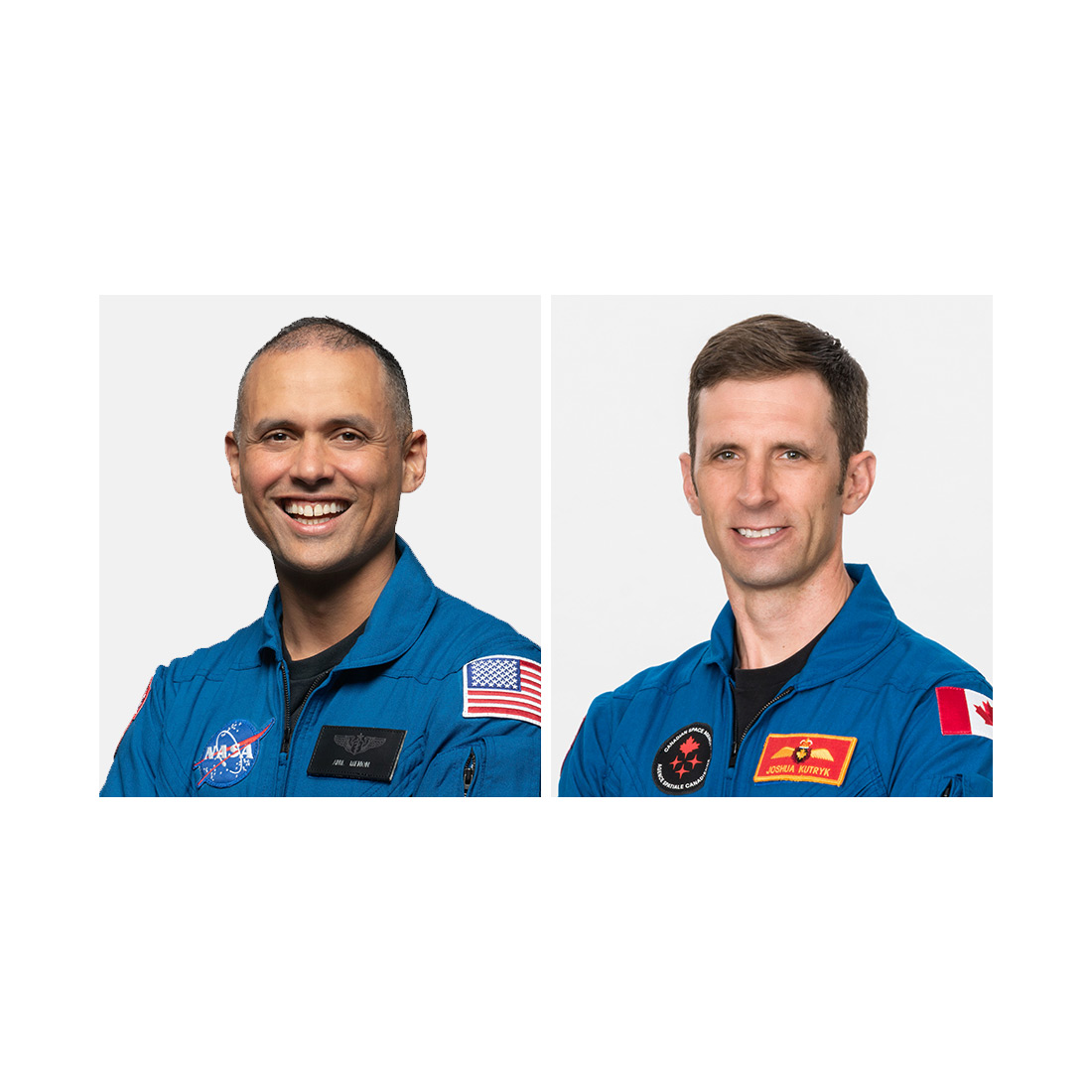
Mission managers have given the go for Thursday’s spacewalk to install a new roll-out solar array on the International Space Station’s port-side truss structure.

So far, 2026 has seen a flood of successes for volunteers who do NASA science, exemplifying NASA’s commitment to gold-standard science—transparent, reproducible and intrinsically collaborative. The Backyard Worlds: Planet 9 project announced that their project volunteers have now discovered most…
Having traveled more than 2.2 billion miles since it launched on Oct. 16, 2021, NASA’s Lucy is the first spacecraft to enter a region of primitive solar-system bodies known as the Jupiter Trojan asteroids.