













The Cast
Contents
About Swift
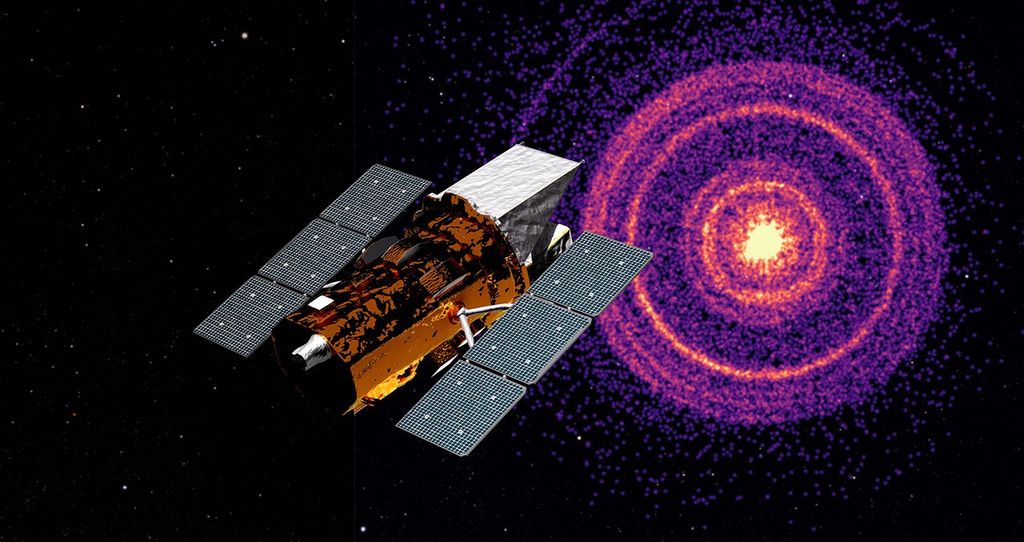
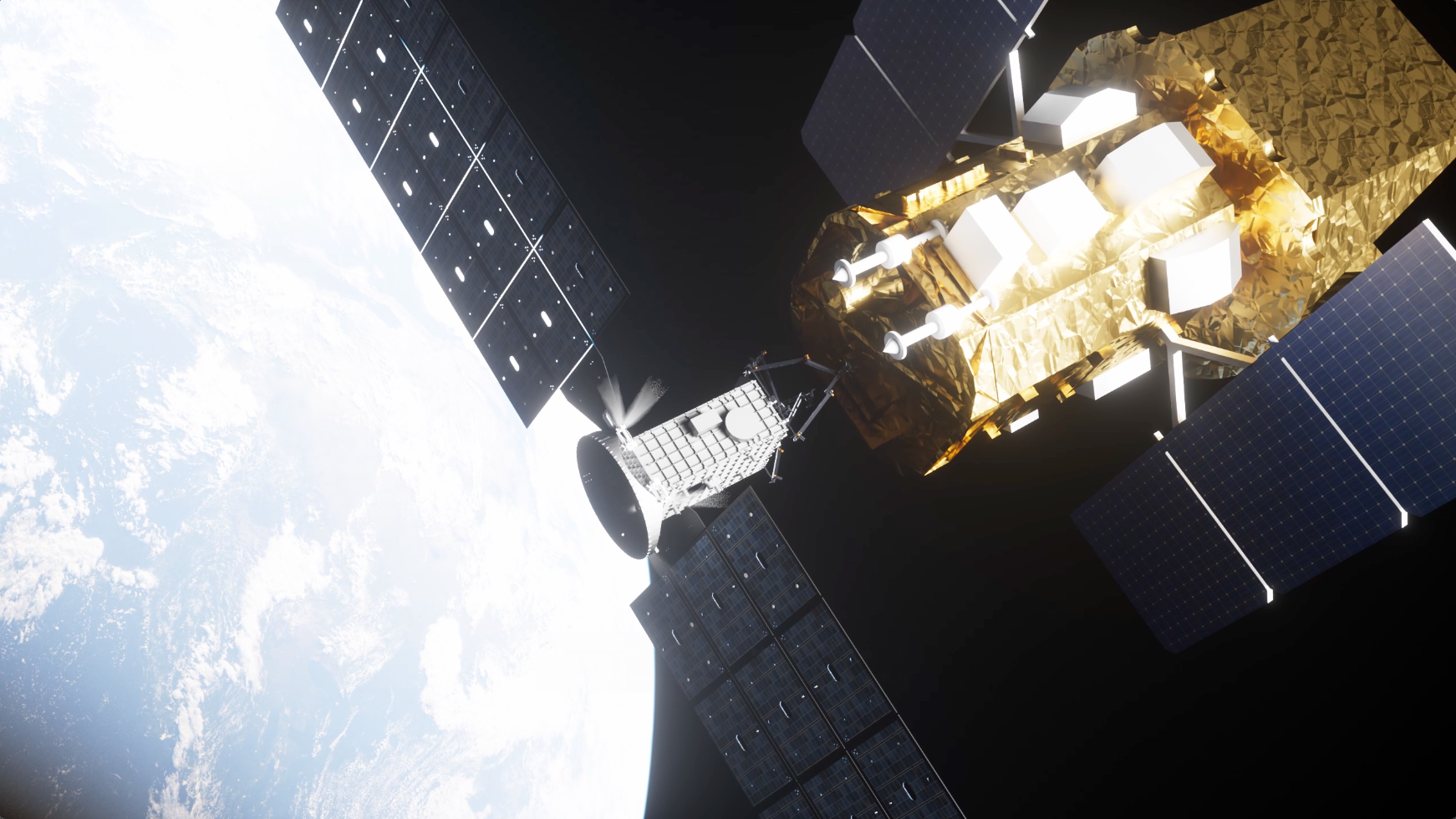
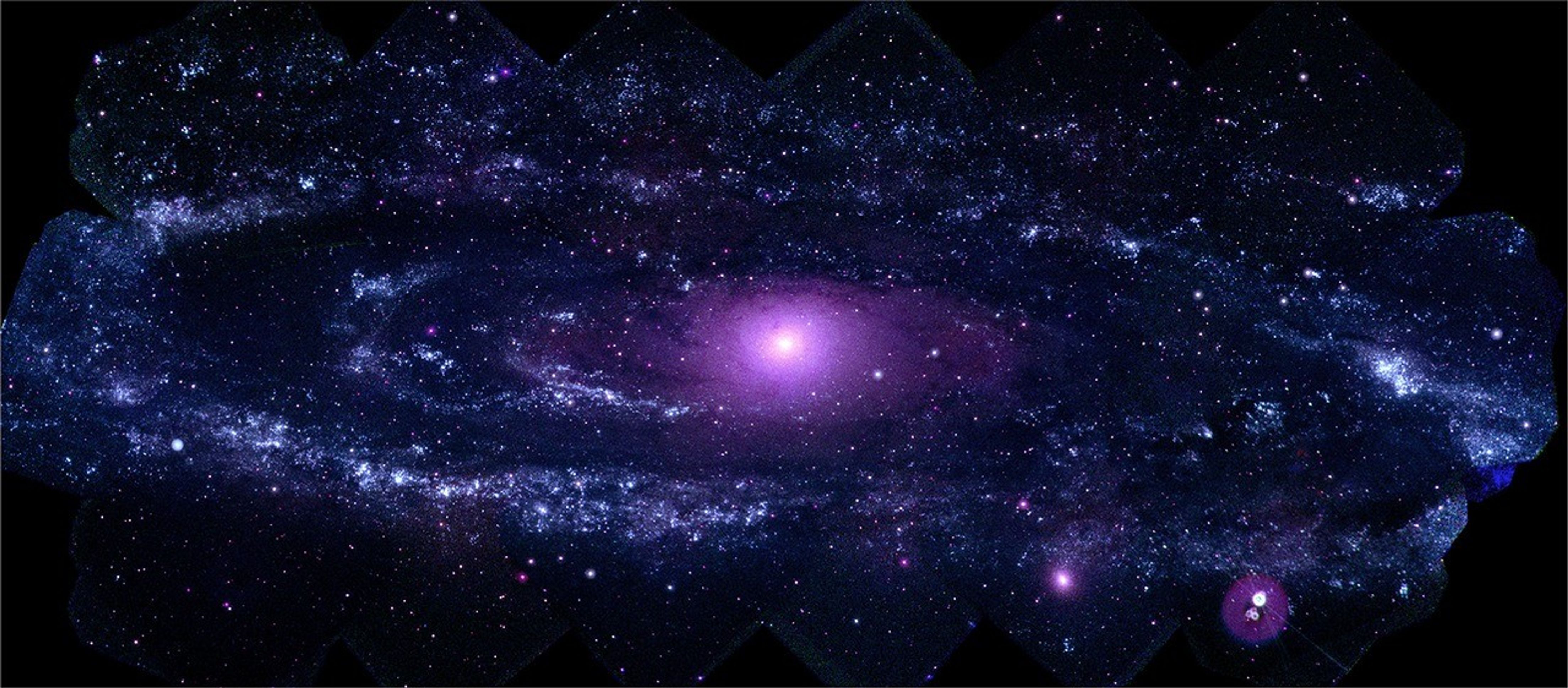
The Neil Gehrels’ Swift Observatory is NASA’s astrophysics multitool, capable of quickly observing a wide range of cosmic objects in visible, ultraviolet, X-ray, and gamma-ray light. It launched as the Swift Gamma-ray Observatory on Nov. 20, 2004. In 2018, the agency renamed it in honor of Neil Gehrels, who helped develop the mission and served as its first principal investigator.
At launch, Swift was a first-of-its kind multiwavelength observatory designed to study gamma-ray bursts, the most powerful explosions in the cosmos, using its three telescopes.
The spacecraft, which was built by Northrop Grumman (formerly General Dynamics), is named after the bird for its ability to rapidly turn to study bursts and their afterglows, which has made it a key player in NASA’s fleet of spacecraft that participate in time-domain astronomy, the study of astronomical objects across various divisions of time, from microseconds to decades or more.
Swift is also important to multimessenger astronomy, which involves detecting light — the best-known astrophysical “messenger” — emitted from sources discovered by observatories sensitive to non-electromagnetic signals, like high-energy particles and space-time ripples called gravitational waves. It has contributed to the study of everything from comets in our solar system to black hole activity in distant galaxies.
In January 2025, the Swift team realized the spacecraft would re-enter the atmosphere in the summer of 2026. NASA decided to attempt to boost the observatory to advance U.S. private spacecraft servicing, demonstrating a key capability for the future of space exploration, and extend Swift’s scientific lifetime.
| Lead NASA center: | Goddard Space Flight Center |
| Operations center: | Pennsylvania State University’s Eberly College of Science |
| Launch: | November 20, 2004 |
| Wavelengths: | Visible, ultraviolet, X-ray, gamma-ray |
| Height: | 18.5 feet (5.6 meters) |
| Weight: | 3,200 pounds (1,470 kilograms) |
| Solar panel length: | 13 feet (4 meters) |

About LINK
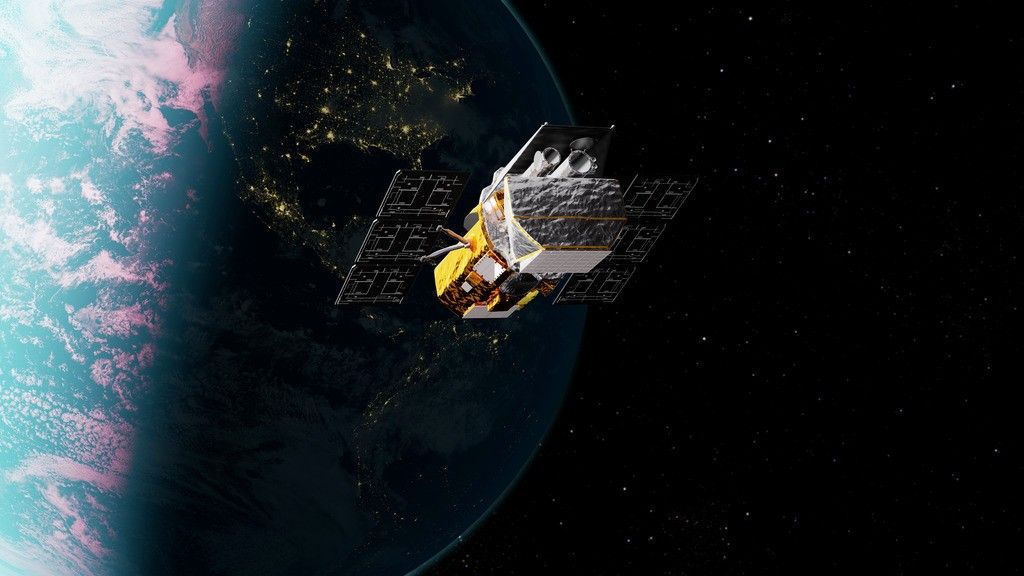
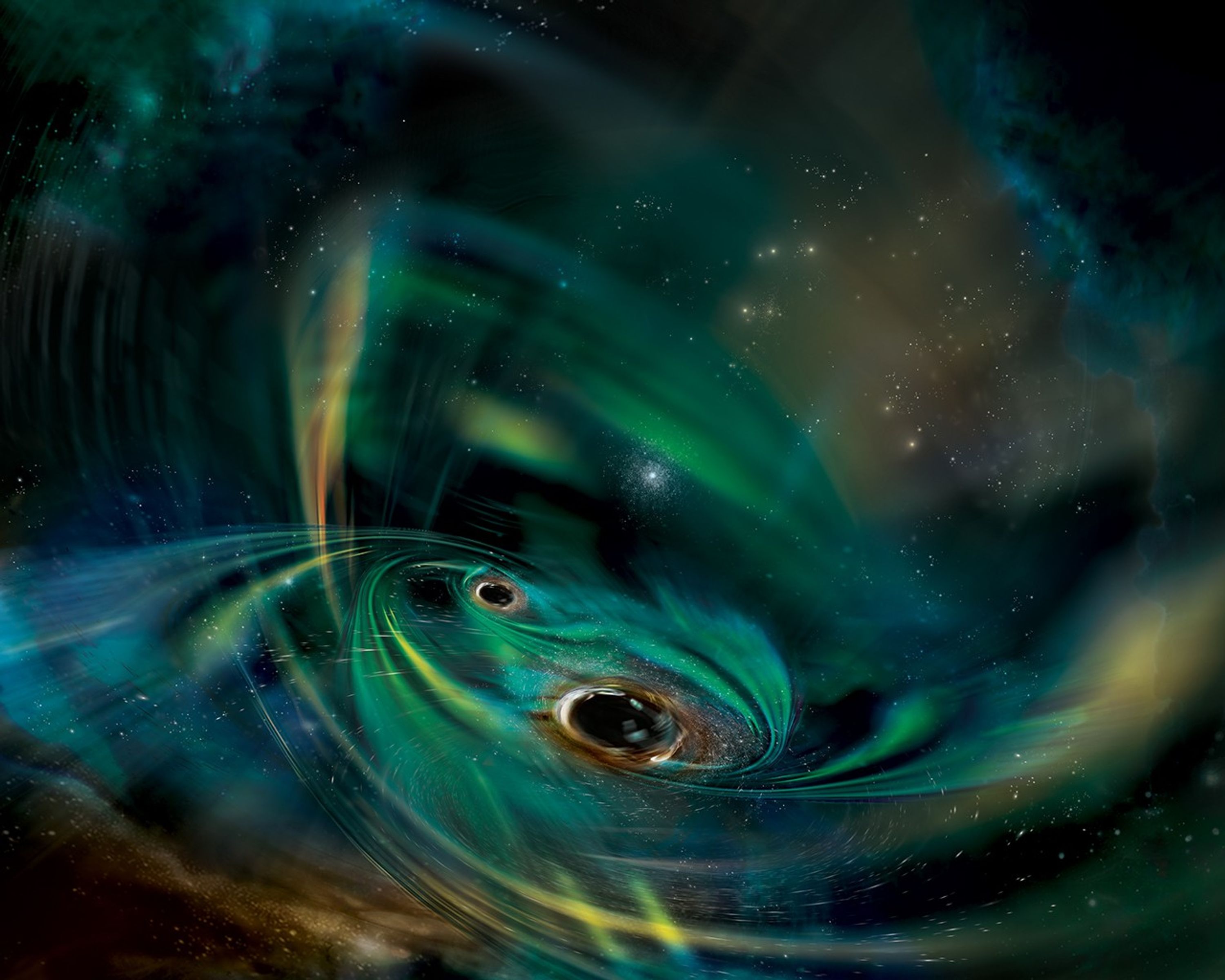
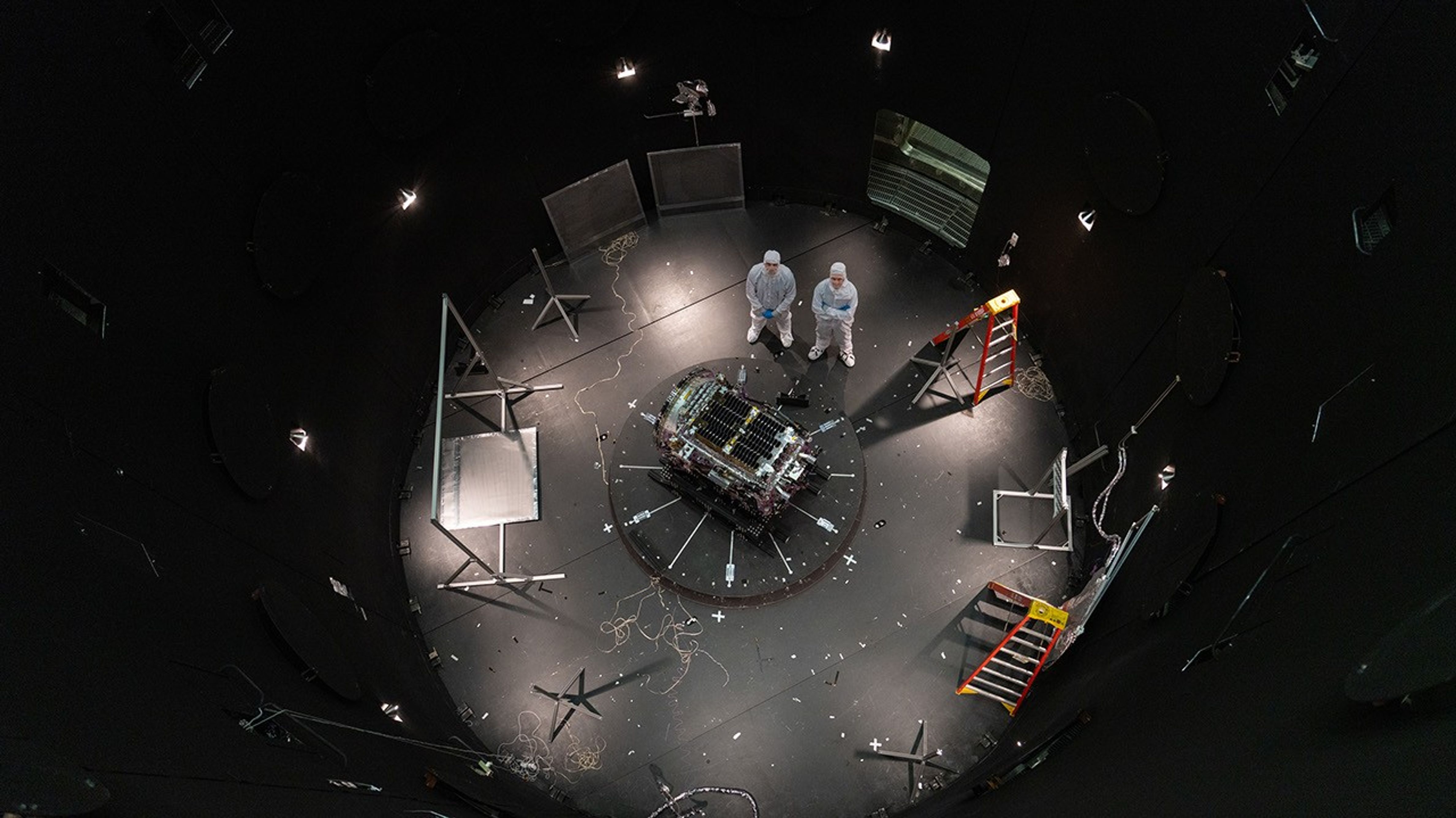
NASA contracted Katalyst Space, in Flagstaff, Arizona, to boost Swift in September 2025. The company had one year to design, build, test, and launch its LINK robotic servicing spacecraft to meet, grab, and lift Swift.
The Katalyst team constructed LINK at its Broomfield, Colorado, facility and tested it there and at NASA’s Goddard Space Flight Center in Greenbelt, Maryland.
LINK launched on a Northrop Grumman Pegasus XL rocket on July 3, 2026. The Katalyst team will spend several weeks checking out the satellite’s major systems, including power, navigation, and sensors.
Then LINK will approach Swift and complete a visual survey. The Katalyst team has identified several potential grab points, but after 20 years of wear and tear in space, those locations need to be verified with the Swift team before moving forward.
After the inspection is complete, LINK will use its three robotic arms to secure Swift before slowly boosting it to nearly its original orbit of around 370 miles (600 kilometers) over the course of several months. LINK’s three ion thrusters are powered by about 130 pounds (60 kilograms) of xenon gas.
Once the lift is complete, LINK will detach from Swift and re-enter Earth’s atmosphere.
| Company: | Katalyst Space |
| Launch: | July 3, 2026 |
| Height: | 5 feet (1.5 meters) |
| Weight: | 935 pounds (425 kilograms) |
| Solar panel length: | 20 feet (6 meters) |
| Propulsion: | Three xenon-fueled thrusters |
| Robotic arms: | Three, deployed after launch |

About Pegasus XL
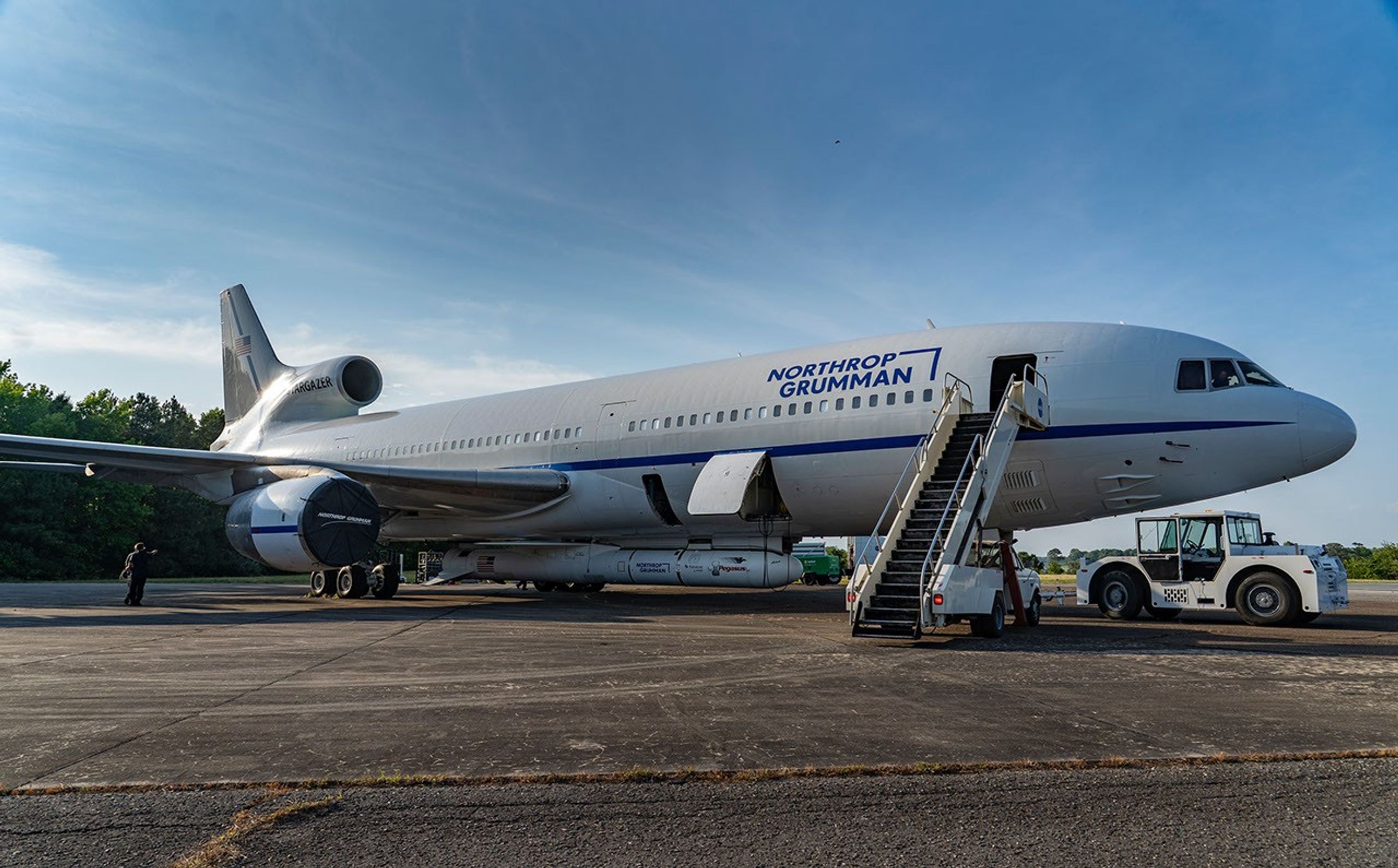
The Pegasus XL was the first U.S. air-deployed orbital launch vehicle and the first commercially developed launcher. Originally produced by Orbital Sciences Corporation, the rockets are now operated by Northrop Grumman, which is headquartered in Falls Church, Virginia.
The Pegasus XL can carry payloads up to about 1,000 pounds (450 kilograms).
To launch the Pegasus XL, Northrop Grumman’s Stargazer, a modified L-1011 aircraft, carries the rocket to around 40,000 feet before releasing it. After several seconds in free-fall, the Pegasus XL fires the first of its three-stage rocket motors, typically delivering its payload into orbit in about 10 minutes.
Because Northrop Grumman can launch the Pegasus XL from almost anywhere in the world, Katalyst selected the rocket for deployment to reach Swift’s low-inclination orbit near the equator on the mission’s condensed timeline.
LINK took off from above Kwajalein Atoll, part of the Republic of the Marshall Islands in the South Pacific Ocean.
| Company: | Northrop Grumman |
| Length: | 57 feet (17 meters) |
| Weight: | 53,000 pounds (24,000 kilograms) |
| Payload weight: | Up to 1,000 pounds (450 kilograms) |
| Launch altitude: | 40,000 feet |
| Launch location: | Kwajalein Atoll, Marshall Islands |