



















Voyager Signal Strength Math Problems

| Levels |
|
|---|---|
| Material Type |
|
| Math Skills |
|
| Heliophysics Big Ideas |
|
| NGSS |
|
| Heliophysics Topics |
|
| Heliophysics Missions |
|
| Material Cost per Learner | Free |
| Language | English |
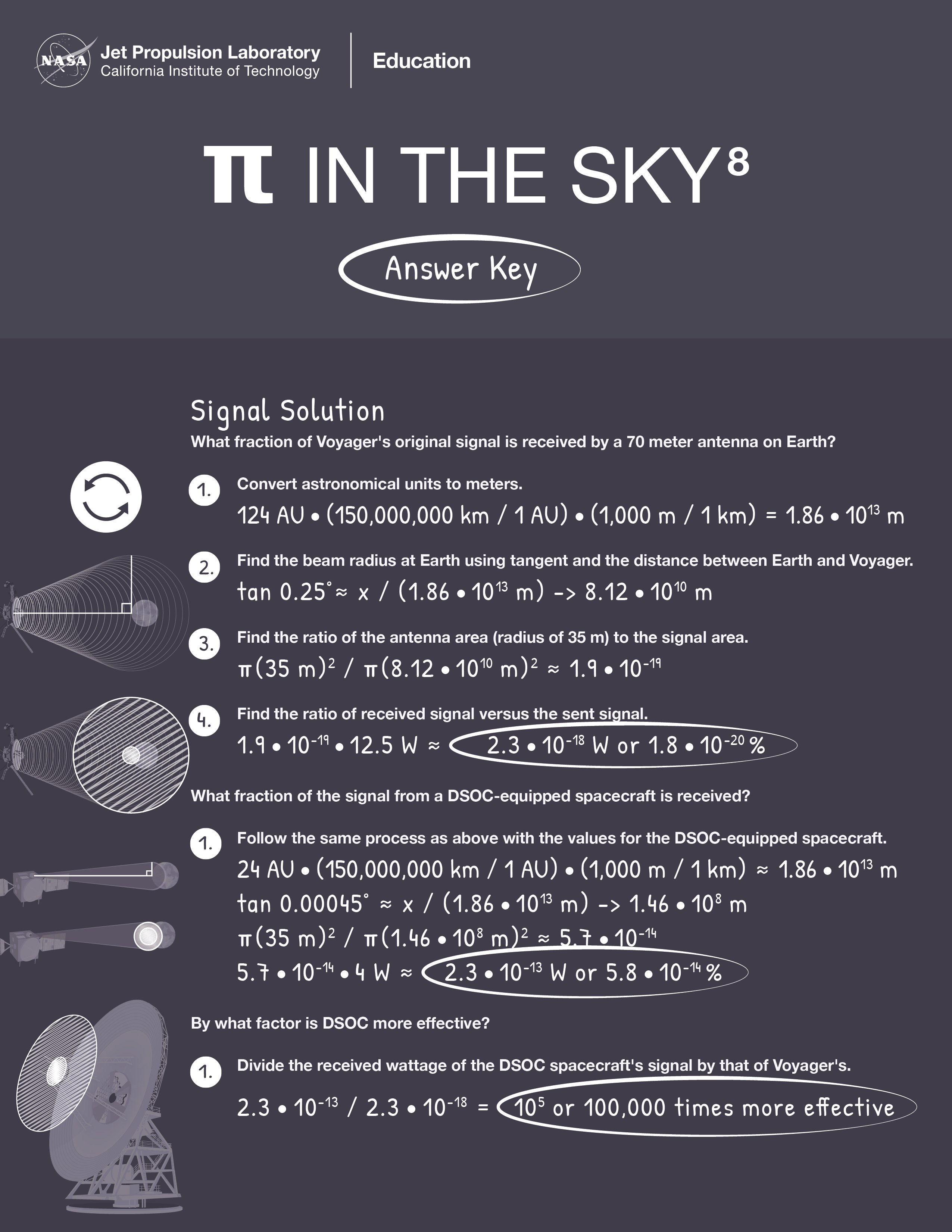
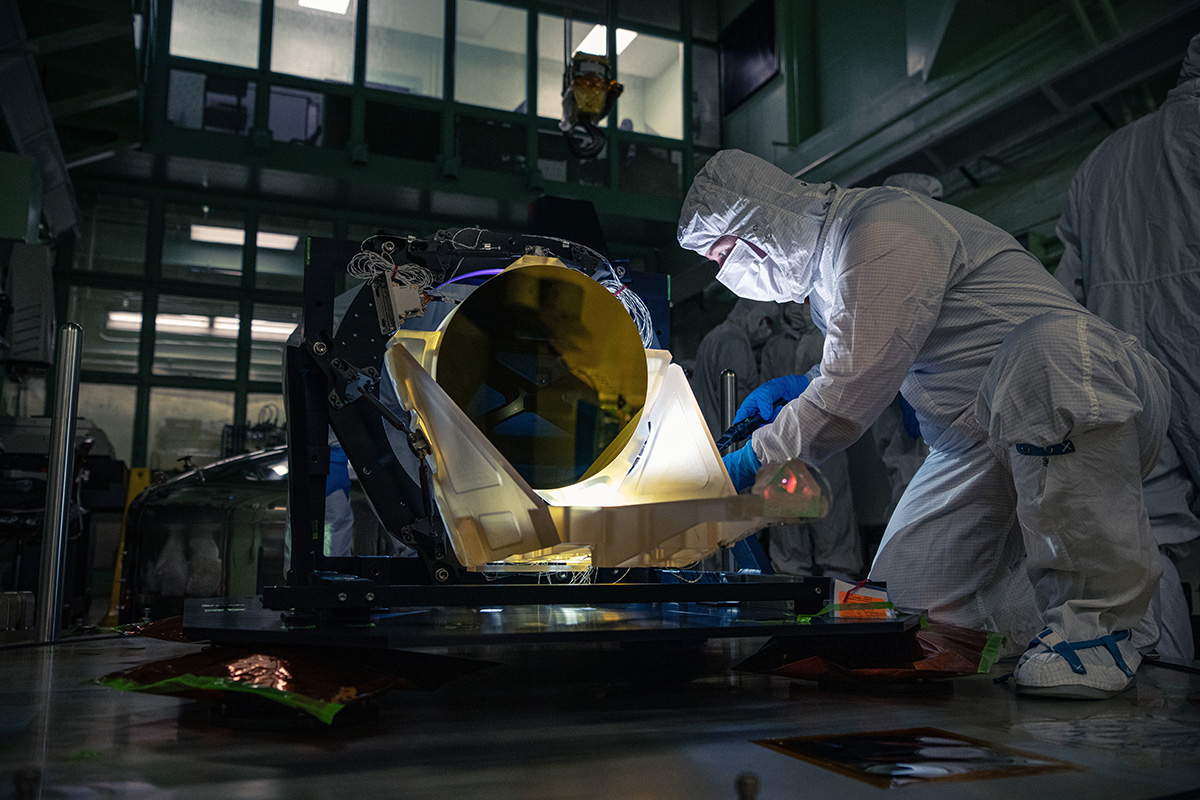
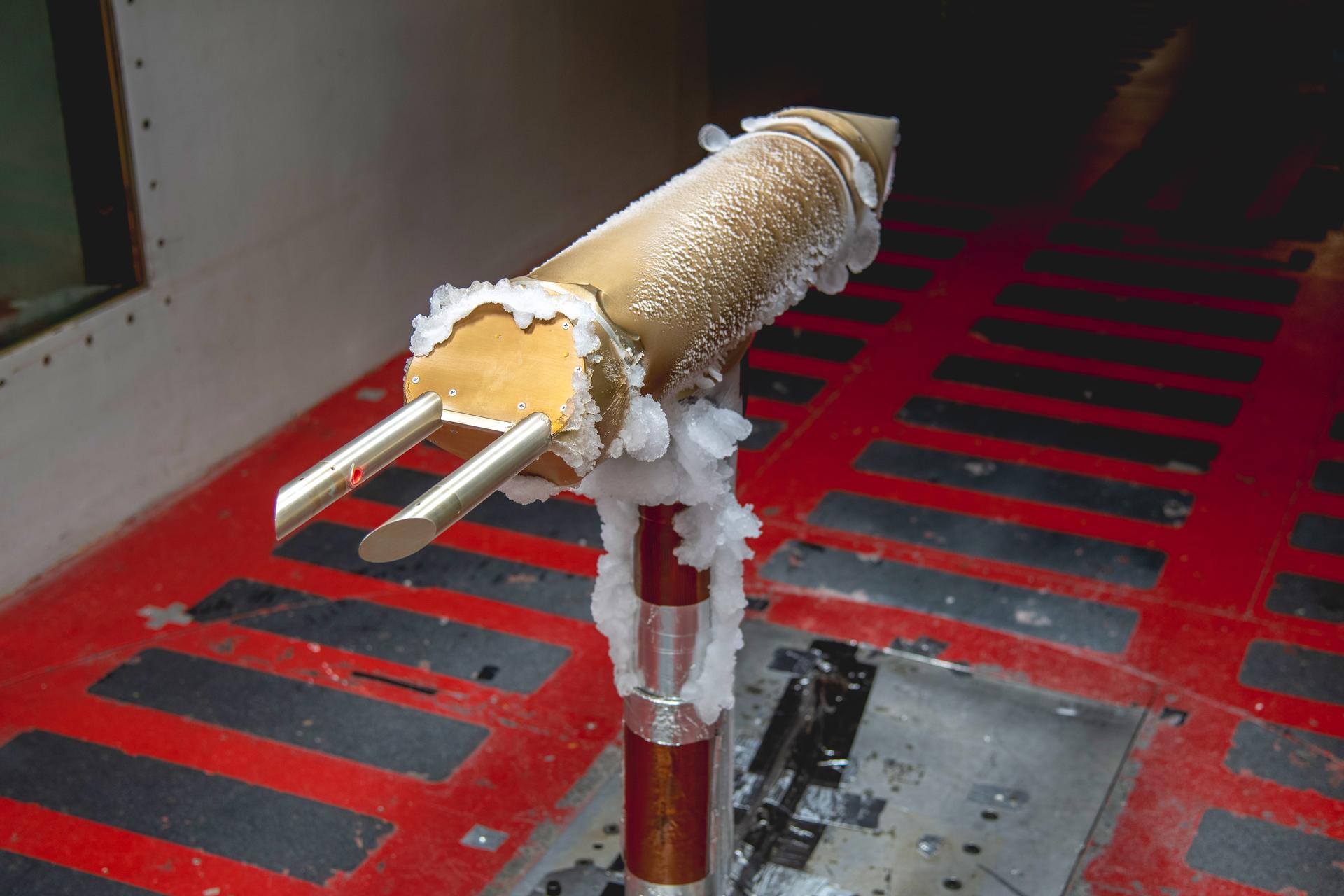
Problem Set | Grades 9-12+ | A series of math problems related to the Voyager mission, originally posted by JPL for pi day. As more and more data are collected and transmitted through space, NASA needs new technologies to communicate faster and more efficiently with its spacecraft. One such technology is called Deep Space Optical Communications, or DSOC, which uses near-infrared light instead of radio waves to transmit a signal. This allows us to use a higher frequency (shorter wavelength), so more data can be transmitted per second.
The twin Voyager spacecraft launched in 1977 use a 12.5 Watt transmitter paired with a parabolic reflector that creates a circular radio signal with a diameter roughly 0.5 degrees wide. A DSOC system would use a 4 Watt transmitter on a flight laser transceiver, producing a light signal with a diameter of 0.0009 degrees.
Credit: NASA