


News & Events
Filters
AGN SIG Spotlight Series. Speakers: Dr. Xiaojing Lin (Tsinghua University) and Dr. Pallavi Patil (National Radio Astronomy Observatory)

We invite everyone to join us for the next AGN SIG Spotlight Series on August 18th at 9am PT / 12pm noon ET.
On behalf of the AI/ML STIG organizers, we're excited to share that our second-year lecture series will kick off soon. Starting Monday, September 14, we'll be holding weekly talks every Monday at 4:00 pm ET.
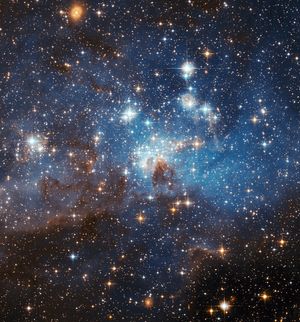
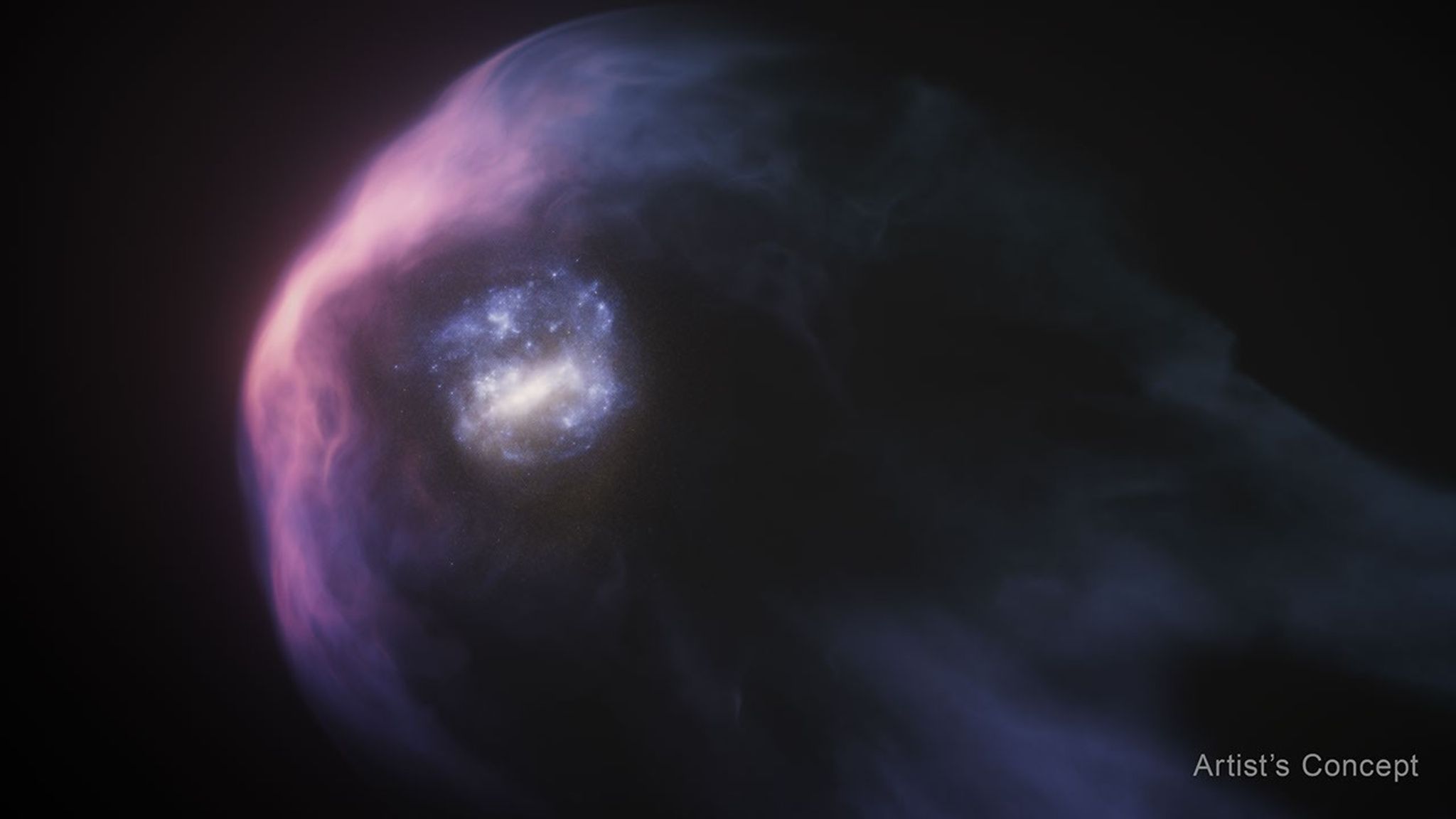
Open Questions in Galactic Wind Physics and Phenomenology. Speaker: Todd Thompson, Professor and Department Chair, Ohio State University

1-3 September 2026. The Community Science (Ad ASTRA) Workshop is organized by the NASA Astrophysics Division to engage the community in defining future large, strategic astrophysics missions.

The HWO Science Interest Group invites you to the next seminar: Wednesday, August 12th, at 1:00 pm ET / 10:00 am PT .
The DGCE Science Interest Group invites you to the next seminar: August 23rd, at 4:00 pm ET / 1:00 pm PT .
STScI is requesting white papers from the community with compelling scientific ideas for Multi-Cycle Treasury programs that require large allocations of JWST telescope time to complete.
The National Aeronautics and Space Administration (NASA) Science Mission Directorate (SMD) announces the release of Amendment #1 to the Announcement of Opportunity (AO) to solicit Principal Investigator (PI)-led space science investigations for the Small Explorer (SMEX) opportunity.
We invite everyone to join us for the next AGN Coffee on August 6th at 1 pm ET/10 am PT.
Detailed Schedule and Abstracts for the Ad ASTRA Community Workshop, 1-3 Sept 2026, now available.
ROSES-2025 Amendment 68 releases D.8 Habitable Worlds Observatory Precursor Science Investigations (HWO-PSI) as a new opportunity in ROSES-25.
The IXPE GO Program solicits proposals for investigations in any area of astrophysics (not constrained to IXPE’s prime science areas).
We are pleased to announce the Cycle 6 Call for Proposals for JWST General Observer (GO), Survey, and Archival Research programs.
The AI/ML STIG is finalizing topics for the next AI/ML STIG lecture series for Fall 26 and Spring 27 and want your input.
From Micro to Macro: Connecting the Physics of Galaxy Formation Across Scales. Speaker: Drummond Fielding, New York University
The NASA Solar System Exploration Research Virtual Institute (SSERVI) is pleased to announce the 2026 Exploration Science Forum. NASA Ames Research Center, Moffett Field, CA & Virtual. 21 July 2026
Our Spotlight Series highlights recent advances in AGN science, with a strong emphasis on participation from early-career researchers, and includes plenty of time for community discussion following the presentations.
From Micro to Macro: Connecting the Physics of Galaxy Formation Across Scales. Speaker: Drummond Fielding, New York University
Astrophysics from the Moon, Mars, and Beyond STIG Seminar Recording Posted
The National Aeronautics and Space Administration (NASA) Science Mission Directorate (SMD) and Human Spaceflight Mission Directorate (HSMD) have released the draft of the fifth Solar System Exploration Research Virtual Institute (SSERVI) Cooperative Agreement Notice (CAN-5) as NNH26ZDA013J for public comment.
AGN Enthusiasts, we invite everyone to join us for the next AGN SIG Spotlight Series on July 21st at 1:00pm ET/10:00am PT.

Shifting Landscapes in Astrophysics New Frontiers to Explore with Roman
News Straight to Your Inbox
Subscribe to your community email news list
We will never share your email address.

Submit an Announcement
Submit your Cosmic Origins news or announcement to be featured in the COR News email.
Learn More about Submit an Announcement