














Roman Launch Countdown
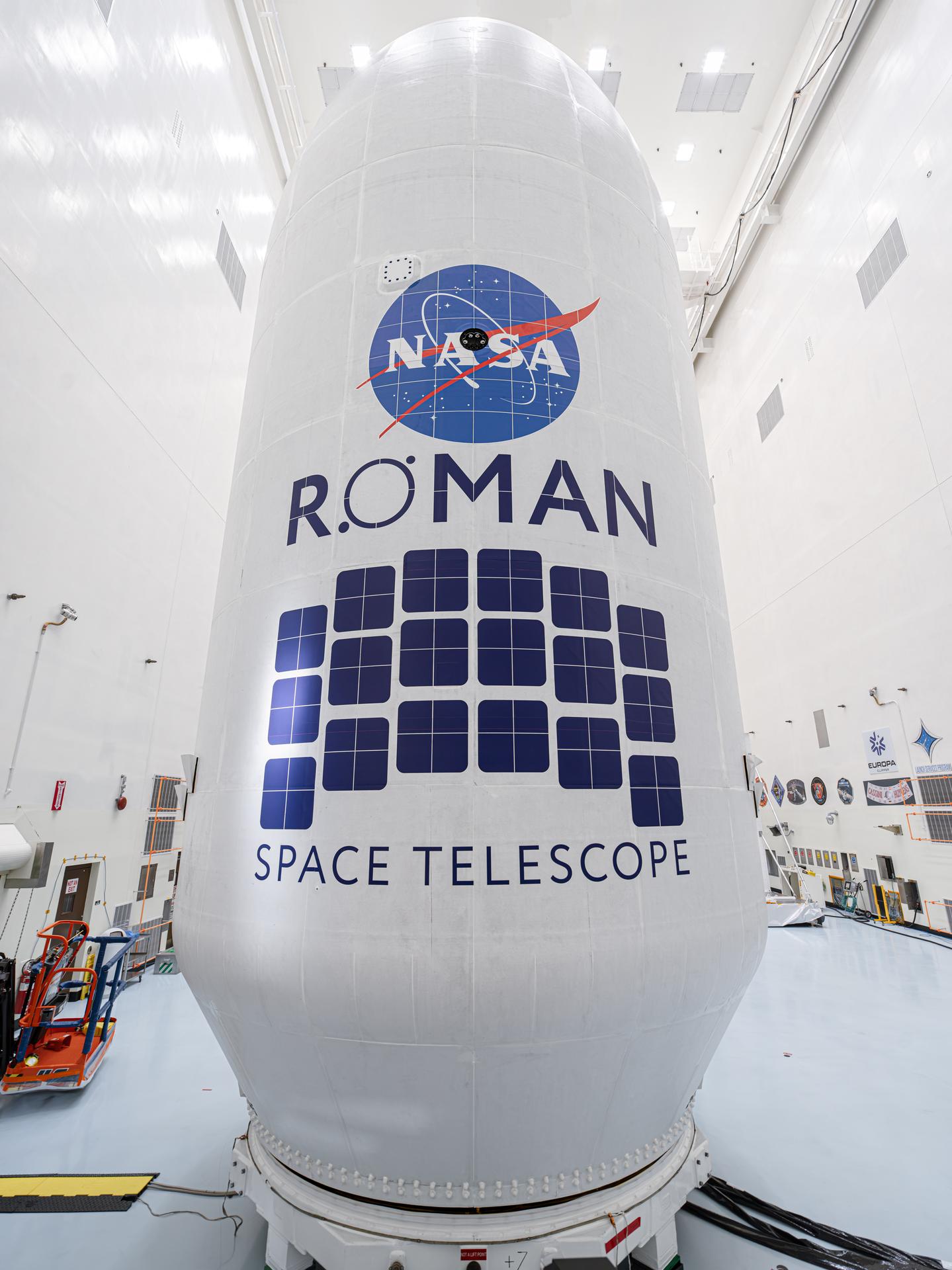
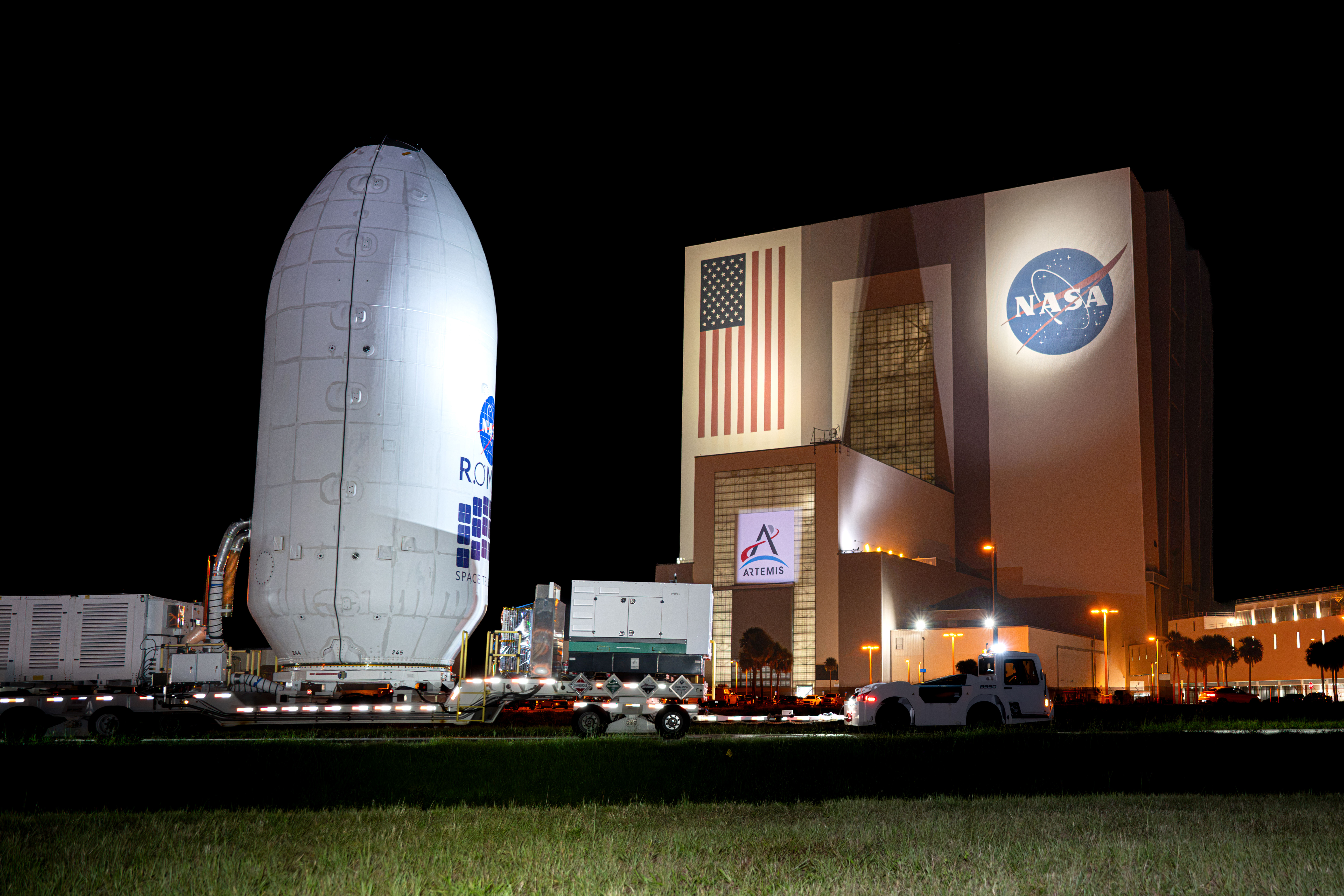
Roman is set to launch August 30, 2026 at 07:26 am EDT on a SpaceX Falcon Heavy rocket from Launch Complex 39A at NASA’s Kennedy Space Center in Florida.
Learn More About the Roman Launch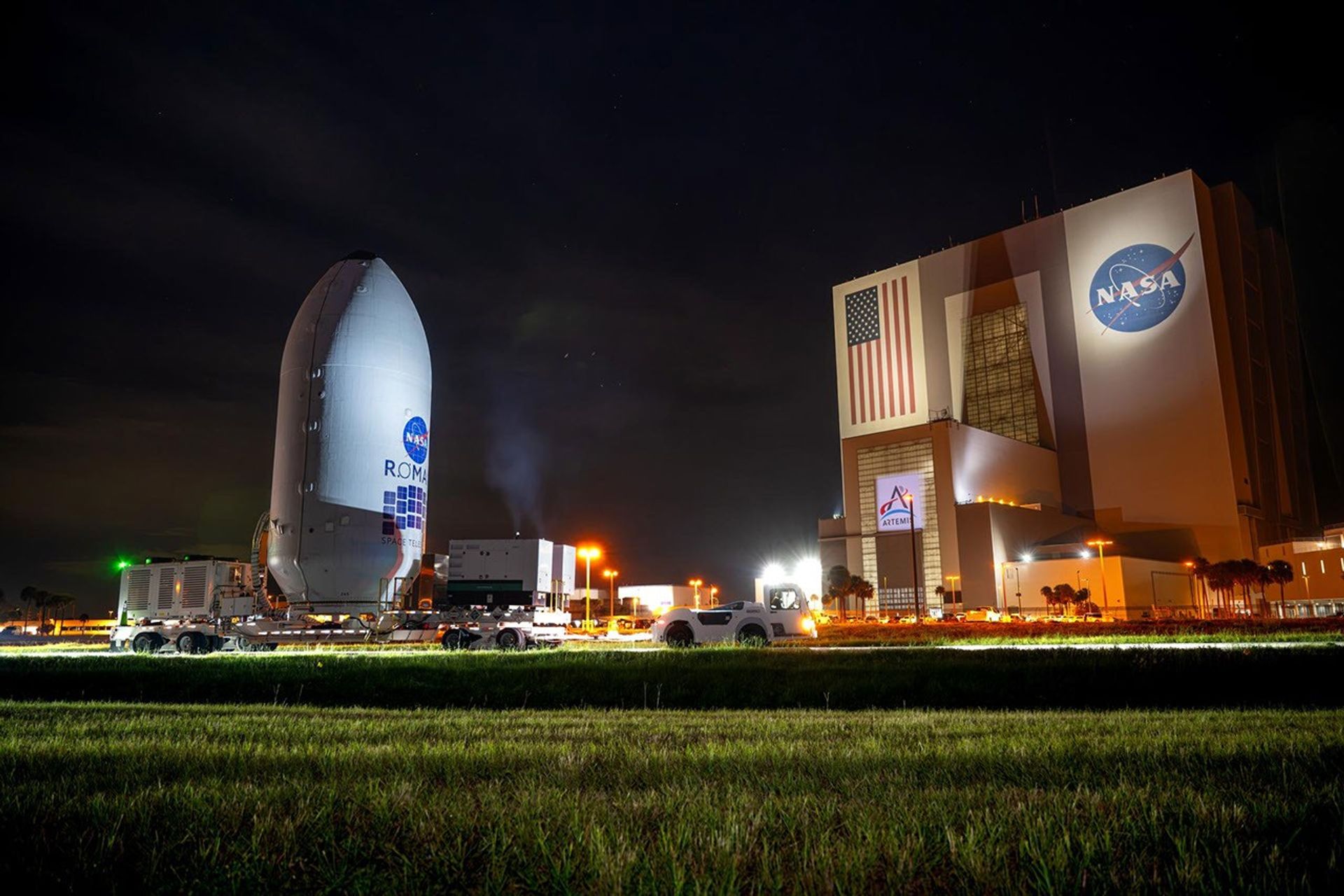
Nancy Grace Roman Space Telescope Launch
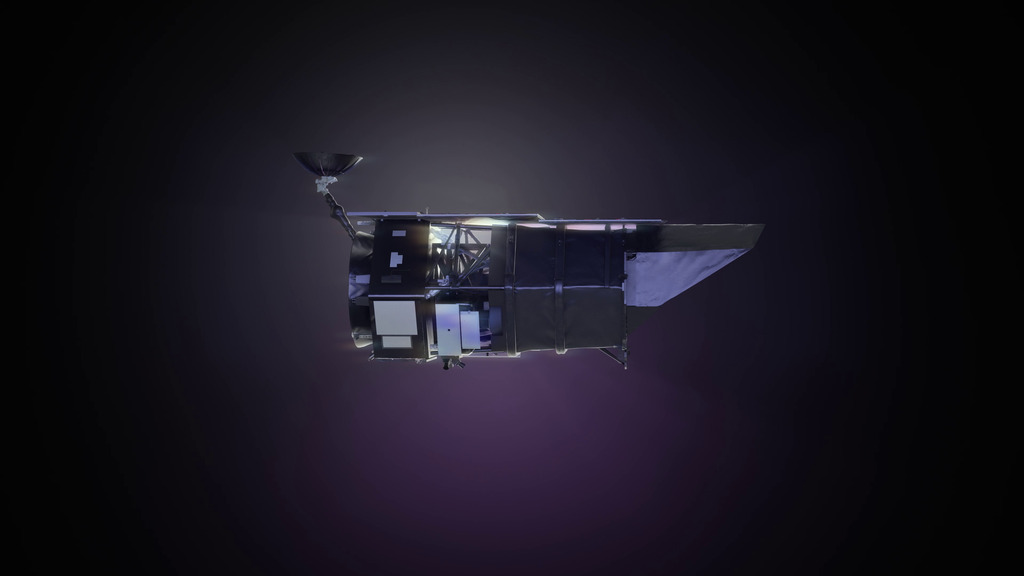
Tune in as we preview the Nancy Grace Roman Space Telescope mission scheduled to launch on Aug. 30! Named after NASA’s first chief astronomer, the Nancy Grace Roman Space Telescope will have a deep, panoramic view of the cosmos, generating never-before-seen pictures that will revolutionize our understanding of the universe.
Learn More About RomanRoman vs Hubble
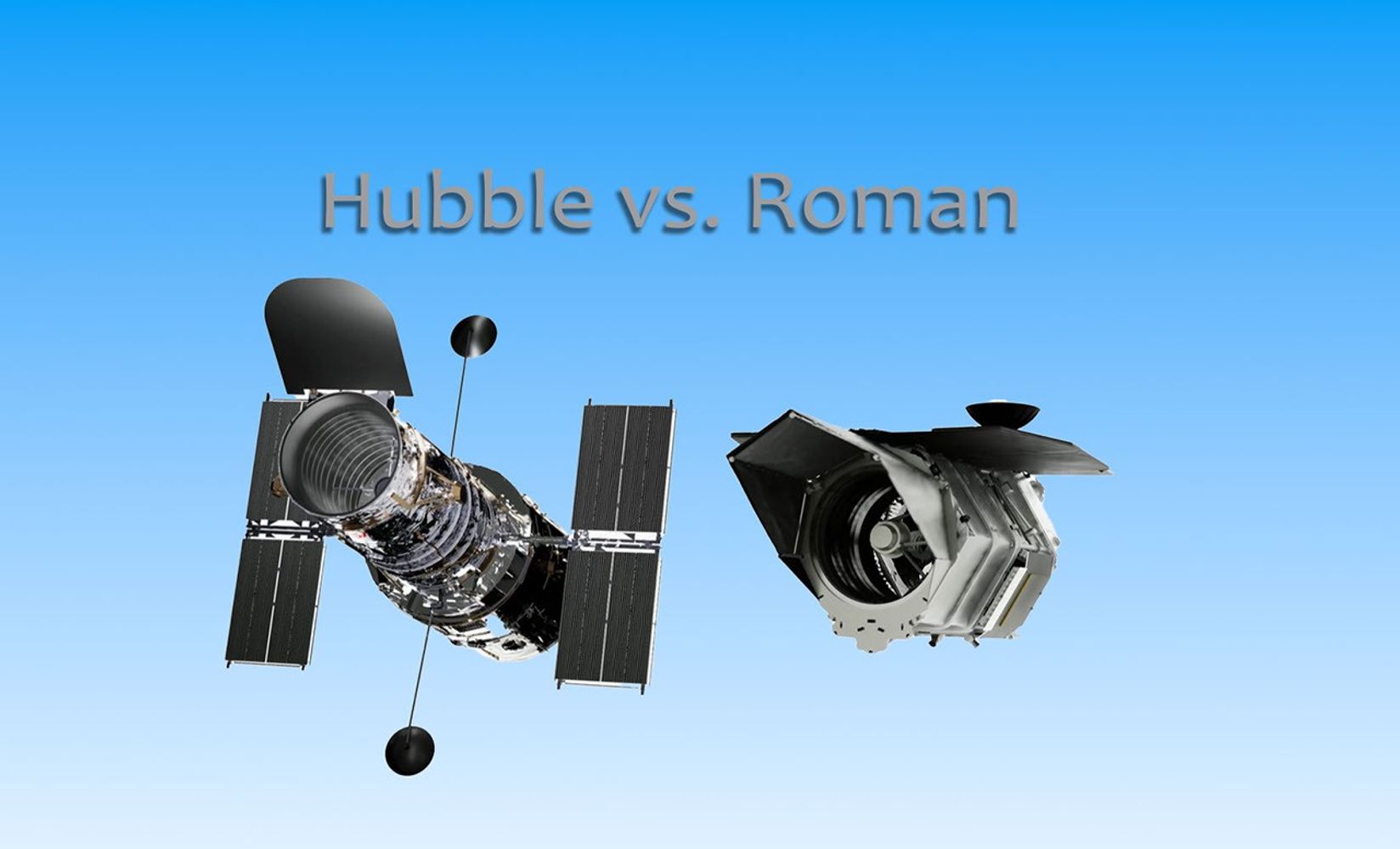
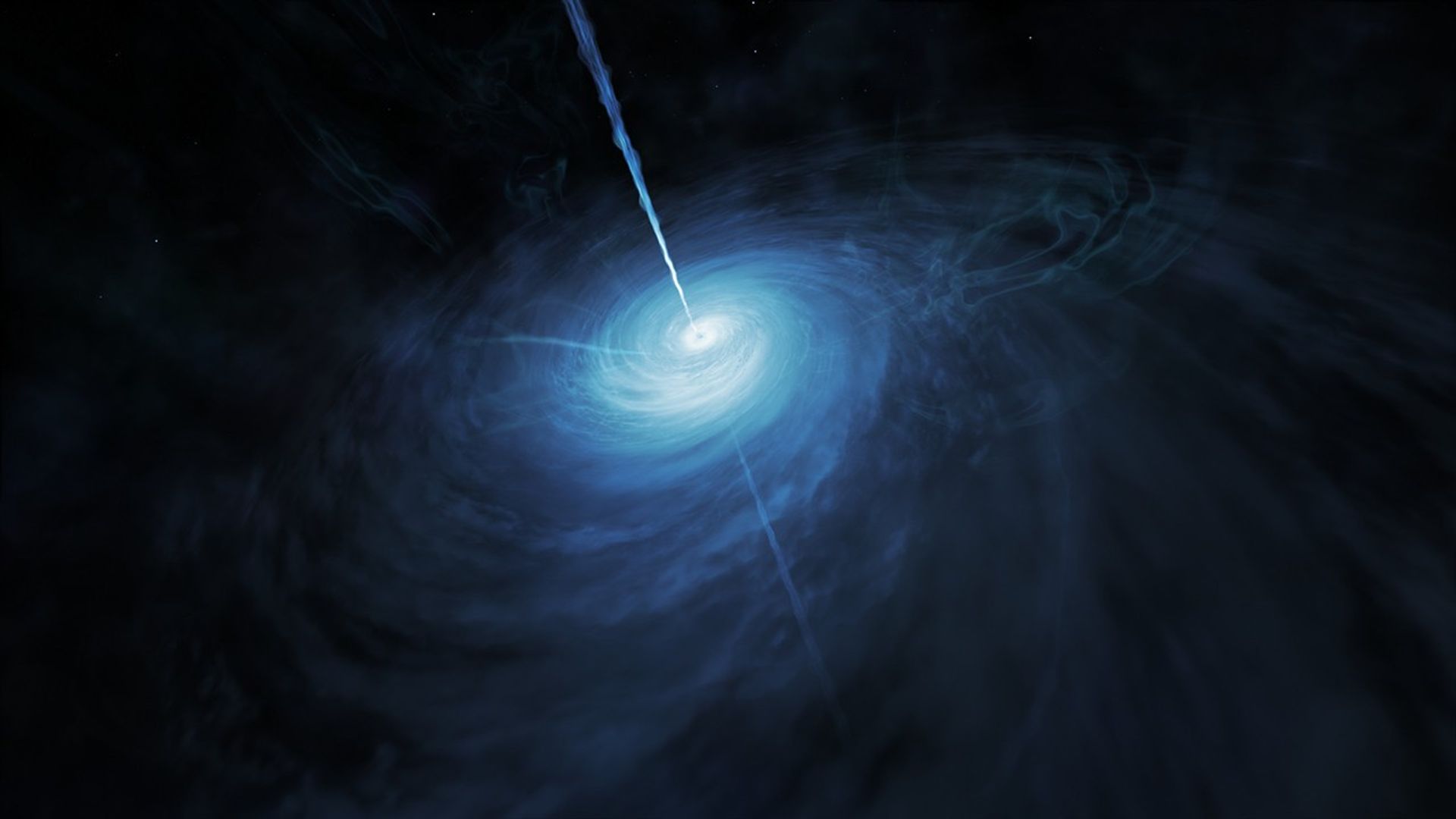
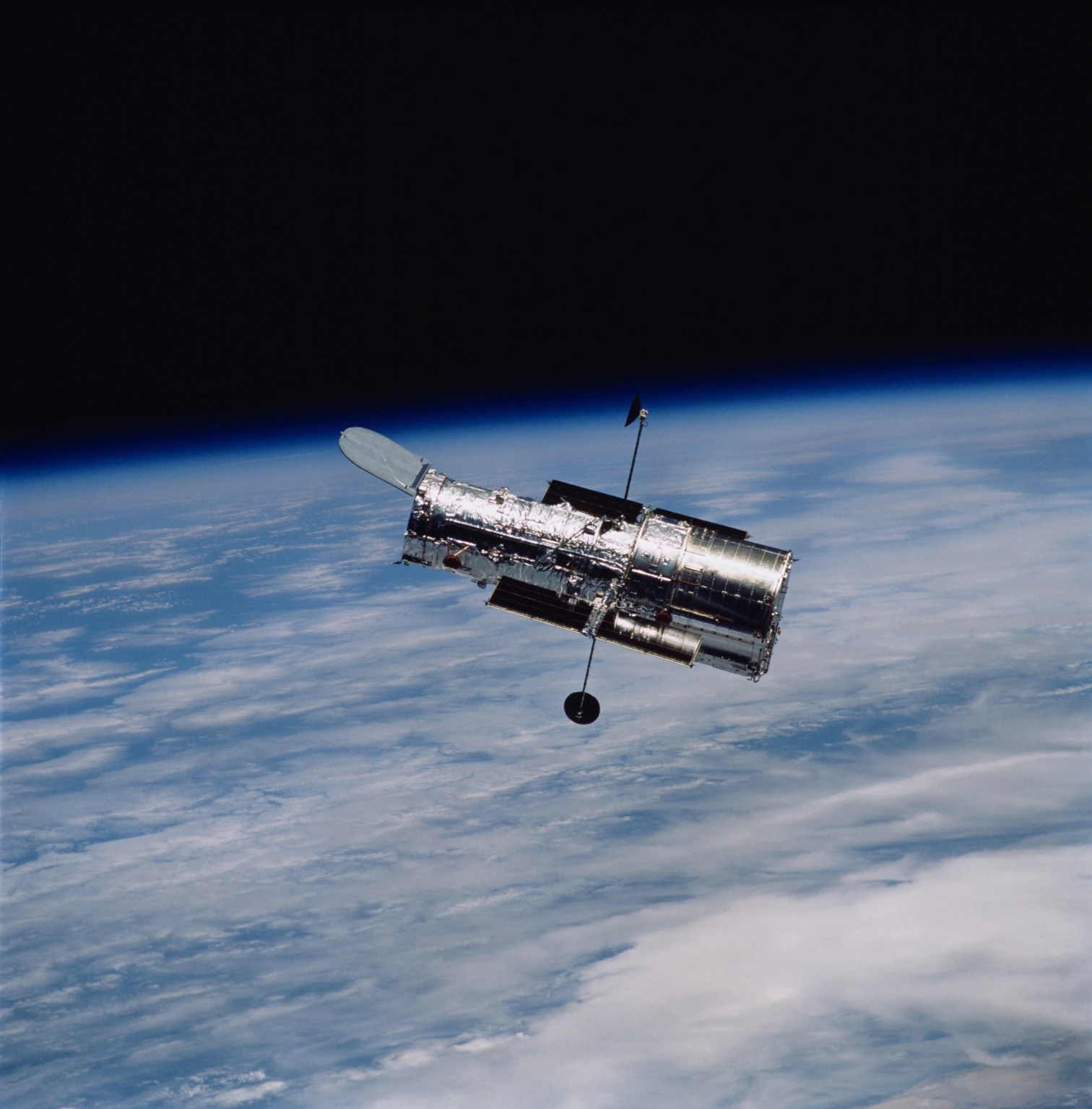
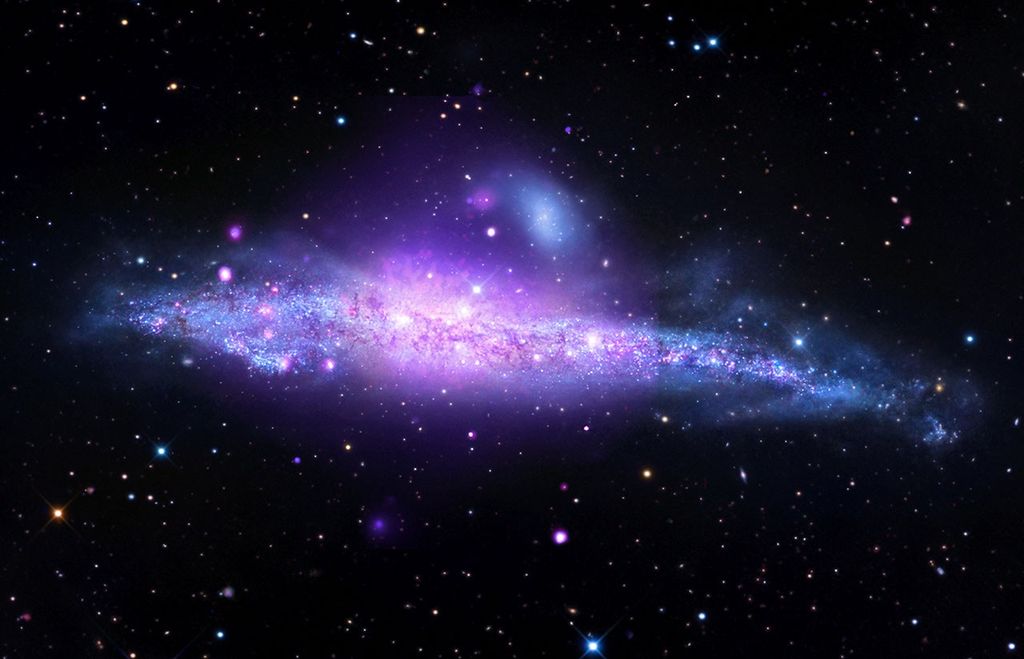
In the 35 years since its launch, Hubble has opened our eyes to all kinds of cosmic phenomena, pulling back the curtains to give us a front row seat to the universe. Along the way, Hubble revealed many surprises — like dark energy and the prevalence of supermassive black holes — because it was viewing the universe as never before. Roman will build on those observations by scanning much larger swaths of space that would take Hubble hundreds or even thousands of years to image, while complementing studies only Hubble can currently do. Who knows what new surprises may be in store?

Roman vs Webb
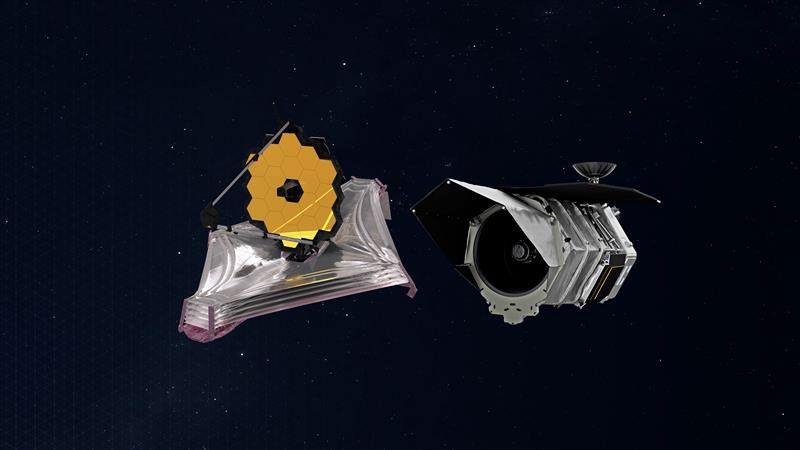
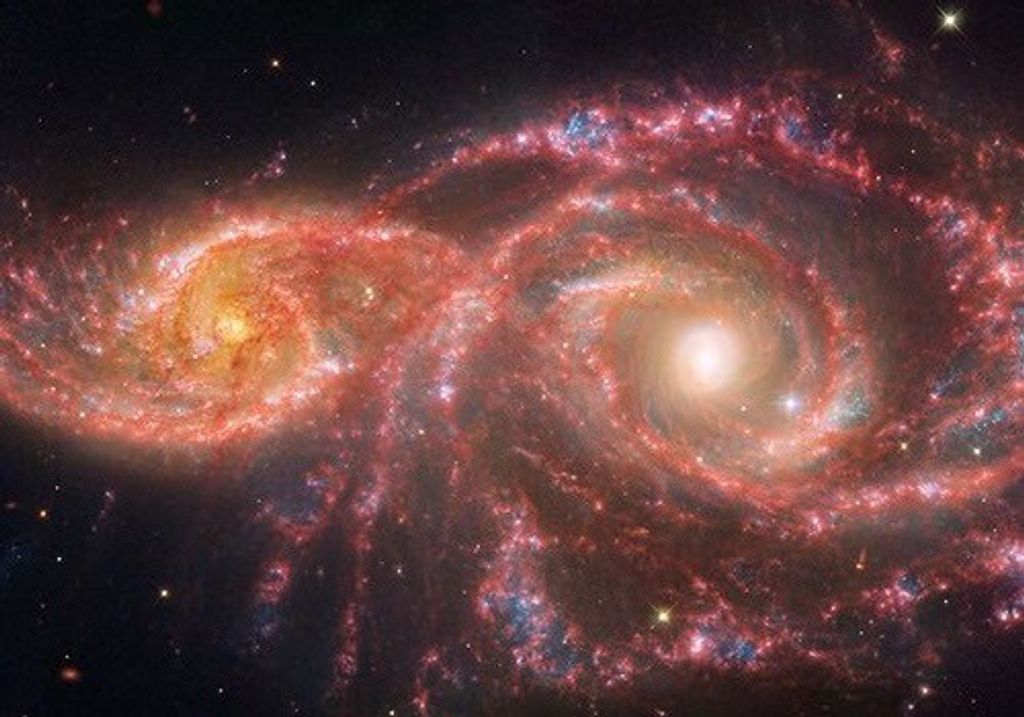
Both Roman and Webb will primarily study the universe in infrared light, allowing them to see warm objects, peer into dusty regions, and gaze across vast stretches of space. Pairing Webb’s powerful observations, which probe even farther into the infrared, with Roman’s big-picture view will reveal untold cosmic wonders. Their overlapping wavelength ranges will allow astronomers to compare their observations to learn much more than from either mission alone.
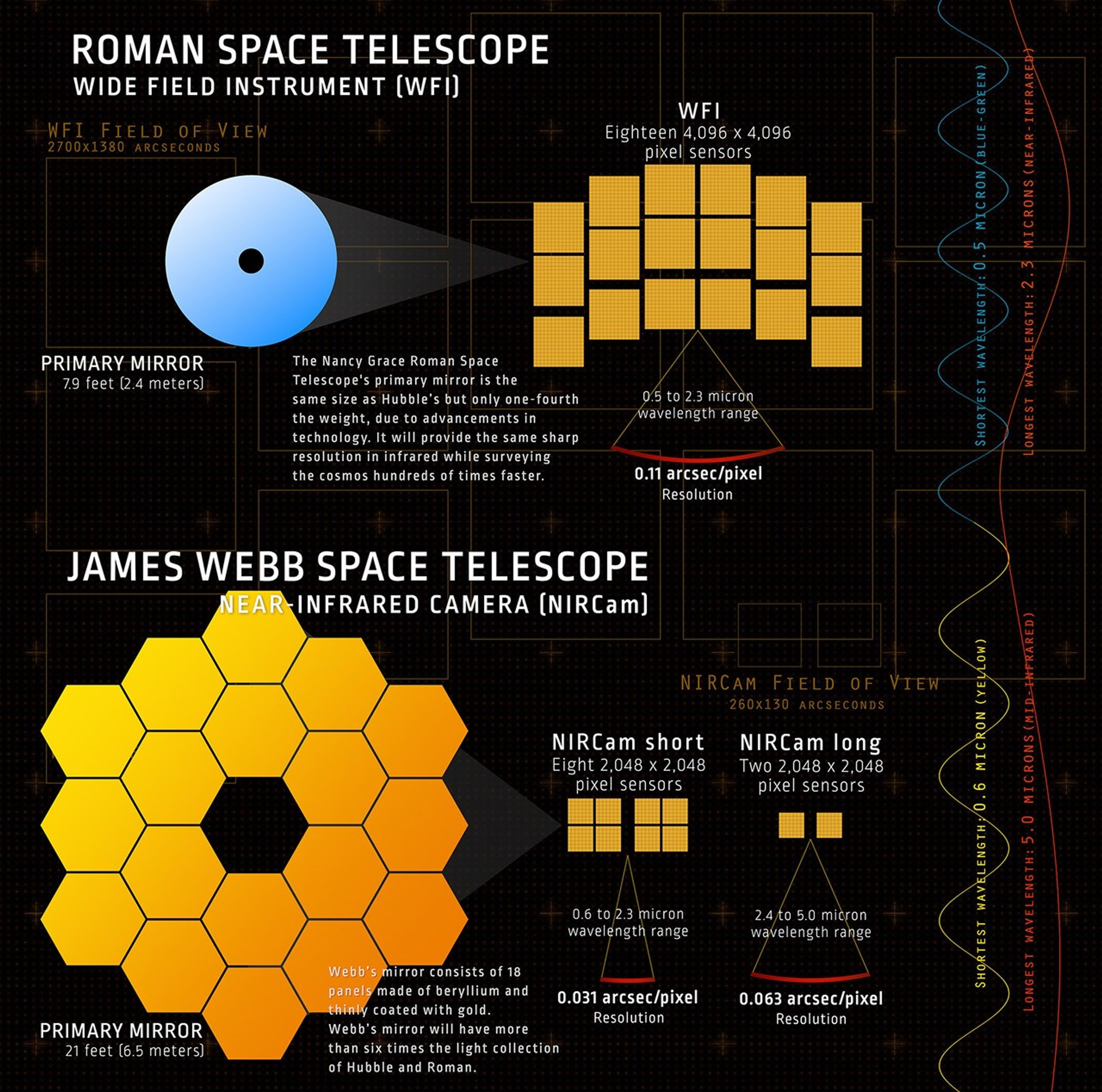
Wide Field Instrument
Using this instrument, each Roman image will capture a patch of the sky bigger than the apparent size of a full Moon. Hubble’s infrared images, taken with its Wide Field Camera 3, are about 200 times smaller. Even Hubble’s widest exposures, taken with the Advanced Camera for Surveys, are nearly 100 times smaller. Over the first five years of observations, Roman will image over 50 times as much sky as Hubble covered in its first 30 years, surveying the sky up to 1,000 times faster than Hubble can while maintaining similar sensitivity and infrared resolution.

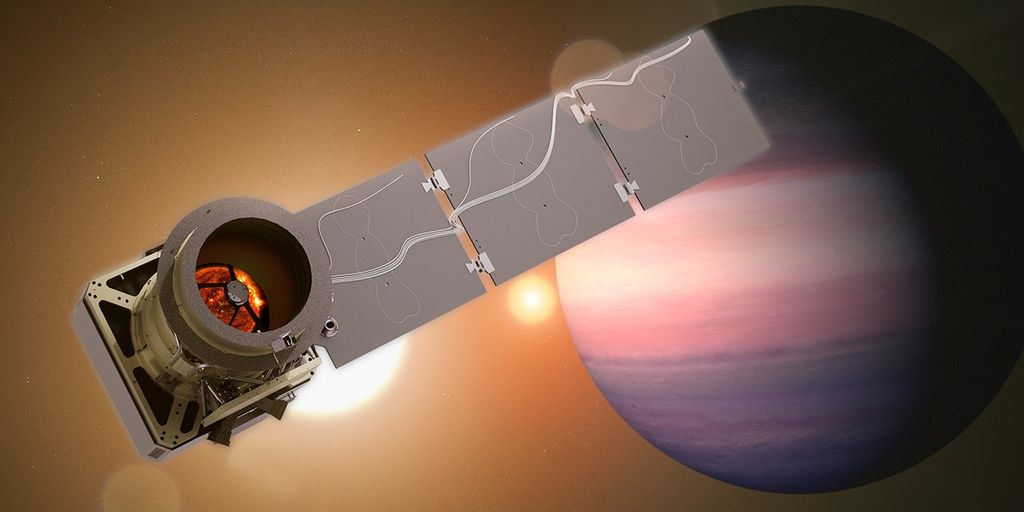
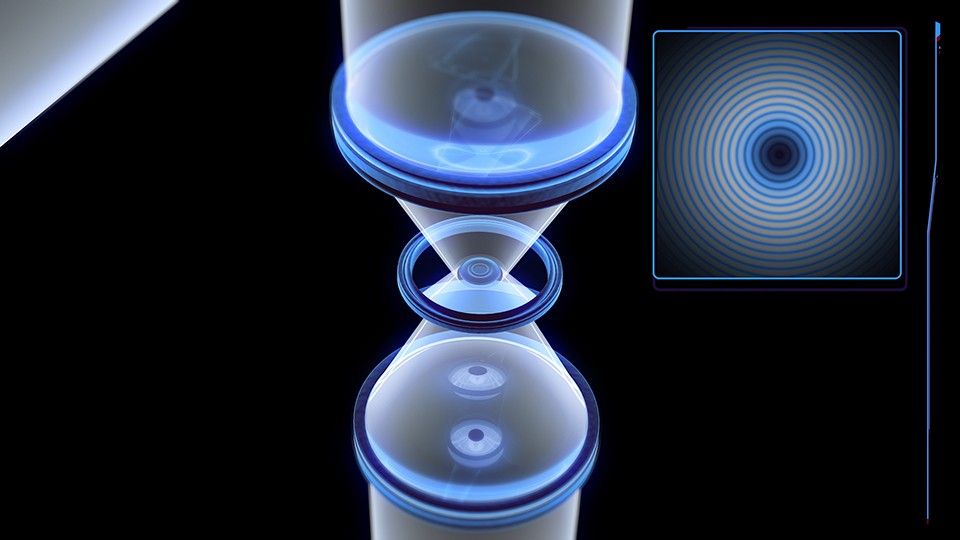
Coronagraph
This multi-layered technology might more rightly be called “starglasses.” The Roman Coronagraph is a system of masks, prisms, detectors and even self-flexing mirrors built to block out the glare from distant stars and directly image the planets in orbit around them.
Roman Resources:
Find multimedia, games, posters, learning resources, and more, all about NASA's Nancy Grace Roman Space Telescope here!
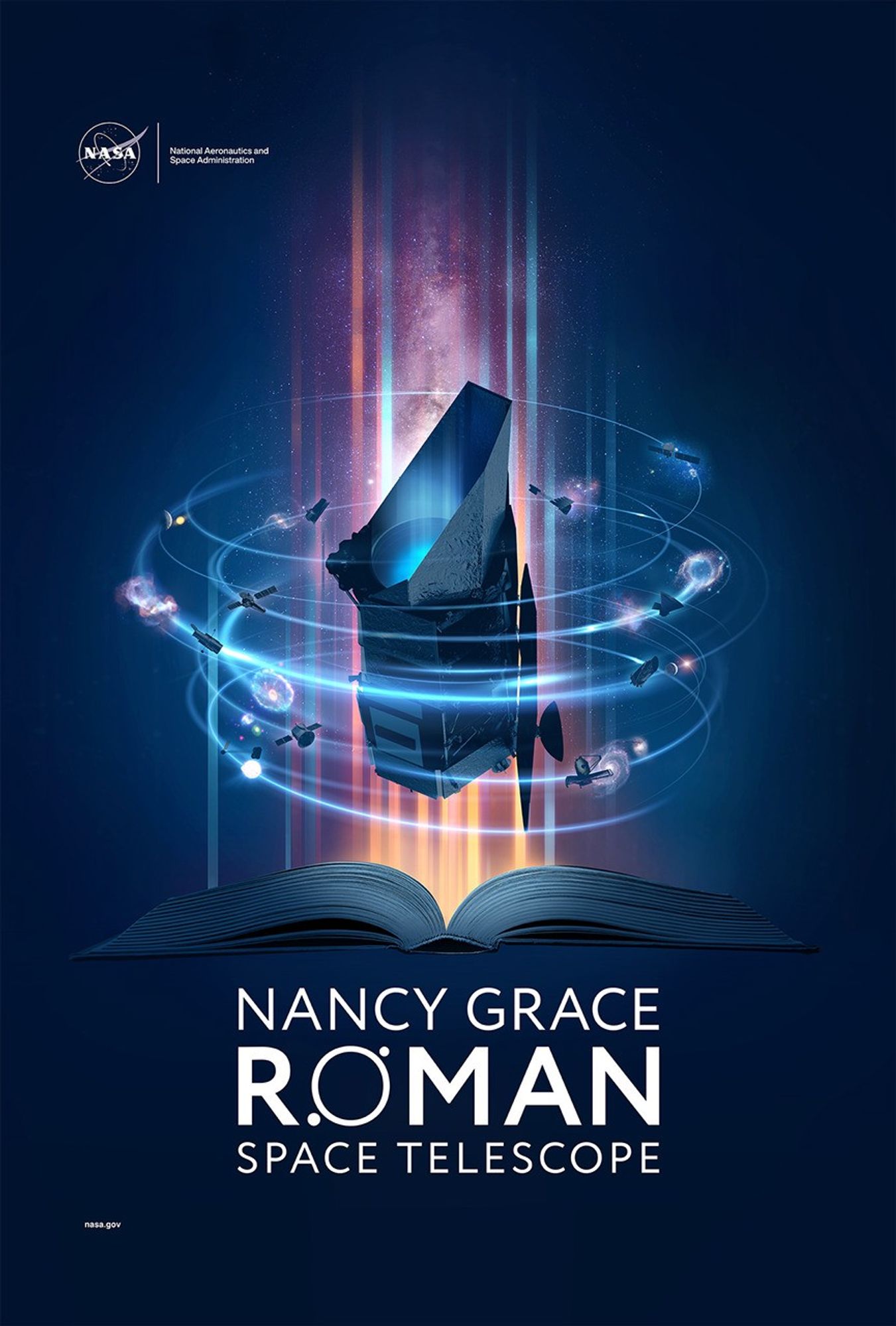
Posters & Infographs
Download the posters and learn more about the Roman Space Telescope.

Educational Activity Center
Learning can be fun with Roman. Activities and knowledge for all ages.
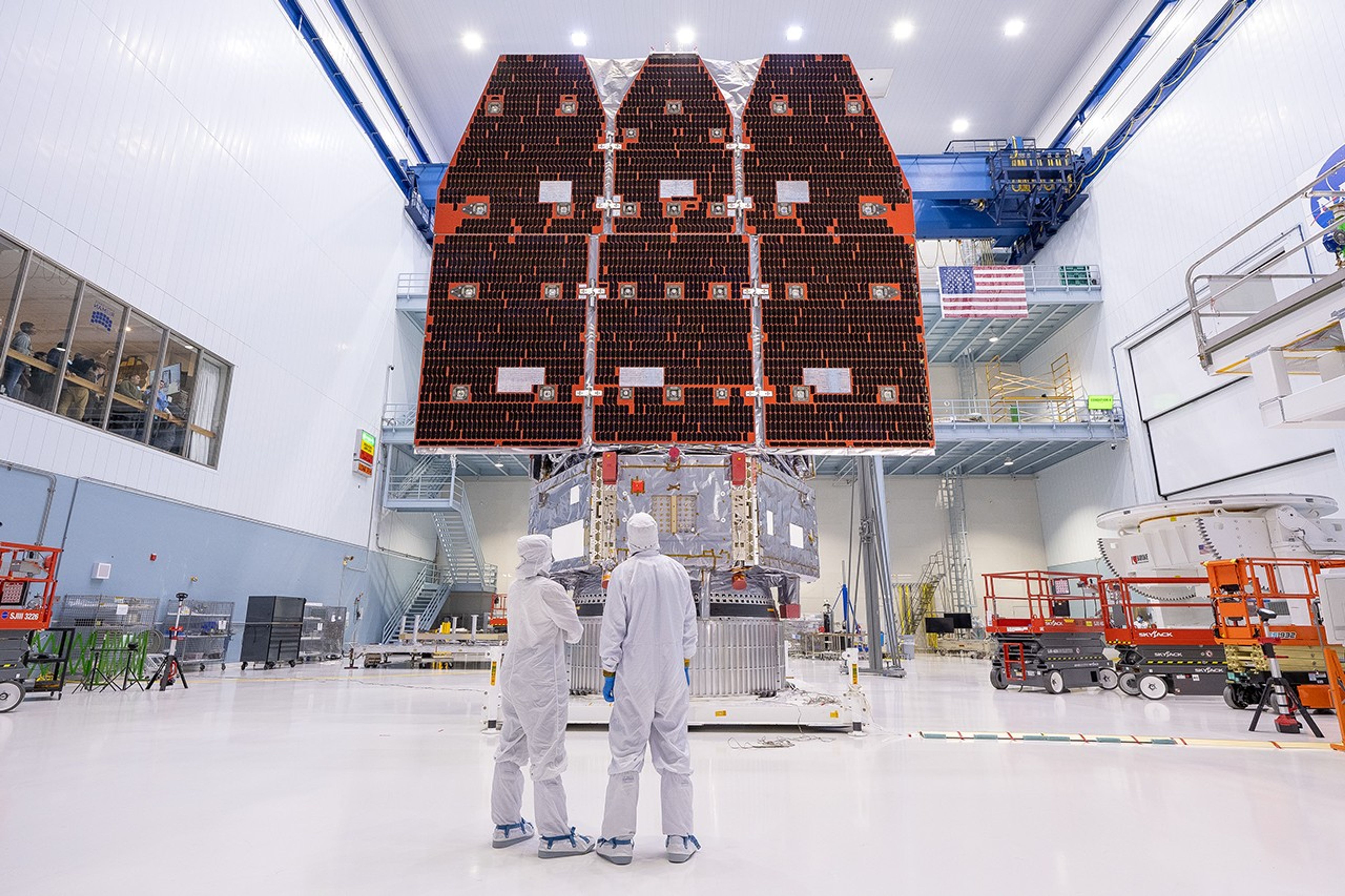
Roman Podcast Series
Explore the big science questions, methodical problem-solving, and human stories behind NASA’s Nancy Grace Roman Space Telescope.
The Roman Space Observer Game
Play the nostalgic 8-bit Roman Space Observer Game and learn about the targets Roman will capture.
Who is Nancy Grace Roman?
It is with great pleasure that we dedicate this space observatory tasked with increasing our understanding of dark energy, the universe, and our place in it, to Dr. Nancy Grace Roman, the pioneer of modern space-based astronomy.
Learn More about Who is Nancy Grace Roman?
Roman At A Glance:
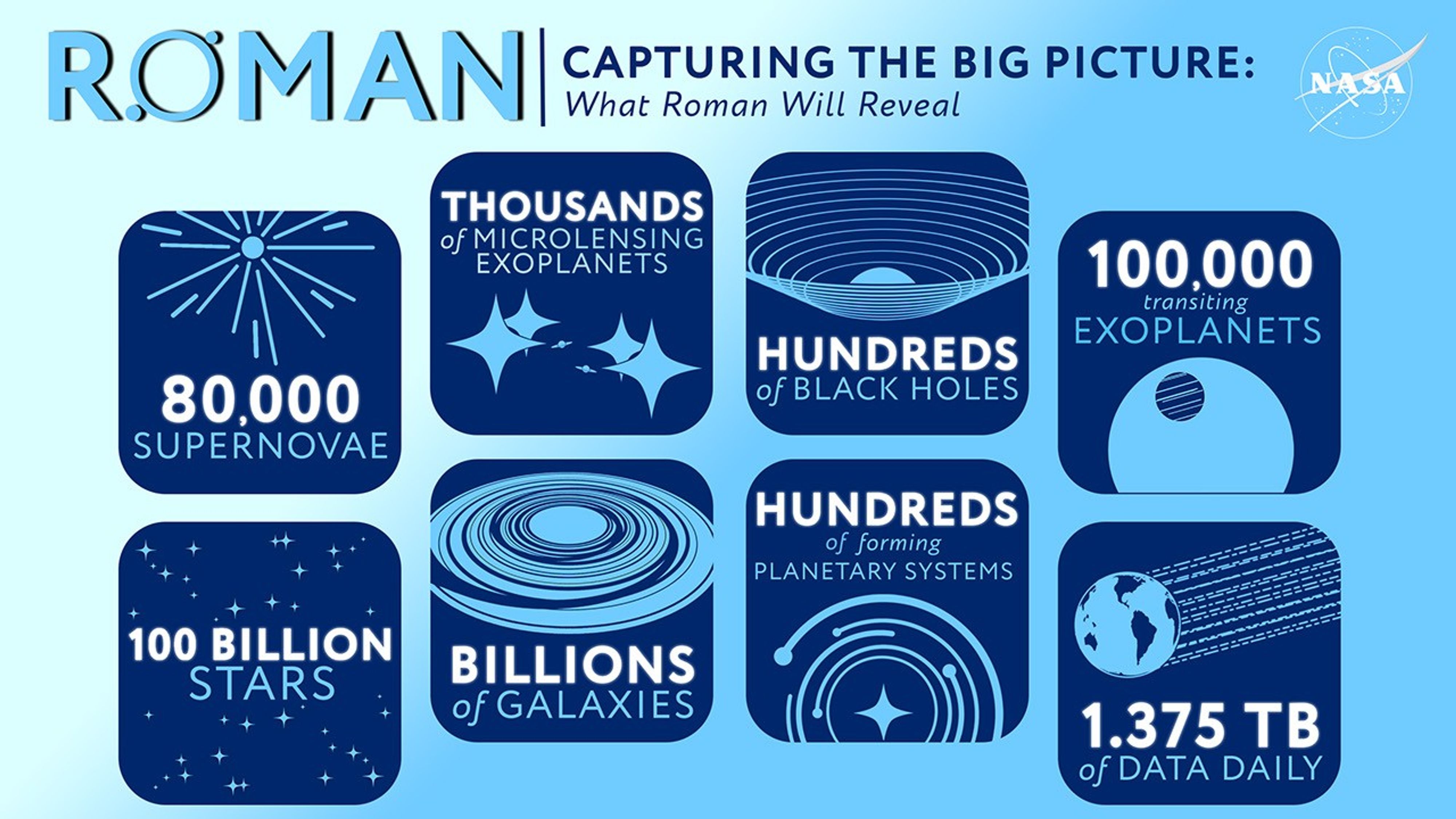
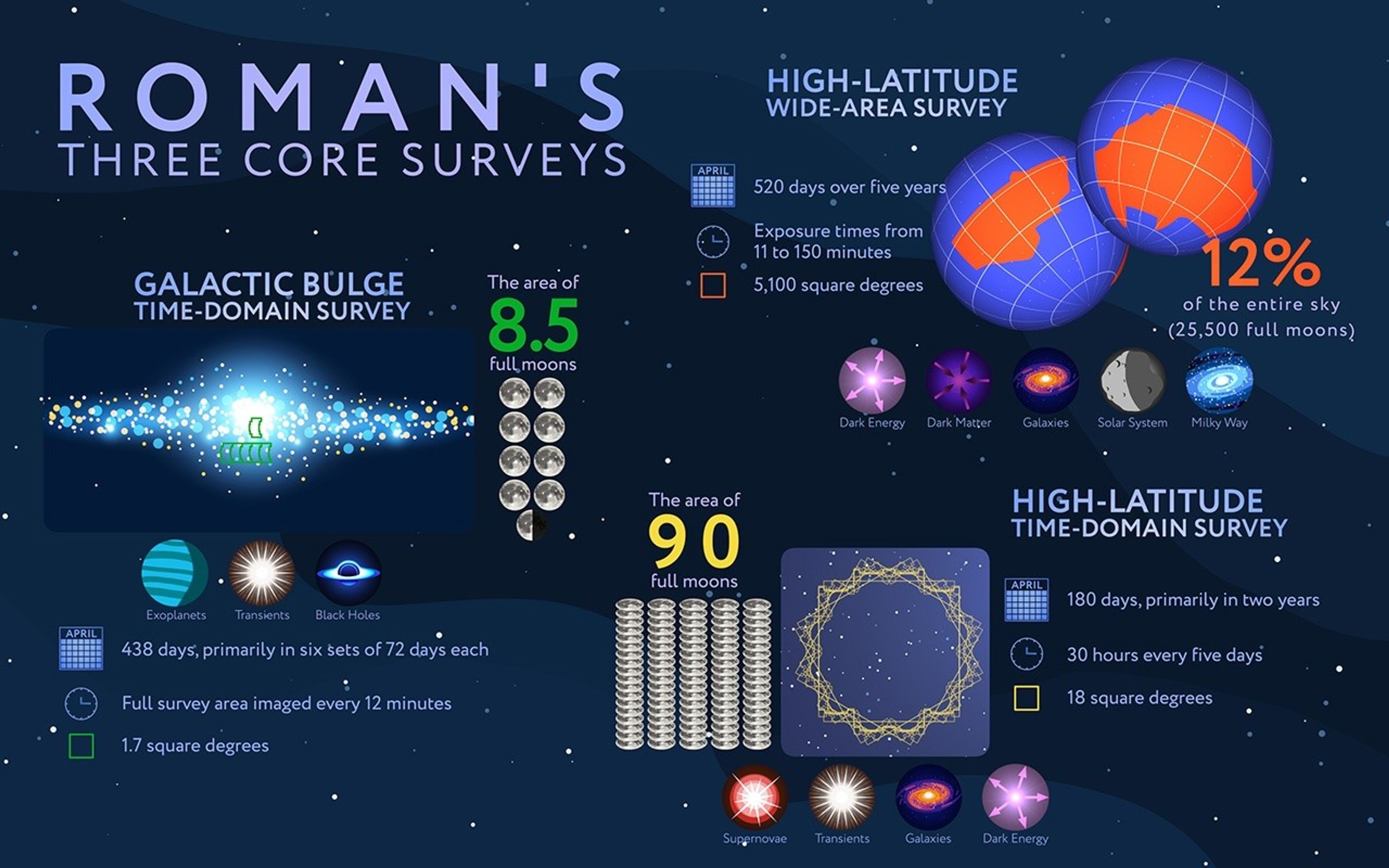


Explore the Roman Observatory
Take a tour with this interactive diagram and learn more about each of the systems that make up the telescope.