
























Space Labs
Advancing research in space, on any platform, anywhere
BIOLOGICAL & PHYSICAL SCIENCES
Advancing research in space, on any platform, anywhere
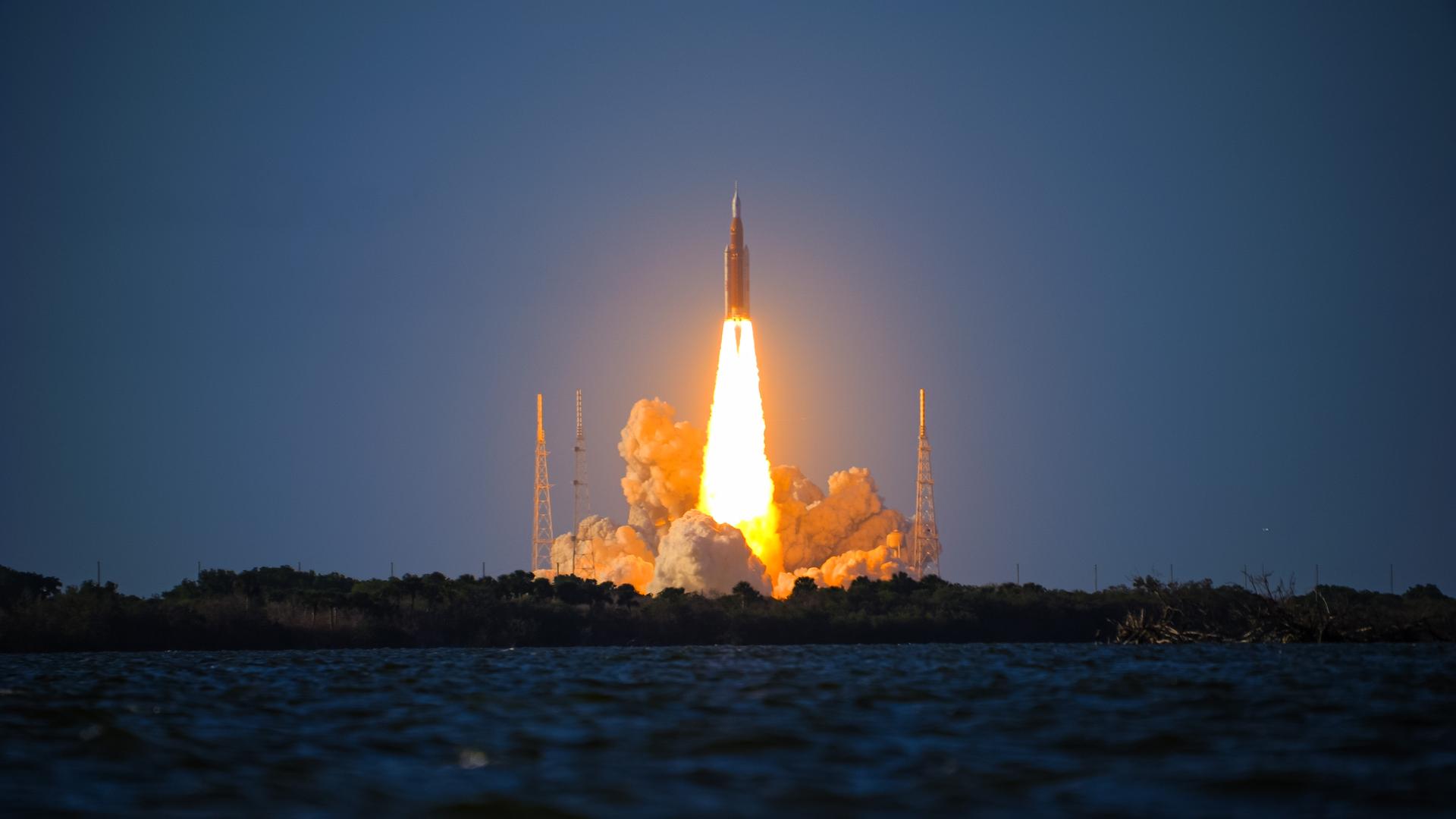
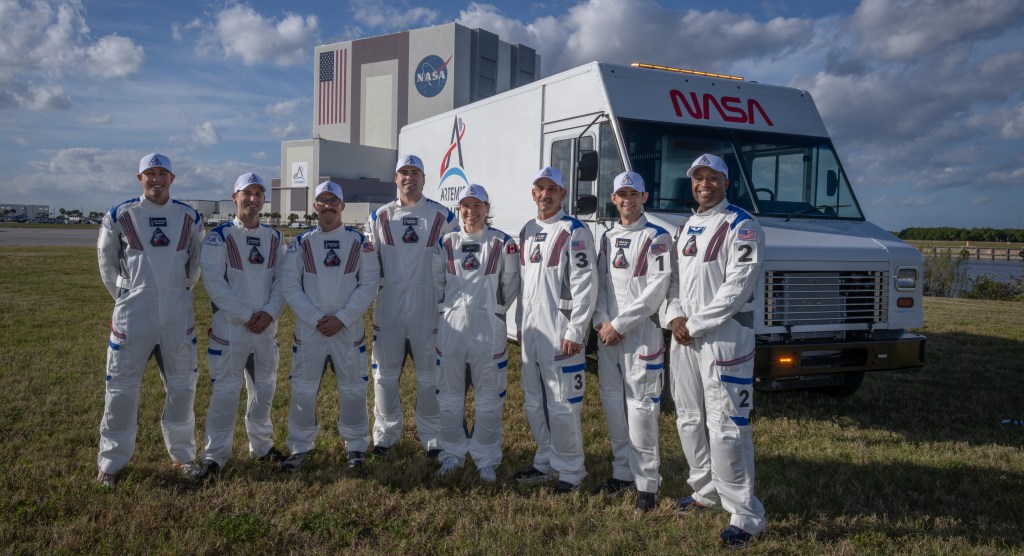
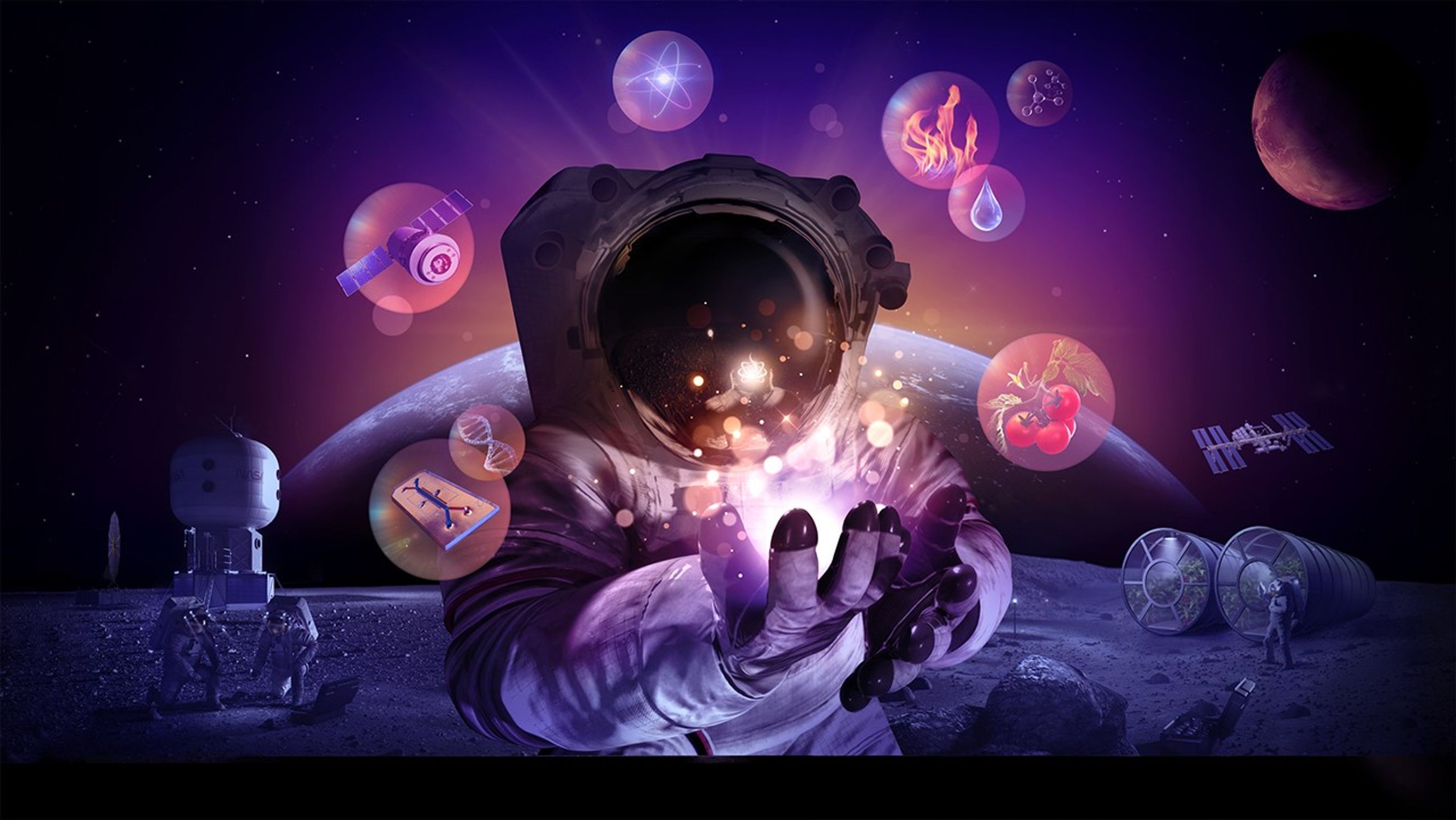
Conducting experiments in space reveals phenomena impossible to observe on Earth. NASA’s Space Labs use research capabilities across a spectrum of spaceflight environments—from suborbital and low Earth orbit to deep space and other worlds—to push the boundaries of scientific knowledge.

CERISS
Legacy approaches to space-based research have been costly, with lengthy delays in delivering samples or data to researchers on the ground. NASA’s Commercially Enabled Rapid Space Science (CERISS) program will significantly accelerate the pace and productivity of research in space by partnering with commercial companies to develop or utilize innovative, more cost-effective capabilities. This will expedite access to scientific insights that inform future missions and support the burgeoning space economy.
Low Earth Orbit (LEO)
LEO is an essential environment for studying the effects of spaceflight stressors on life and physical phenomena — and serves as a steppingstone for future deep space missions. NASA will conduct exploration-focused research using facilities aboard the International Space Station and future Commercial LEO Destinations (CLDs), as well as employ other novel capabilities. This will enable NASA to advance the science and technology needed to achieve Moon-to-Mars objectives.
Moon
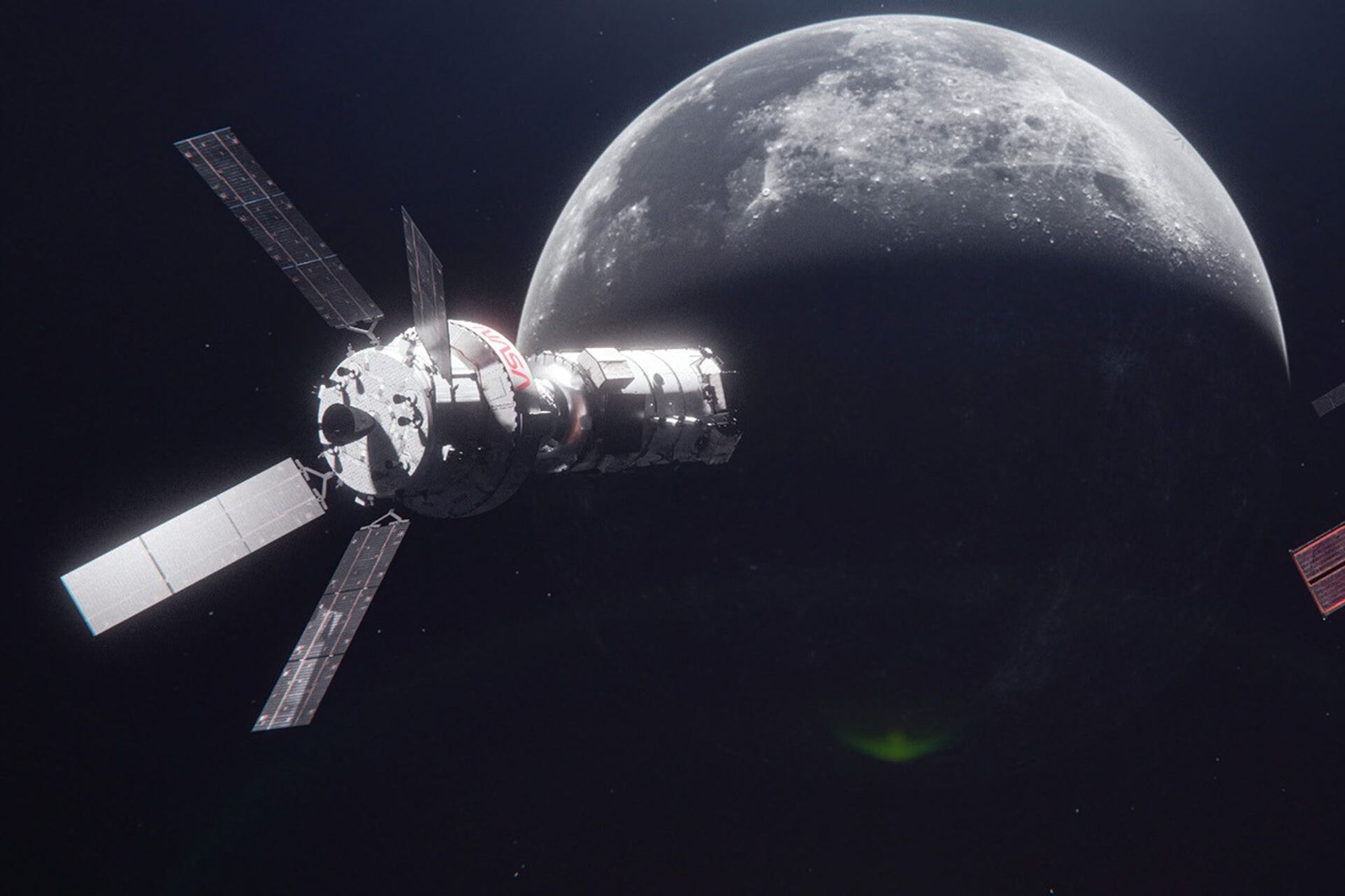
To sustain a human presence on the Moon — and eventually Mars — we must understand how harsh conditions affect our ability to thrive on these surfaces. NASA will develop and employ capabilities for studying how life, including humans and plants, and phenomena, such as flames and materials, respond to extreme stressors. This research will deliver key data which can inform new technologies and mitigate risks to human health, habitats, and spacecraft as we go farther and stay longer in space.
Mars
To send the first humans — Americans — to Mars, we must “know before we go” to reduce the risk to human health prior to crew embarking on their journeys. NASA will develop and utilize a myriad of platforms to conduct research at the Red Planet, including landers and free-flyers, among others. Focusing on autonomous capabilities and in-situ analysis enables NASA to gain access to important data which could inform the development of counter- and preventative measures prior to missions.
Interplanetary Space
Conditions in space can vary widely, from planet to planet, Sun to distant stars, and the space between them. NASA plans to gather vast amounts of data on deep space stressors throughout the solar system and beyond by deploying research capabilities aboard a range of missions, whether as a primary or secondary payload. This will enable NASA to scale and expand knowledge needed to ensure safe and successful journeys to deep space destinations.
ADDITIONAL
Biological & Physical Sciences.
Our Goals At-A-Glance.
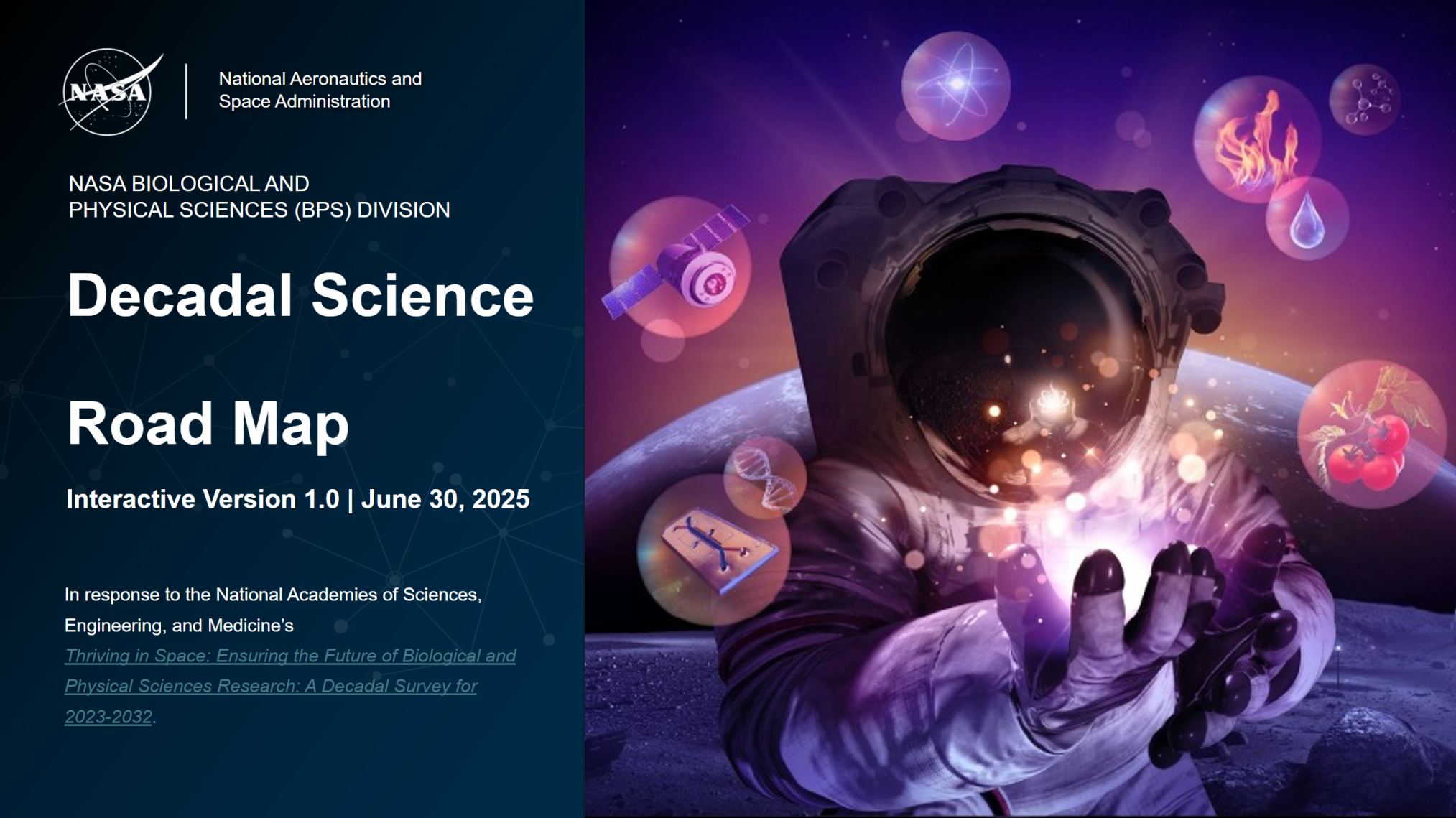
BPS Scientific Goals Overview
Revolutionary Research in Extraordinary Places.
NASA research contributes to breakthroughs that advance national priorities and maintain U.S. leadership in science and technology.
Studying the fundamental effects of space stressors (such as radiation and microgravity) on biological and physical phenomena promotes mission success and benefits life on Earth.
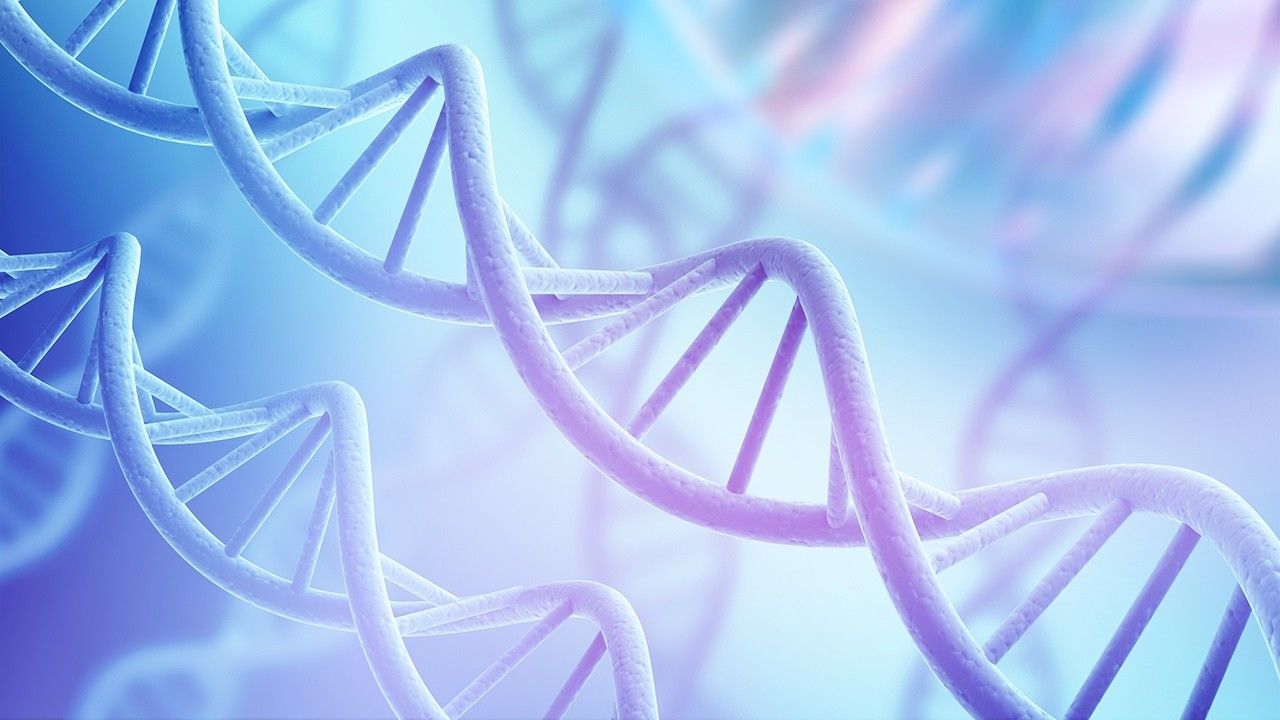
Precision Health
Leveraging space to unlock the secrets of aging and disease
Stressors encountered during space travel can affect human health, including bone and muscle loss, immune system function, microbes, and other biological responses. NASA research could provide vital information needed to help protect astronauts during future deep-space missions and advance the prevention and treatment of disease for people on Earth.
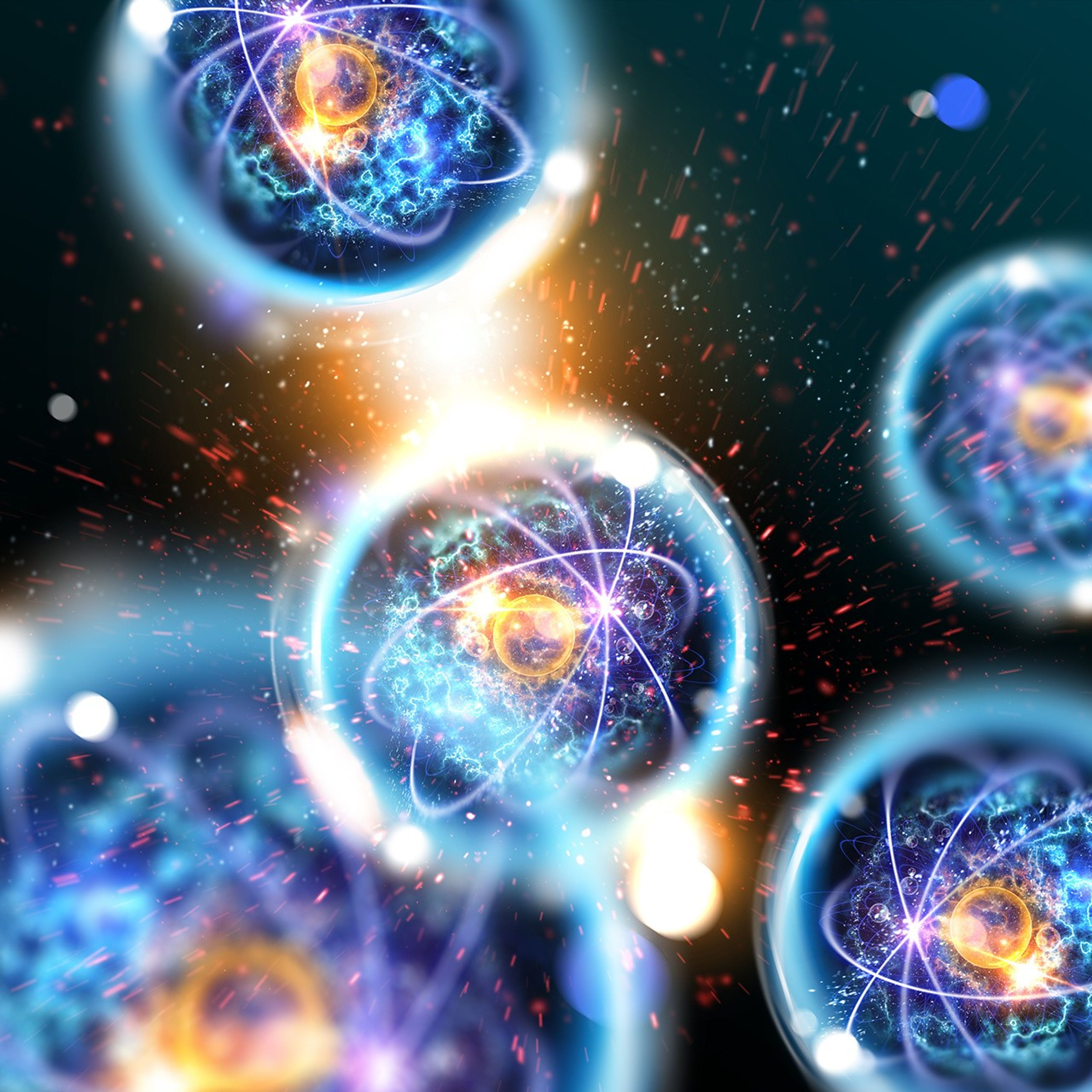
Quantum Leaps
Unraveling mysteries of the universe
While modern physics has led to numerous scientific breakthroughs, many aspects of quantum phenomena remain unexplained. NASA’s research conducted in space offers unique opportunities to advance quantum science in ways that Earth-based studies cannot. Technologies like smartphones, computers, GPS, and medical imaging all stem from quantum research. Continued exploration in this field could contribute to innovations beyond our most imaginative theories.
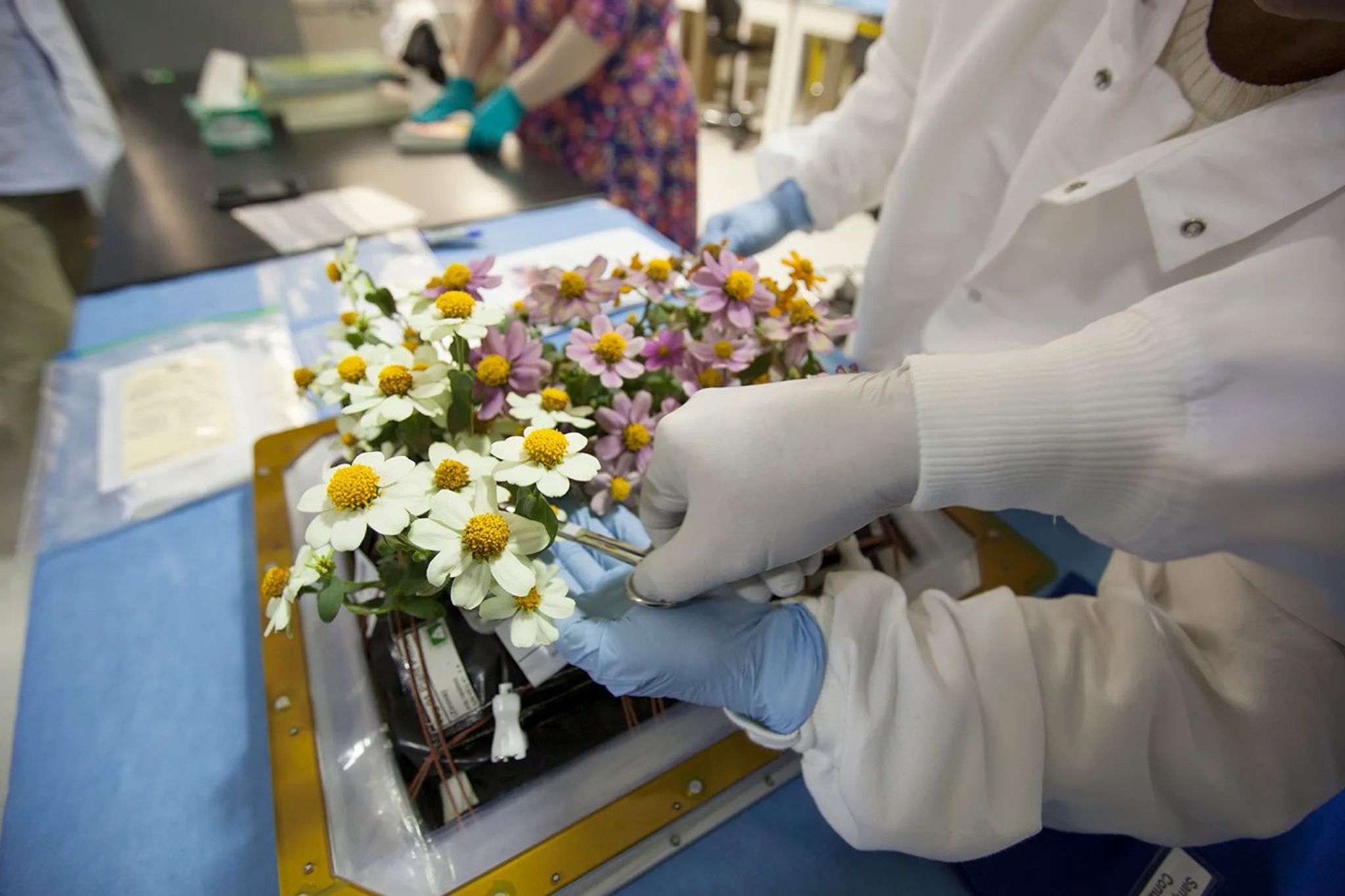
Space Crops
Boldly growing where no one has grown before
To go farther and stay longer in space, crew will need sustainable sources of nutrition. Crops can provide fresh food, benefit astronaut mental well-being, and improve space habitats. Studying how plants adapt to harsh conditions in space can lead to agricultural innovations that support deep-space exploration and improve farming in austere environments on our home planet.
Foundations
Revealing the novel behaviors of fluids, fire, and materials in space
Physical phenomena behave differently in space: how flames burn, fluids flow, and materials react to extreme conditions. Research in these areas can lead to scientific breakthroughs and new technologies that enable safe, sustained missions to the Moon, Mars, and beyond. It can also contribute to everyday life, including improvements in fire safety, manufacturing, commercial products, and more.
Biological & Physical Sciences Division
-
NASA’s Biological and Physical Sciences Division pioneers scientific discovery and enables exploration by using space environments to conduct investigations not possible on Earth. Studying biological and physical phenomena under extreme conditions allows researchers to advance the fundamental scientific knowledge required to go farther and stay longer in space, while also benefitting life on Earth.