























EarthRISE Developers Academy
Logistics
- The NASA EarthRISE Developers Academy application and selection processes are managed by a team at the NASA Langley EarthRISE Office and the location(s) the applicant selected. The process is managed on behalf of NASA by contractors.
- Applicants selected for an interview will be contacted to arrange a day and time. Typically, interviews will be conducted virtually through Microsoft Teams.
- After the review process is complete and selections are made, each applicant will receive a notification via email regarding the outcome of the selection decision.
- Applicants who accept an in-person opportunity must participate onsite at their selected location.
- Participants are responsible for their own housing, living expenses, and transportation to and from their NASA EarthRISE Developers Academy location.
- Participants are employed as part-time temporary contract employees through Analytical Mechanics Associates, Inc. (AMA). Hourly rates are provided by the NASA Langley EarthRISE Office and are determined by education level, applicant classification, and locality. For inquiries regarding hourly pay rates, please email the NASA Langley EarthRISE Office at NASA-DL-ERDA@mail.nasa.gov.
Spring 2027 Projects
Spring 2027 projects will span a variety of topics and thematic areas including Water Resources, Disasters, Agriculture, Ecological Conservation, Lunar Resources, and more. All projects are tentative and subject to change; two projects at each location listed below. Project information will be updated throughout the application window, as available.
Ames Research Center (Moffett Field, CA):
- This project aims to measure soil moisture using NISAR and state level mesonet data in Oklahoma. Partnering with Oklahoma State University Extension and local farms, the team will create reliable satellite derived measurements for use by tribal partners and beginner farmer/rancher communities to determine timing of planting, irrigation, and other field operations.
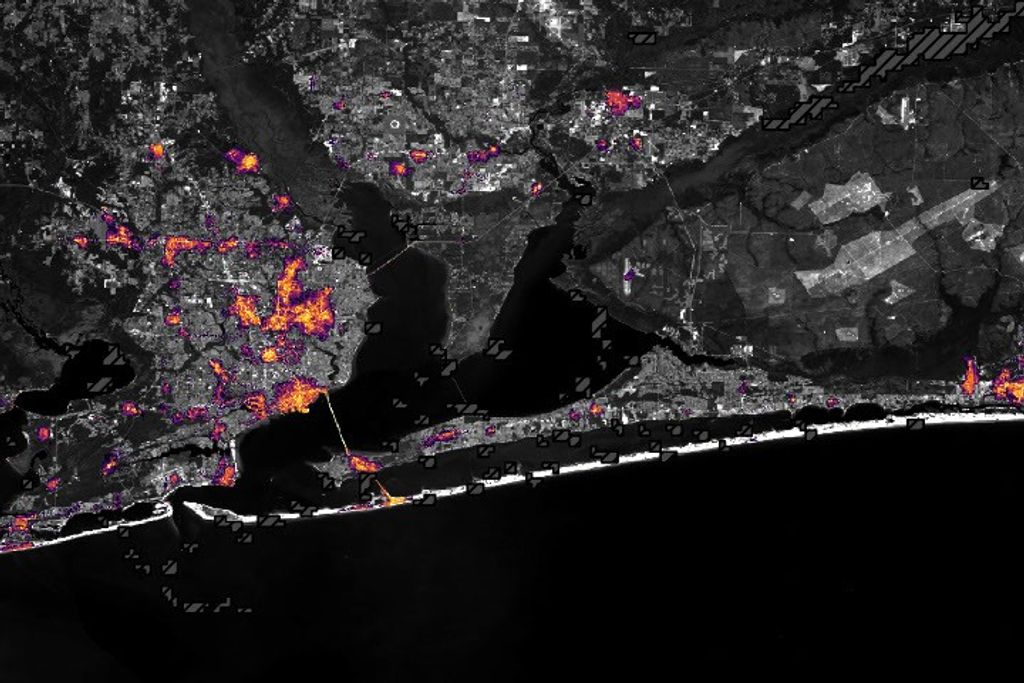
- TBD Disasters. This project will assess elements of multi-hazard disaster risk, reduction, and/or recovery to inform long-term resilience planning.
Goddard Space Flight Center (Greenbelt, MD):
- Changes in snowpack and water availability across the Colorado River Basin are of increasing concern for decision making organizations, including public utilities, industrial water users, and other basin partners. The team will assess snow drought, soil moisture, vegetation stress, and seasonal water availability across the basin to inform resilience planning, investment priorities, and partnership agendas.
- Severe weather in southeastern Pennsylvania frequently causes tree-related power outages, costing utilities millions in repairs. While PECO Energy Company utilizes expensive aerial LiDAR to monitor transmission lines, they currently underutilize freely available satellite data. This project will partner with PECO to integrate Sentinel-1 (SAR) and Sentinel-2 (optical) imagery to identify tall, dead, or encroaching tree canopies and create a scalable, cost-effective tool to monitor vegetation health along utility corridors, optimizing preventative maintenance and improving grid resilience.
Jet Propulsion Laboratory (Pasadena, CA):
- Eelgrass, a species of submerged aquatic vegetation, provides a variety of ecosystem benefits such as carbon sequestration, sediment stabilization, and water clarification. This project will partner with the Southern California Coastal Water Research Project to investigate water quality parameters to supplement ground survey data for continued monitoring of eelgrass habitat.
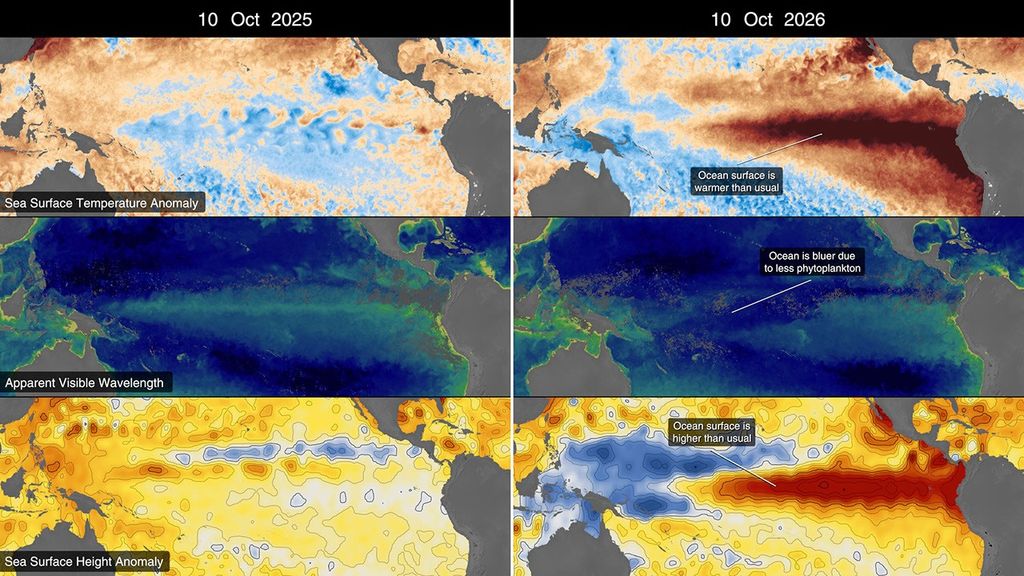
- TBD Water Resources. This project will assess elements of the water cycle including water quantity, drought, and impacts of El Niño in the western US.
Langley Research Center (Hampton, VA):
- West Texas has a complex agroecosystem due to limited water availability, and increased climate threats such as extreme weather, drought, and wildfire. This project aims to assess various management practices across farm and ranching landscapes to determine the impacts of these practices, such as cropping systems, and invasive species removal, on soil moisture availability, evapotranspiration, and wildfire risk.
- Reports from across the country show that extreme heat events are expected to increase in duration, frequency, and intensity. Exposure to extreme heat can cause individuals to experience symptoms such as headaches, dizziness, fatigue, and can often lead to their death. This project will partner with municipal decision makers in Washington or Massachusetts to map areas of urban heat and contributing factors.
Marshall Space Flight Center (Huntsville, AL):
- Seepage bogs are specialized wetland ecosystems sustained by slow groundwater discharge along gentle slopes. The Geological Survey of Alabama (GSA) actively monitors water table dynamics across a select number of seepage bogs to better understand their hydrological functioning and support the conservation of federally endangered plant species in northeast Alabama. This project will leverage all-weather, L-band Synthetic Aperture Radar (SAR) observations from NISAR to map and monitor seepage bog hydrological regimes across Alabama, enhancing GSA’s capacity to identify potential suitable habitats and support the conservation of endemic, endangered pitcher plant populations.
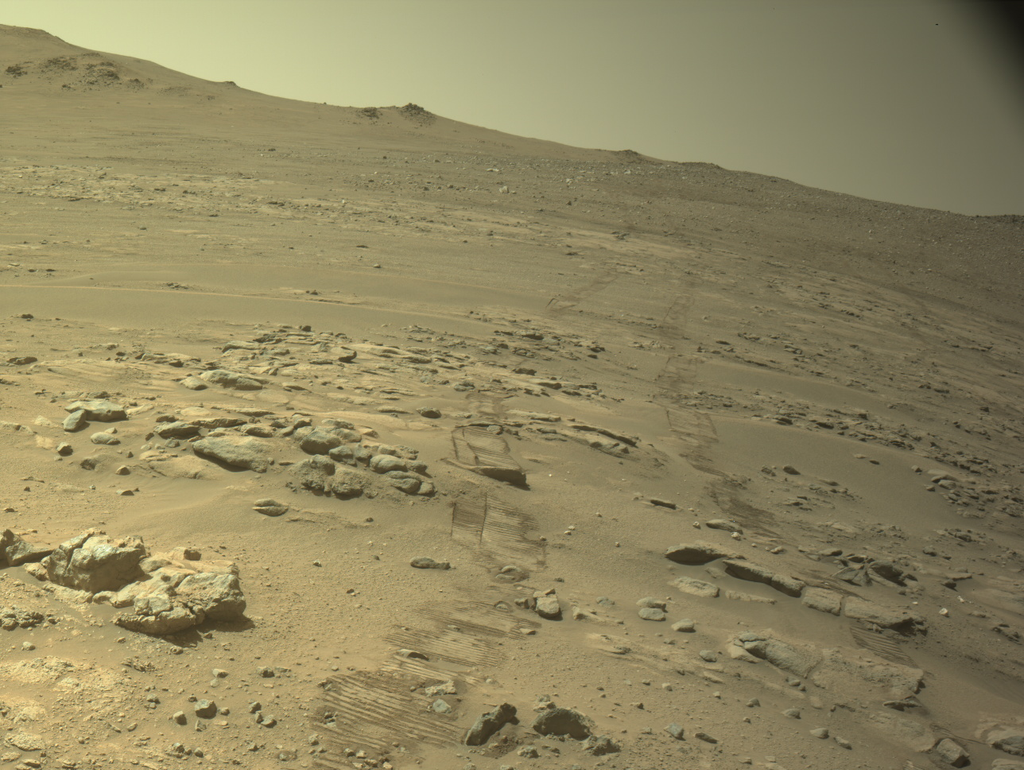
- This project evaluates NISAR L- and S-band datasets across well-studied domestic sites in the United States that serve as terrestrial analogs to surface conditions and processes on the Moon and Mars. Because these analog sites feature radar scattering mechanisms dominated by surface roughness and dielectric properties rather than vegetative structure, they provide ideal sensitivity benchmarks. By characterizing baseline SAR backscatter and variance structures, and detecting subtle surface disruptions such as aeolian sediment transport, this work will establish a multi-frequency SAR signature library for planetary analog terrains. These benchmarks will directly inform NISAR data interpretation over geologically stable surfaces on Earth while advancing analytical readiness for future planetary radar missions that observe extraterrestrial surfaces without the benefit of in-situ validation.
Virtual:
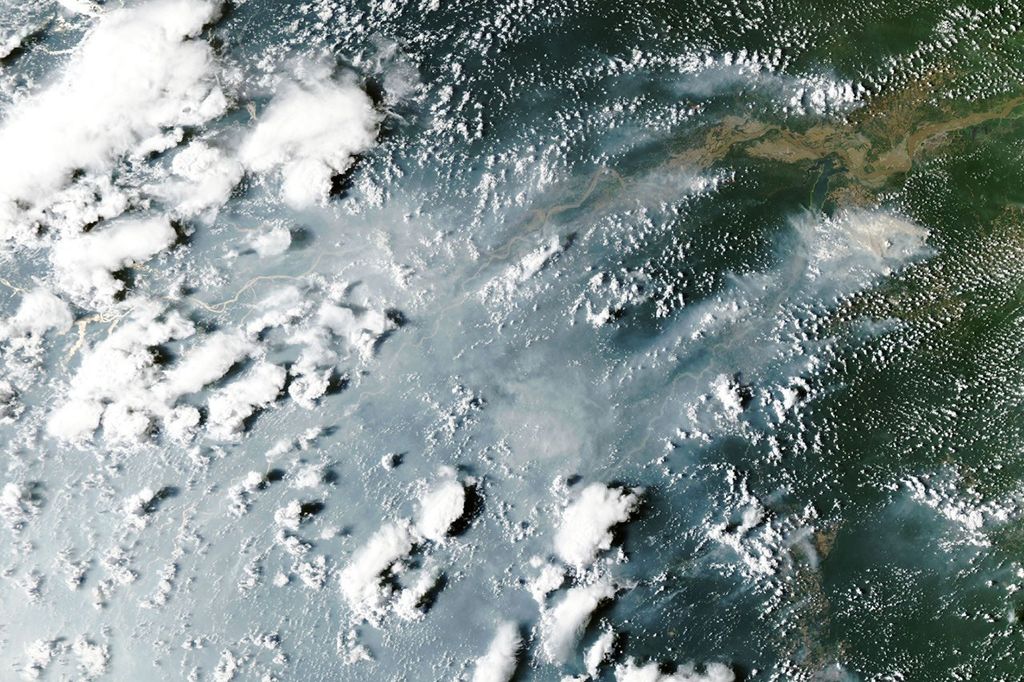
- Wildfire smoke may impact corn and soybean yields of farms due to reduced solar radiation. This project will provide farmers across the Midwest region tools to make management decisions related to potential yield drags and market shifts.
- Working with the Missouri Department of Conservation, this project could focus on vegetation: mapping the timing and extent of forest health including oak decline, disease, & forest disturbance, invasive species, and/or grassland classification to identify high value wildlife habitats.