

























Explore Light: An Interactive Page
https://smd-cms.nasa.gov/wp-json/wp/v2/media/27222
| Levels |
|
|---|---|
| Material Type |
|
| Heliophysics Big Ideas |
|
| NGSS |
|
| Heliophysics Topics |
|
| Heliophysics Missions |
|
| Related Missions |
|
| Material Cost per Learner | Free |
| Language | English |
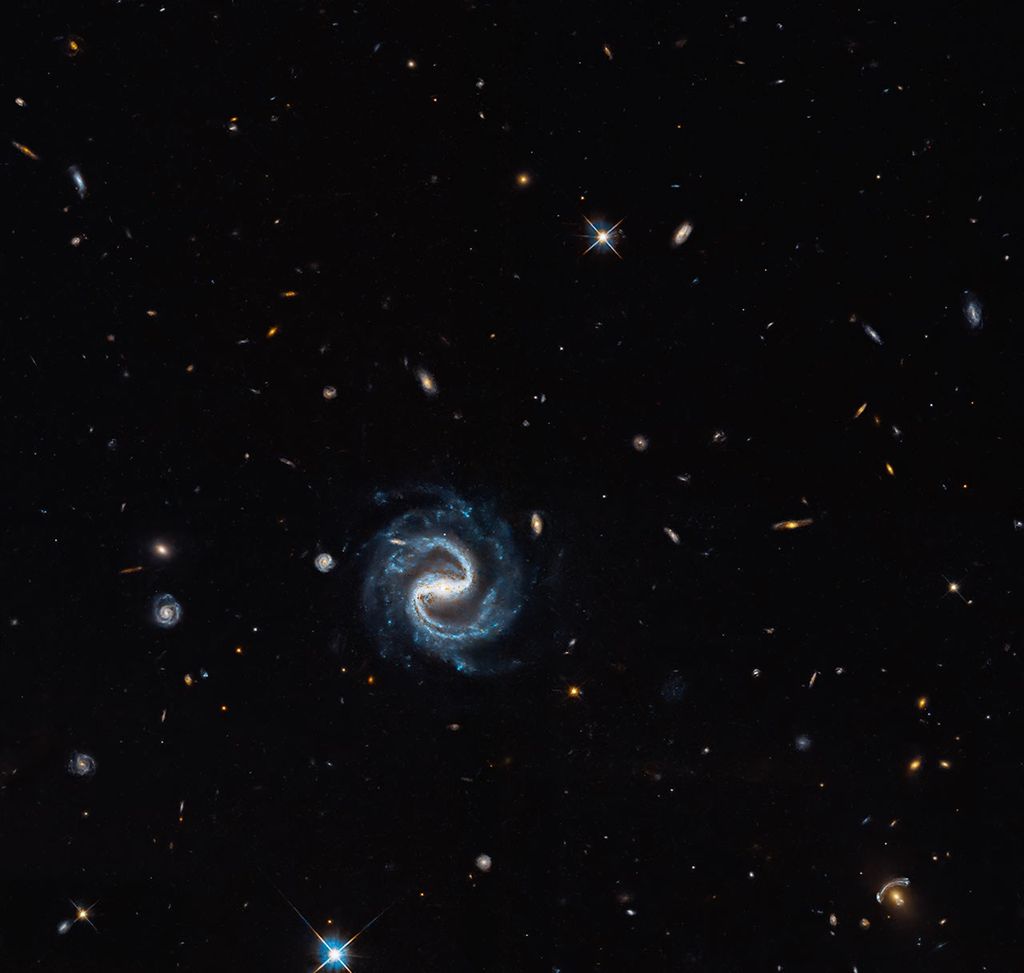
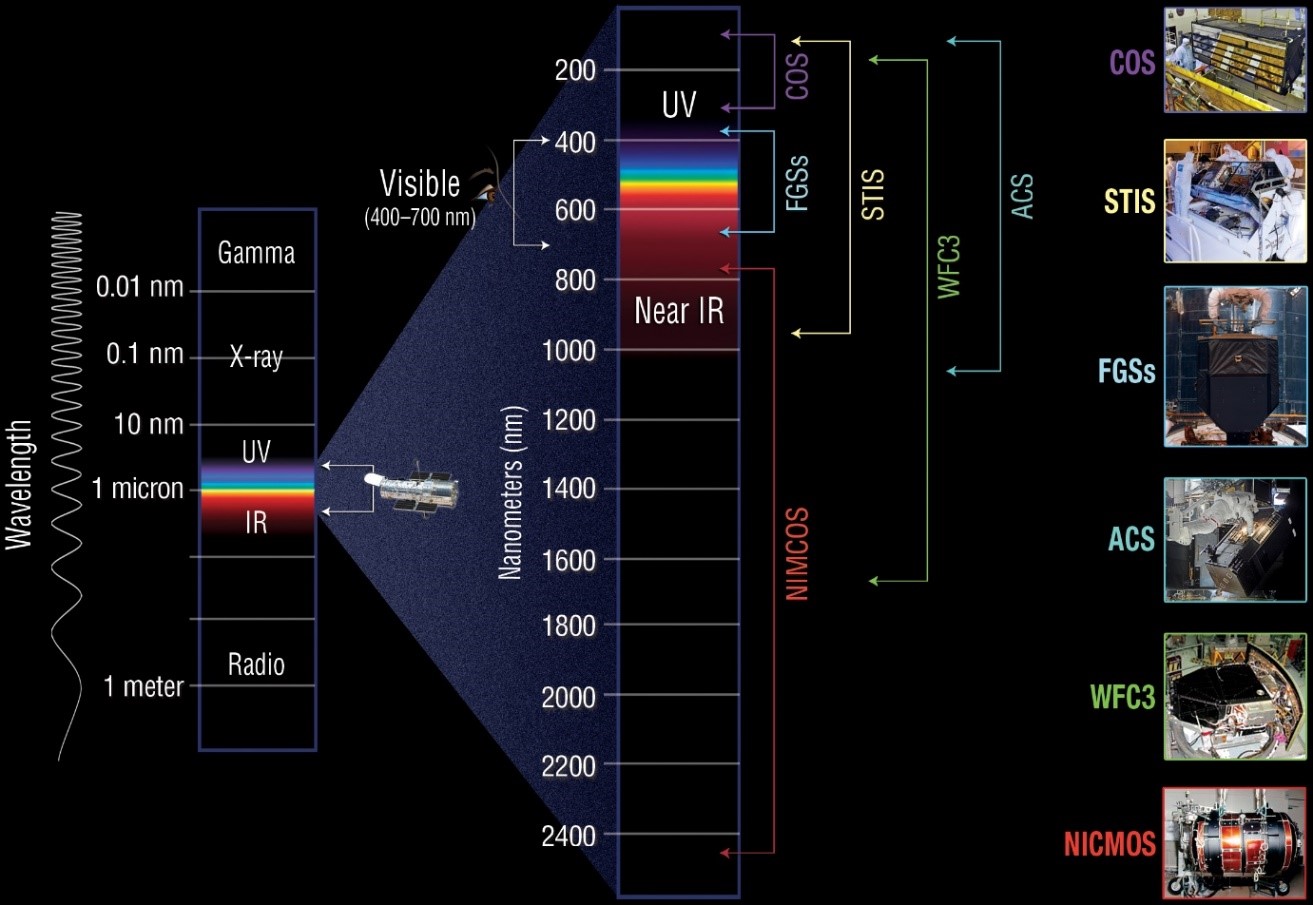
This article describes different kinds of light and how we study it with telescopes like Hubble. Astronomers use light and the different wavelengths or colors at which it radiates to uncover the mysteries of the universe. Each point, or pixel, in an astronomical image may represent temperature, a wavelength of light, or the intensity of the signal. Each color brings into view an otherwise invisible universe.