












Habitable Hunt: A ‘Pi in the Sky’ Math Challenge

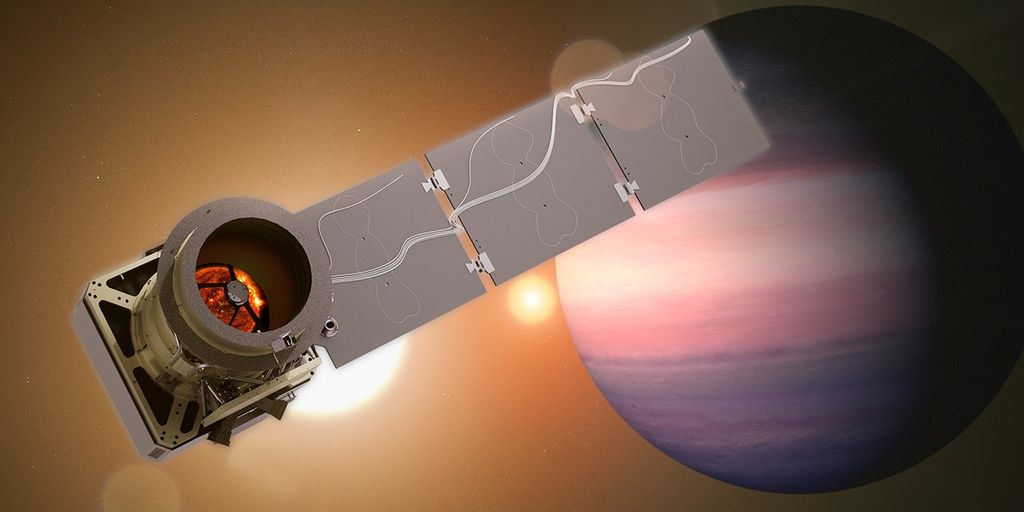
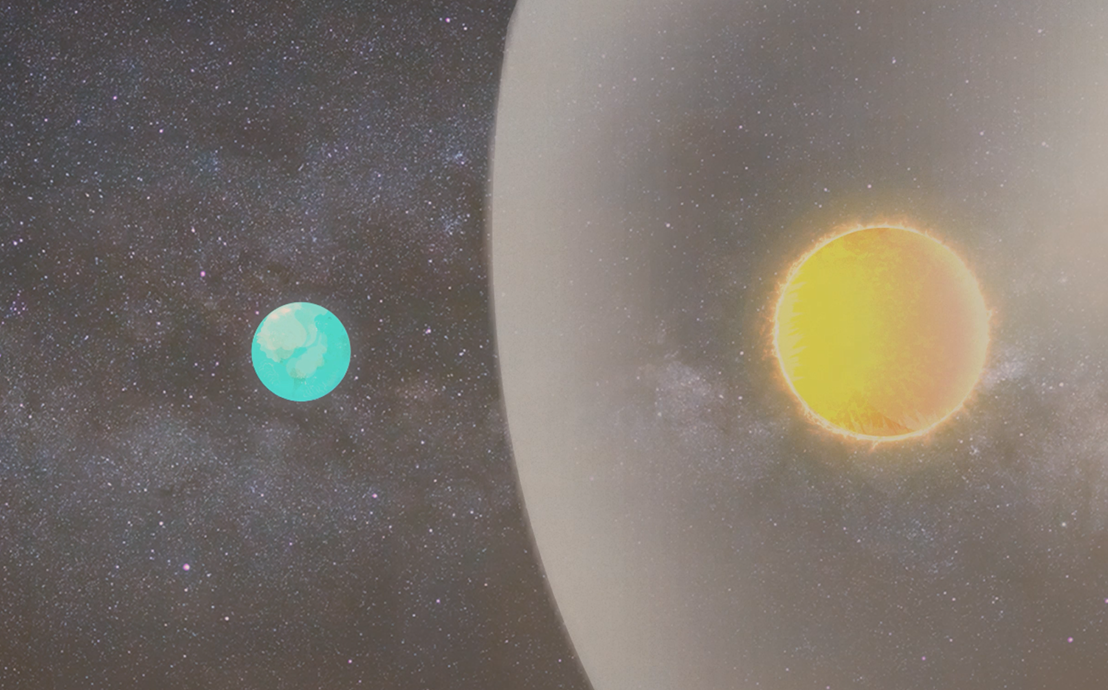
The TRAPPIST-1 system contains a total of seven planets, all around the size of Earth. Three of them — TRAPPIST-1e, f and g — dwell in their star's so-called "habitable zone." The habitable zone, or Goldilocks zone, is a band around every star (shown here in green) where astronomers have calculated that temperatures are just right — not too hot, not too cold — for liquid water to pool on the surface of an Earth-like world.
| Levels |
|
|---|---|
| Material Type |
|
| Heliophysics Big Ideas |
|
| NGSS |
|
| Heliophysics Topics |
|
| Material Cost per Learner | Free |
| Language | English |
In this problem, students use the mathematical constant pi to find the "habitable zone" around a distant star, TRAPPIST-1, and determine which of its planets are in that zone. This math challenge combines astronomy concepts with mathematical problem-solving, requiring students to apply pi calculations to real exoplanet research. Students work with authentic data from the TRAPPIST-1 system to understand how scientists determine potentially habitable worlds around other stars.