























SWERV: Introduction to Space Weather
| Material Type |
|
|---|---|
| Math Skills |
|
| Heliophysics Big Ideas |
|
| Heliophysics Topics |
|
| Heliophysics Missions |
|
| Material Cost per Learner | Free |
| Language | English |
NASA Space Weather Event Response & Vulnerability Introduction to Space Weather
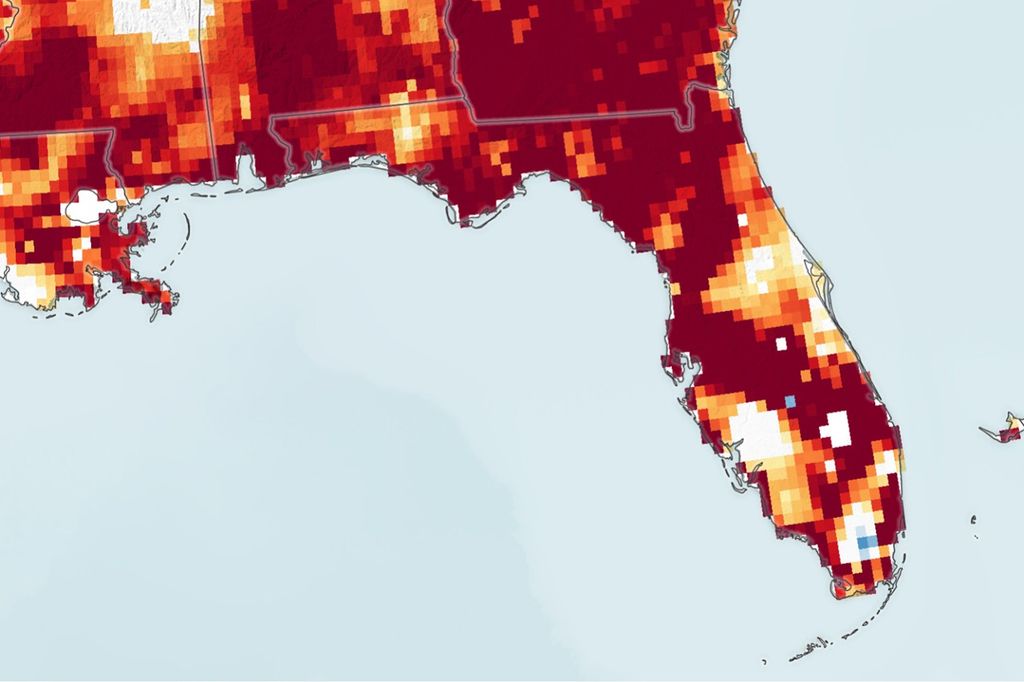
Imagine that you are an American farmer on May 10th, 2024...
The skies are clear, and you are preparing to plant your crops using a GPS operated planter. You suddenly notice that your GPS system is not working properly for all your machines, and you do not have the ability to plant your crops properly without them. You can no longer work today. But it’s a beautiful day…why is this happening?
This was the reality for farmers across America on May 10th, 2024, and it resulted in an estimated $500 million loss. What was the cause? Space weather.
A geomagnetic storm knocked out the GPS guidance systems on American farming equipment in May 2024. Even more severe impacts were possible, but the knowledge or space weather events and impacts allowed industries to employ mitigation tactics to protect valuable infrastructure and assets.
This comprehensive presentation provides a broad overview of space weather, beginning with the above historical disaster to set the stage for understanding future impact. Educators and professionals may use this tool to explore the Sun's activity, the plasma it's composed of, and its life cycle, as well as how understanding these phenomena help other professionals define routes for mitigation. This resource was produced by M2M-SWAO and Melissa Kane.
Users can apply this resource by following the structured slide deck to deliver an engaging lecture or to support professional learning on solar cycles, magnetic fields, and space weather events.
Download PDF file below.