



























Dragonfly News
Dragonfly, the first-of-its-kind rotorcraft to explore another world, will fly to various locations on Saturn’s moon Titan and investigate the moon’s habitability.
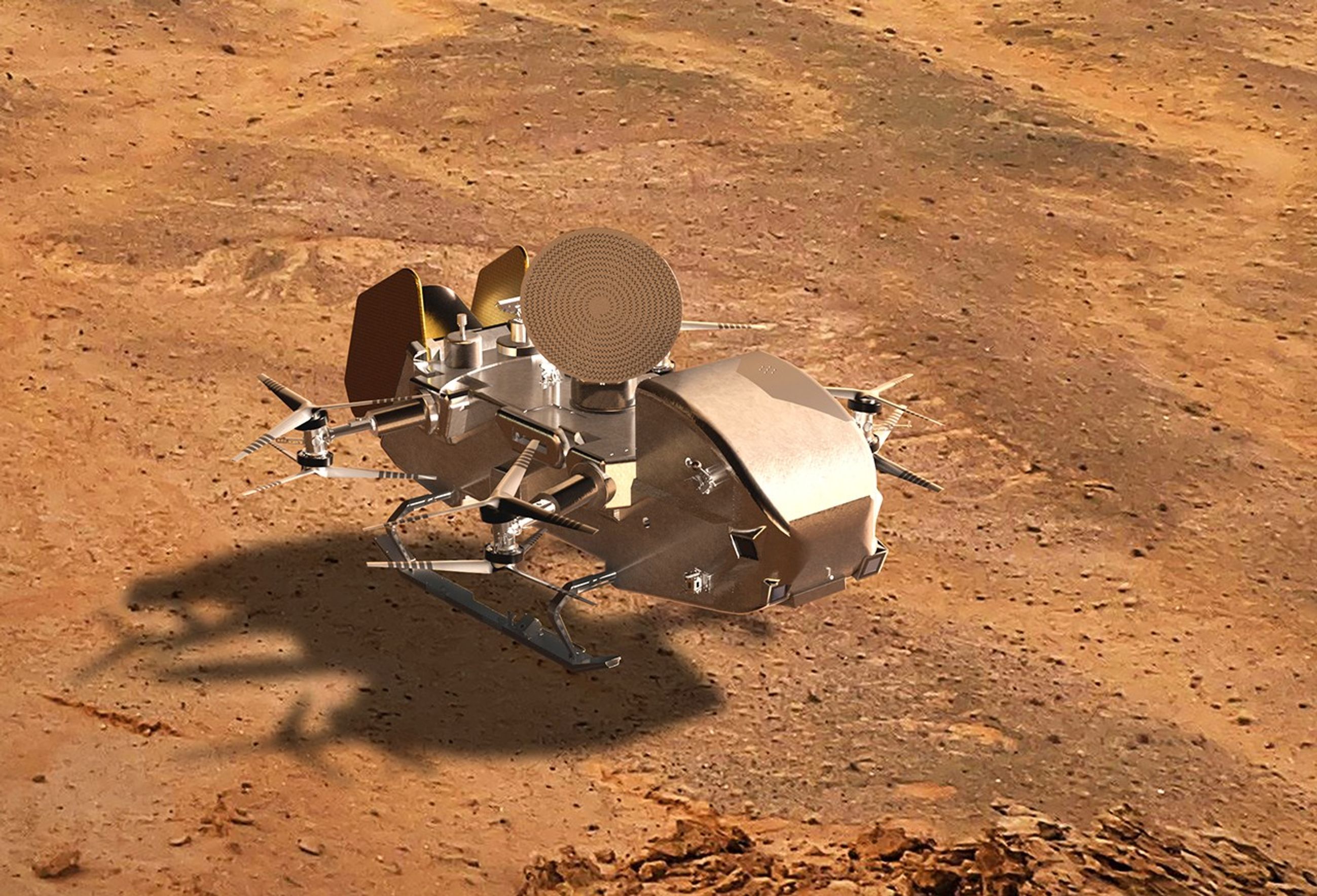
Read More About Dragonfly
Follow all the news about Dragonfly's extraordinary rotorcraft mission to Titan.

From terrestrial animals to experiments in microgravity and Martian clouds, this NASA program scientist’s career path links diverse challenges. Today, she supports a mission to Saturn’s moon Titan, a world teeming with organic molecules that could hold valuable clues about…
Peeking into the clean room at the Johns Hopkins Applied Physics Laboratory (APL) in Laurel, Maryland, it might be one of the first things you notice about NASA’s Dragonfly: the dozens of silver cables snaking around and through the structure…
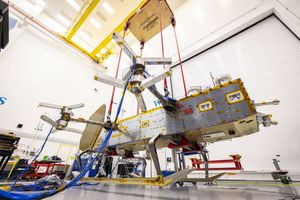
NASA’s Dragonfly is starting to look less like a collection of spacecraft parts and more like the rotorcraft that will fly across the surface of Titan, Saturn’s hazy moon. The mission reached a major milestone on June 29, when the…

In preparation for the journey to reach the surface of Saturn’s largest moon, Titan, the heat shield for NASA’s Dragonfly mission completed thermal-structural testing in the New Mexico desert. Dragonfly team members, including those from NASA’s Ames Research Center in…
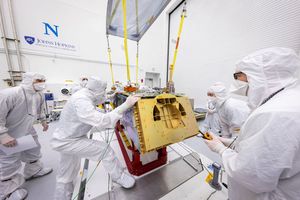
NASA’s Dragonfly rotorcraft is beginning to take shape – literally – with the delivery of the panels that make up the rotorcraft lander’s body. Built from ultra‑lightweight honeycomb panels designed at the Johns Hopkins Applied Physics Laboratory (APL) in Laurel,…

NASA Dragonfly’s integration and testing – the activities involved in assembling the mission’s rotorcraft lander and testing it for the rigors of launch and extreme conditions of space – is officially underway in clean rooms and control rooms at the…
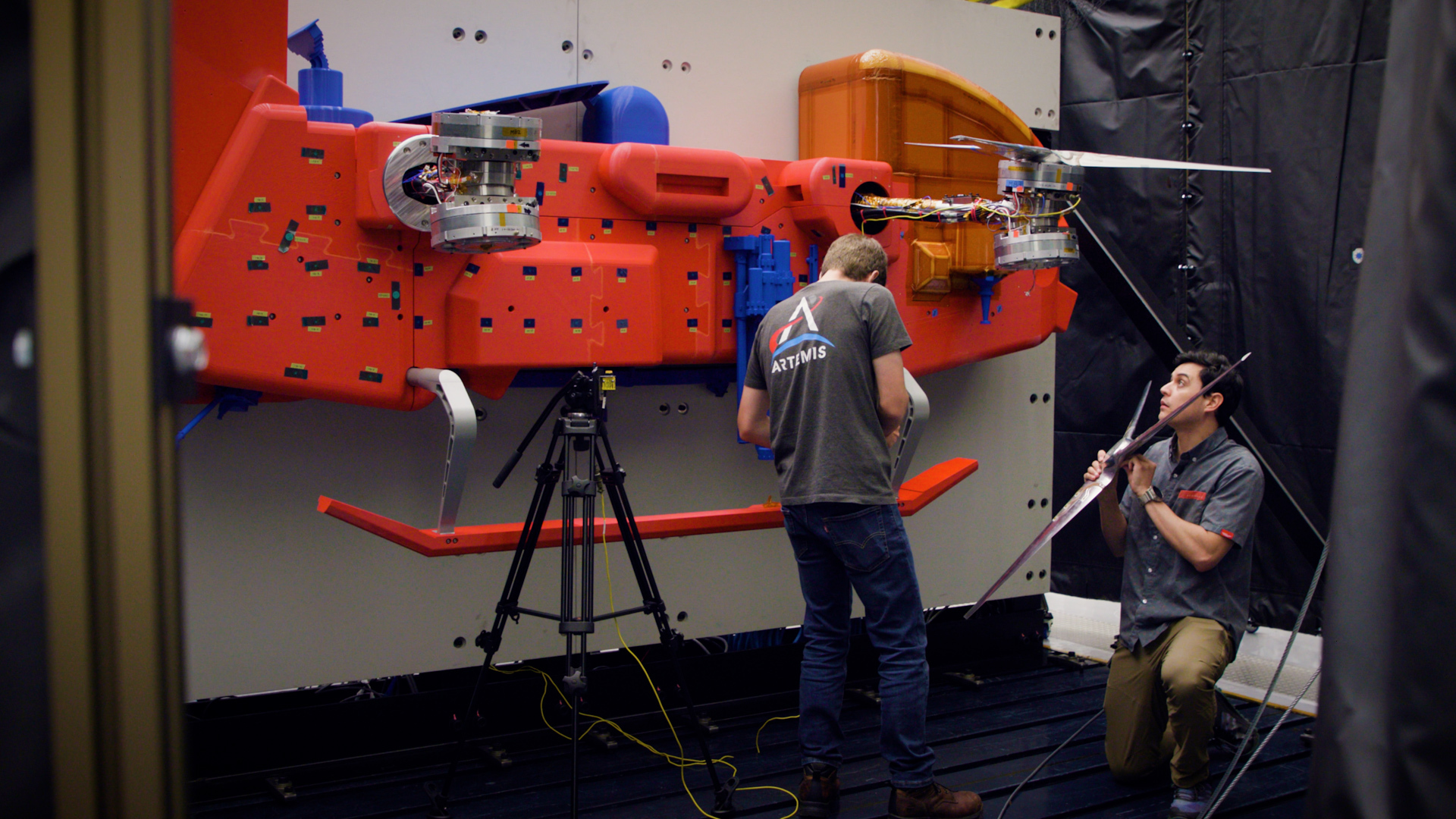
In sending a car-sized rotorcraft to explore Saturn’s moon Titan, NASA’s Dragonfly mission will undertake an unprecedented voyage of scientific discovery. And the work to ensure that this first-of-its-kind project can fulfill its ambitious exploration vision is underway in some…

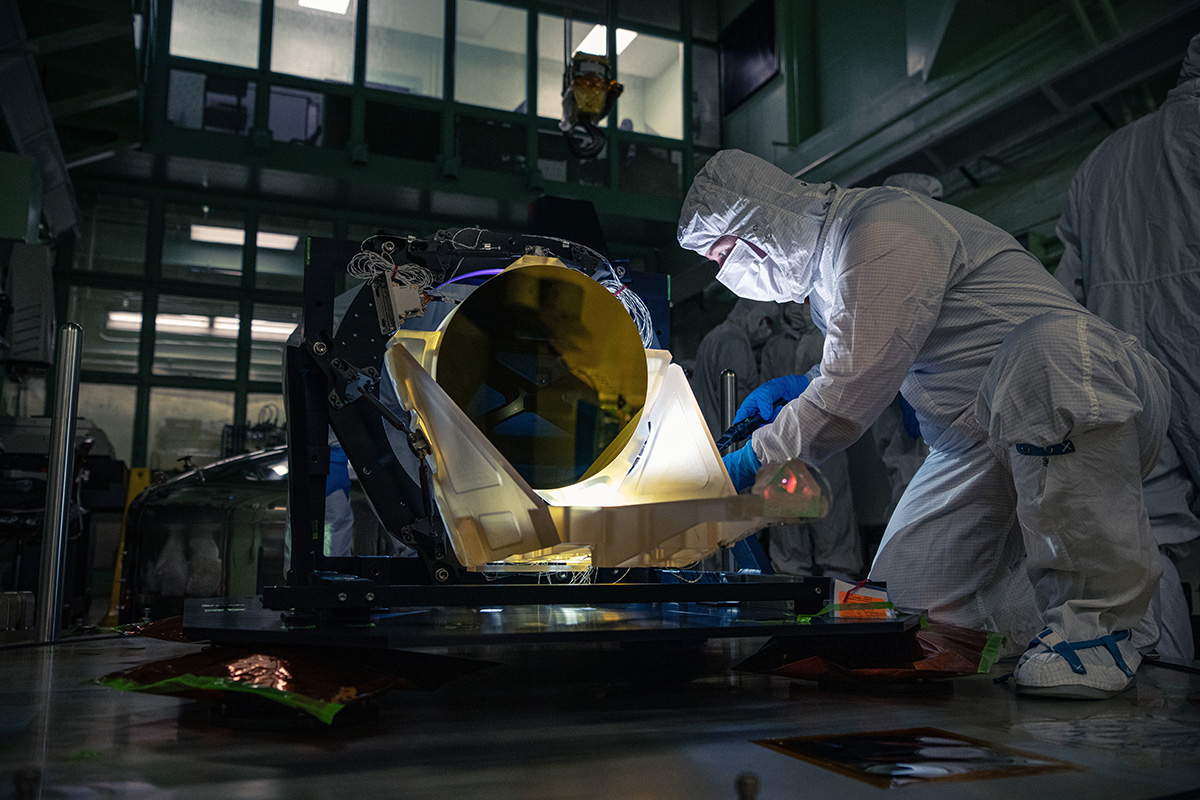
A key discovery from NASA’s Cassini mission in 2008 was that Saturn’s largest moon Titan may have a vast water ocean below its hydrocarbon-rich surface. But reanalysis of mission data suggests a more complicated picture: Titan’s interior is more likely…

NASA’s Dragonfly mission has cleared several key design, development and testing milestones and remains on track toward launch in July 2028. Dragonfly, a car-sized, nuclear-powered rotorcraft being designed and built for NASA at the Johns Hopkins Applied Physics Laboratory (APL)…
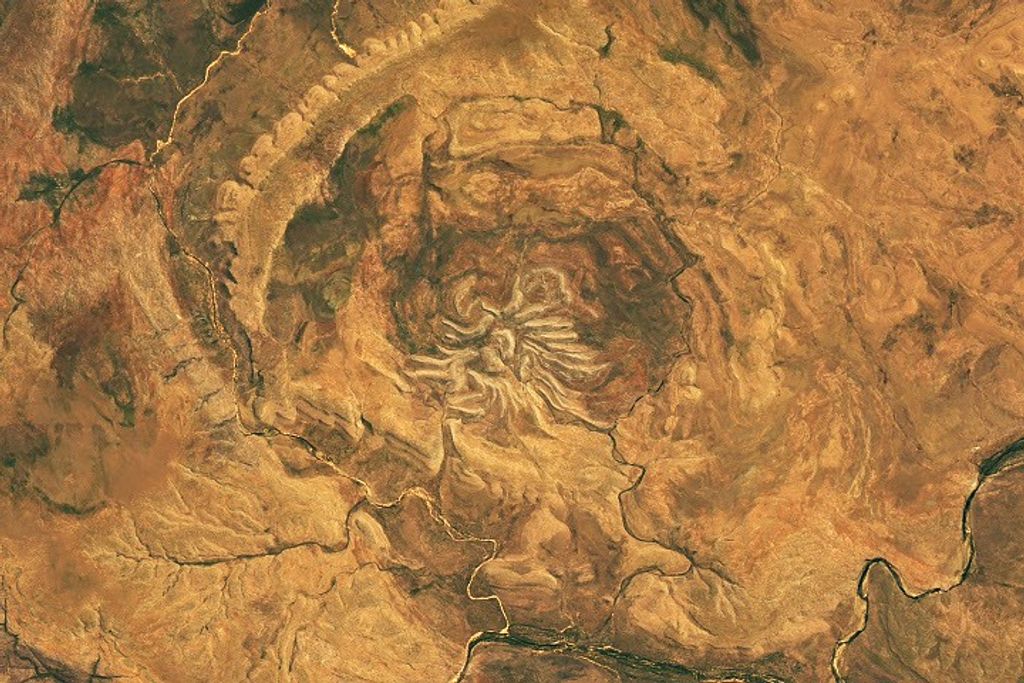
When it descends through the thick golden haze on Saturn’s moon Titan, NASA’s Dragonfly rotorcraft will find eerily familiar terrain. Dunes wrap around Titan’s equator. Clouds drift across its skies. Rain drizzles. Rivers flow, forming canyons, lakes and seas. But…