













Science Overview
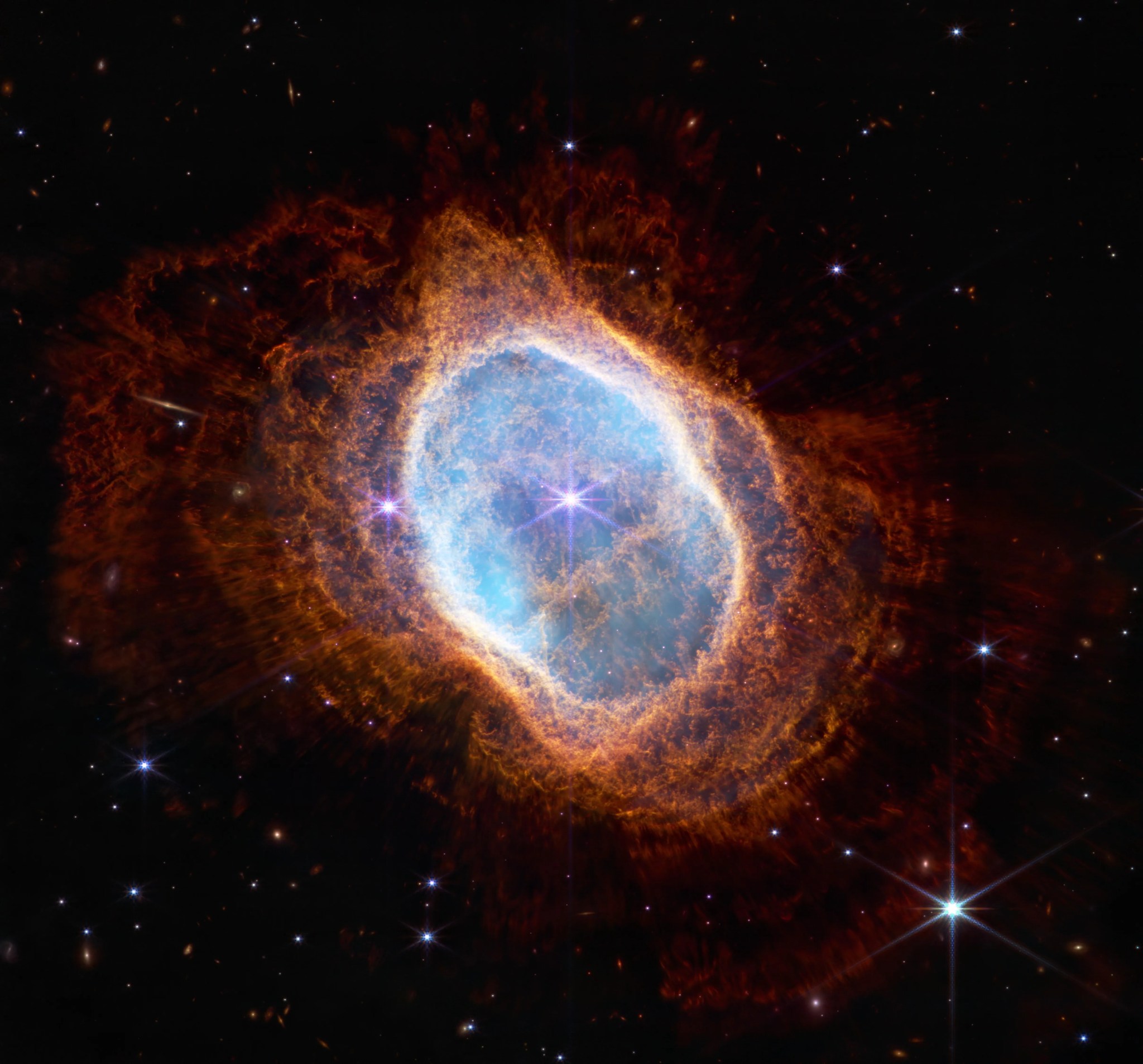
The James Webb Space Telescope is a giant leap forward in our quest to understand the Universe and our origins. Webb is examining every phase of cosmic history: from the first luminous glows after the Big Bang to the formation of galaxies, stars, and planets to the evolution of our own solar system. Webb’s infrared-detecting technology reveals the hidden universe to our eyes: stars shrouded in clouds of dust, water in the atmospheres of other worlds, and the first light from some of the earliest galaxies ever formed.
James Webb Space Telescope
Science Themes
Explore Webb's four primary science themes as well as view/filter/search Webb's NASA published research by science theme. Each Webb science theme detail page includes the theme's key questions, discoveries, detailed discussions, images and NASA published for the theme.
Early Universe
Webb is allowing astronomers to see, for the first time, the era in the early universe when the first stars and galaxies formed. Though other telescopes have seen further back, no telescope has ever had the infrared sensitivity or a large enough mirror to show us “Cosmic Dawn,” a period from approximately 50 million years to one billion years after the big bang.
Key Questions/Discoveries/Discussion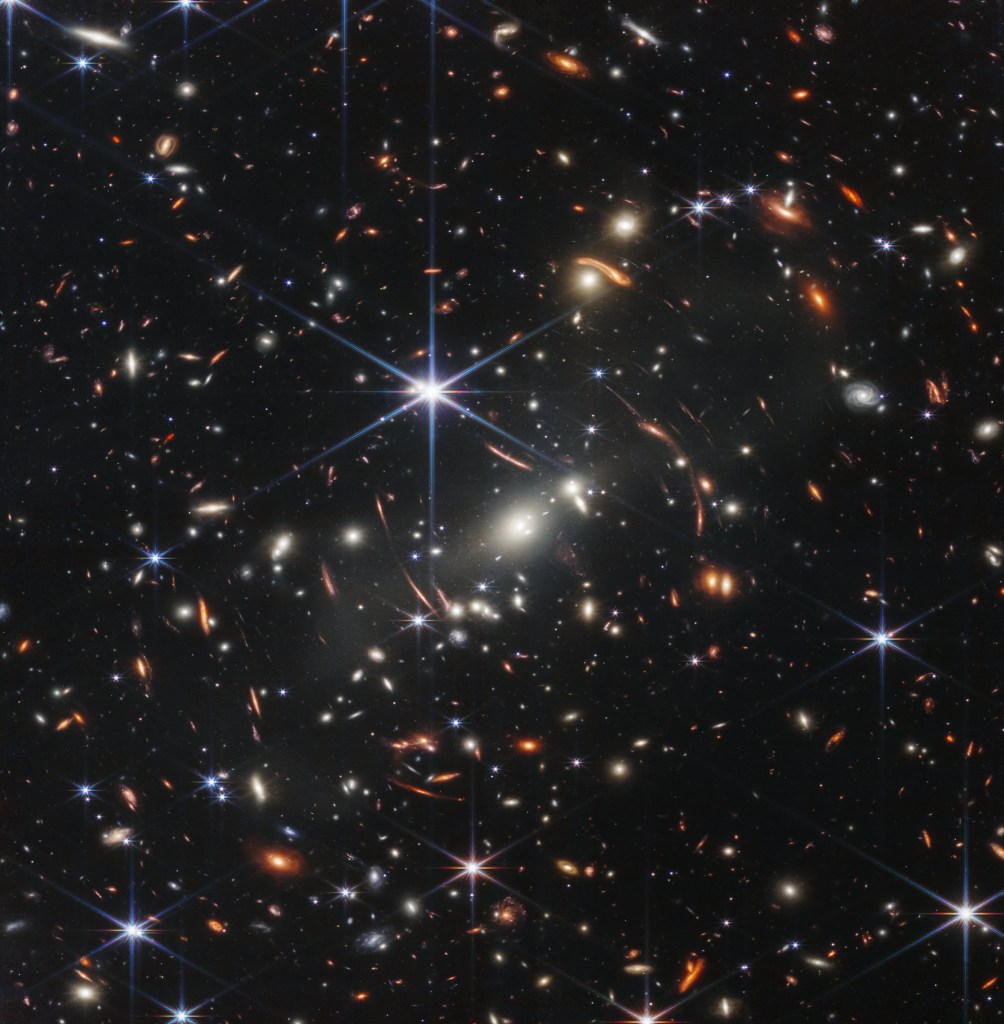
Galaxies Over Time
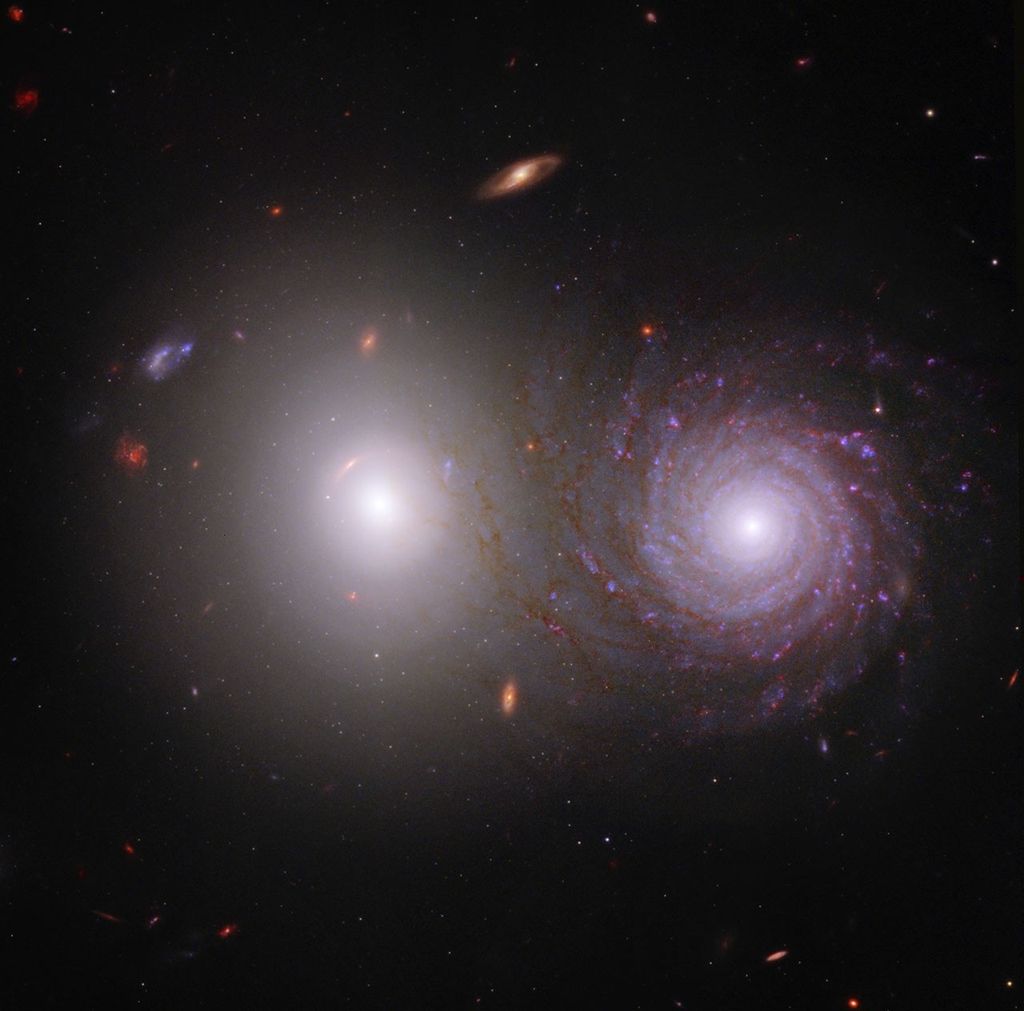
Webb can observe both early and modern galaxies, helping scientists to better understand their growth and evolution. This includes how galaxies came to have central supermassive black holes, what the stellar populations in early galaxies look like, how elements heavier than hydrogen formed, details about galaxy mergers, and the process of galaxy formation itself.
Key Questions/Discoveries/Discussion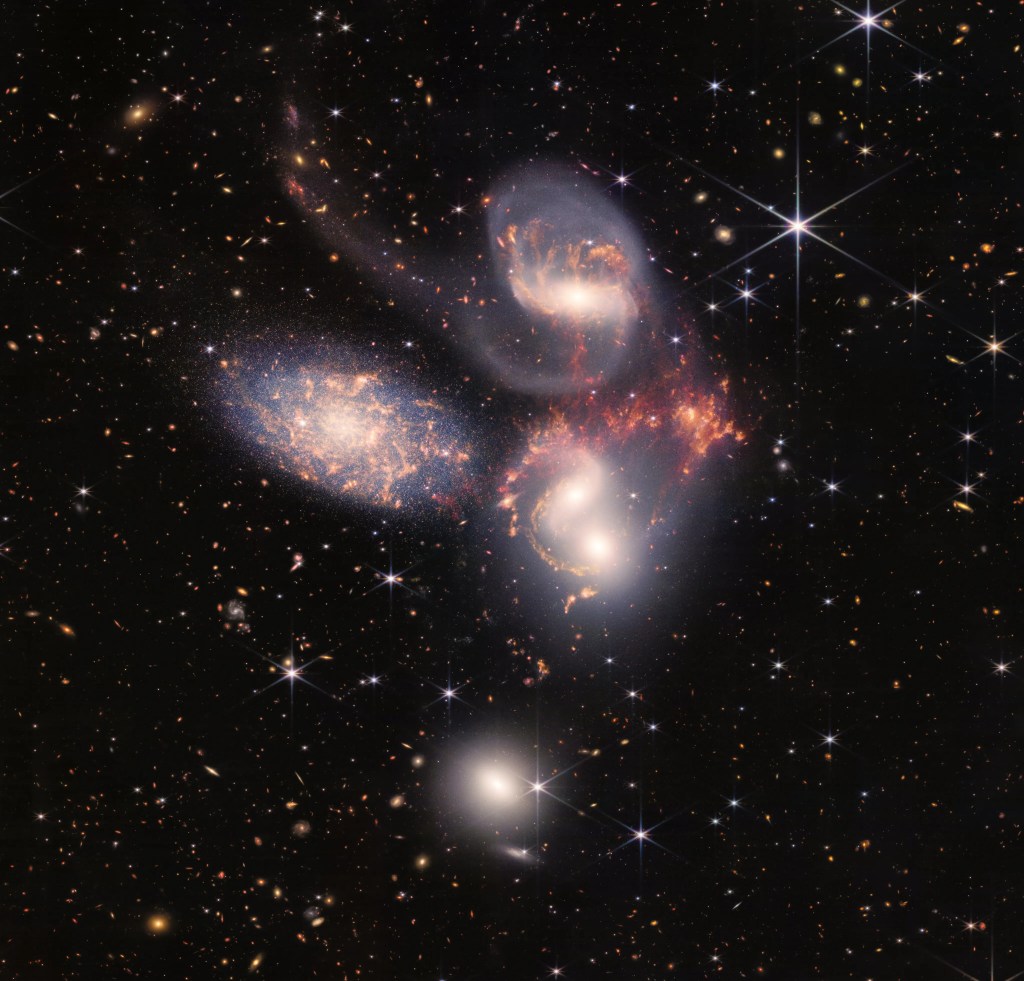
Star Lifecycle
Webb is advancing our understanding of the life cycles of stars, from star birth and planet formation to star death, wherein matter is released back into space, allowing new stars and planets to form from their remnants.
Key Questions/Discoveries/Discussion
Other Worlds
Webb has the capability to look at light from tiny and distant planets, orbiting other stars, and tell us what their atmospheres are made of, as well as what their climate and weather are like. Webb can also examine objects within our own solar system, giving us new insight into the physical and chemical properties of the smallest bodies to our gas giants. From gas giants to rocky planets, from lava worlds to those with skies of silica “snow,” from interstellar comets visiting the solar system to the motion of aurora on Uranus, Webb is producing a rich variety of data on planetary systems and helping scientists investigate the potential for life beyond Earth.
Key Questions/Discoveries/Discussion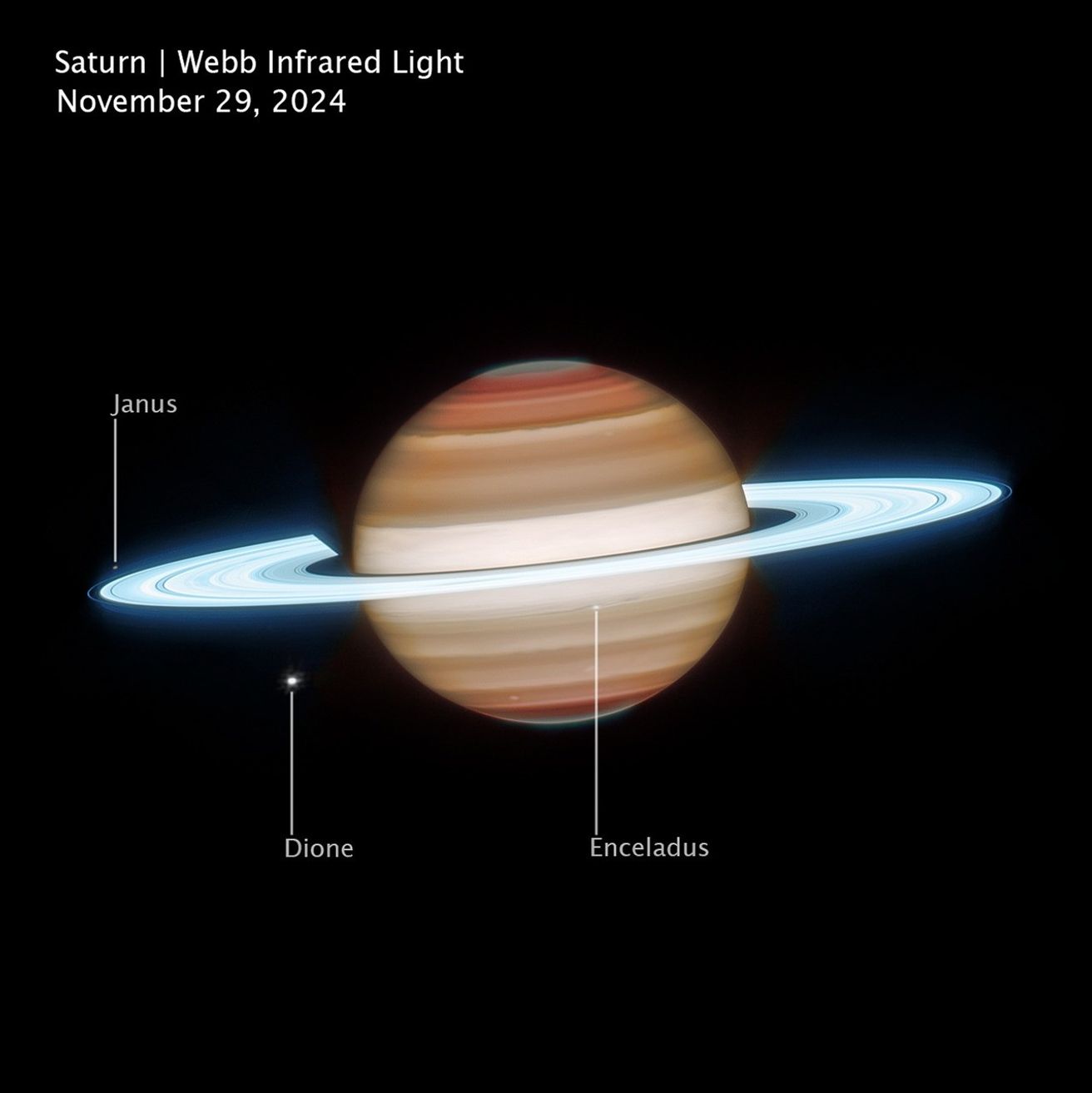
Explore Webb Research by Theme
NOTE: the feed below includes only Webb's Science Releases (peer reviewed science), Webb Science Release associated images/videos and Webb Science Blogs (early release science). These items can be further filtered by Webb's four primary science themes. Visit our News page for Webb's full news feed (including Webb press releases and Webb articles authored by other NASA organizations.)
Filter, Search and Sort Notes: Initial filtered results displayed below show articles that match all of the filters listed for all dates. Once one or more article type filters checked (Images, Science Blogs, Science Releases, Videos), only articles that match the checked filters (logical ORd) are displayed within the date range if selected. When a Webb-Theme is selected, that filters a subset of the article types selected. The "Search Latest Content" box searches for the terms entered within the subset of filtered articles. You can also sort the results by date in descending (newest first) or ascending (oldest first).
Filters
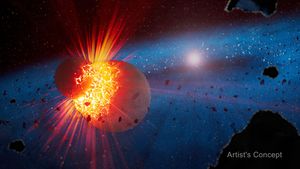
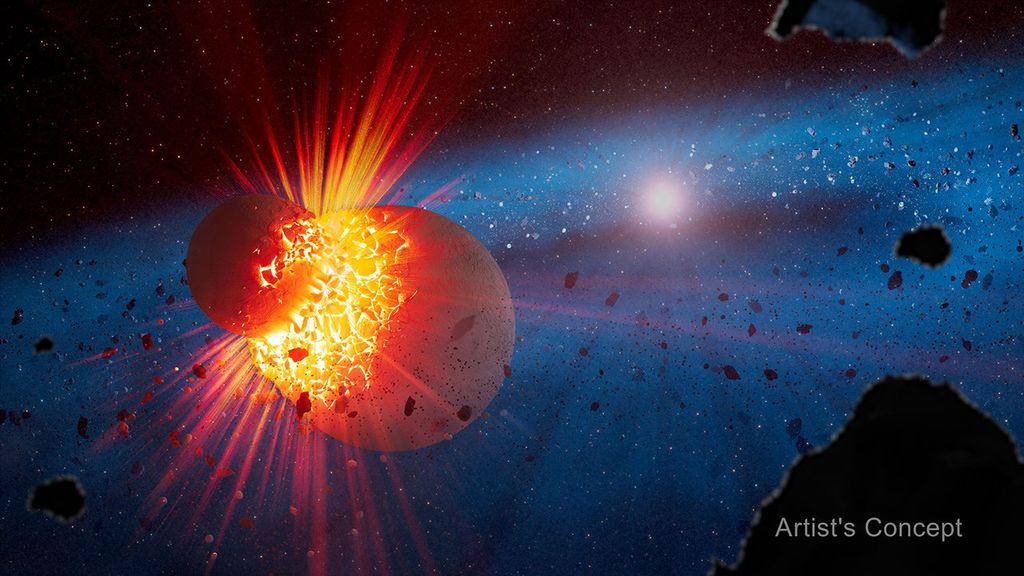
In the early history of our solar system, scientists theorize that a Mars-sized object called Theia smashed into the infant…
The types of collisions within young stellar systems known as extreme debris disks are relevant to scientists’ understanding of our…
By investigating the compositions of extreme debris disks, scientists inferred that silica-rich disks are produced by high-energy impacts of Mars-sized…
Download and print a mini poster featuring an image of the galaxy Centaurus A captured in 2026 by NASA's James…
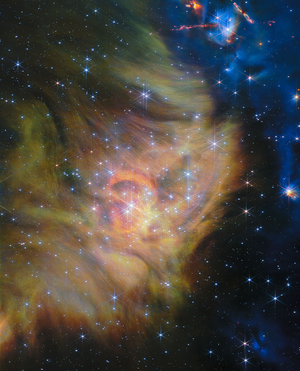
This starry view of the nearby star-forming region IC 348 is one of the largest images released to date from…
NASA’s James Webb Space Telescope recently observed IC 348, a star-forming region just 1,000 light-years away from Earth. Webb’s sharp…

This collage features a collection of insets from NASA’s James Webb Space Telescope’s image of star-forming region IC 348: embedded…
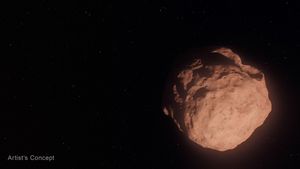
For the first time, scientists used the joint power of NASA’s Hubble and James Webb Space Telescopes to study some…
This artist’s concept depicts a Trans-Neptunian Object, a small, faint, icy body orbiting the Sun beyond the orbit of Neptune.…
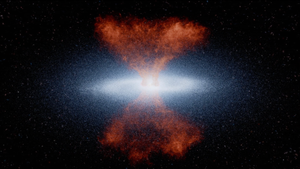
While our Sun was born almost five billion years ago, there are brand new stars forming today. Within our Milky…
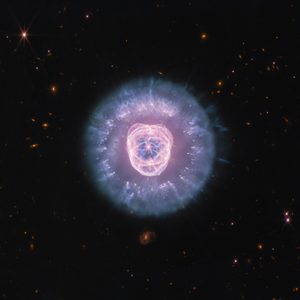
Observing across the starry “plains” of space, NASA’s James Webb Space Telescope has taken new images of NGC 2392, nicknamed…
NASA’s James Webb Space Telescope imaged the planetary nebula NGC 2392, the Lion Nebula, using the observatory’s NIRCam and MIRI…
Webb's Science Goals Briefing
This video captures a briefing about Webb's science goals. It occured ~30 days before Webb's launch.