




















Ocean Physics at NASA
NASA's Ocean Physics program directs multiple competitively-selected NASA Science Teams that study the physics of the Ocean.
About Ocean Physics
The ocean plays a fundamental role in the Earth’s system. It shapes our planet’s climate and weather by absorbing, storing, and transporting large quantities of heat, water, moisture, and carbon dioxide. NASA’s Ocean Physics program enables research that advances our understanding of the ocean’s role in climate. Our scientists utilize NASA satellite and sub-orbital data, climate models and data science to study ocean dynamics, sea level rise, hydrological cycle, and ocean interactions within the Earth system.
Apply to one of the current NASA research opportunities to join us as a NASA scientist.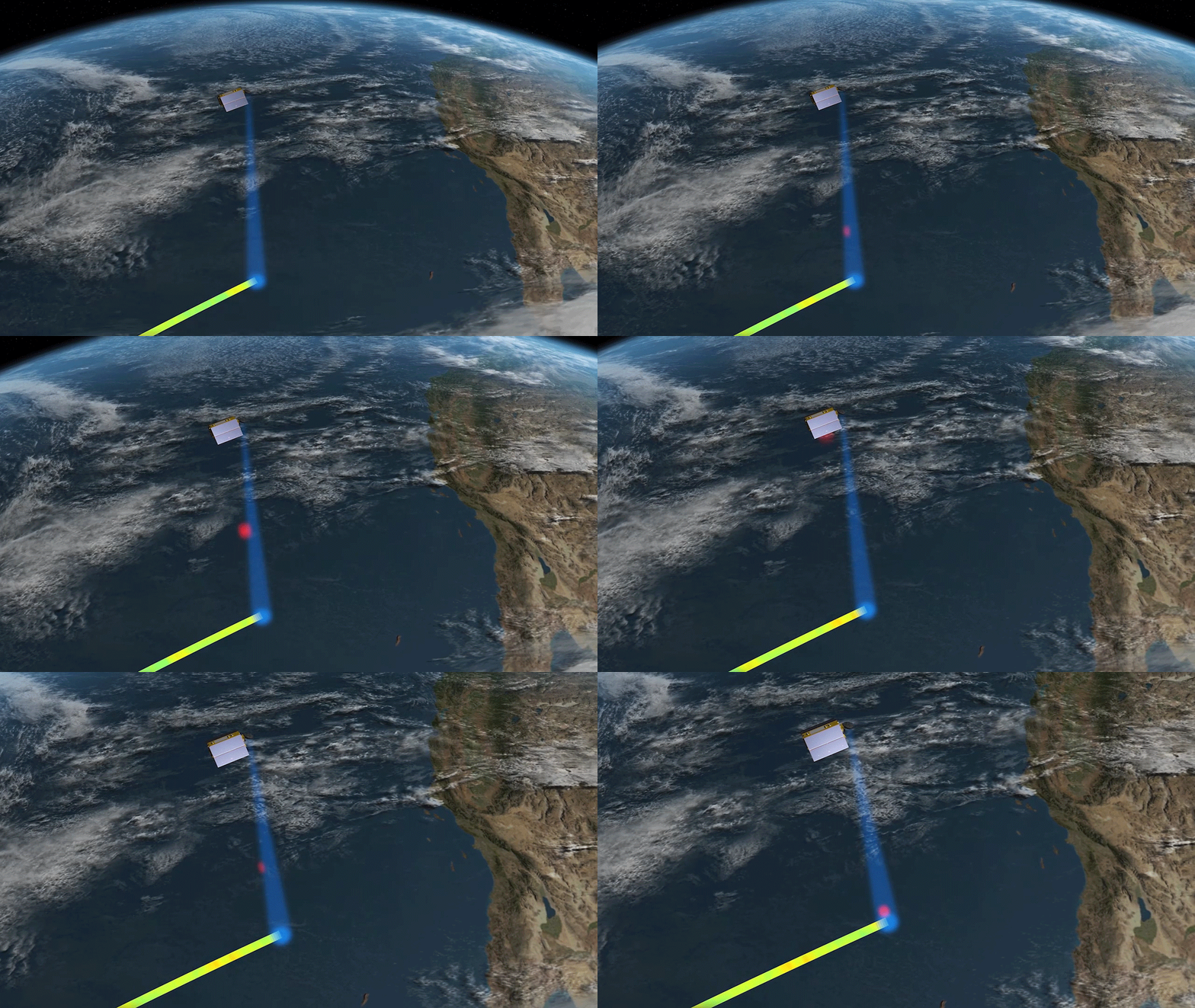
News
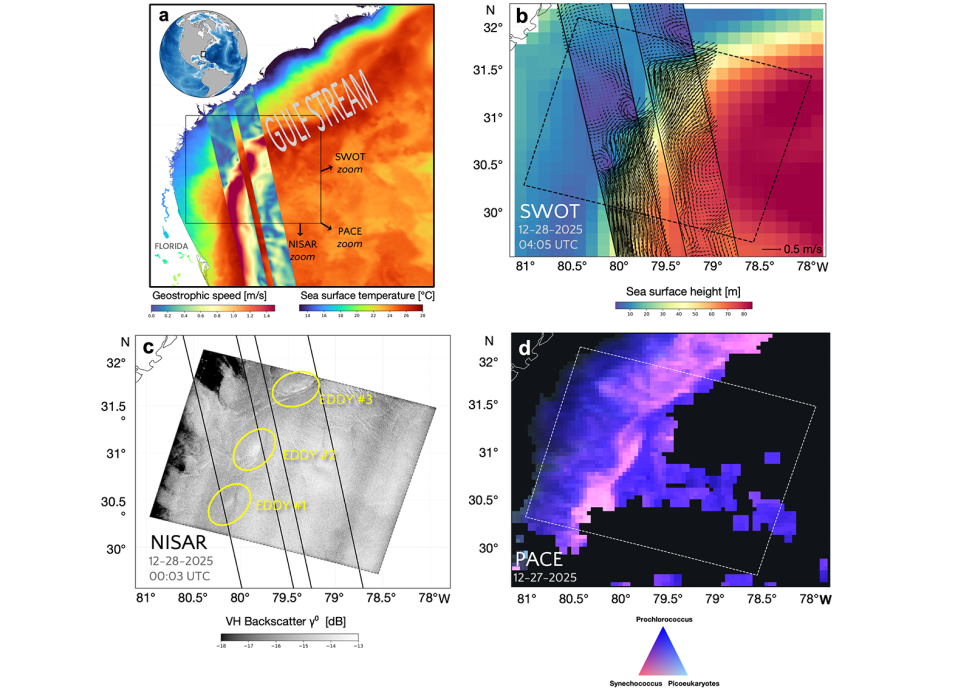
From Sea Surface to Sea Life: SWOT, PACE, and NISAR Watch Gulf Stream Frontal Eddies Together
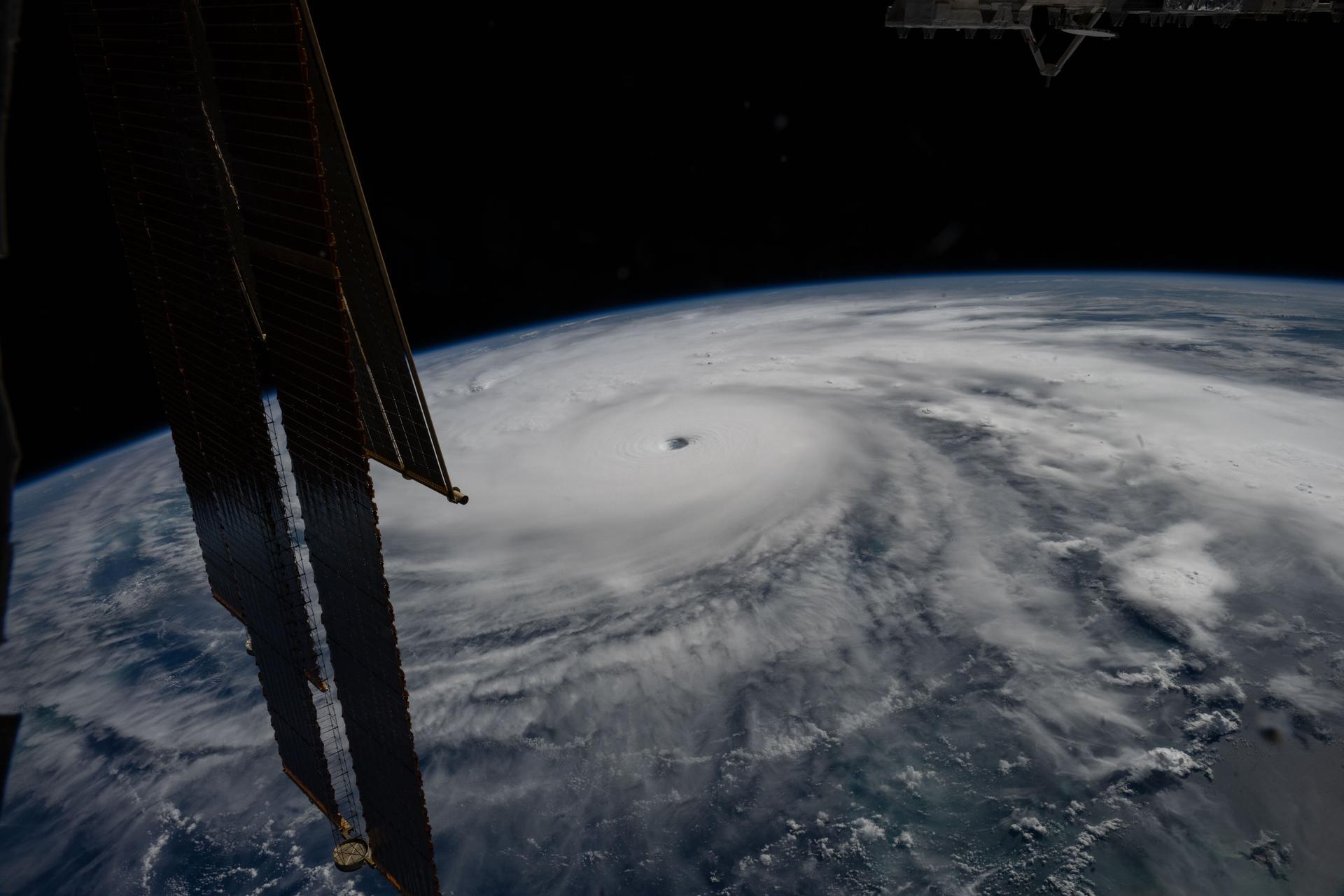
How 2 US, European Satellites Are Studying Hurricanes During El Niño
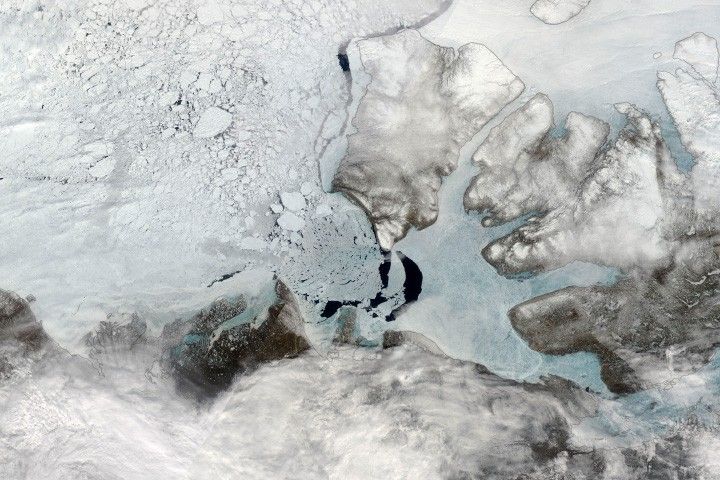
Why Sea Surface Salinity Matters for Arctic Sea Ice

NASA-developed AI Could Help Track Harmful Algae

NASA-European Sea Level Mission Homes in on El Niño
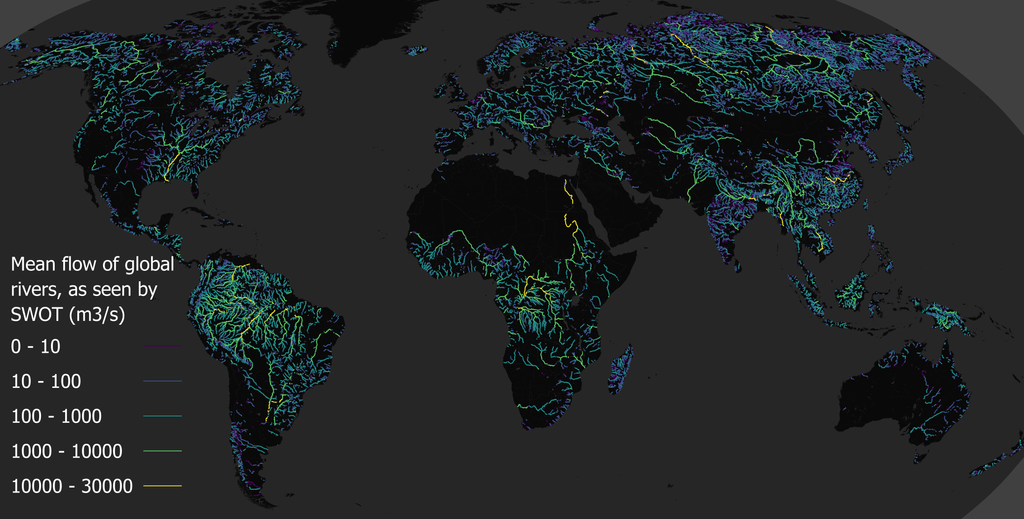
SWOT Mission Unlocks a New View of Our Waterways
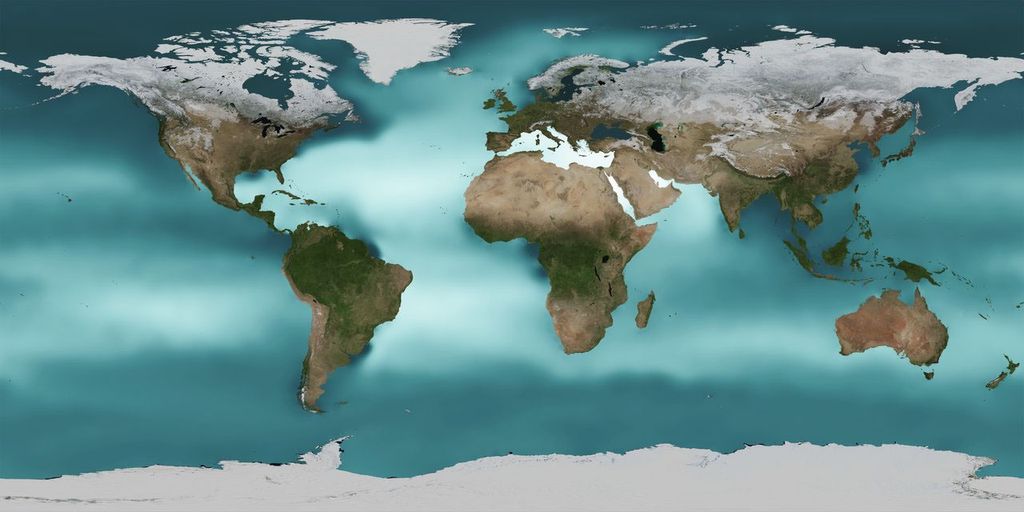
Why Sea Surface Salinity Matters for Arctic Sea Ice
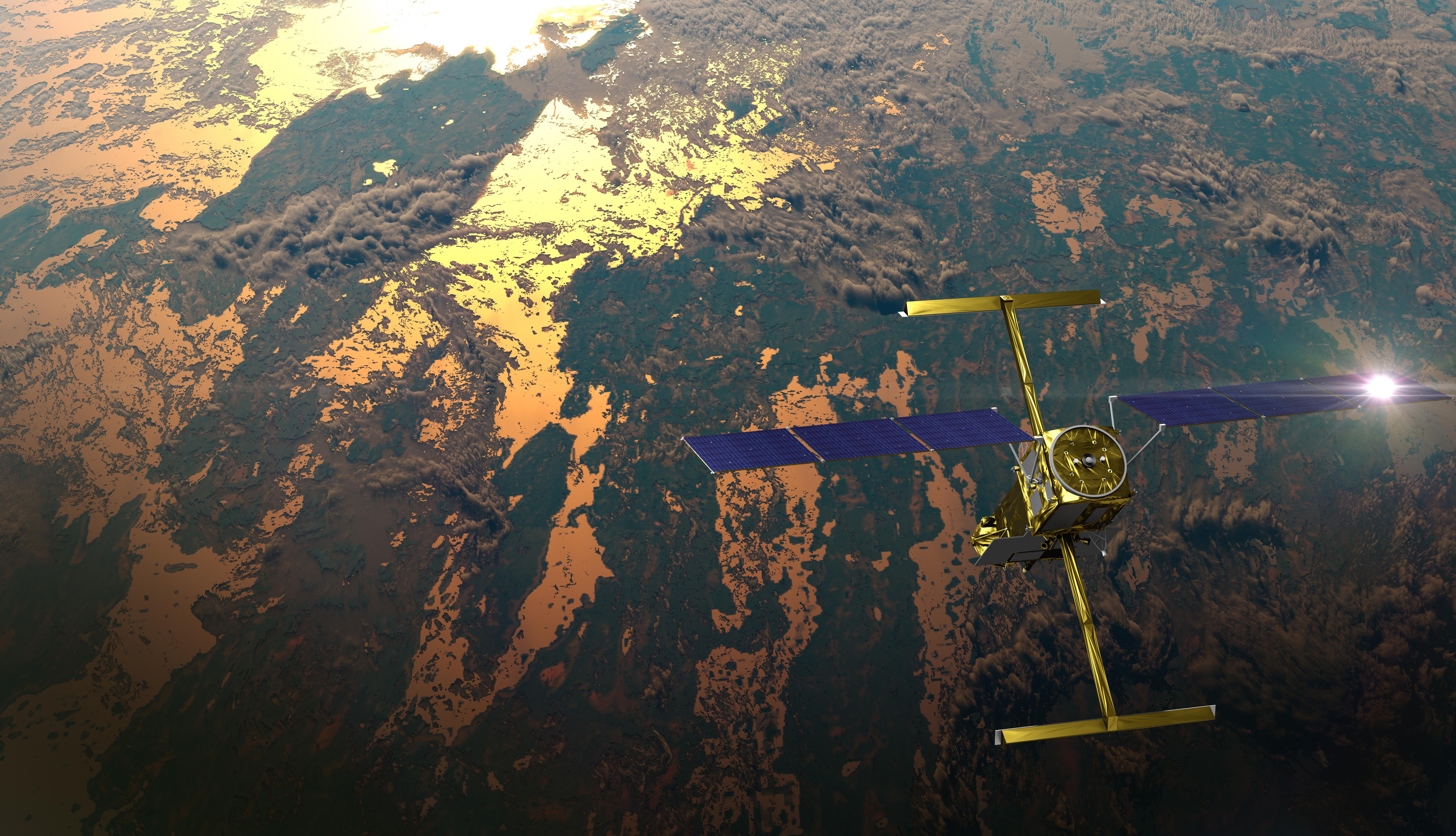
US-French Satellite Takes Stock of World’s River Water
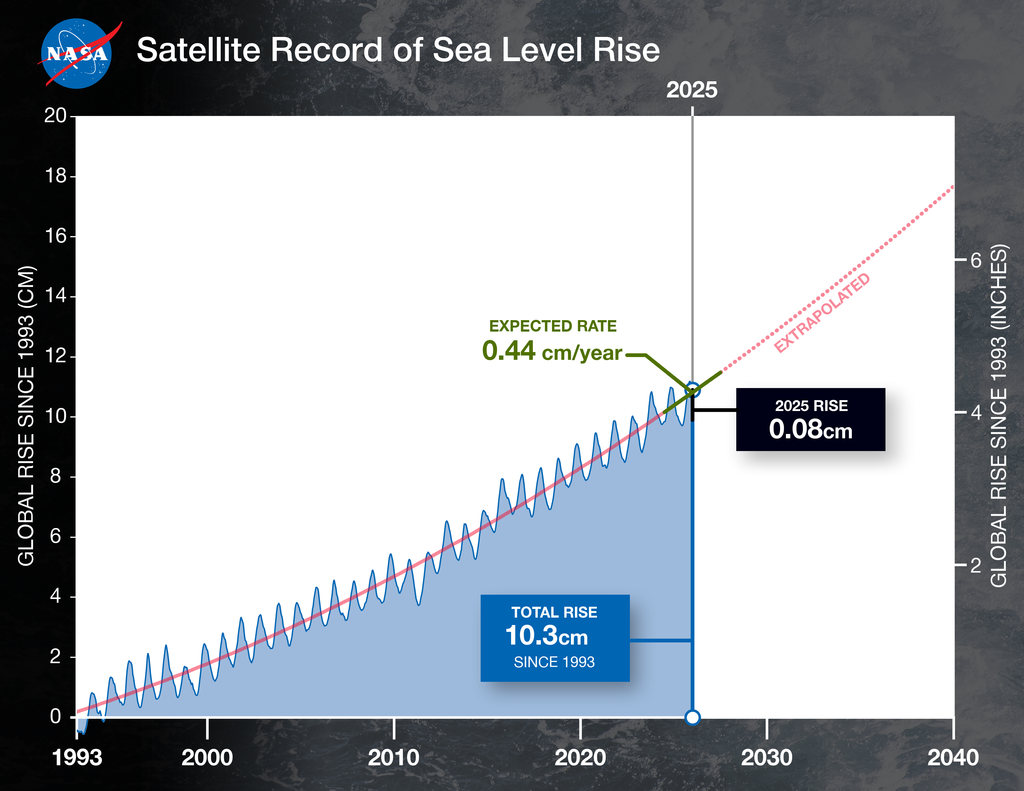
NASA Analysis Shows La Niña Limited Sea Level Rise in 2025
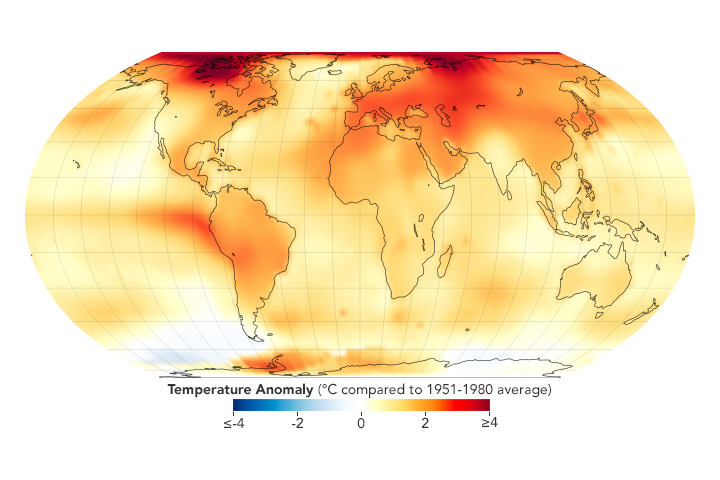
NASA Releases Global Temperature Data
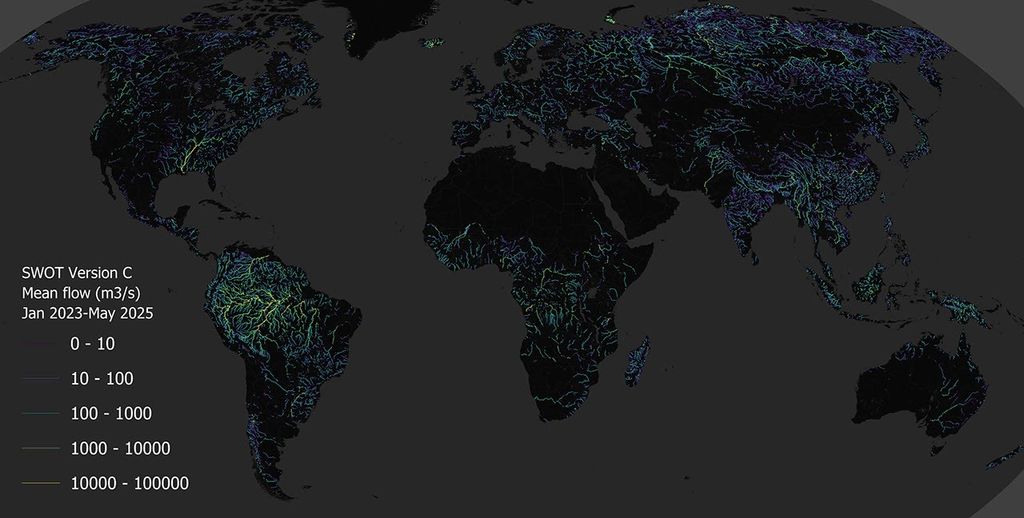
NASA-French SWOT Satellite Provides Global Estimate of River Discharge
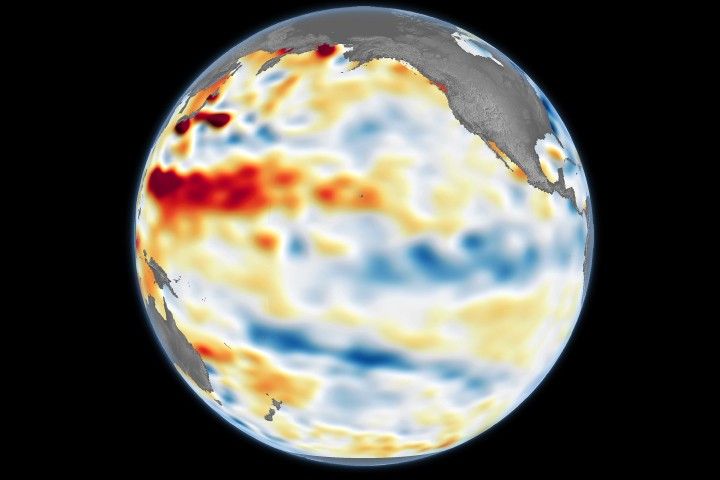
A Subtle Return of La Niña
Science and Research
NASA’s Ocean Physics program directs multiple competitively-selected NASA’s Science Teams that study the physics of the oceans. Below are details about each science team.
 Ocean Physics (OP) |  Sea Level Change (N-SLCT) |  Ocean Surface Topography (OSTST) | 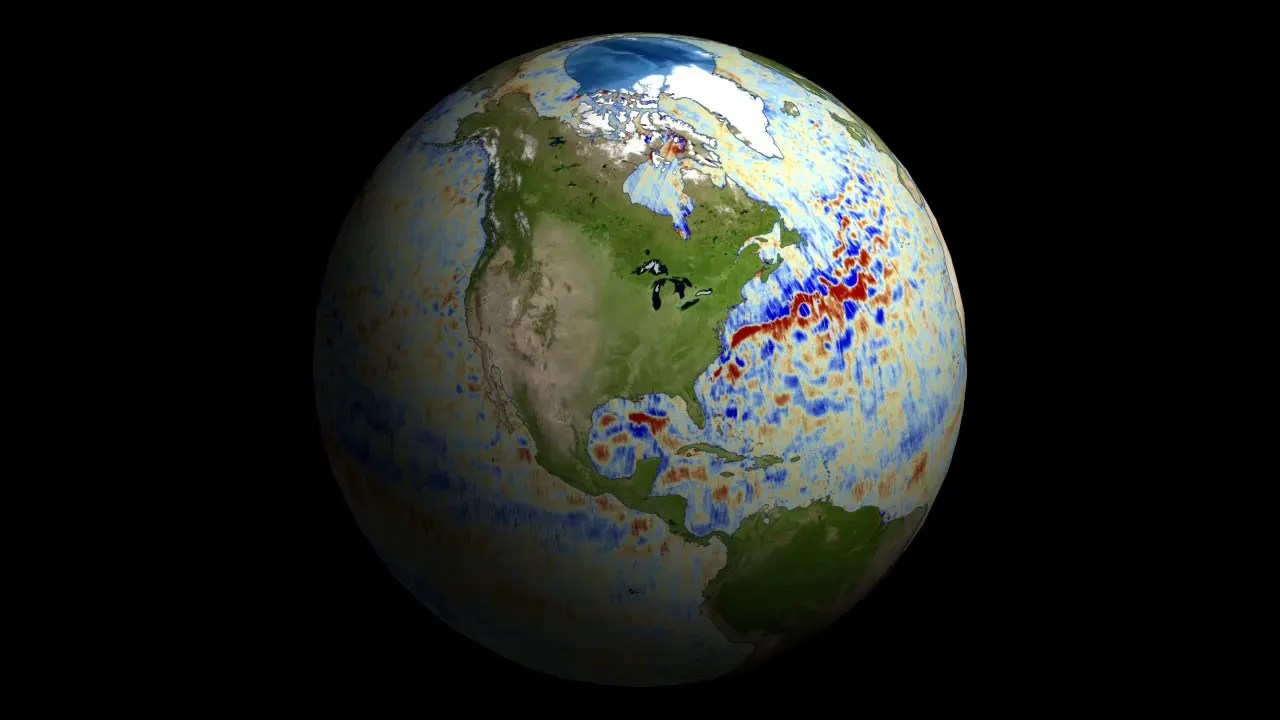 Surface Water and Ocean Topography (SWOT) |
 Ocean Surface Salinity (OSST) | 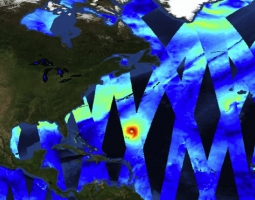 Ocean Vector Winds (OVWST) | 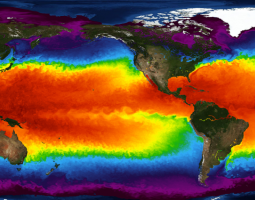 Sea Surface Temperature (SST) | 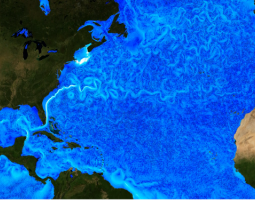 Estimating Circulation and Climate of the Ocean (ECCO) |
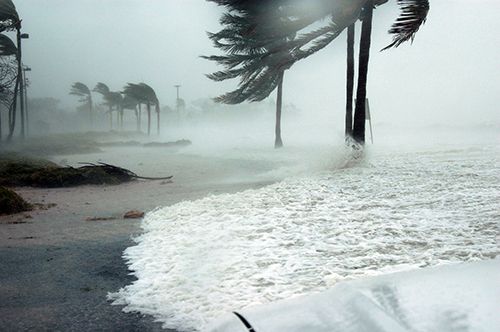 Coastal Resilience | 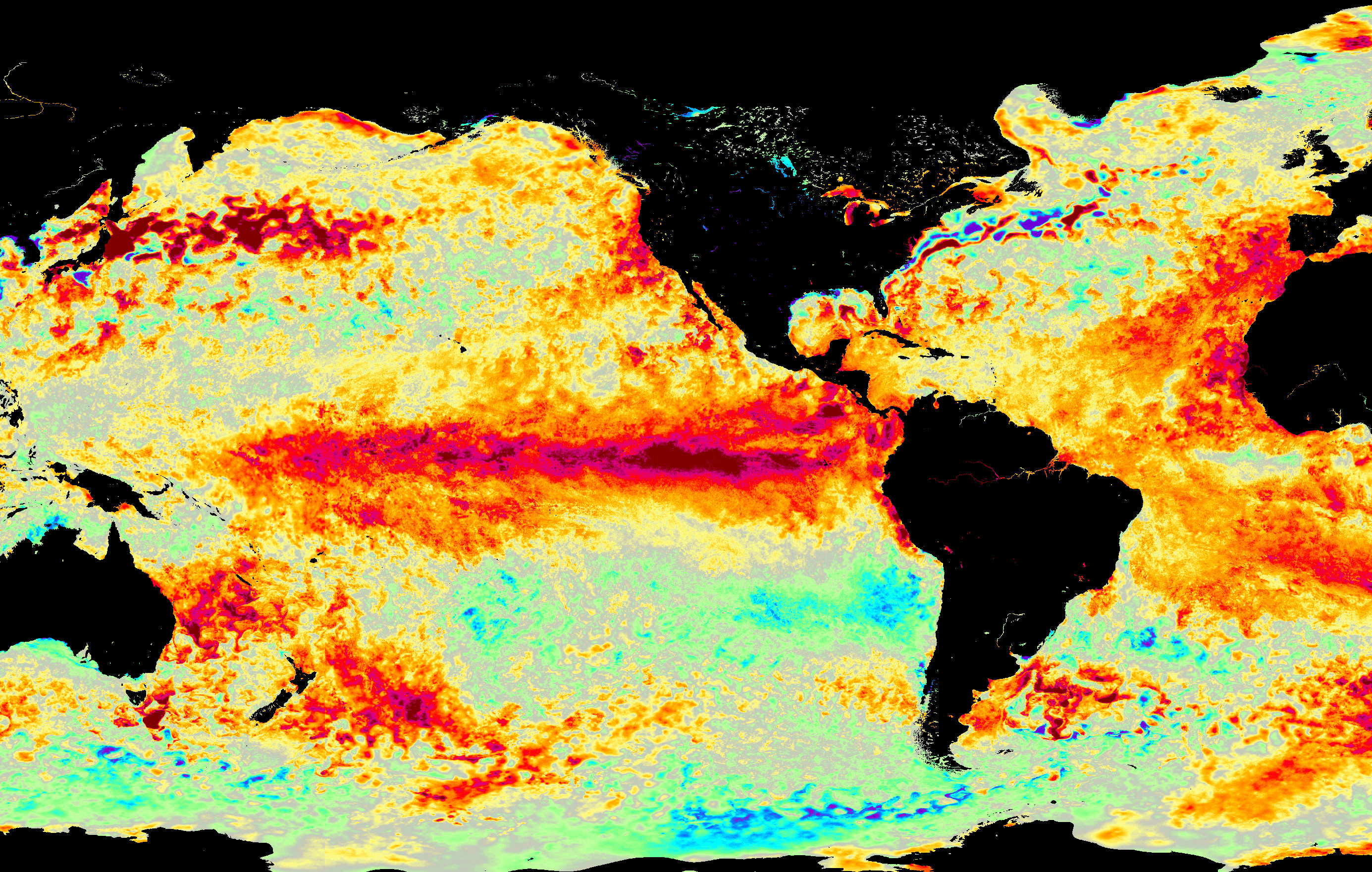 Ocean Heat and Earth Energy | 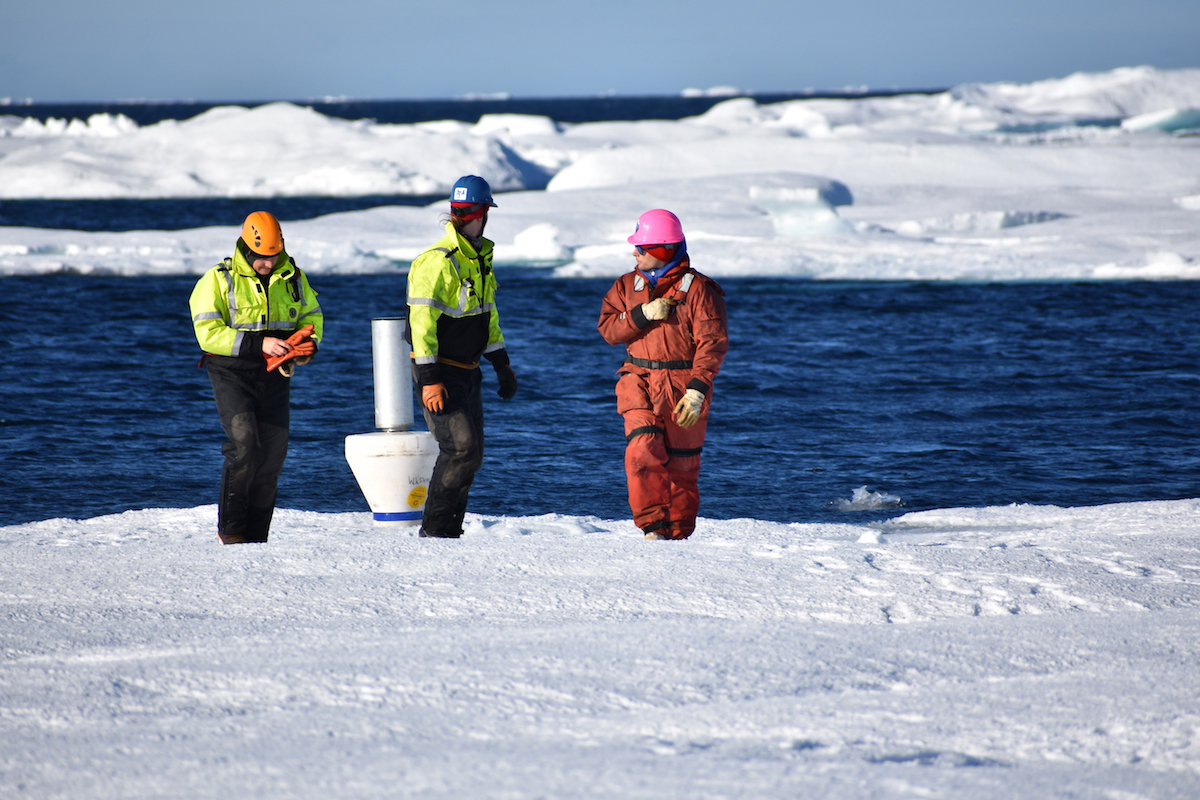 Salinity and Stratification at the Sea Ice Edge (SASSIE) | 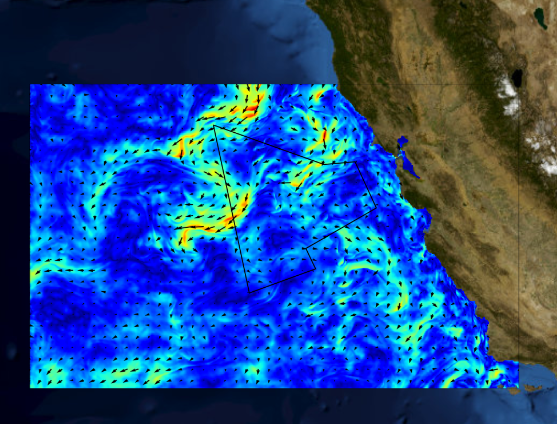 Sub-Mesoscale Ocean Dynamics Experiment (S-MODE) Sub-Mesoscale Ocean Dynamics Experiment (S-MODE) |
Missions
The Ocean Physics program currently provides scientific leadership for the following operational missions. Past and future missions (to be) lead by the Ocean Physics program are also highlighted separately.
Operational
Currently taking measurements
 Sentinel-6B 2025 | 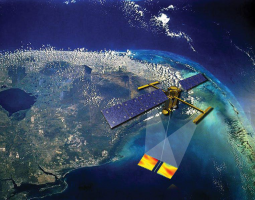 Surface Water and Ocean Topography (SWOT) 2022 | 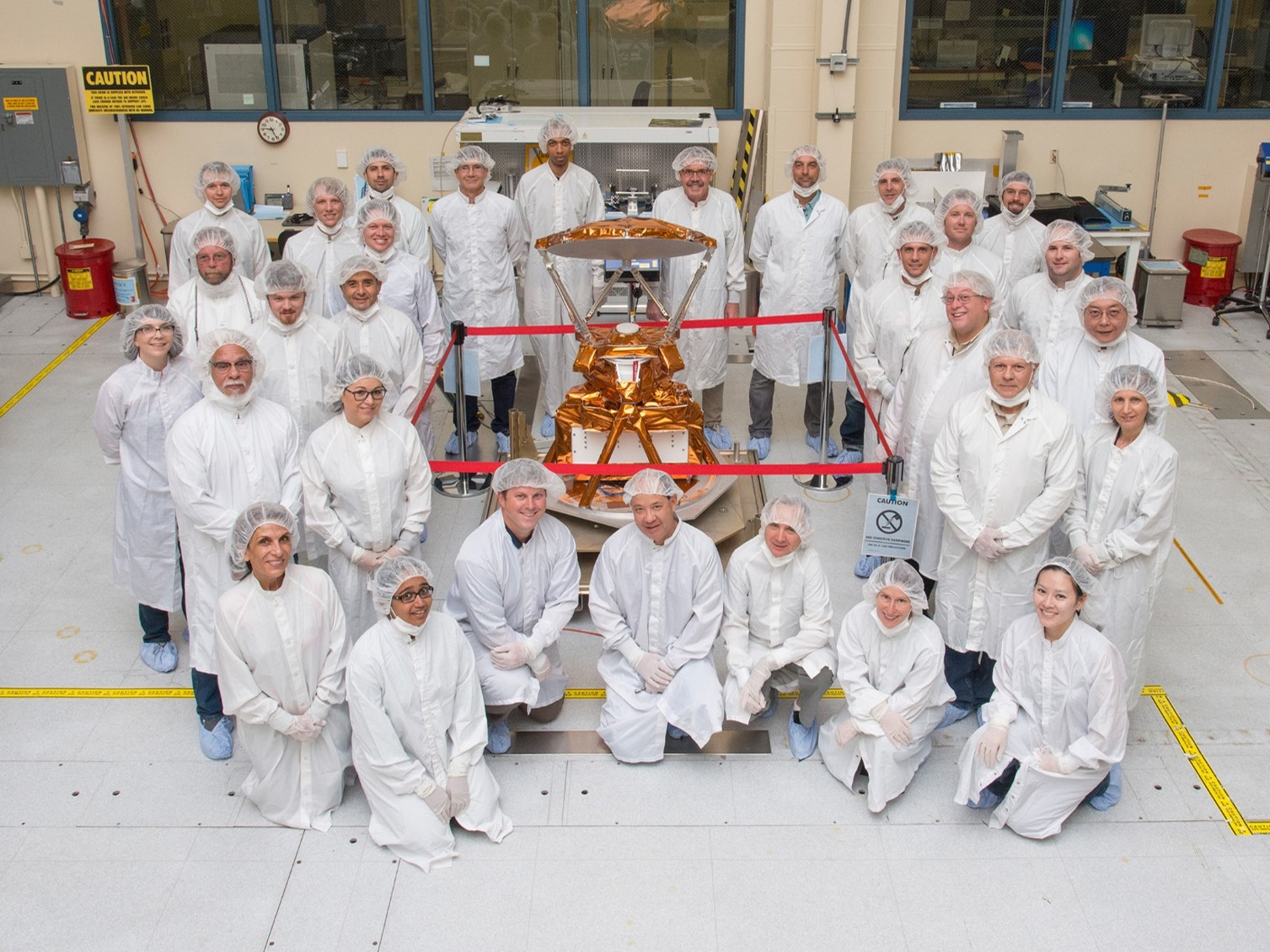 Compact Ocean Wind Vector Radiometer (COWVR) 2021 |  Salinity And Stratification at the Sea Ice Edge (SASSIE) 2021 |
 Sentinel-6 Michael Freilich/Jason-CS November 2020 |  Jason-3 January 2016 | 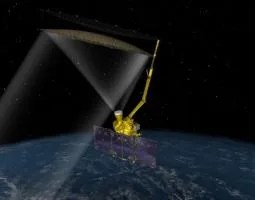 Soil Moisture Active Passive (SMAP) January 2015 |
Future
Upcoming missions
 Copernicus Polar Ice and Snow Topography Altimeter (CRISTAL) 2028 |
Non-Operational
Past missions providing data for current research
 Sub-Mesoscale Ocean Dynamics Experiment (S-MODE) April 2020 | 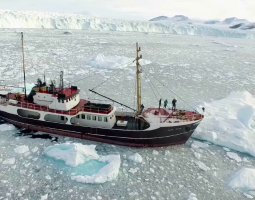 Oceans Melting Greenland (OMG) July 2015 | 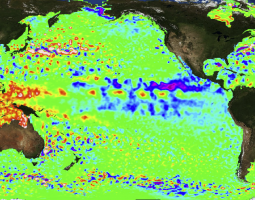 Ocean Surface Topography Mission (OSTM)/Jason-2 2008-2019 |  QuikSCAT 1999-2018 |
 SPURS 1&2 2012-2013 & 2016-2017 |  RapidScat 2014-2016 |  Aquarius 2011-2015 | 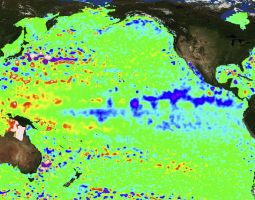 Jason-1 2001-2012 |
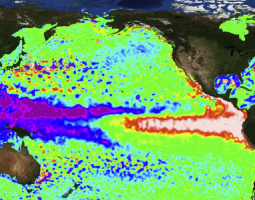 TOPEX/Poseidon 1992-2005 | 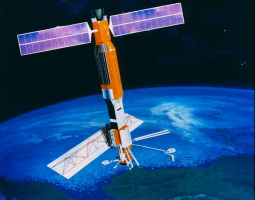 Seasat 1978 |
Access the Data

The Physical Oceanography Distributed Active Archive Center (PO.DAAC) preserves NASA's ocean and climate open data and makes these universally accessible and meaningful.
Partnerships
The Ocean Physics program actively engages in the following national and international partnerships that work together to sustain and enhance the Earth observing system.
 US Climate Variability and Predictability (CLIVAR) |  UN Decade of Ocean Science |  US Global Change Research Program (USGCRP) |  Interagency Ocean Observation Committee (IOOC) |
 National Oceanographic Partnership Program (NOPP) |  White House Subcommittee on Ocean Science and Technology (WH SOST) |  Committee on Earth Observing Satellites Virtual Constellation (CEOS VC) |  NASA-ESA Earth Science Joint Program Planning Group NASA-ESA Satellite and In situ Salinity Working Group |
Contacts
Nadya Vinogradova Shiffer
Lead, NASA Integrated Earth System Observatory
Ocean Physics Program Manager
Contact | Bio