















Science for Everyone Stories

How do scientists studying space with data from a telescope hundreds of thousands of miles away know that what they are seeing is real? A new NASA project, Artifact InSPECtor, invites you to find out – and by doing so,…

Certain kinds of clouds are misbehaving – appearing more often and lower in the sky than they used to. To help identify the factors influencing these changes, scientists have asked people around the world with cameras to submit fresh images…

Join a national community of precipitation reporters providing critical data to improve scientific understanding and forecasts.

The Zooniverse, a NASA grantee that runs the world’s largest platform for online people-powered research, has reached an extraordinary milestone: 1 billion classifications contributed by volunteers around the world. This milestone is a celebration of everyone who has marked a…
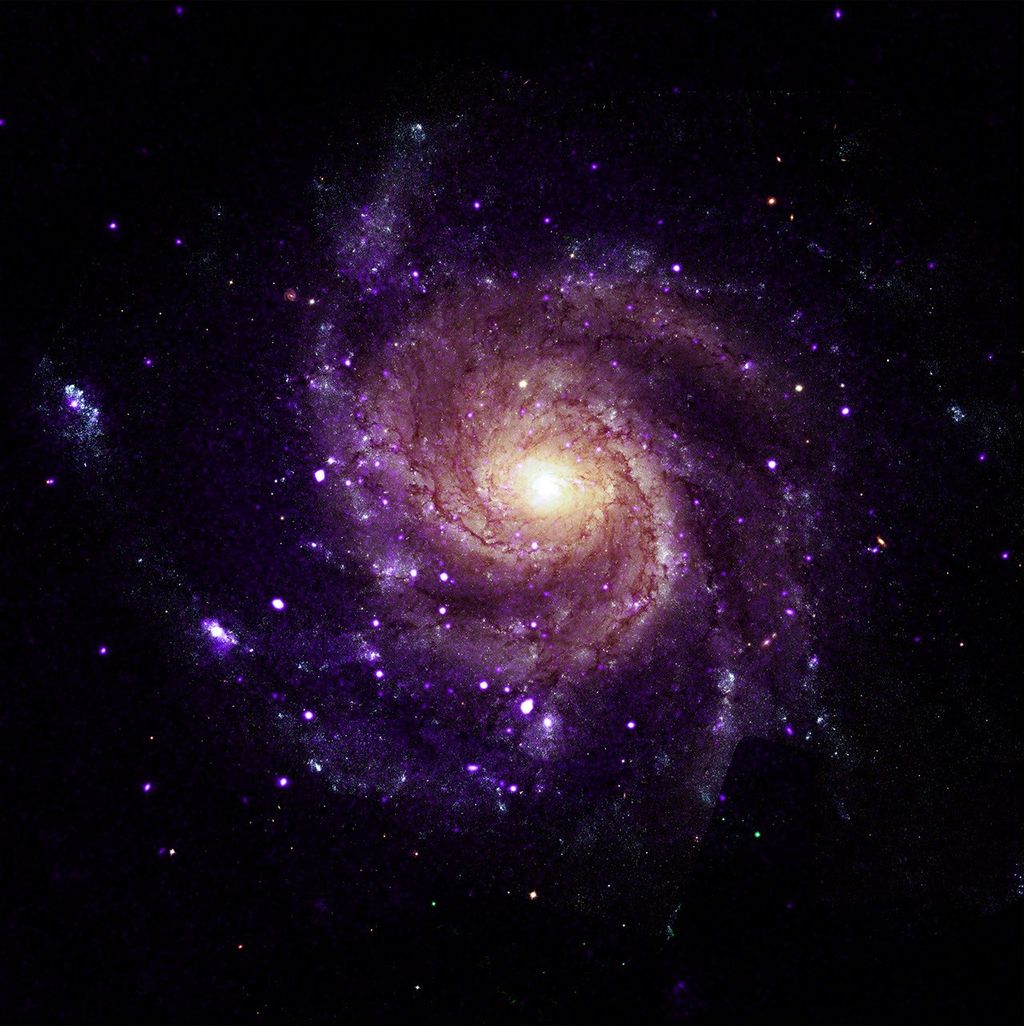
Verify the work of an algorithm to unlock the secrets of spiral galaxies! Anyone with a smartphone or laptop can do this project.

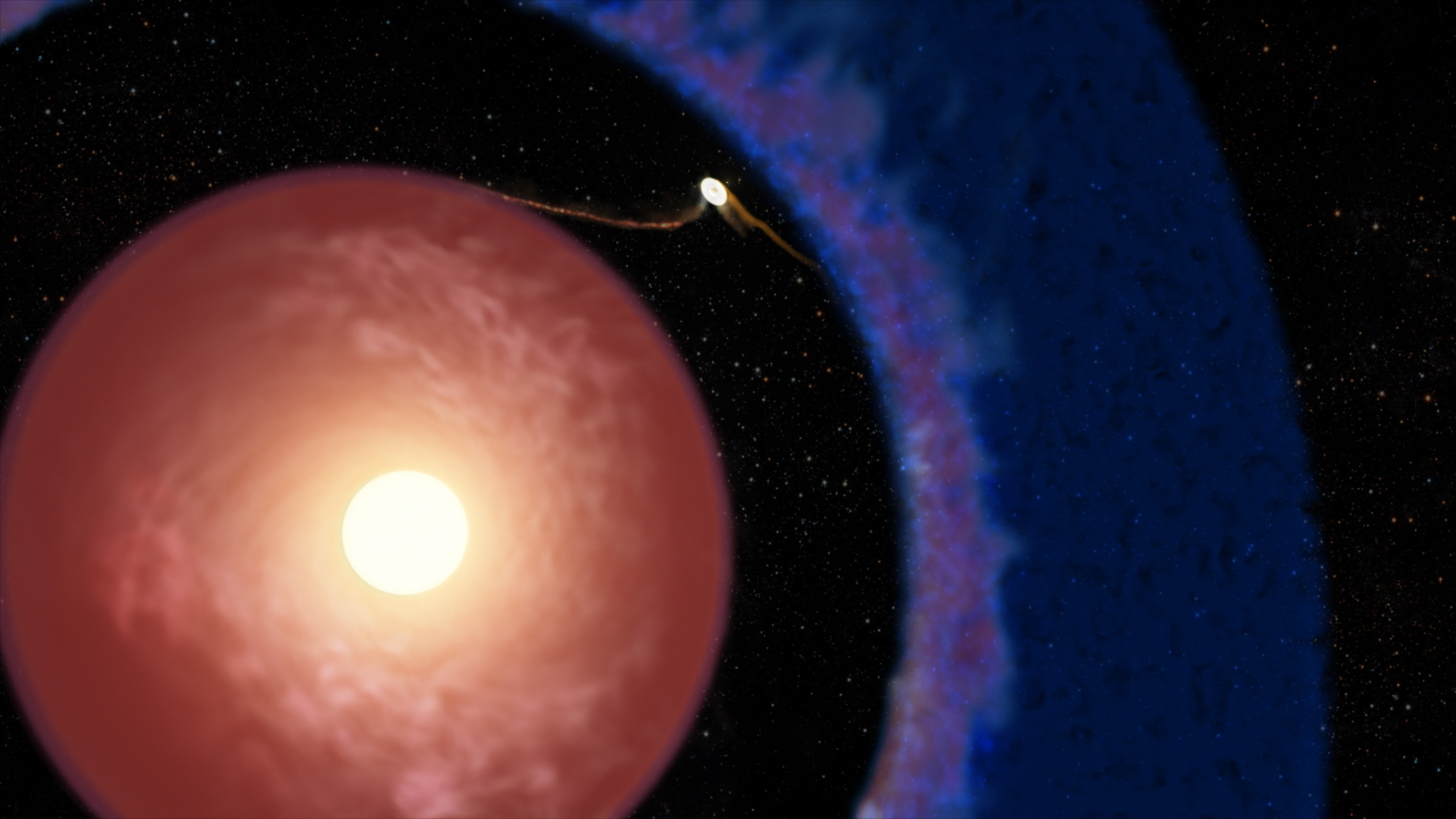
Some stars have planets. Others are orbited by brown dwarfs, balls of gas too massive to be planets, but too low-mass to be stars. Astronomers love these brown dwarf-star pairs because being paired with a star helps reveal a brown…

Help identify star-forming clumps in galaxy images, and help train machines to do the same.
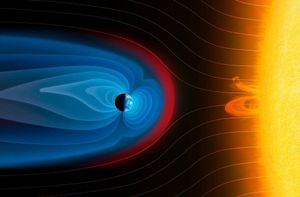
NASA’s Magnetospheric Multiscale (MMS) mission has collected more than ten years of data from this zone – more than scientists can analyze alone. As Shock Detectives, you’ll help sort the chaotic from peaceful regions of the data, giving researchers a…

After a recent count, NASA Citizen Science is proud to report that more than 650 people who have volunteered to participate in NASA citizen science projects have co-authored peer-reviewed research papers with scientists on those project teams. These volunteers made…

A new paper from NASA’s Backyard Worlds: Planet 9 project announces that volunteers have essentially doubled the number of known brown dwarfs, with over 3,000 new discoveries made over the past 10 years since the project began. Brown dwarfs are…